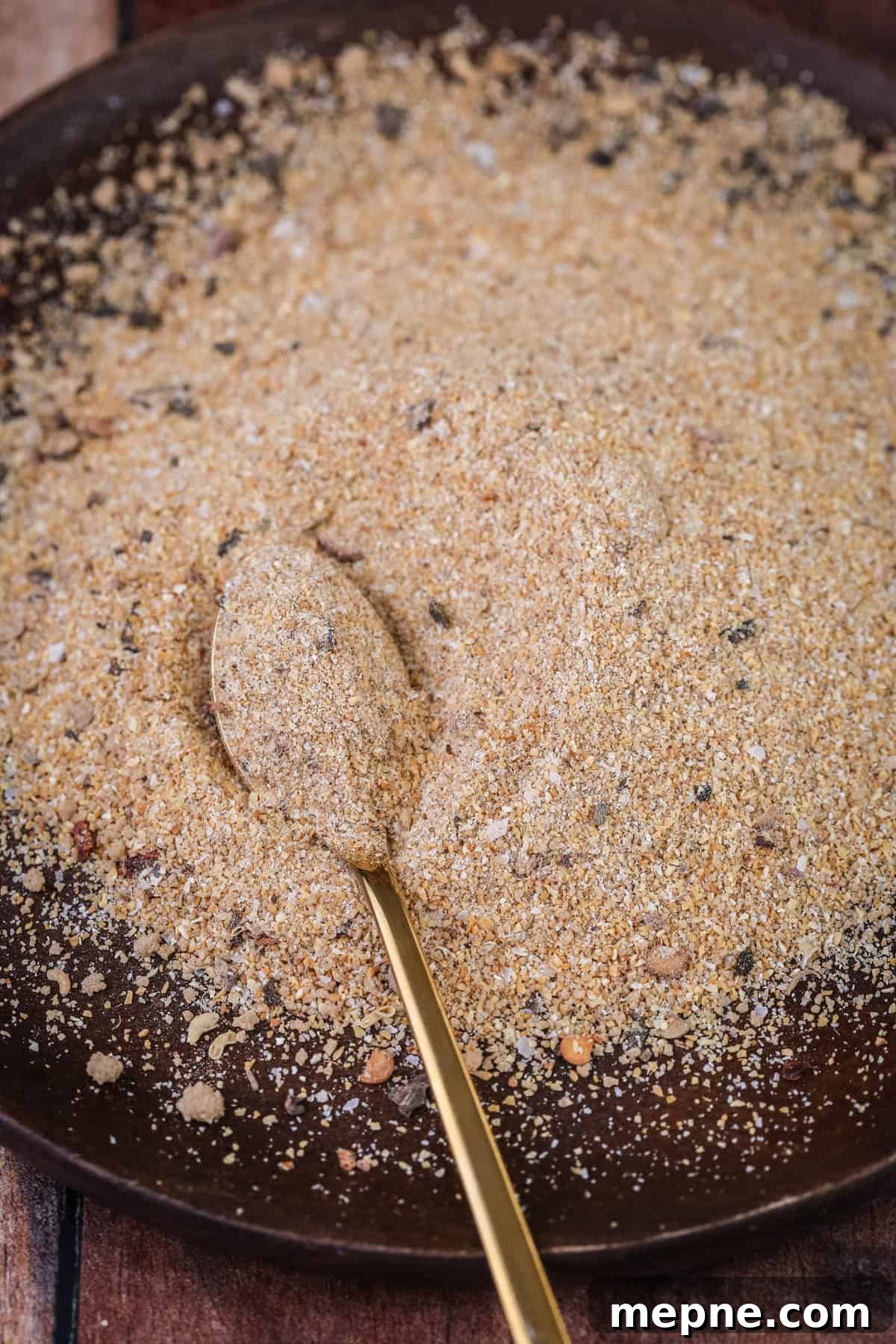
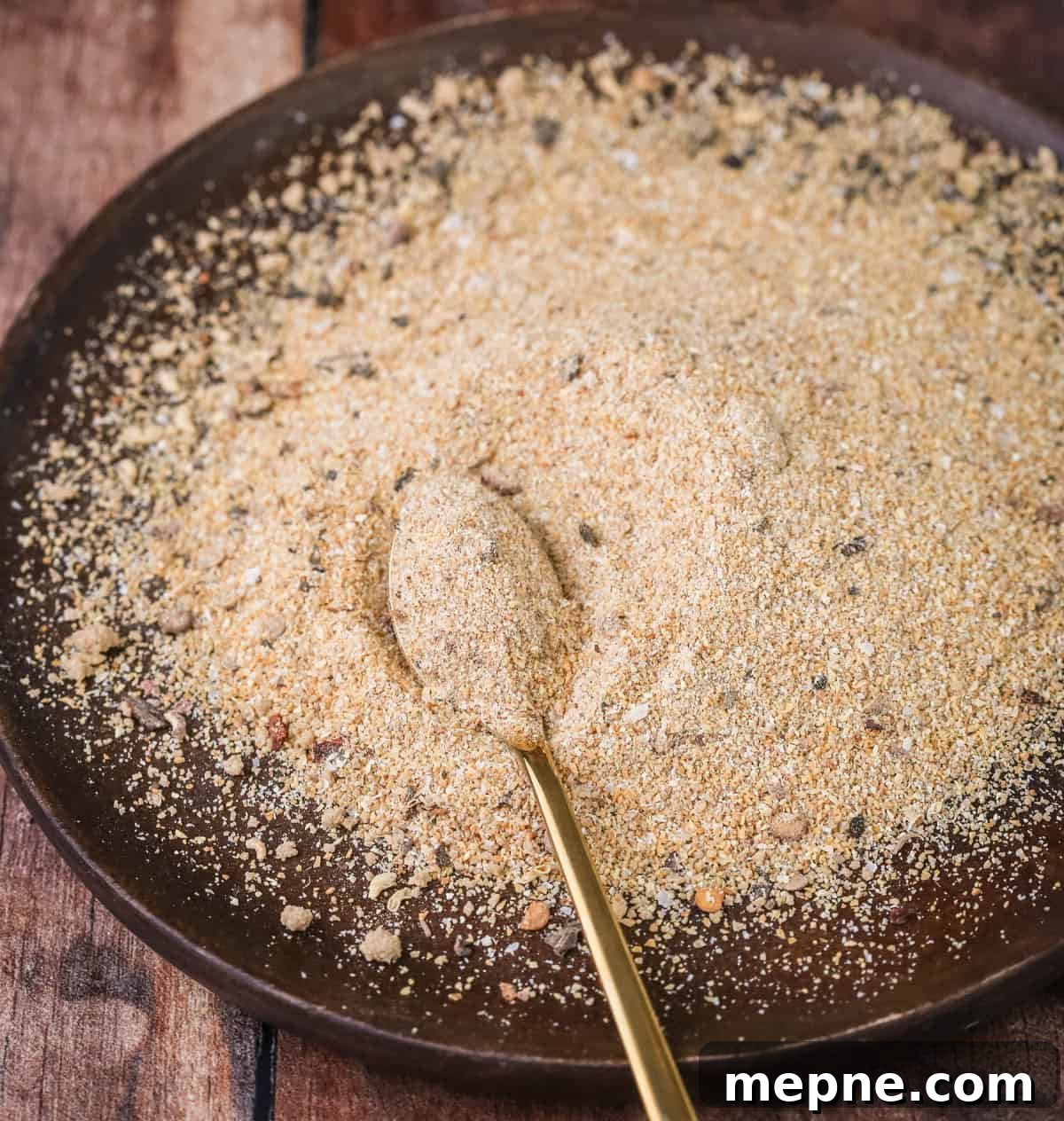
This homemade stir fry seasoning is a versatile spice mix for adding quick, balanced flavour to chicken, beef, pork, fish, tofu, vegetables, rice and noodles. Use it in your favourite stir fries, mix it into a marinade, or rub it over protein before cooking.
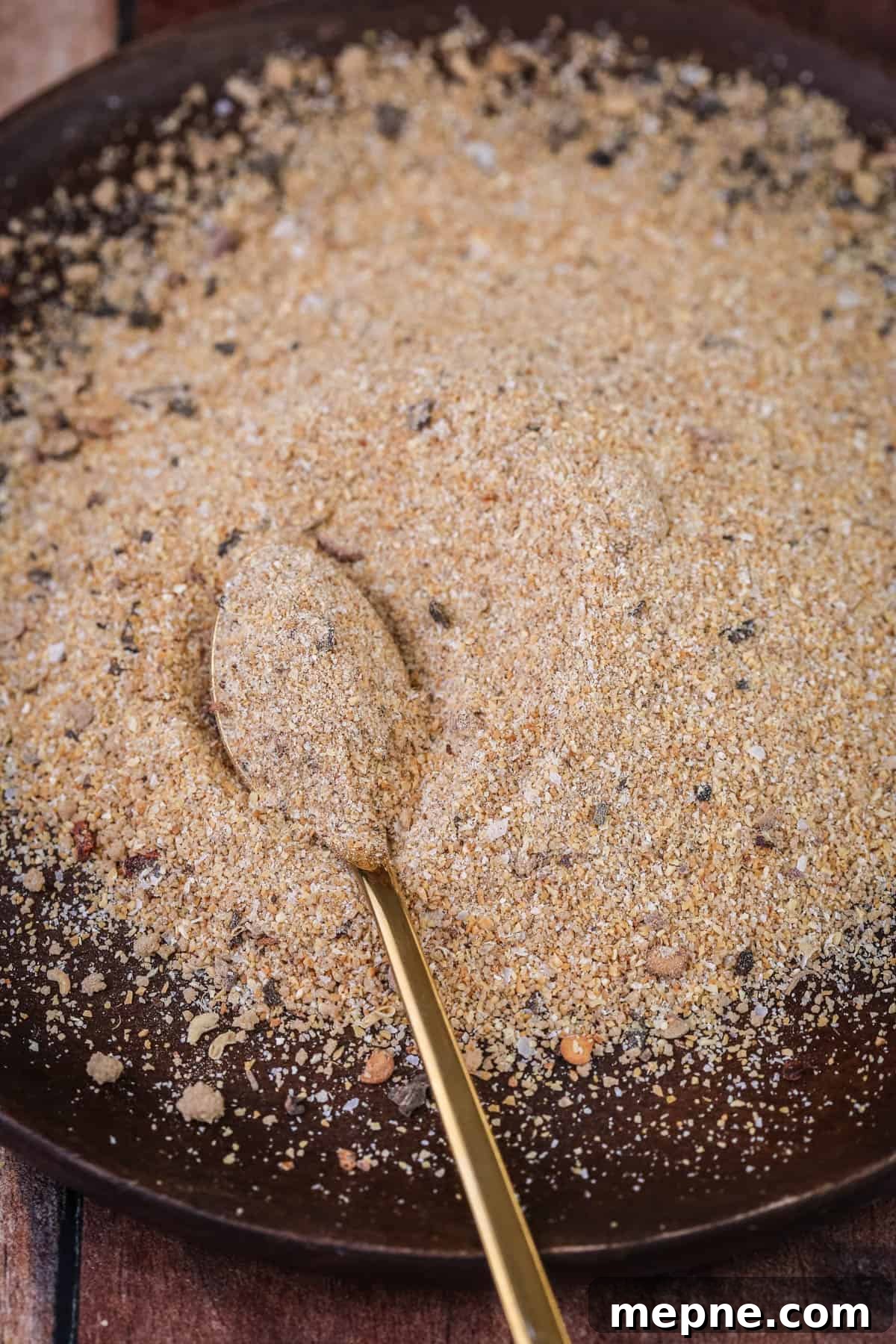
Table of Contents
This stir fry seasoning was created as an easy alternative to Chinese five spice for everyday cooking. It takes inspiration from warm, savoury flavours often used in stir fry dishes, but it is not intended to be an authentic recipe. Instead, it is a practical homemade seasoning blend that makes quick dinners taste more layered and satisfying.
The main benefit of this spice mix is that it seasons ingredients right from the start of cooking. You can rub it directly onto chicken, pork, beef, fish or tofu before it hits the pan, or sprinkle it over vegetables while they cook. It can also be used alongside a stir fry sauce to build a deeper flavour base.
This recipe makes a small batch, which is enough for several meals without producing so much that the spices lose their freshness before you use them. Keeping a jar in the cupboard means you can add flavour quickly without measuring out individual spices every time.
For stir fries, the seasoning can be whisked with cornflour before coating the protein. This helps create a better texture during cooking and also gives a useful thickening base if you are adding sauce later. For rice or noodles, fry them first in a little oil, then sprinkle over the seasoning as they cook so the spices coat evenly and do not taste powdery.
This homemade stir fry seasoning is also excellent as a dry rub. Try it on salmon, tofu, chicken breast, steak or a whole chicken before cooking. When mixed with a little oil, it forms a flavourful coating that helps the spices cling to the surface.
Once you have this seasoning ready to use, it becomes a simple way to add flavour to stir fries, noodle bowls, fried rice and quick protein dishes throughout the week.
Why You’ll Love This Stir Fry Seasoning
- It adds depth and savoury flavour to all kinds of stir fries.
- The spices are balanced, with warmth, sweetness, salt and gentle heat.
- The chilli can be reduced or omitted if you prefer a milder seasoning.
- It tastes fresher than many shop-bought seasoning blends.
- It works with chicken, beef, pork, fish, tofu, vegetables, rice and noodles.
- It is quick to mix and easy to store.
Difference Between This Stir Fry Seasoning vs Stir Sauce
A stir fry sauce and a stir fry seasoning do different jobs. A sauce is liquid-based and is usually added near the end of cooking to coat the ingredients. This dry seasoning is used earlier, often before cooking begins, so the flavour can sit directly on the protein, tofu or vegetables.
You do not have to use both, but combining them can give a stir fry more depth. The seasoning creates a savoury foundation, while the sauce brings moisture, gloss and extra coating. If you are making a drier dish, such as fried rice or wok-fried noodles, this spice mix is especially useful because it adds flavour without extra liquid.
This stir fry seasoning can also be used in several other ways:
- as a dry rub for meat, fish or tofu
- as the base for a marinade
- as a seasoning for vegetables
- as a flavour boost for rice and noodles
How To Use This Stir Fry Seasoning
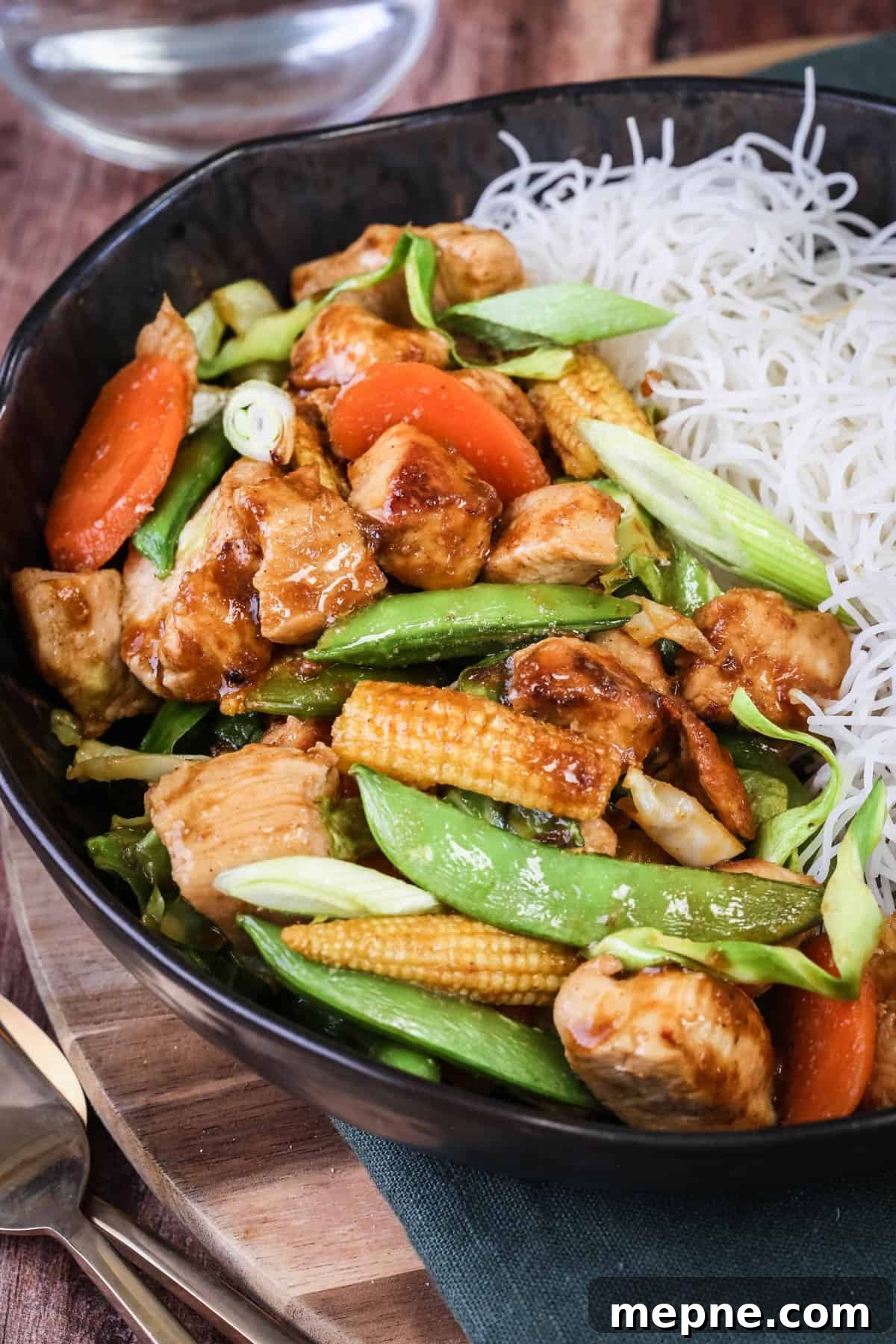
Chicken stir fry. Coat sliced chicken with the seasoning before cooking to give it a savoury base flavour.
Stir fried vegetables. Sprinkle the seasoning over vegetables as they cook in the pan or wok.
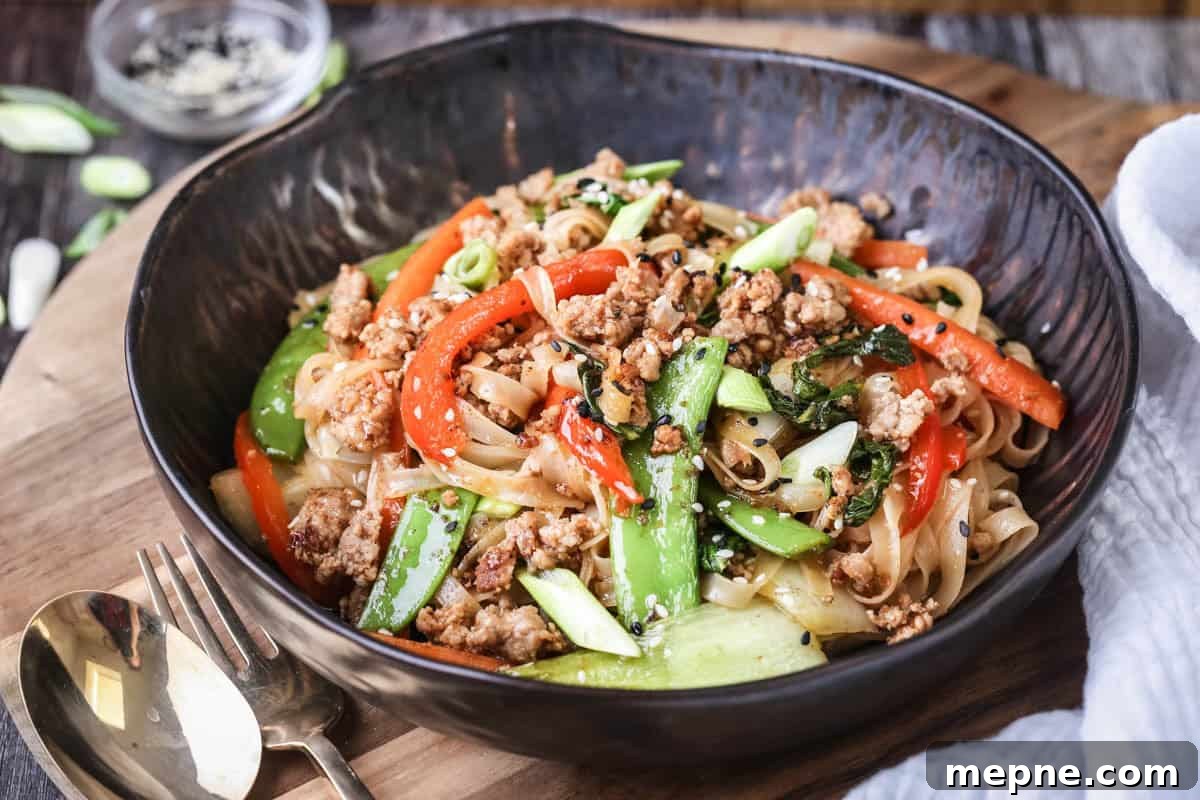
Pork mince stir fry. Use the seasoning to flavour pork mince for a quick noodle or rice dinner.
Quick rice noodles. Skip the sauce and toss wok-fried noodles with a little oil and this spice mix for a simple side dish.
Fried rice. Add a small amount of seasoning to fried rice as it cooks, allowing the oil to help distribute the spices evenly.
Salmon noodles. Use the seasoning as a rub for salmon, then serve it with noodles prepared with or without a sauce.
You can use this homemade stir fry seasoning with any of your favourite stir fry combinations. Start with a modest amount, taste, and increase if you want a stronger flavour.
Ingredients Needed
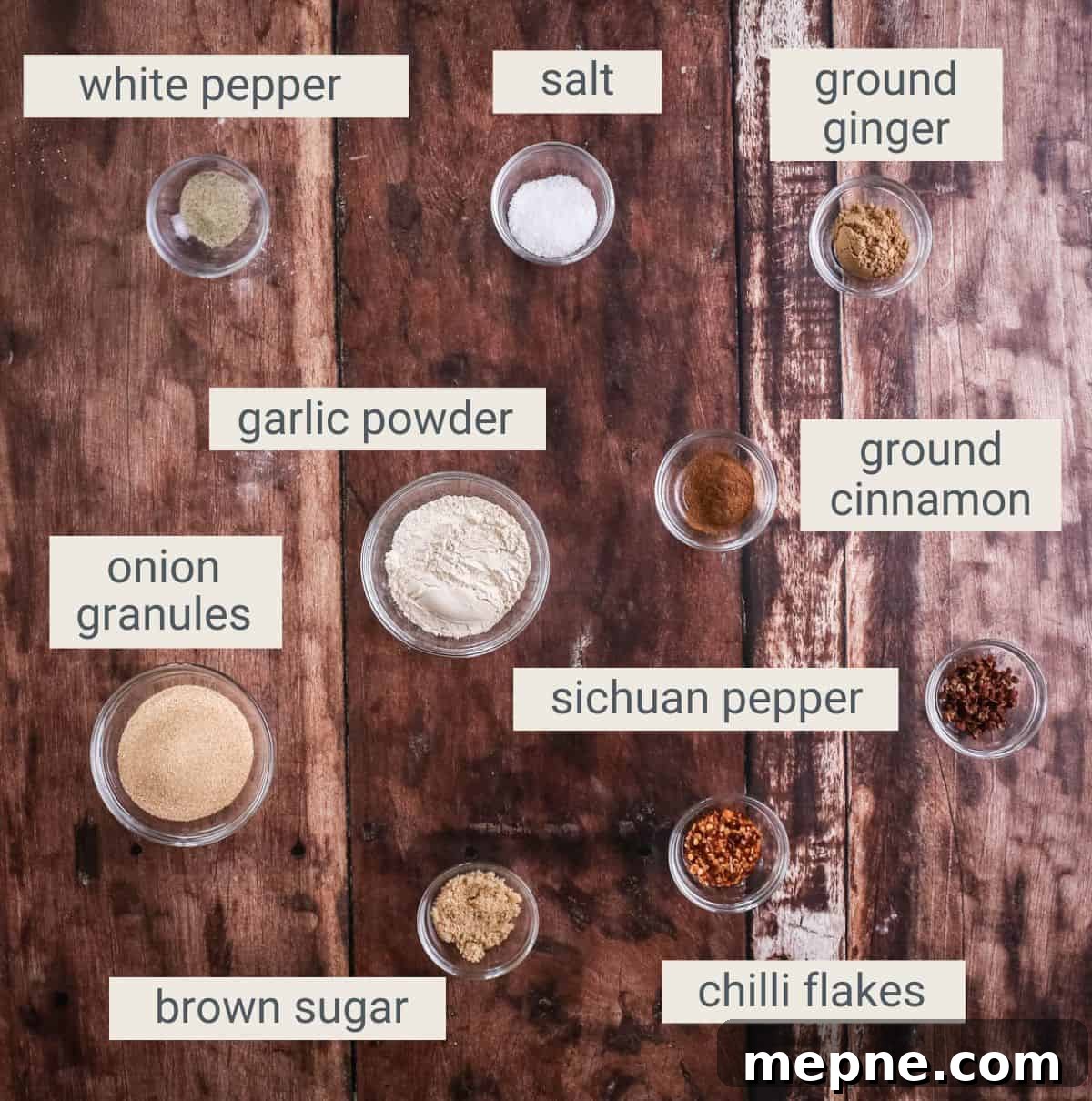
Sichuan pepper. This gives the seasoning its distinctive fragrant warmth.
Dried onion granules. Onion adds savoury depth and helps round out the blend.
Dried garlic granules. Garlic granules or garlic powder can be used. Smoked garlic granules also work well if you enjoy a slightly smoky flavour.
Soft light brown sugar. Only a small amount is used. It adds a gentle sweetness, but you can reduce it or leave it out if preferred.
Kosher salt. Salt balances the spices and helps season the ingredients properly.
Ground ginger. Ginger brings warmth and works especially well with stir fry flavours.
Chilli flakes. These add a little heat. Omit them if you prefer a mild seasoning.
Ground white pepper. White pepper adds a savoury background note.
Ground cinnamon. A small amount gives warmth without overpowering the blend.
How To Make Stir Fry Seasoning
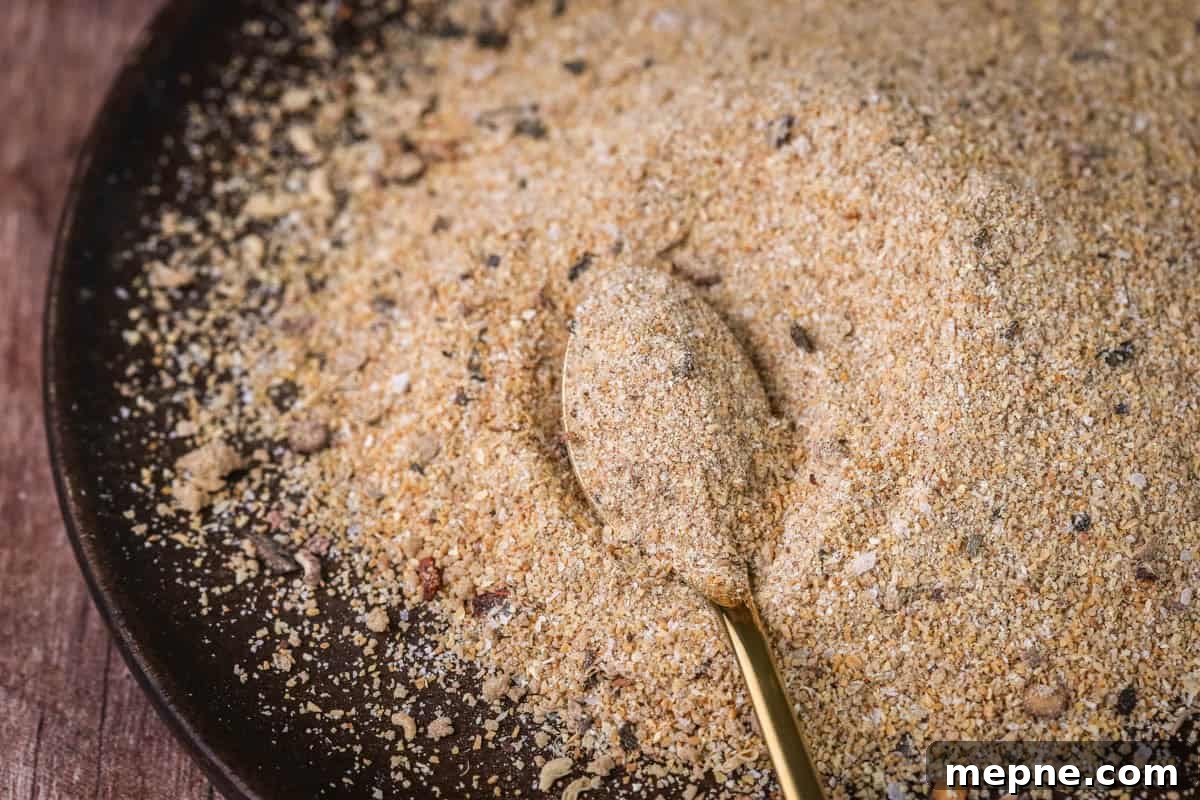
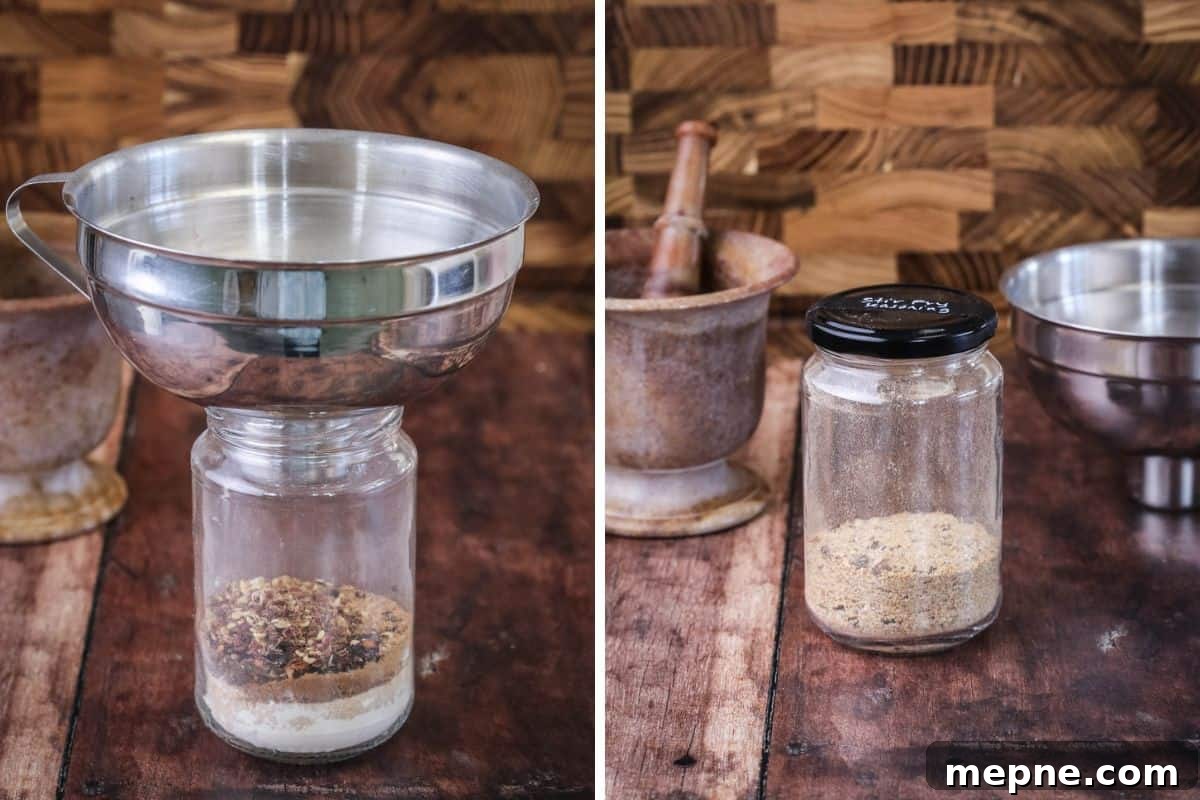
Grind the Sichuan pepper with a pestle and mortar until it is finely crushed. Add it to a large clean jar with the remaining ingredients. Seal the jar and shake well until the spices are fully combined. You can use the seasoning straight away or transfer it to a smaller airtight jar for storage.
Tips and Troubleshooting
Use a larger jar for mixing so the spices have enough room to move around and combine evenly. Once mixed, decant the seasoning into a smaller jar if you prefer.
The best time to add this seasoning is before cooking the protein or during cooking for vegetables. If you are using a stir fry sauce, add the dry seasoning first so it can flavour the ingredients before the sauce goes in.
For saucy stir fries, you can whisk the seasoning with cornflour before coating the protein. This helps the meat cook with a good texture and also helps thicken the sauce.
This seasoning works best as a flavour base rather than a complete sauce. For a coated stir fry, pair it with sauce or a small amount of liquid. For rice or noodles, fry them in oil first so the seasoning clings properly and does not taste dry.
If using the spice mix as a rub for chicken breast, steak, fish or tofu, mix it with a little oil before applying so it coats the surface more evenly.
How To Store Homemade Stir Fry Seasoning
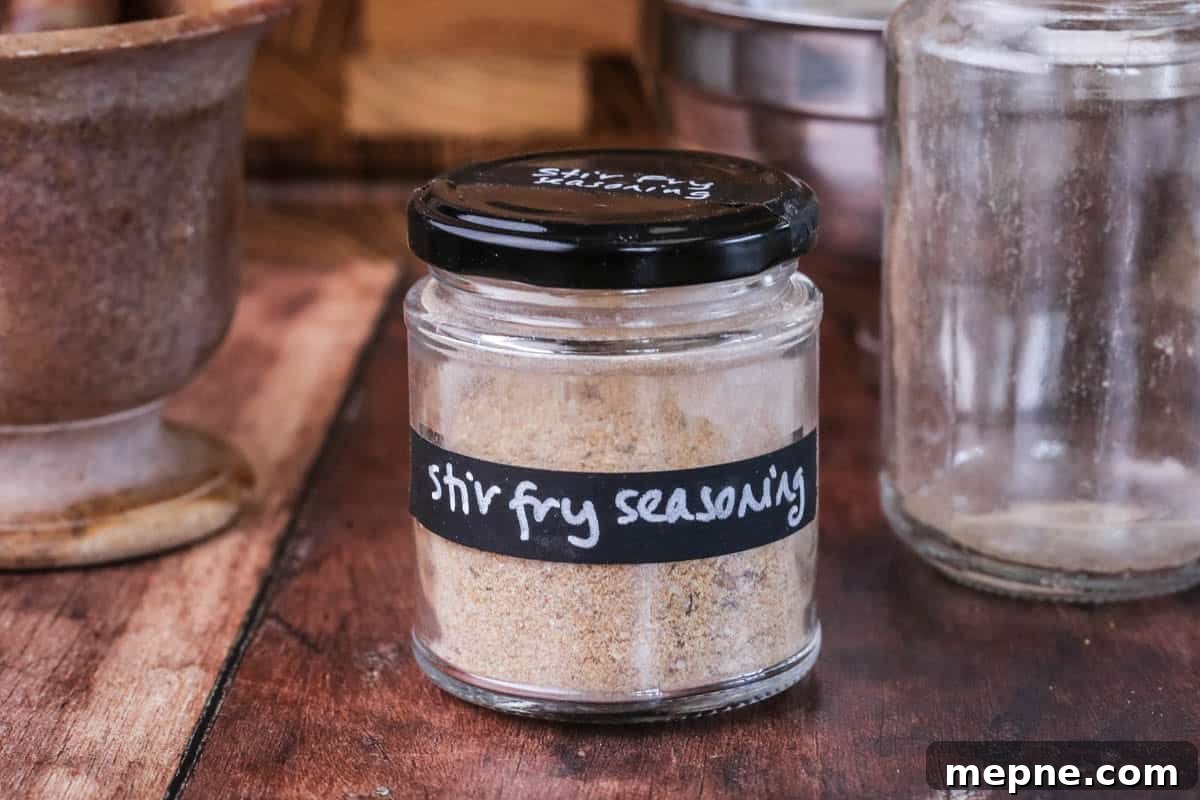
This batch fits into a small 190ml jar. A jar with a wider opening is helpful because it makes it easier to dip in a measuring spoon.
For the best shelf life, use a clean, dry jar with a secure lid. If the jar contains any moisture, the seasoning may clump. Store the spice mix in a cool, dry place for up to 2 months for the freshest flavour.
FAQs
Yes. This stir fry seasoning works well on its own as a dry rub or spice mix. If you want a glossy coating, use it with a sauce or a little liquid.
This seasoning includes Sichuan pepper, ginger, cinnamon, chilli flakes, onion, garlic, sugar, salt and white pepper. The blend works well with chicken and other stir fry ingredients.
Yes. You can freeze the spice mix for longer storage. Keep it in an airtight container and freeze for up to 6 months.
Best Homemade Stir Fry Seasoning
Ingredients
- 1 teaspoon Sichuan pepper
- 2 tablespoons dried onion granules
- 2 tablespoons dried garlic granules
- 2 teaspoons soft light brown sugar
- 2 teaspoons kosher salt
- 2 teaspoons ground ginger
- 1 teaspoon chilli flakes
- 1 teaspoon ground white pepper
- ½ teaspoon ground cinnamon
Instructions
-
Place the Sichuan pepper in a pestle and mortar and grind until finely crushed.
-
Add the ground Sichuan pepper to a medium or large jar with all the remaining ingredients.
-
Seal the jar and shake thoroughly until the spices are evenly blended.
-
Use immediately or transfer to a clean airtight jar and store in a cool, dark place for up to 2 months.
Notes
- This recipe makes approximately 28 servings.
- Use about ¾ to 1 teaspoon of seasoning per person, depending on how strong you like the flavour.
- For a stir fry serving 4 people, 1 tablespoon of seasoning is usually a good amount.
- Store the mix in an airtight container, such as a glass jar with a secure lid, for up to 2 months in a cool, dark place.
- Use it as a dry rub or as a coating for protein, tofu, vegetables, rice or noodles.
- For the deepest flavour in a saucy stir fry, use this seasoning as the base and then add your stir fry sauce later.
Nutrition
Carbohydrates: 1g
Protein: 0.2g
Fat: 0.02g
Sodium: 168mg