5 Ways to Ferment Almost Anything with These Unique Shortcuts

If you’re stuck getting a particular ferment started, you don’t need to throw in the towel. This guide explains five simple shortcuts for using one active fermentation to kickstart another. With a few creative swaps and a little know-how, you can jumpstart sourdough starters, fermented vegetables, beverages, condiments, and cultured dairy with cultures you already have on hand.
Are You Having Trouble Fermenting?
Home fermentation covers a wide range of foods and drinks, including:
- Cultured dairy (yogurt, kefir, labneh)
- Sourdough starter
- Fermented vegetables (sauerkraut, kimchi, pickles)
- Condiments and relishes
- Fermented beverages (kombucha, kvass, water kefir)
When one of these processes won’t take off, the fastest solution is often already in your kitchen. In my fermentation video I demonstrate practical swaps that use a thriving culture to give another fermentation the boost it needs. Below are the core ideas and examples so you can apply them right away.
When One Fermentation Is Thriving
First, look around for any fermentation that’s bubbling, tangy, or otherwise healthy. That active liquid or starter can often be used in place of plain water or part of the inoculant when feeding something that’s struggling.
Example: If your kombucha is bubbling along but your sourdough starter is sluggish, try using a bit of kombucha in place of some of the water when you feed the starter. The kombucha’s acidity and microbes can help the wild yeasts and bacteria find traction faster.
Conversely, if your ginger bug or water culture isn’t fizzing but your sourdough starter is lively, dilute a small spoonful of the sourdough starter in water and use that to feed the ginger bug. The microbes from the starter can encourage fermentation in other preparations until the native organisms re-establish themselves.

But What If You Don’t Have a Thriving Fermentation?
If there are no active ferments in your kitchen yet, buying one simple product can save the day: plain yogurt that lists live cultures on the label. Strain that yogurt and collect the liquid whey that drains off. Whey is rich in lactic bacteria and can be used to jumpstart sourdough starters, vegetable ferments, condiments, and various probiotic beverages.
How to use the whey: add a small amount (a tablespoon or two depending on batch size) into the liquid portion of your new ferment, or dilute and use it for feeding a struggling culture. The extra microbes and acidity create a favorable environment for beneficial fermenters to take hold.
One handy tip: before you strain the yogurt, reserve a tablespoon to use as a starter for making your own yogurt at home. Once you can reliably make yogurt, you’ll always have a steady supply of whey to assist other ferments.

More Fermentation Videos
As you get comfortable mixing cultures, experiment with a range of vegetable ferments and probiotic drinks to build confidence. The basic principle—using one healthy ferment to seed another—applies to many recipes. Below are example topics you can explore to practice these techniques and expand your skills.
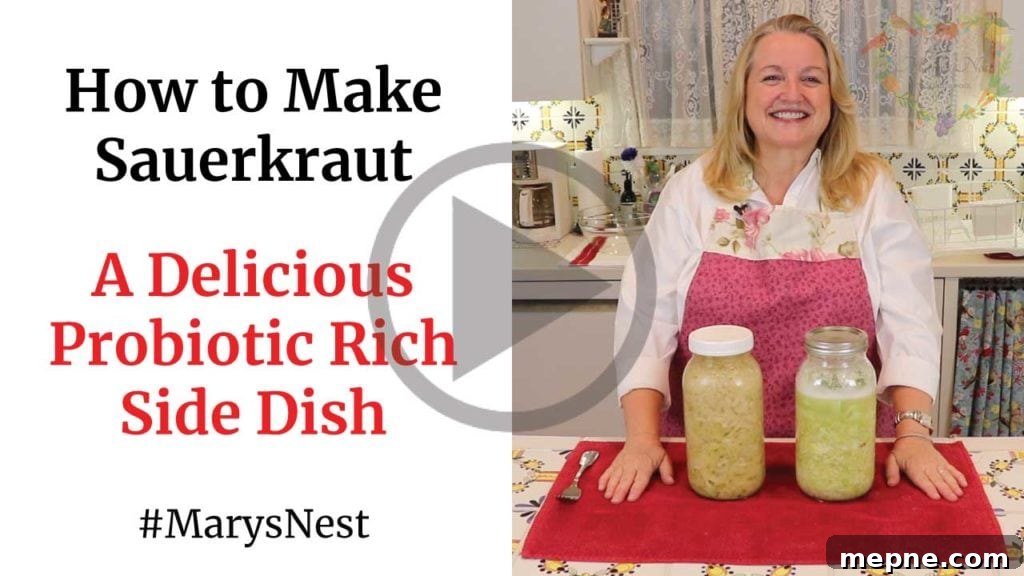
- How to Make Homemade Sauerkraut – Probiotic-rich side dish
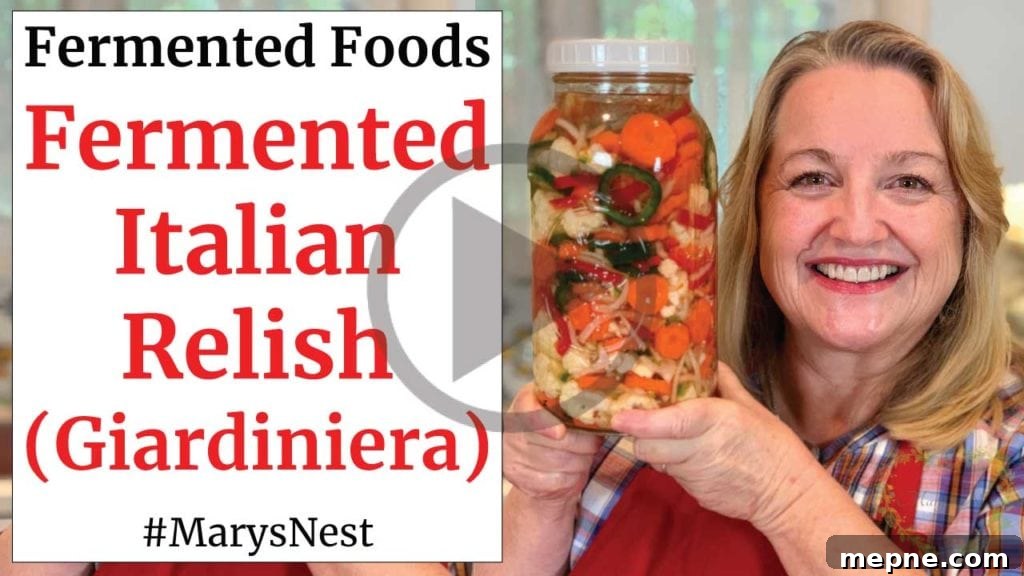
- How to Make Fermented Giardiniera – Italian-style pickled relish
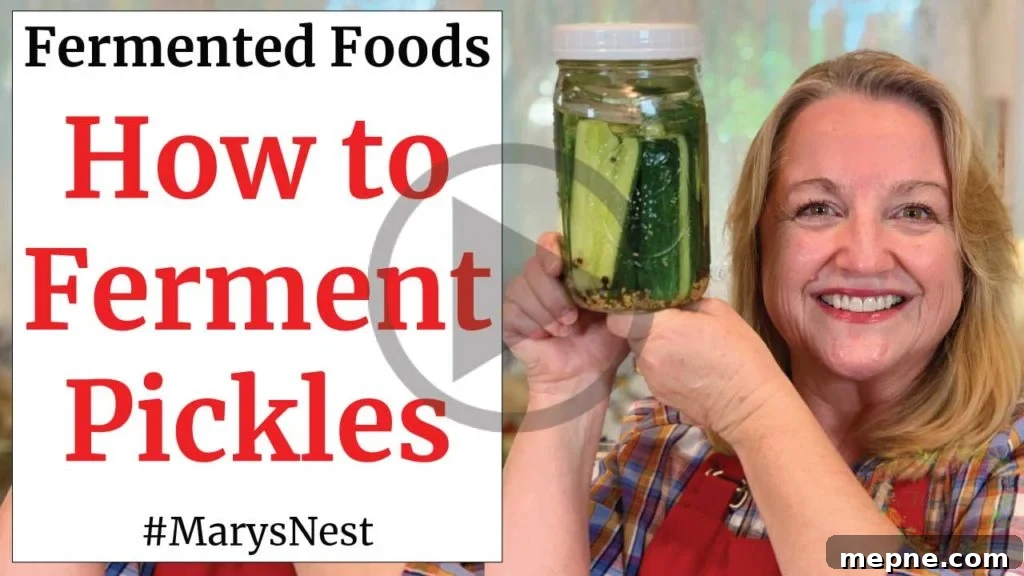
- How to Make Crisp Lacto Fermented Pickles
Shop for Items Mentioned in This Video
Favorite Fermentation Supplies
- Half-gallon canning jars or similar wide-mouth jars
- Small 4-ounce jars for samples or starters
- pH test strips for monitoring acidity
- Plastic or glass storage lids
- Complete fermentation kits (airlocks, lids, seals)
- Silicone pickle pipes or airlock tubing
- Glass fermentation weights
- Wooden kraut pounder or vegetable tamper
Favorite Aprons
- Comfortable, durable aprons for kitchen work and fermenting
Recommended Reading
Books can give deeper context and recipes for expanding your fermentation skill set. Consider these well-regarded titles for reference and inspiration:
- Wild Fermentation: The Flavor, Nutrition, and Craft of Live-Culture Foods (2nd edition)
- The Art of Fermentation: An In-Depth Exploration of Essential Concepts and Processes from around the World
- Sourdough: Recipes for Rustic Fermented Breads, Sweets, Savories, and More
- Fermented Vegetables: Creative Recipes for Fermenting Vegetables & Herbs
- The Farmhouse Culture Guide to Fermenting: Practical recipes and techniques
- Traditionally Fermented Foods: Recipes and techniques for sustainable eating
- Nourishing Traditions: A cookbook emphasizing traditional culinary methods
Use these strategies—sharing cultures between ferments, using whey from live yogurt, and practicing with small batches—to build a reliable rotation of active, healthy ferments in your kitchen. With practice you’ll find that many fermentations can help each other, and you’ll quickly gain confidence in creating probiotic-rich foods and drinks at home.