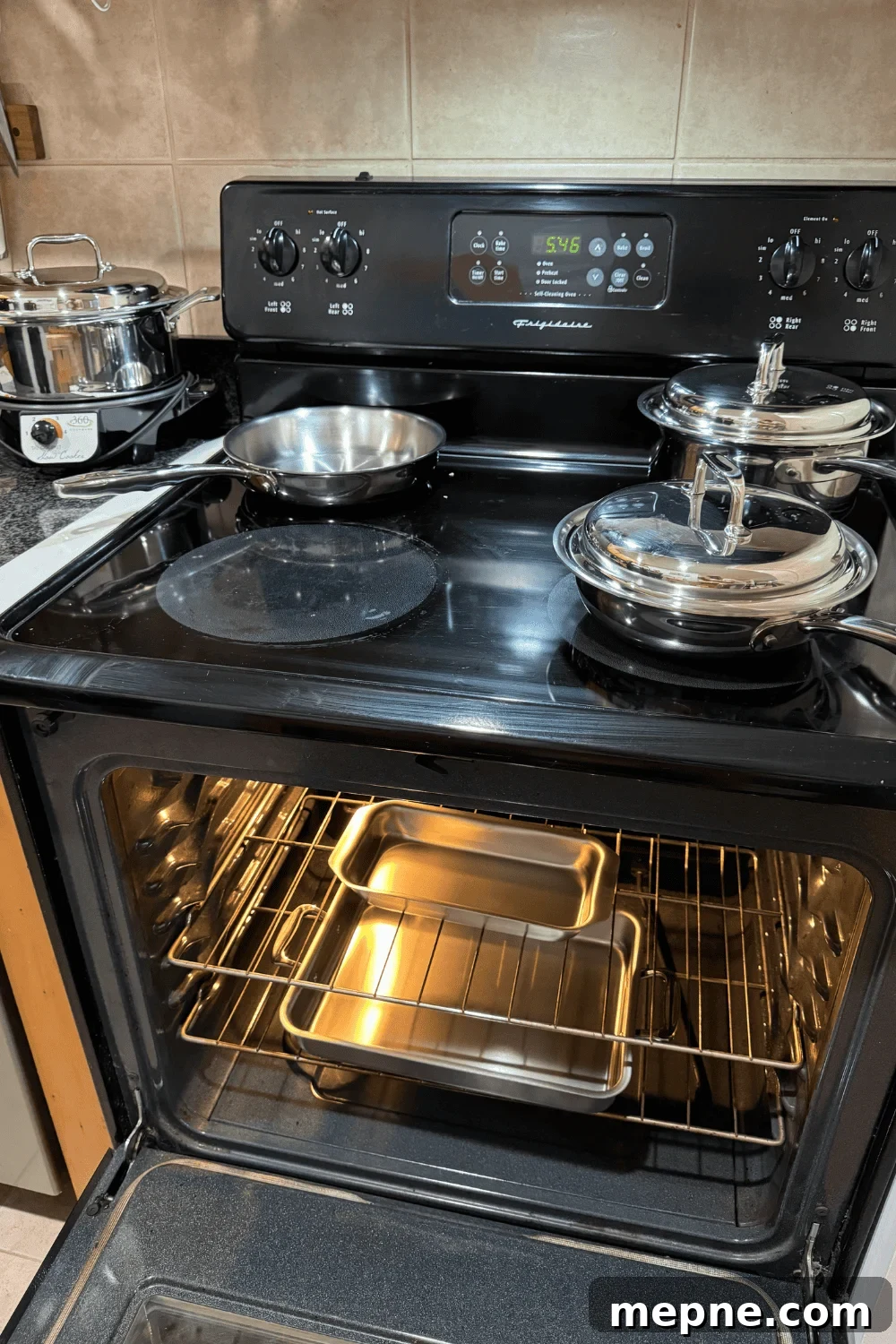
I am so sick of replacing non-stick pans.
I’m done with pans that fail, with constantly replacing cookware, and with discovering I’ve been cooking on persistent toxic chemicals like Teflon my whole life. If you follow The Filtery, you already know ceramic, cast iron, carbon steel, and stainless steel are among the best non-toxic cookware choices.
I jumped at the chance to try stainless steel cookware from 360 Cookware, especially after reading a deep dive into stainless steel vs plastic. I’d never owned a stainless steel set of pots and pans as an adult (other than a baking sheet), so this was a brand-new experience and I was excited to learn.
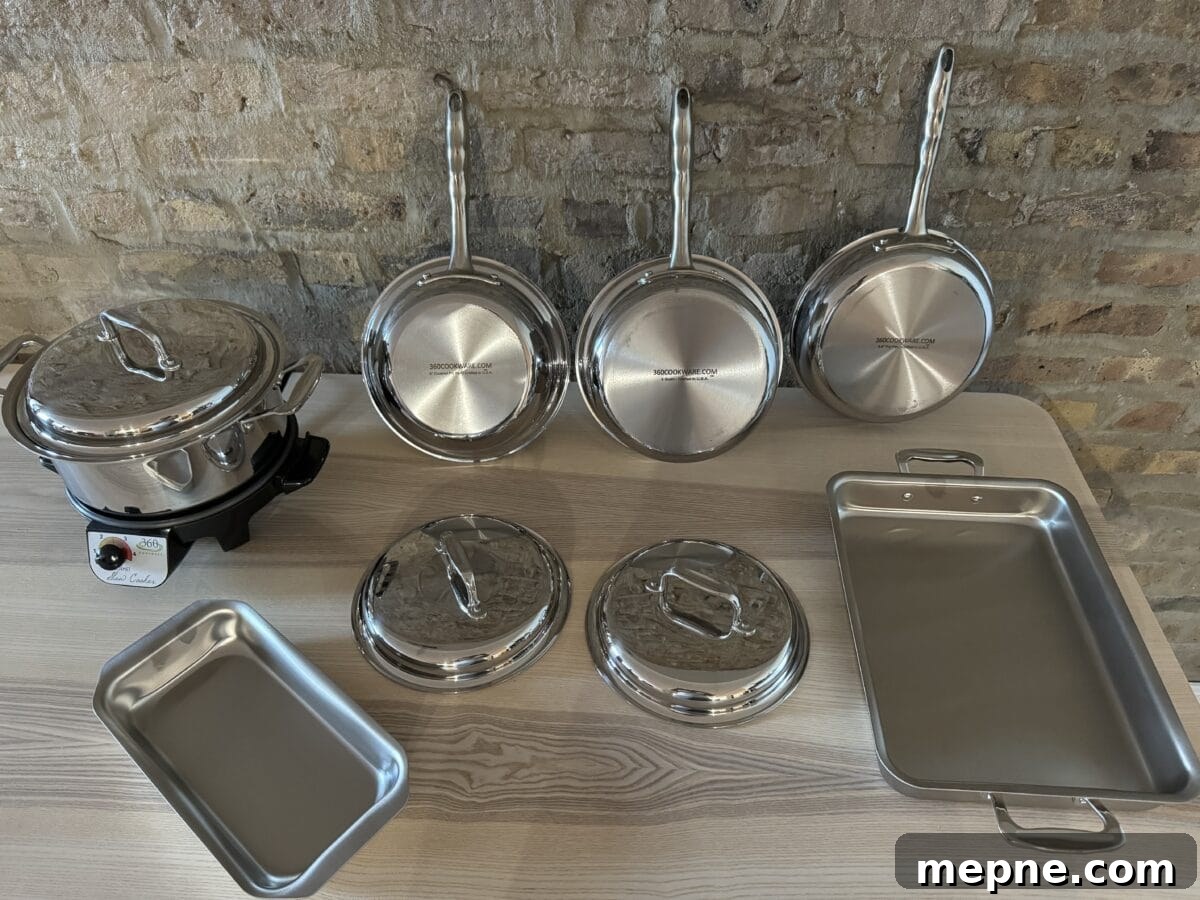
What this review covers:
- Overall thoughts: Do I recommend 360 Cookware?
- Would I recommend stainless steel pots and pans?
- Is switching to stainless steel really as painful as it looks?
- How to make stainless steel pans non-stick
- My 360 Cookware thoughts: product-by-product impressions
- 8.5″ Fry Pan
- 4 Quart Slow Cooker
- 3 Quart Saucepan with Cover
- 9×13″ Bake & Roast Pan (with handles)
- 8″ Covered Fry Pan
- Mini Jelly Roll Pan
- Thoughts on 360 Cookware as a brand
- Final thoughts
This guide includes product recommendations and we may receive compensation if you purchase through certain links. As always, we only recommend products we genuinely use and believe in.
Overall thoughts: Do I recommend 360 Cookware?
I like 360 Cookware. Overall, I think it’s a high-quality stainless steel brand with some clear advantages:
- The lids and handles are well made and comfortable to hold.
- The pots feel lightweight yet sturdy.
- Everything is clearly PFAS-free and made without toxic non-stick coatings.
Heavy, awkward pans and handles that dig into your hand are dealbreakers for me. Compared to other stainless sets I inspected, 360’s handles are noticeably more comfortable, which is a major purchase factor. With proper care, these pans feel like they will last a lifetime, which is both financially and environmentally positive.
- Most important: Good build quality and longevity.
- Very important: PFAS-free construction and durability make them better for the environment.
- Worth mentioning: Much of their production is in the U.S. and they are working to bring more manufacturing back to the U.S.
- Cooking results: In my experience, vegetables cook crisper, heat distribution is even, and cooking times can be faster compared to some other pans I used.
So, would I recommend stainless steel pots and pans?
Yes. It’s been an adjustment, but I now prefer stainless steel for most cooking. I use these pans as my primary cooking method and would buy more from 360.
Two practical pieces of advice:
- Skip the full set initially. You may not need all the pieces. Start with a few multi-functional items and add as needed.
- Know there’s a learning curve. Stainless steel behaves differently than non-stick; there’s a bit of technique involved, especially with heat control and preheating.
Is switching to stainless steel really as painful as it looks?
The answer is both yes and no. Yes because you must learn new techniques; no because it’s not hard — just practice. After about a month I reached a point where I felt confident and comfortable using stainless steel regularly.
- Heat control: Most foods do not need high heat. Adjusting to moderate heat settings makes a huge difference.
- Preheating: Preheat properly — not too slowly, not too long. Once you establish a rhythm, preheating takes only a few minutes.
- Testing readiness: A simple water-drop test helps you gauge when the pan is ready: water should bead and dance when the pan is at the right temperature.
- Cleaning: If you avoid burning food with excessive heat, cleaning is straightforward: hot water, a scrubber, and occasional deeper treatments for stubborn spots.
- Maintenance: To keep pans looking new requires occasional attentive cleaning. Some owners scrub after each use; I take a gentle weekly approach and remove major residue as needed.
I didn’t use the dishwasher for these pans, preferring handwashing to extend their life. I also didn’t experiment with proprietary cooking methods like the marketed Vapor® method while I was learning the basics.
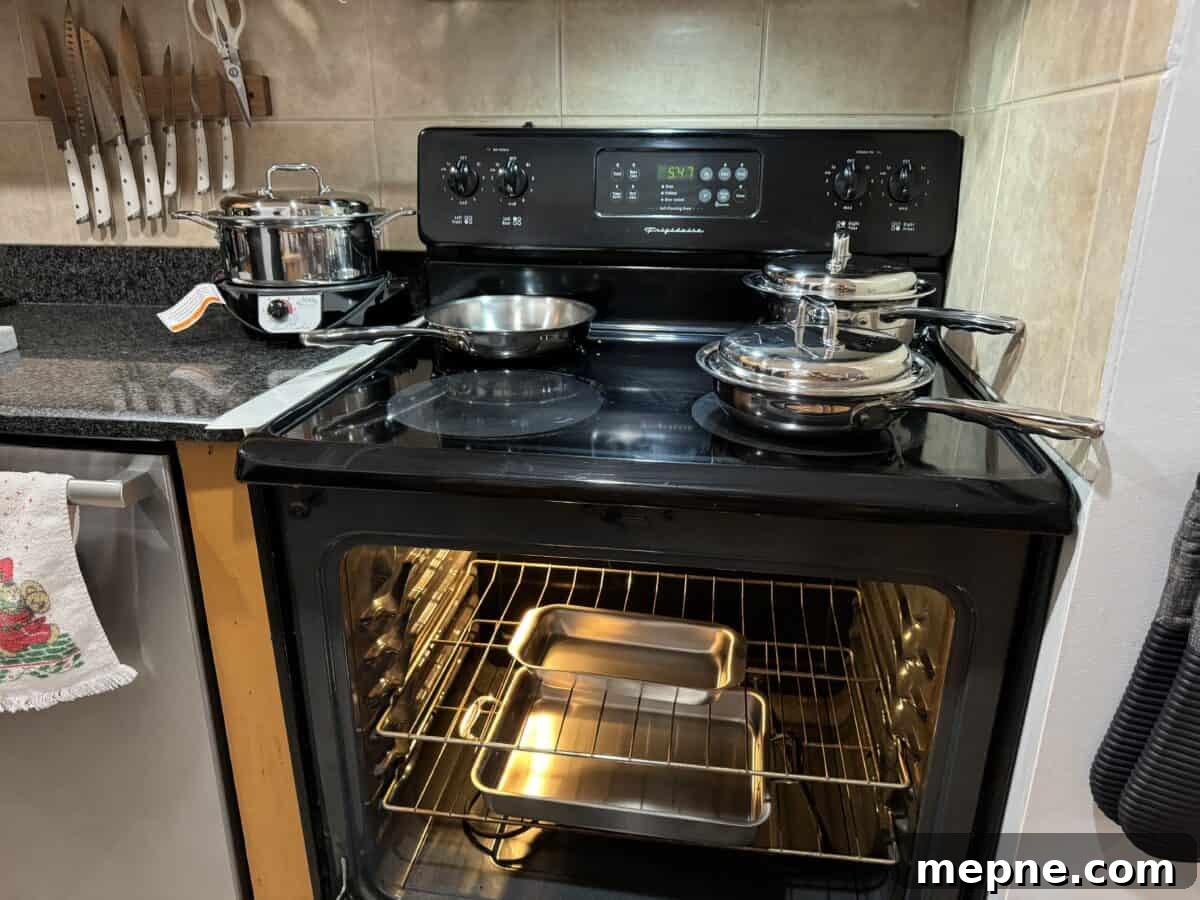
How To Make Stainless Steel Pans Non-Stick
The basics for non-stick stainless cooking are: preheat the pan properly, add the right amount of fat at the right time, and adjust heat to maintain temperature. A common water-drop test helps confirm readiness. Practice makes this routine second nature.
Cleaning tips I picked up (mostly from experienced stainless users):
- Clean the pan while it’s still warm. Fill it with hot water to loosen stuck food and let it soak briefly before scrubbing.
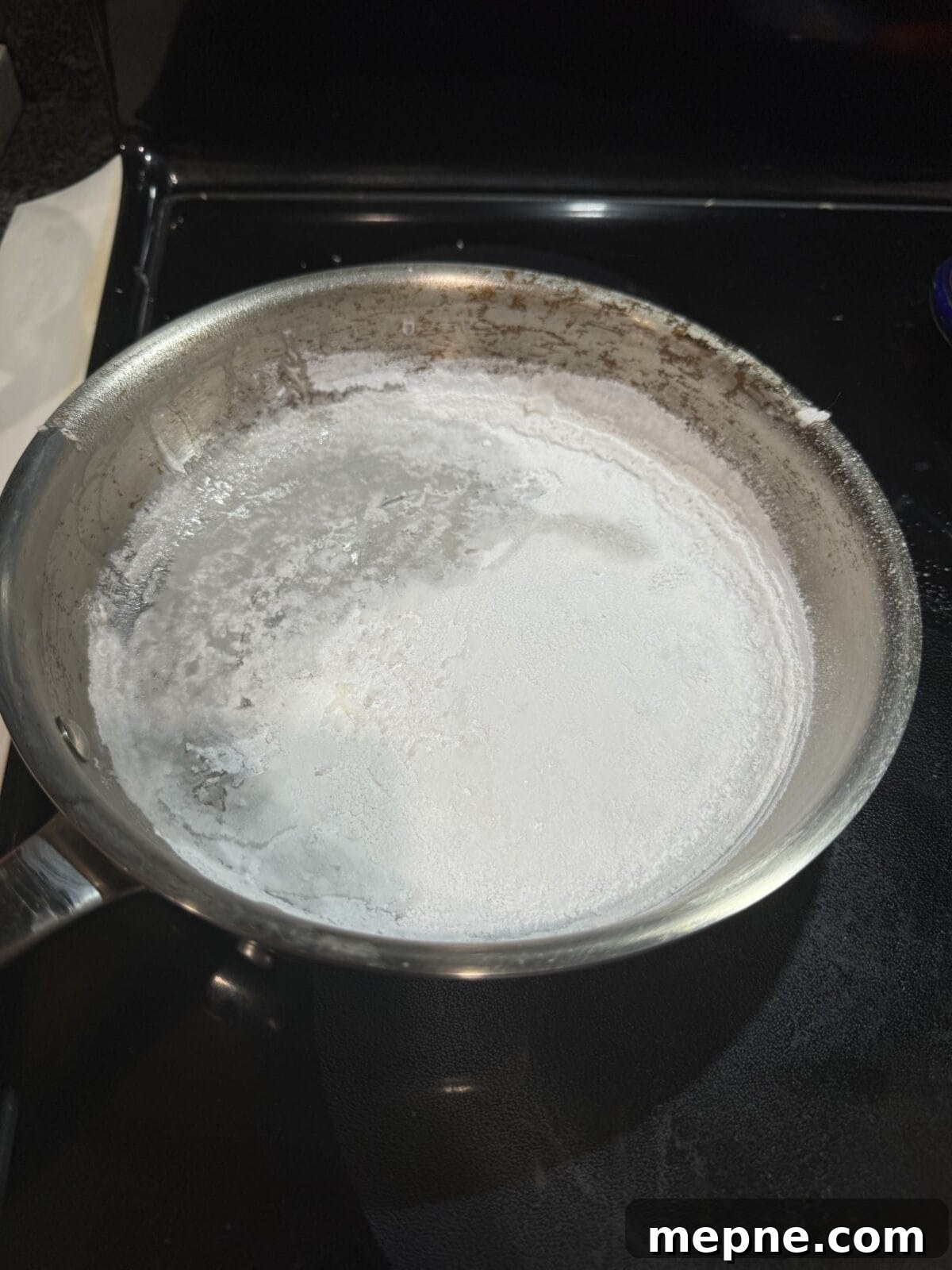
- Use baking soda and vinegar occasionally for tougher stains: bring a little vinegar to a boil in the pan, remove from heat, add baking soda to fizz, let cool slightly, then scrub.
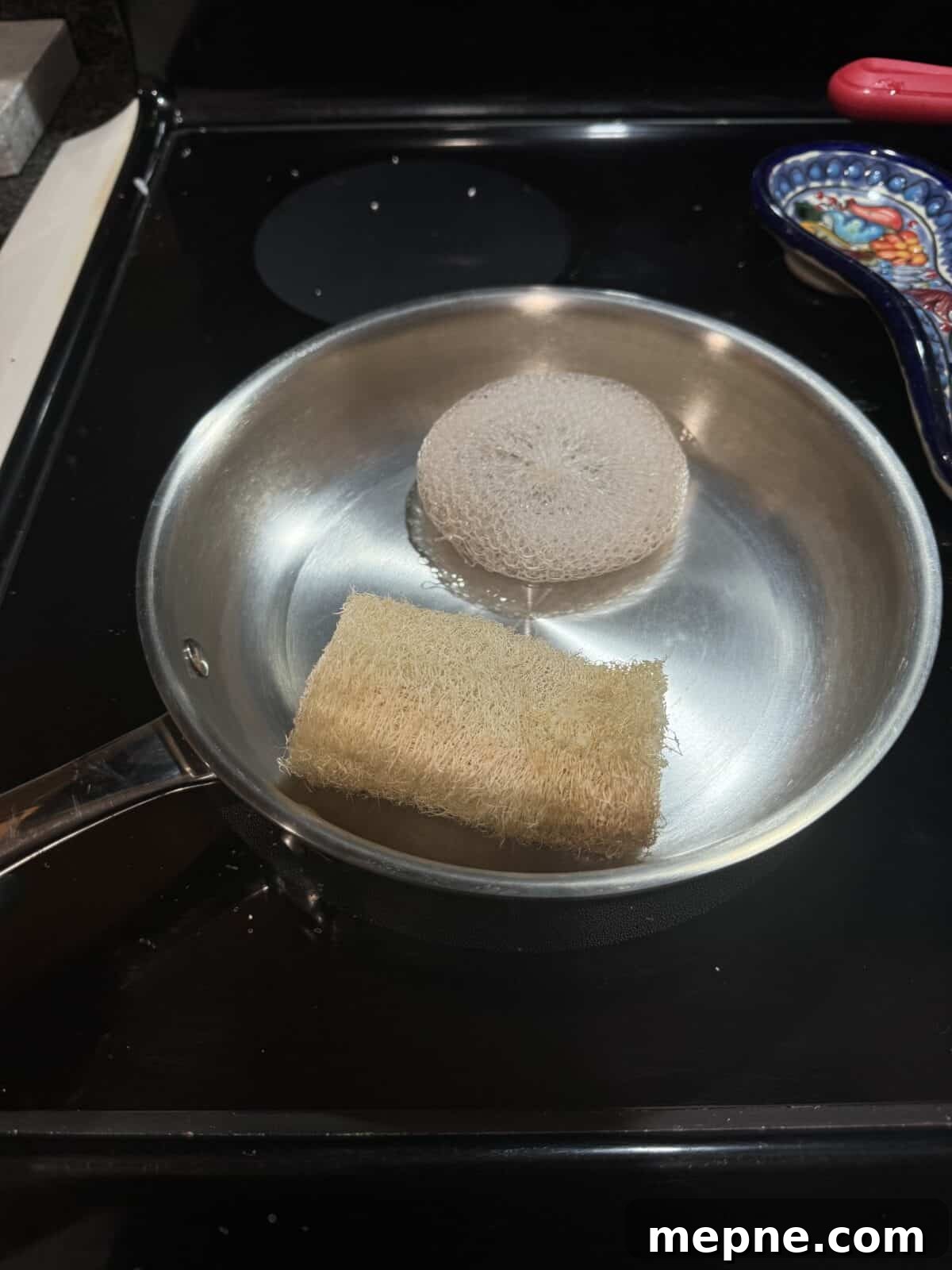
- Choose sustainable scrubbers like coconut scourers or Swedish dishcloths for regular cleanups; avoid detergent residues when wiping out pans between uses.
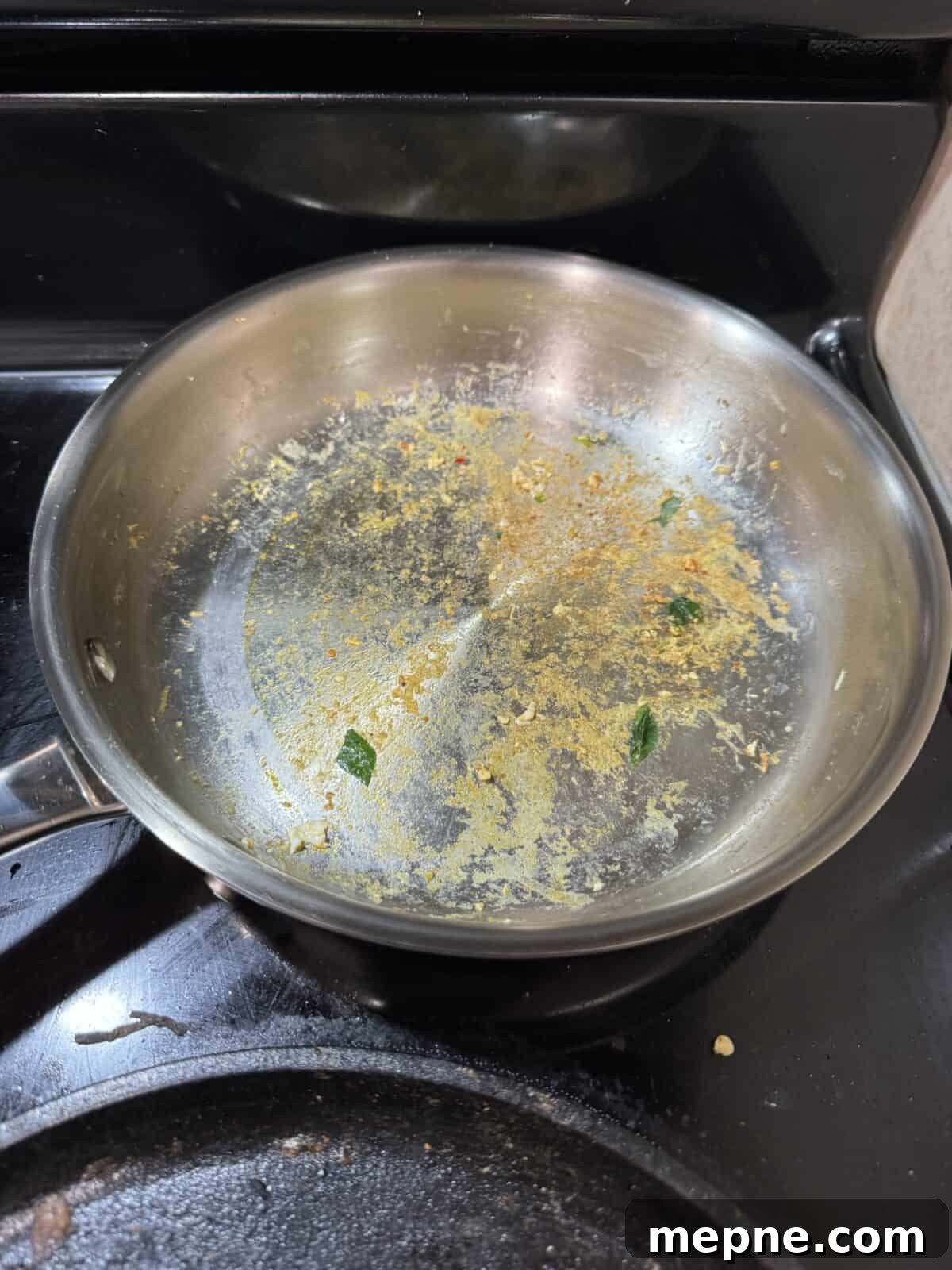
My 360 Cookware thoughts: Let’s talk about the products
Discount note: If you shop, use code THEFILTERY for 15% off cookware and bakeware only (slow cookers excluded).
8.5” Fry Pan
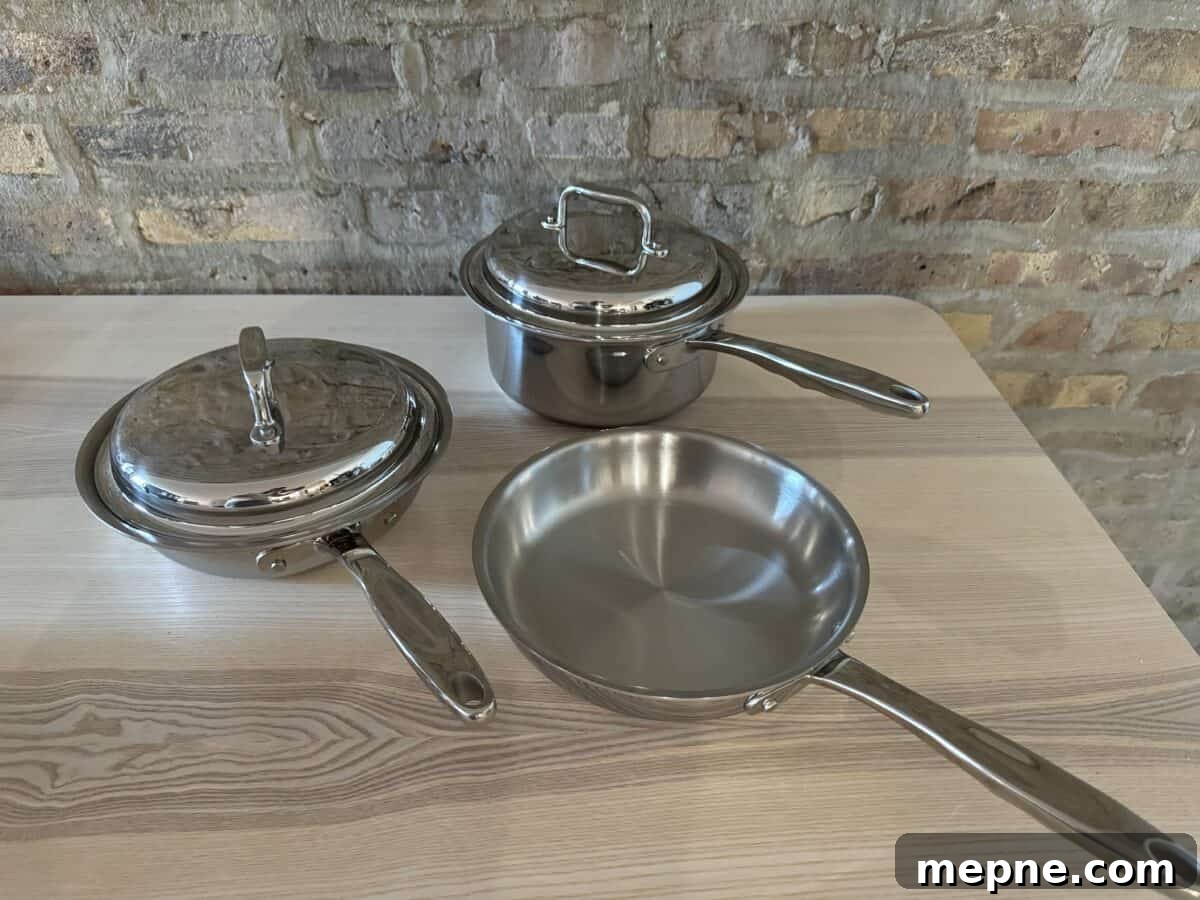
- Price: $119
- Would I buy it again? Definitely.
This pan is an everyday essential for me. It’s great for eggs once you master temperature control, cooks vegetables quickly and crisply, and is easy to clean when you use the correct heat and preheat routine. Rice can be tricky in smaller pans and may require extra attention.
4 Quart Slow Cooker
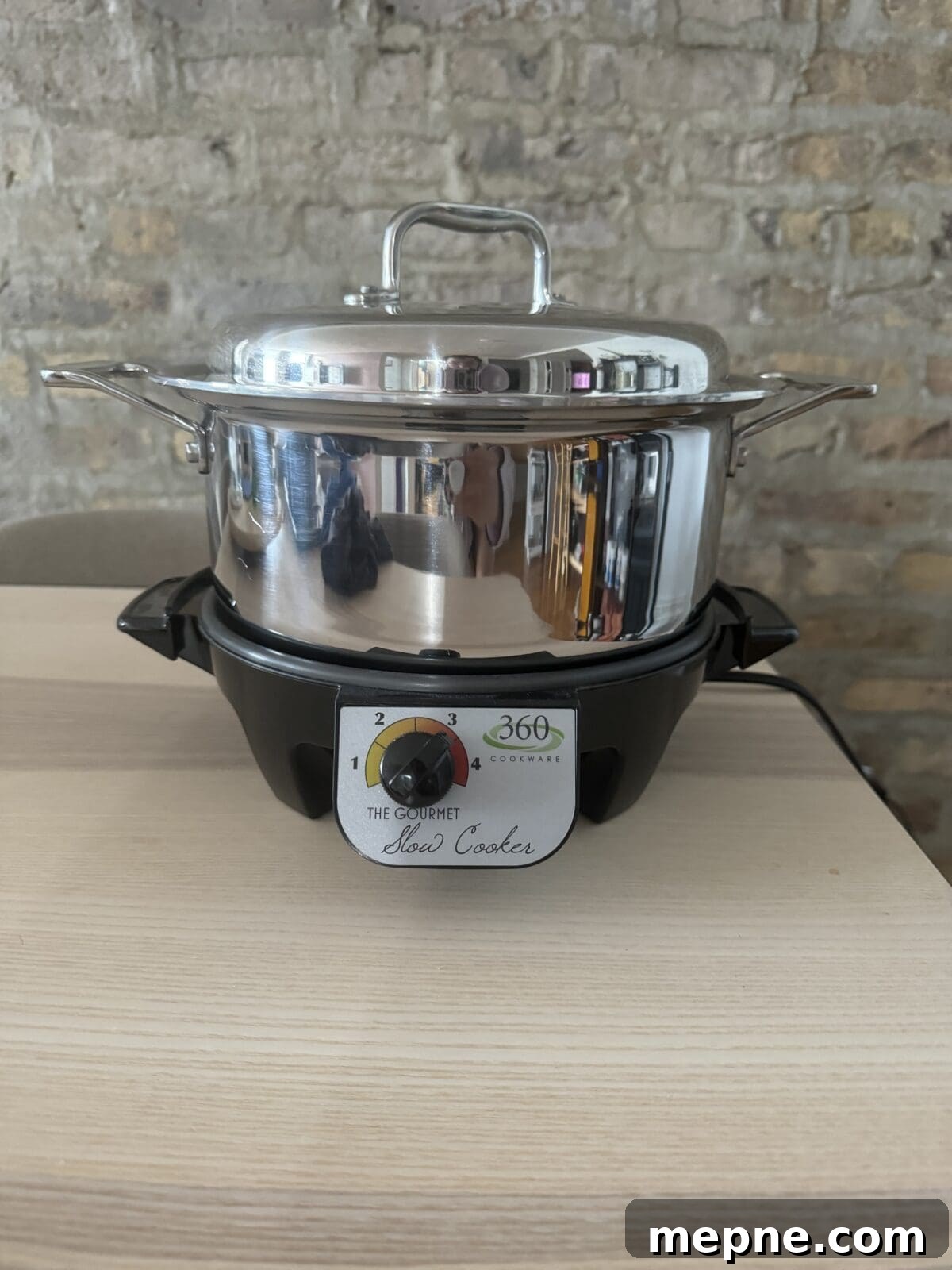
- Price: $359
- Would I buy it again? Definitely.
The slow cooker is luxurious compared with my old crockpot. The removable pot doubles as a stovetop stockpot, and grease and residue cleaned easily after prolonged sitting. The unit powers on when plugged in (no dedicated off switch), which took a little getting used to.
3 Quart Saucepan with Cover
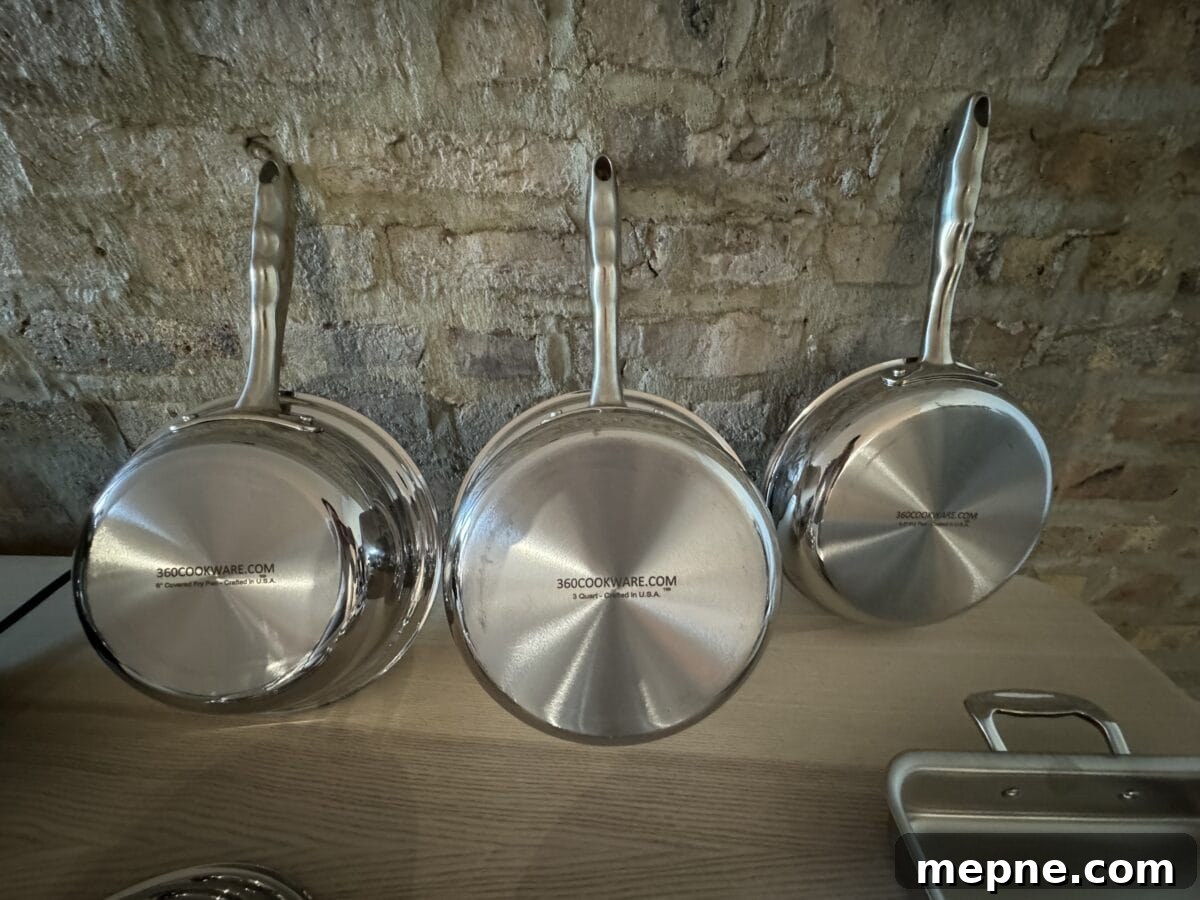
- Price: $219
- Would I buy it again? Definitely.
This saucepan is a kitchen workhorse: lightweight, easy to maneuver, and versatile. Refried beans cooked faster than in other pots. Minimal sticking or staining with normal care.
9×13” Bake & Roast Pan (with handles)
- Price: $179
- Would I buy it again? Definitely.
A versatile, lightweight pan with excellent handles. It’s ideal for sheet-pan style cooking and cleans easily. It can scratch with use, but that doesn’t affect performance.
8” Covered Fry Pan
- Price: $209
- Would I buy it again? Probably not.
This was my least favorite piece. Its narrow base made it harder to use and food stuck more readily than in other pans. It might work for some cooks, but it didn’t suit my kitchen routines.
Mini Jelly Roll Pan
- Price: $99
- Would I buy it again? Probably not.
Adorable and well-made, but I don’t use it often. It worked fine for bacon and small baked goods but the low sides limit some baking uses.
My thoughts on 360 Cookware as a brand
Business and production: I like supporting a family-owned brand that manufactures primarily in the U.S. Their products feel well-built: even, lightweight, and sturdy. They use a dry sanding finish and state they have no chemical emissions from their facility, and they are vocal about being 100% PFAS-free.
- Construction: Tri-ply design with a full-wrap aluminum core for even heat distribution.
- Materials: Surgical-grade cooking surface and magnetic exterior for induction compatibility.
- Allergies: Not recommended for severe nickel allergies, as stainless steel contains nickel.
- Warranty: Lifetime warranty against defects (not covering normal wear or misuse).
Sustainability caveats: While many positive claims appear on their materials and manufacturing, some sustainability statements felt overstated without public, verifiable details. For example, claims that products have “zero chance” of reaching landfills or that manufacturing leaves “no carbon footprint” are bold and would benefit from transparent supporting information such as recycling programs, take-back options, or energy sourcing details.
Final thoughts
Switching to stainless steel was worth it for me. These pans are now my preferred cookware and I’ll continue adding pieces to my collection. Stainless steel isn’t perfect for everyone: it takes time, attention, and a modest investment. If you’re ready to learn, 360 Cookware is a strong, PFAS-free option and one I’d recommend to friends and family.
Don’t forget the code THEFILTERY for 15% off cookware and bakeware only (slow cookers excluded).
To get more non-toxic tips, greenwashing alerts, and practical advice delivered to your inbox each week, sign up for our weekly newsletter.
The Filtery is an independently owned and run small business. If you find this content helpful and want to support accessible, human-created, well-researched guidance on reducing toxins at home, consider supporting our work.