Flat or sunken muffins? If your muffins didn’t rise as expected, there are several common causes—some are simple baking mistakes, others are ingredient- or recipe-related. Below I explain the most likely reasons and offer practical tips to prevent the problem next time.
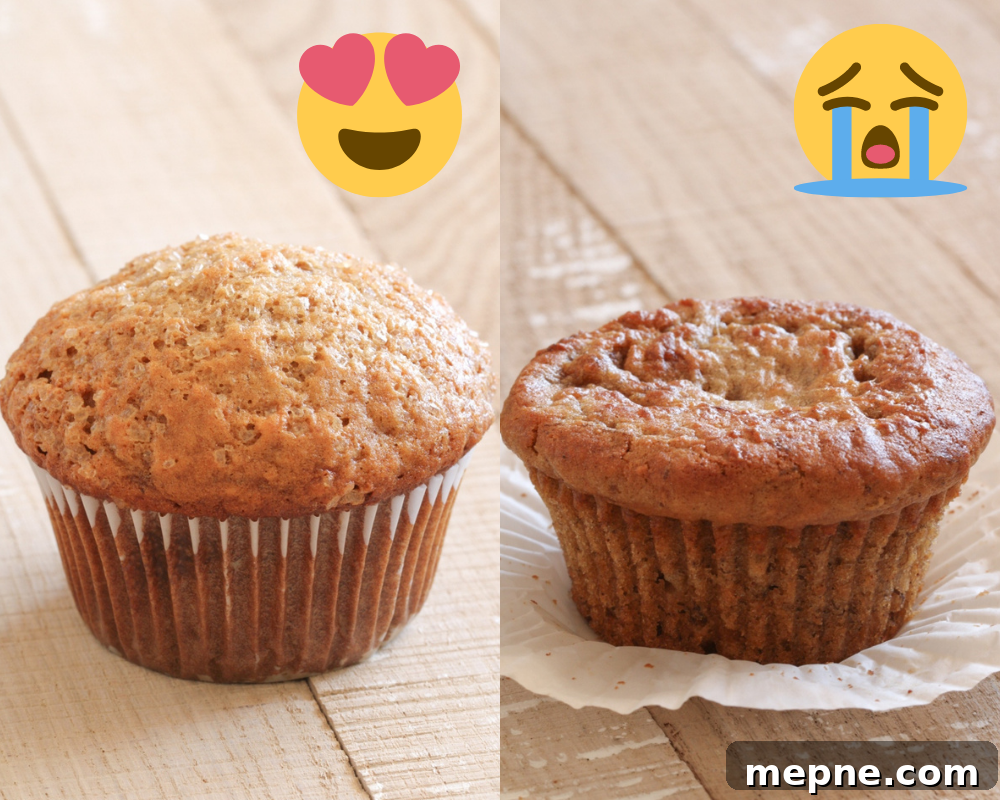
Reasons Why Muffins Don’t Rise
- Old or expired leavening (baking soda or baking powder)
- Incorrectly substituting baking powder for baking soda
- Leavening measured wrong or omitted
- Using fewer eggs than the recipe calls for
- Overmixing the batter
- Undermixing the batter
- Too much flour
- Oven wrong temperature or not fully preheated
- Limitations of the recipe itself
Old or Expired Leavening Ingredients
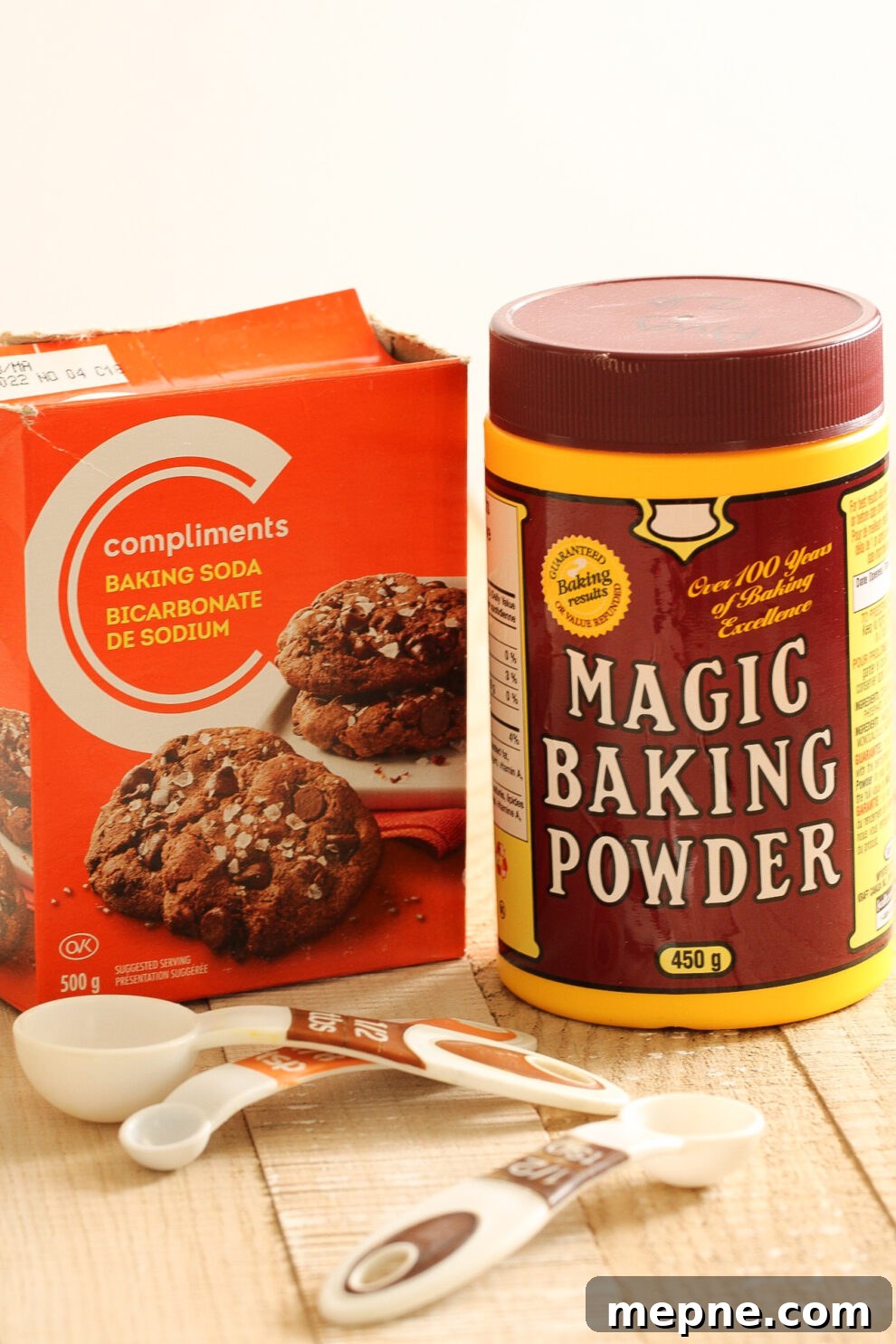
Leaveners lose potency over time, especially after opening and when exposed to moisture. If you bake infrequently you may be using baking powder or baking soda that no longer reacts fully. Old baking powder often still creates some lift but not enough for a proper rise. Baking soda can stay useful for many months if stored well, but its strength diminishes.
Tip: Store baking soda and baking powder in a cool, dry place, write the date you opened them on the container, and replace them annually if you bake infrequently.
Mixing Up Baking Soda and Baking Powder
Baking soda is roughly 3–4 times stronger than baking powder, so they are not directly interchangeable. If you must substitute, you’ll typically need 3–4 teaspoons of baking powder for every 1 teaspoon of baking soda called for, but results may still differ. Substituting changes not only rise but also texture, color, and taste because these ingredients react differently.
Wrong Measurements or Omitted Leavening
Leavening creates the gas that expands the batter. If you measure incorrectly or forget an ingredient your muffins will be flat. Double-check the recipe and your measuring tools before you mix.

Using Fewer Eggs Than Required
Eggs trap air and give structure and lift during baking. Using even one less egg than a recipe specifies can reduce volume and prevent proper rise. Follow the egg quantity in the recipe unless you have a tested substitution plan.
Tip: Use the exact number of eggs the recipe requires for consistent rise and texture.
Too Much Flour
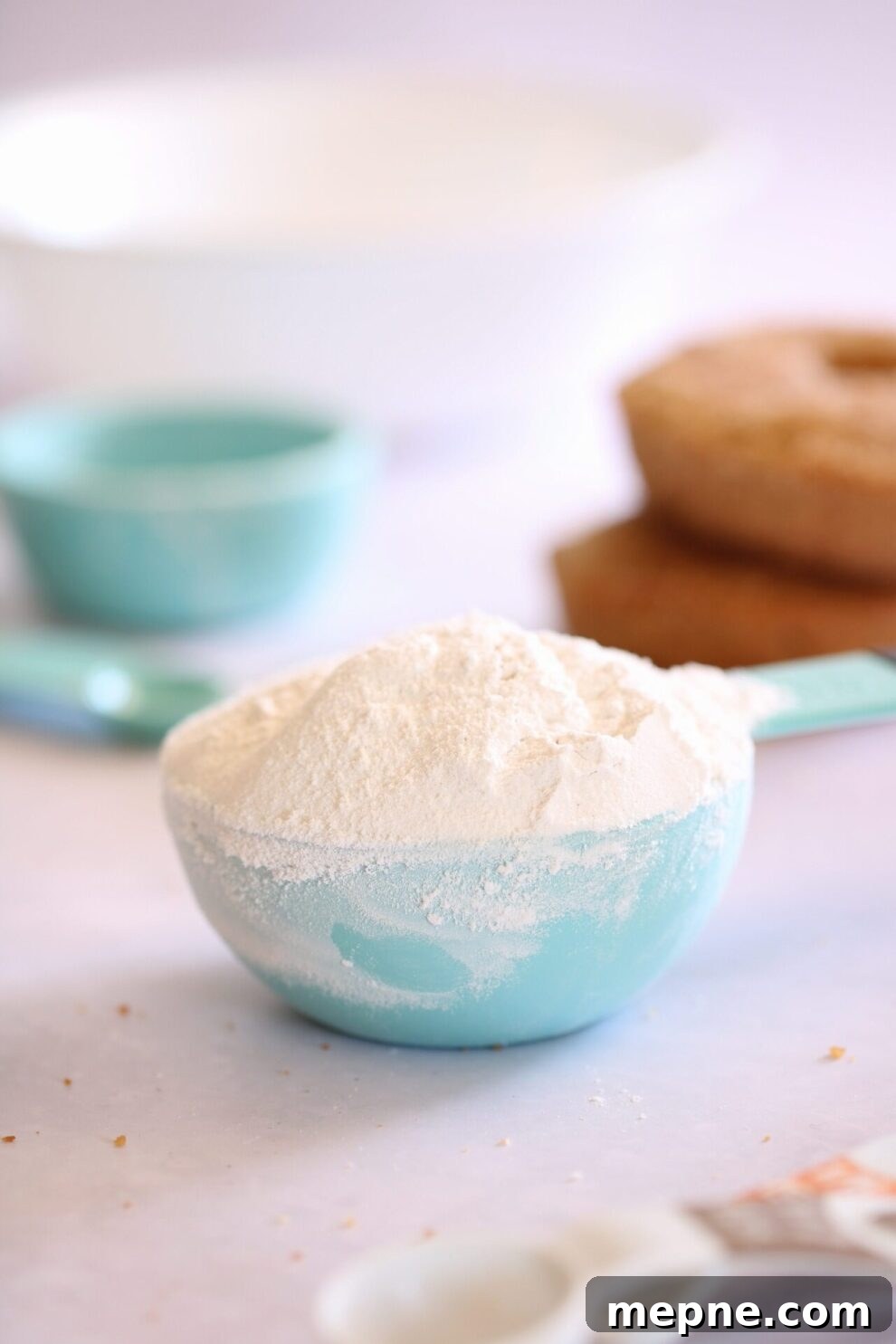
Adding extra flour upsets the balance of liquid, fat, and leavening. Too much flour makes the batter heavy and dense, which prevents it from rising properly. The common cause is packing flour into the measuring cup instead of spooning it in.
Tip: Unless a recipe specifies otherwise, spoon flour into the measuring cup and level it off—don’t pack it down.

Overmixing the Batter
Mixing flour with liquid develops gluten. Too much mixing creates strong gluten bonds, making the batter tough and heavy so it won’t rise properly. Overmixed muffins can also turn out rubbery or dense.
Tip: Mix just until no dry streaks remain. A few lumps are fine; that’s better than overworked batter.
Undermixing the Batter
Though less common, undermixing causes uneven distribution of ingredients. That can produce muffins that rise irregularly, with pockets of dry flour or liquid. Aim for a consistent batter with no visible streaks of dry ingredients.
Oven Temperature and Preheating
Leavening agents require sufficient heat to react and release gas. If the oven isn’t fully preheated or the temperature is too low, the batter may not reach the internal temperature needed to set and rise. For many batters, an internal temperature of around 170°F (76.6°C) or higher is needed to finish the leavening process.
Tip: Preheat the oven to the correct temperature and verify it with an oven thermometer if you suspect your oven runs hot or cold.
Issues with the Recipe Itself
Some recipes are designed to produce flatter muffins—thin, runny batters rarely create tall domes and often collapse after leaving the oven. If your muffins rise and then sink, or never develop tops, it might be the recipe rather than your technique.

Insufficient Filling: If the recipe yields less batter than needed for full muffin cups, the muffins will be small and flat. Choose recipes that specify the yield and bake accordingly.
Tip: Read the recipe fully and check user notes or reviews when possible so you know what to expect before you bake.
Changing the Yield
Altering the yield changes muffin size and rise. If a recipe makes 12 muffins and you try to make 18, each muffin will be smaller and likely flatter. Stick to the intended yield or scale ingredients proportionally and understand the results may vary.

For reliably domed muffins, use a tested bakery-style recipe that produces thick batter and full muffin cups. Consistent measurements, correct leavening, proper mixing, and an accurate oven temperature together deliver the best results.
© Beat Bake Eat. All images and content are copyright protected. Unauthorized use and/or duplication of this material without written consent from the site’s author and/or owner is strictly prohibited.