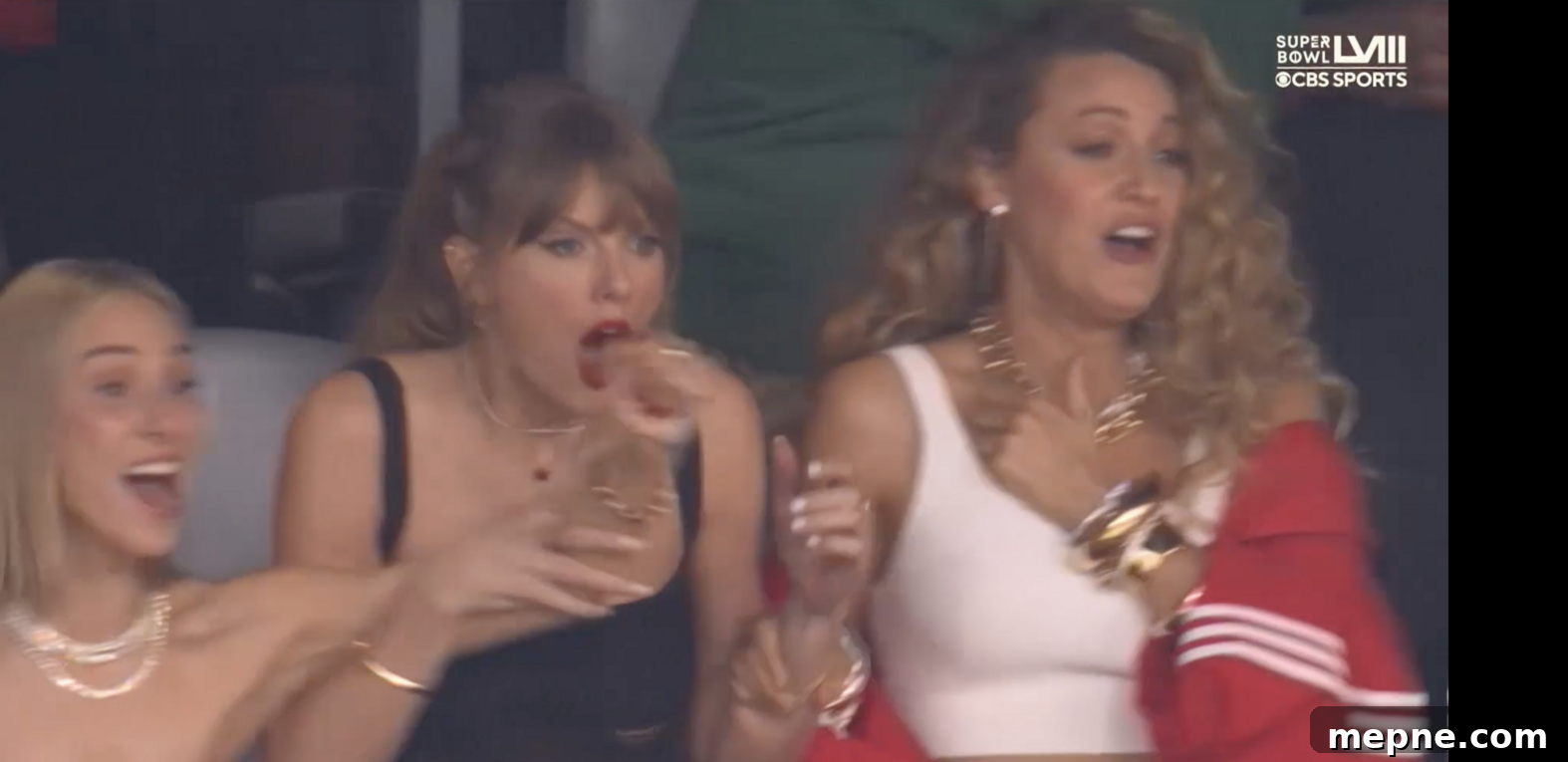
Super Bowl LVIII has come and gone, and for many viewers the biggest talking point wasn’t the final score or the halftime show but how often Taylor Swift appeared on screen. If you were watching for Swift, the frequent shots of her in the stands were a highlight; if you were watching strictly for the football, they were a distraction.
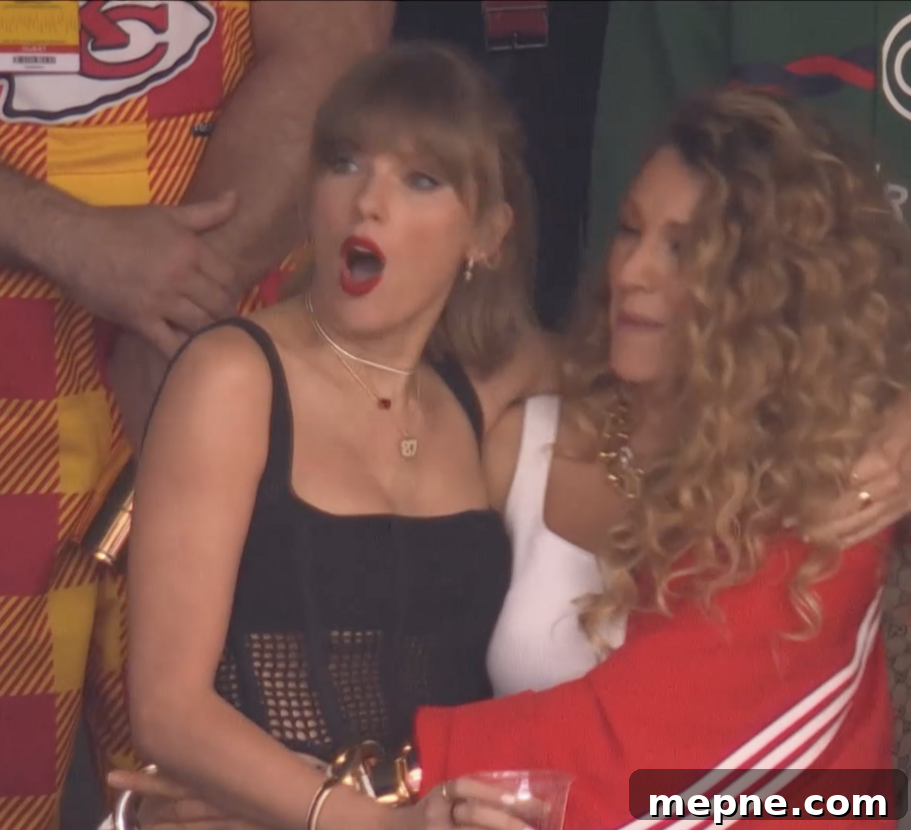
Taylor Swift’s presence has coincided with a noticeable shift in NFL audiences. The pop star’s public interest in the league has introduced many new viewers, particularly young women and girls, and has been credited with helping expand the NFL’s fan base beyond its traditional demographics.
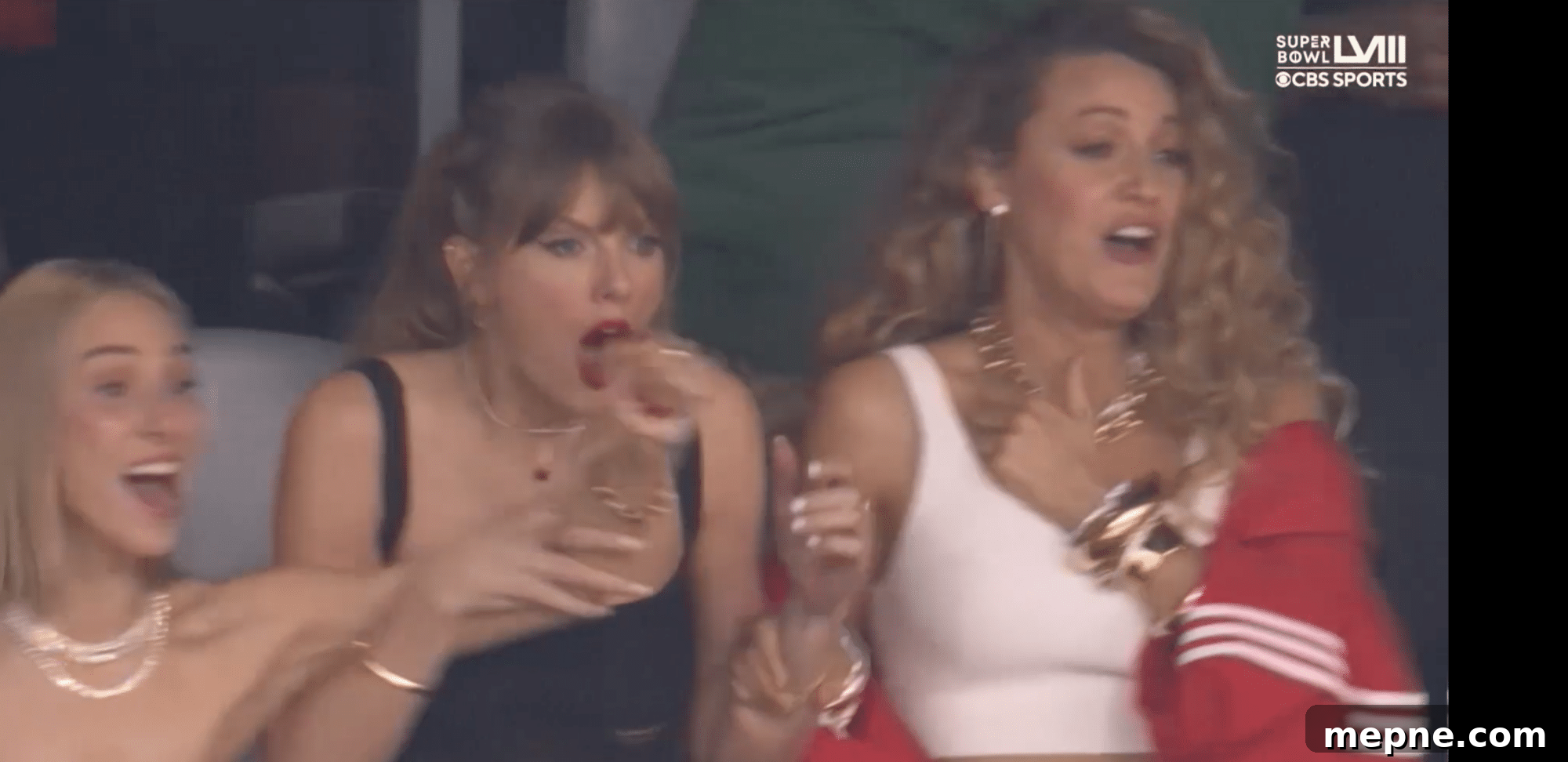
Industry observers have dubbed this effect the “Swift bump.” Analysts point to measurable changes: sponsorship interest has reportedly risen by roughly 20 percent since her increased visibility around NFL events, while viewership among teenage girls has soared—reported as a 53 percent increase—and the 18–24 age bracket has grown by about 24 percent. Those shifts are significant for advertisers and the league, which are always seeking ways to broaden their audience.
NFL Commissioner Roger Goodell acknowledged the trend during a pregame news conference, noting that Swift’s attendance creates a new conversation about the league and attracts fans who might otherwise not tune in. “Obviously, it creates a buzz,” he said. “It creates another group of young fans, particularly young women, that are interested in seeing why is she going to this game, why is she interested in this game besides Travis. She is a football fan.”
“Obviously, it creates a buzz,” he said. “It creates another group of young fans, particularly young women, that are interested in seeing why is she going to this game, why is she interested in this game besides Travis. She is a football fan.”
The visibility of a high-profile celebrity at a major sporting event inevitably provokes strong reactions on social media. Some viewers embraced the attention, creating lighthearted drinking games and memes counting each camera cut to Swift. Others criticized the broadcast decisions, arguing that too many camera cuts to the stands interrupted the flow of game coverage and distracted from the on-field action.
That split reaction highlights a broader tension for live sports broadcasters: balancing human-interest elements that draw casual viewers with in-depth coverage that longtime fans expect. Celebrity shots can attract a new audience and generate additional sponsorship value, but they can also lead to complaints from viewers who want more focus on plays, strategy and commentary.

Not everyone is thrilled with the trend. Across social platforms and in opinion pieces, some fans have expressed fatigue at seeing Swift repeatedly highlighted during NFL broadcasts. Their critiques range from annoyance at perceived overexposure to concerns that focusing on celebrities detracts from the competitiveness and pacing of the sport itself.
Supporters of the increased coverage point out that sports leagues and networks are trying to grow audiences in a fragmented media landscape. When a global superstar draws attention, publishers and advertisers take notice. For the NFL, this can mean tapping new revenue streams and cultivating long-term fans who might start watching because of a celebrity and stay for the game.
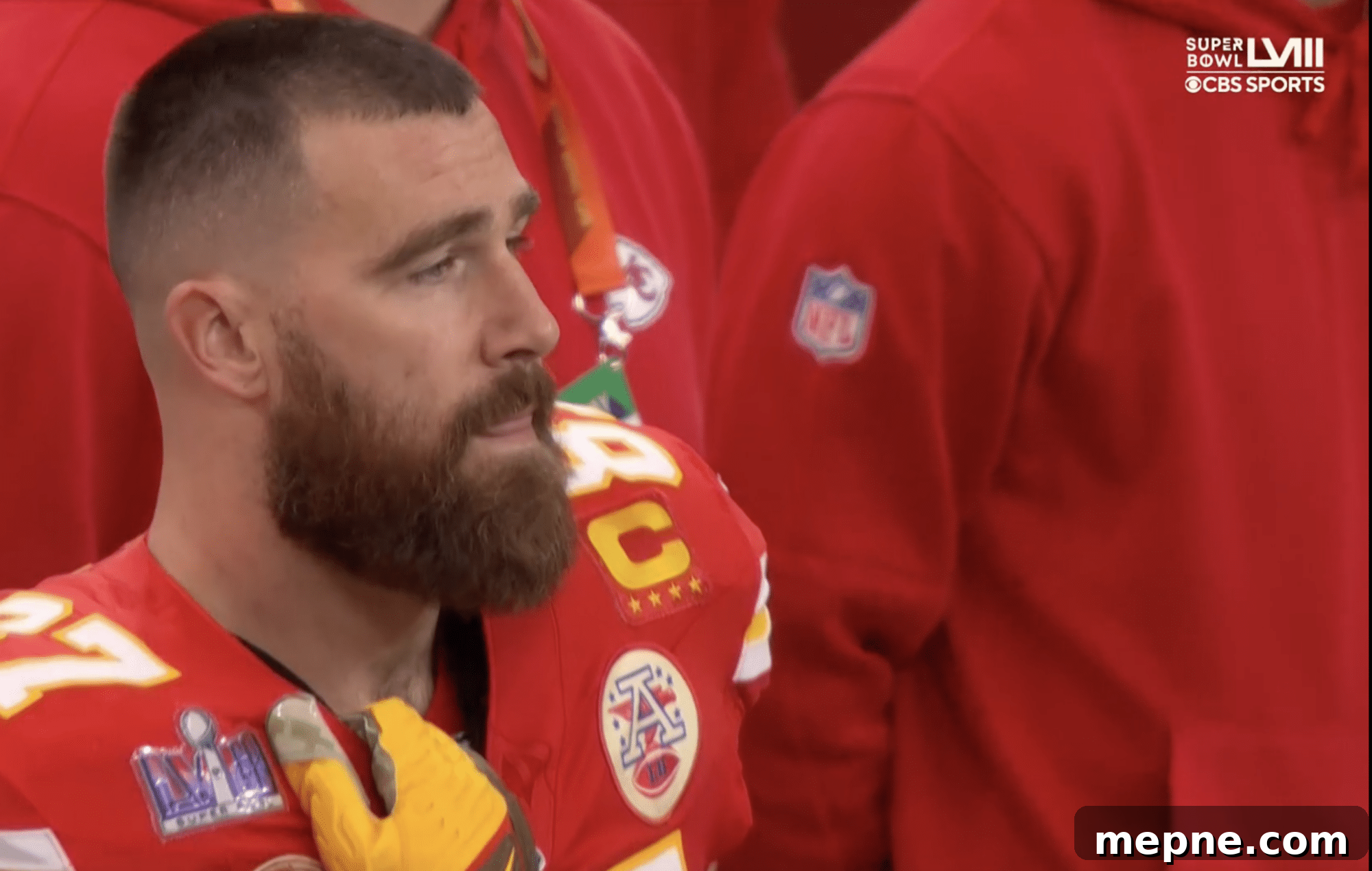
So, exactly how many times was Taylor Swift shown during the Super Bowl?
Counting camera cuts and clear close-ups, Taylor Swift appeared on screen 13 times during Super Bowl LVIII. Viewers who were keeping track found themselves divided—some logged each appearance for fun, others used the tally as a barometer for how much the broadcast prioritized celebrity shots over the action on the field.
Whatever one’s take, the episode underscores how celebrity influence intersects with major sporting events. The “Swift bump” has tangible implications for audience demographics, sponsorship interest and broadcast strategy. Going forward, broadcasters and leagues will likely weigh these trade-offs carefully as they try to expand the fan base while keeping traditional viewers satisfied.
Ultimately, the conversation isn’t just about a single star or a single game; it’s about how live sports evolve in a media era shaped by celebrity culture, social media and changing viewer habits. For the NFL, the immediate benefit is clear: a surge in new attention and engagement. The longer-term challenge will be converting that attention into sustained interest in the sport itself.