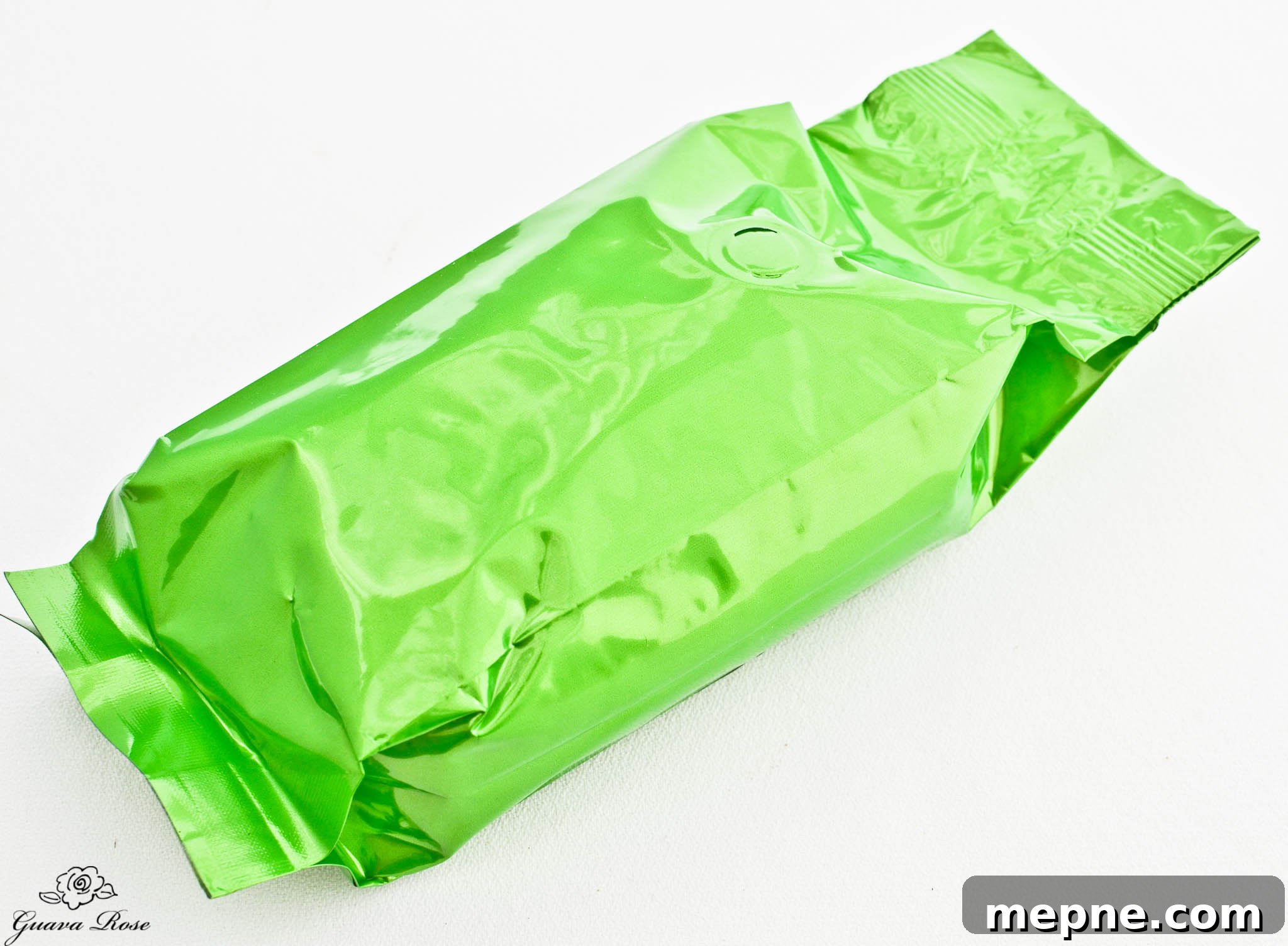
Vacuum‑sealed Pa’i’ai delivered right to my mailbox in a priority USPS envelope
I’ve been experimenting in the kitchen with fresh Pa’i’ai sent from Mana Ai in Hawaii.
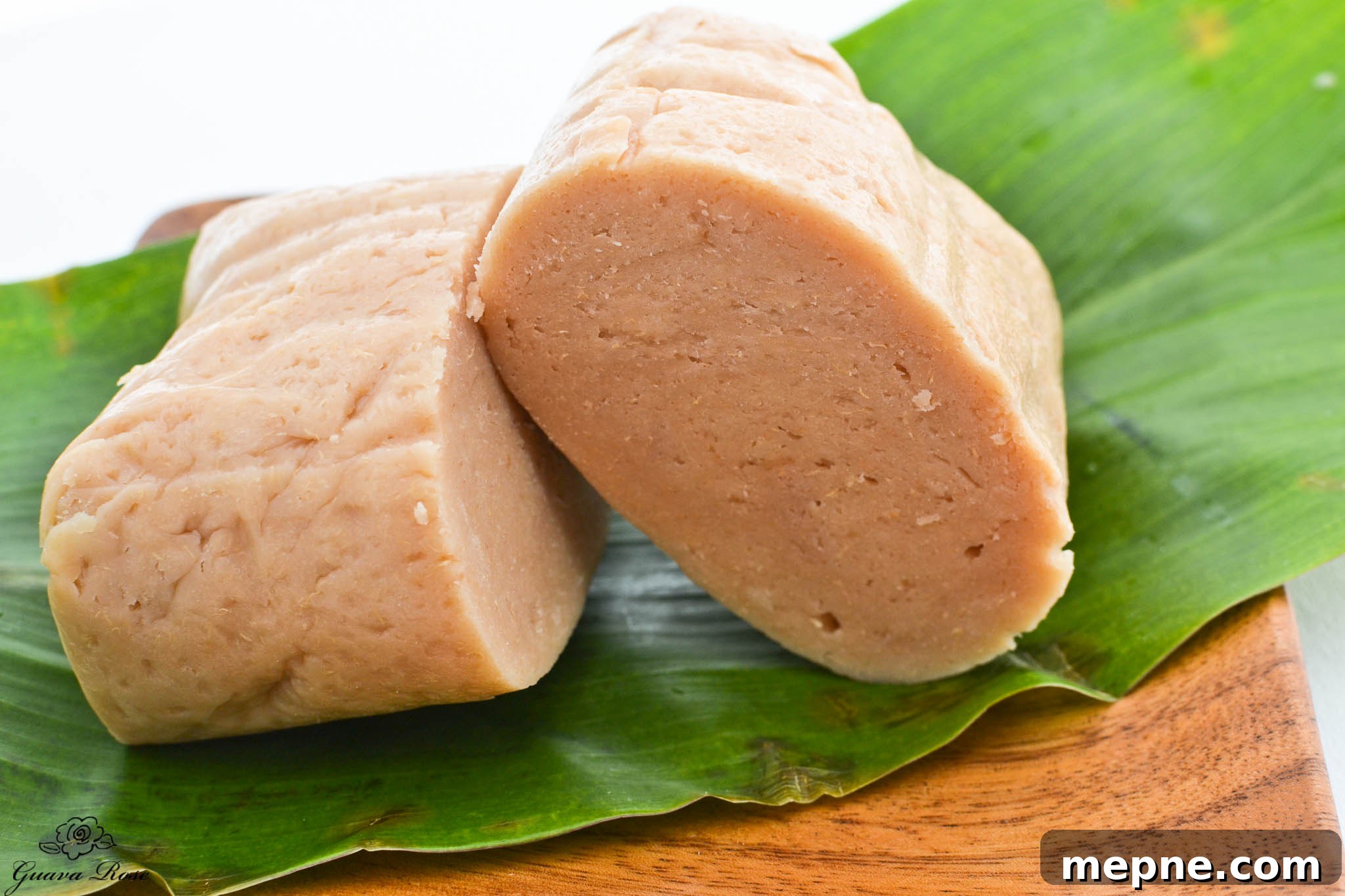
What is Pa’i’ai? It’s simply hand‑pounded, cooked taro root—traditional, nutrient‑dense, and versatile.
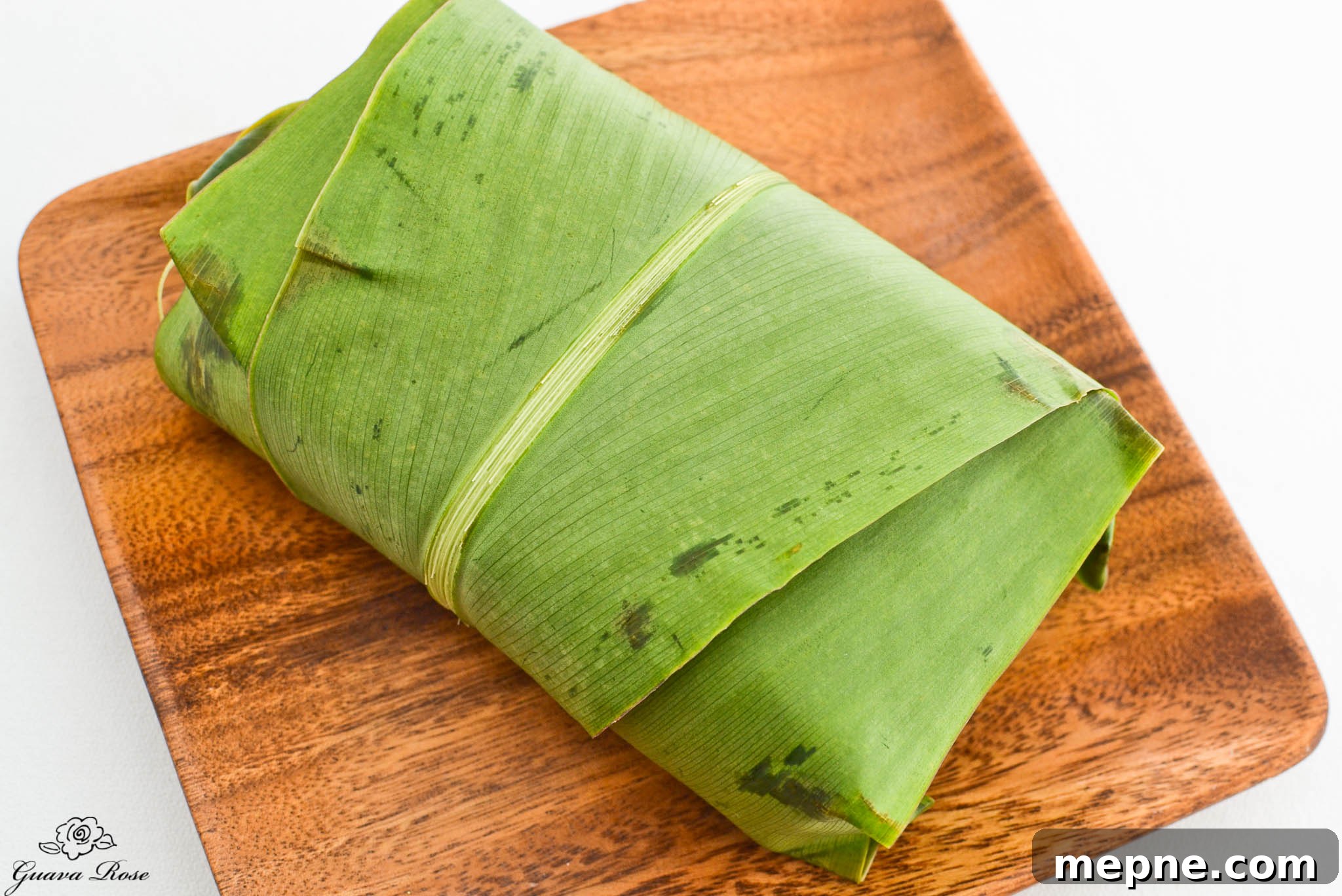
Open the vacuum bag and find fresh Pa’i’ai wrapped in ti leaves
Mana Ai uses sustainably grown premium taro sourced directly from island farmers. The product is non‑GMO and free of gluten, dairy, and soy, making it allergy‑friendly. Taro is also easy to digest, rich in potassium and fiber, and low on the glycemic index.
Premium taro is harvested at peak starch content to produce the best tasting Pa’i’ai. In contrast, mass‑market taro is often harvested overripe to accommodate mechanical harvesting, which can produce inferior flavor.
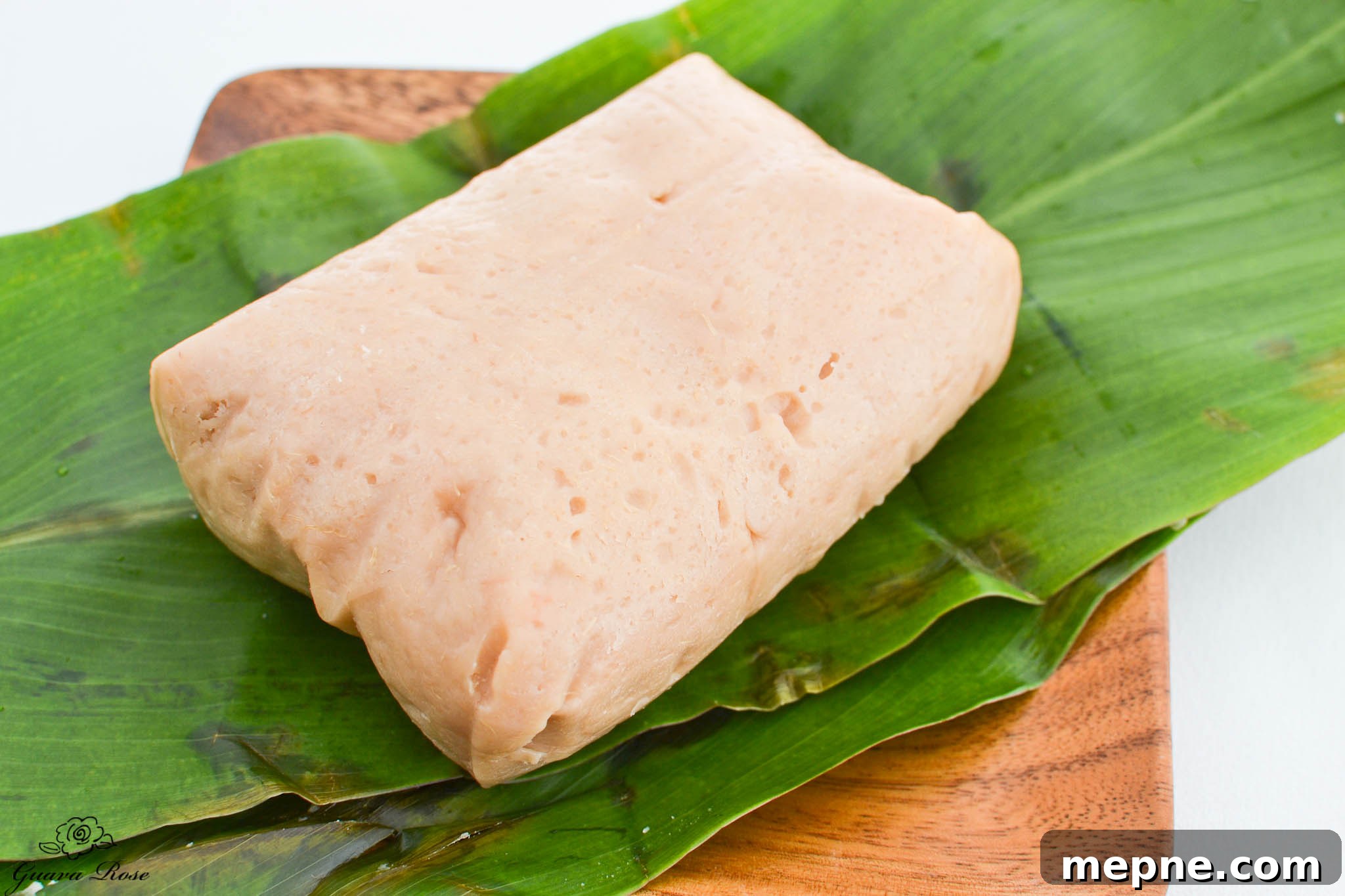
Unwrap the ti leaves to reveal a pound of fresh Pa’i’ai
From Mana Ai’s description:
After steaming and cleaning the corm, taro is pounded with minimal water on a wooden board called papa kuiai using a stone pestle, pohaku kuiai. The starch molecules are crushed and form a gummy mass—storable and travel‑ready. Historically, Native Hawaiians survived long voyages with fish from the sea and Pa’i’ai.
By crushing starch molecules, fermentation begins in a process similar to sauerkraut, kimchi, cheese, or pickled daikon. Beneficial bacteria like lactobacillus play a role in these foods. Pa’i’ai differs from poi mainly by water content: Pa’i’ai is undiluted poi, while poi is Pa’i’ai diluted with water. Both have long histories as nourishing staples.
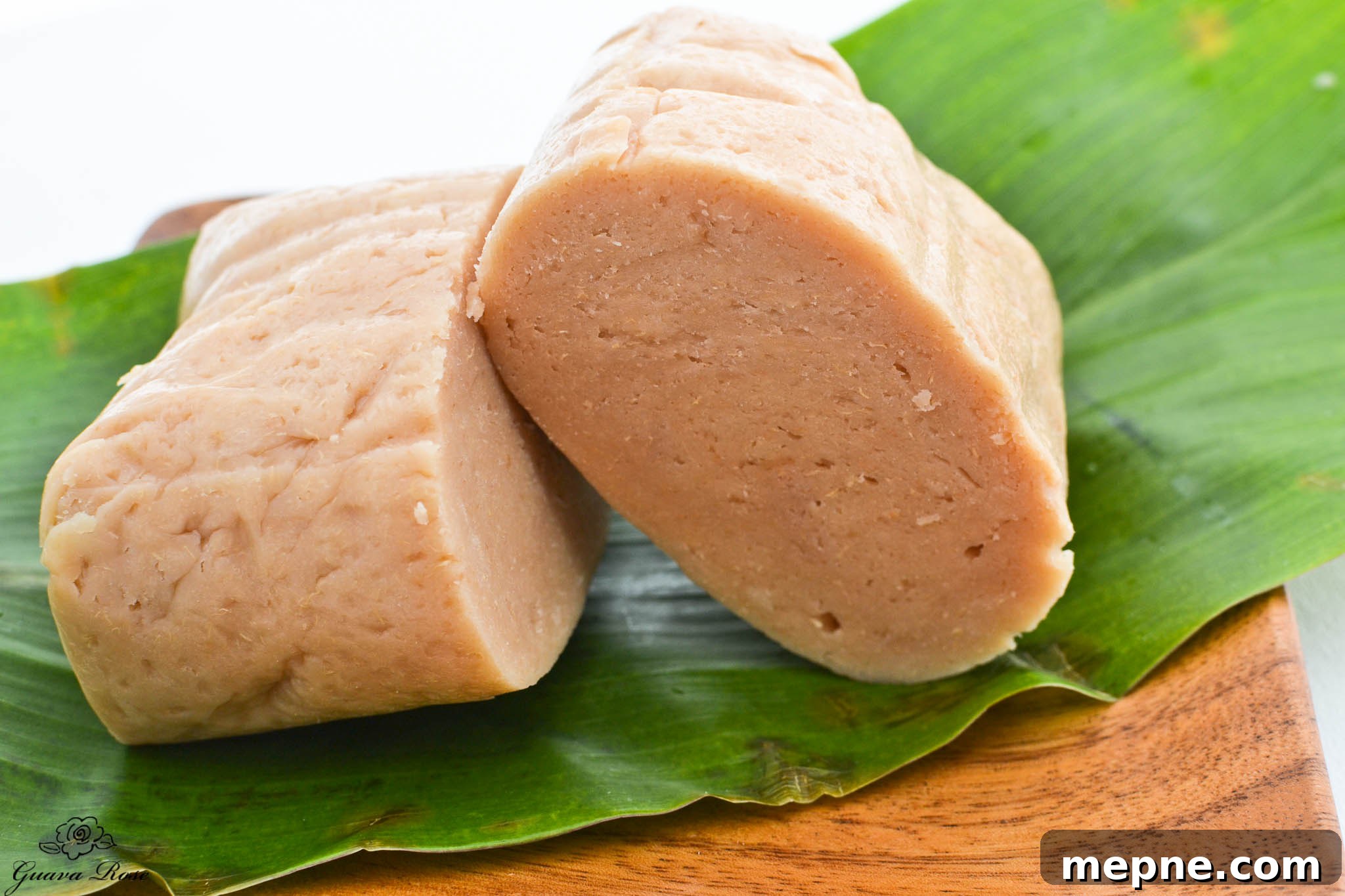
Fresh Pa’i’ai is firm yet soft in texture
Although Pa’i’ai can be preserved for months—historically useful for long canoe voyages—commercial orders are prepared fresh to order, usually cooked and pounded weekly. My package took roughly three days in transit and was about a week old when I opened it; I noticed a light, pleasant ferment aroma beginning to develop.
Mana Ai offers several appealing recipes, and I chose to try a Pa’i’ai pizza. I made a gluten‑free version using a gluten‑free flour blend and adjusted hydration slightly.
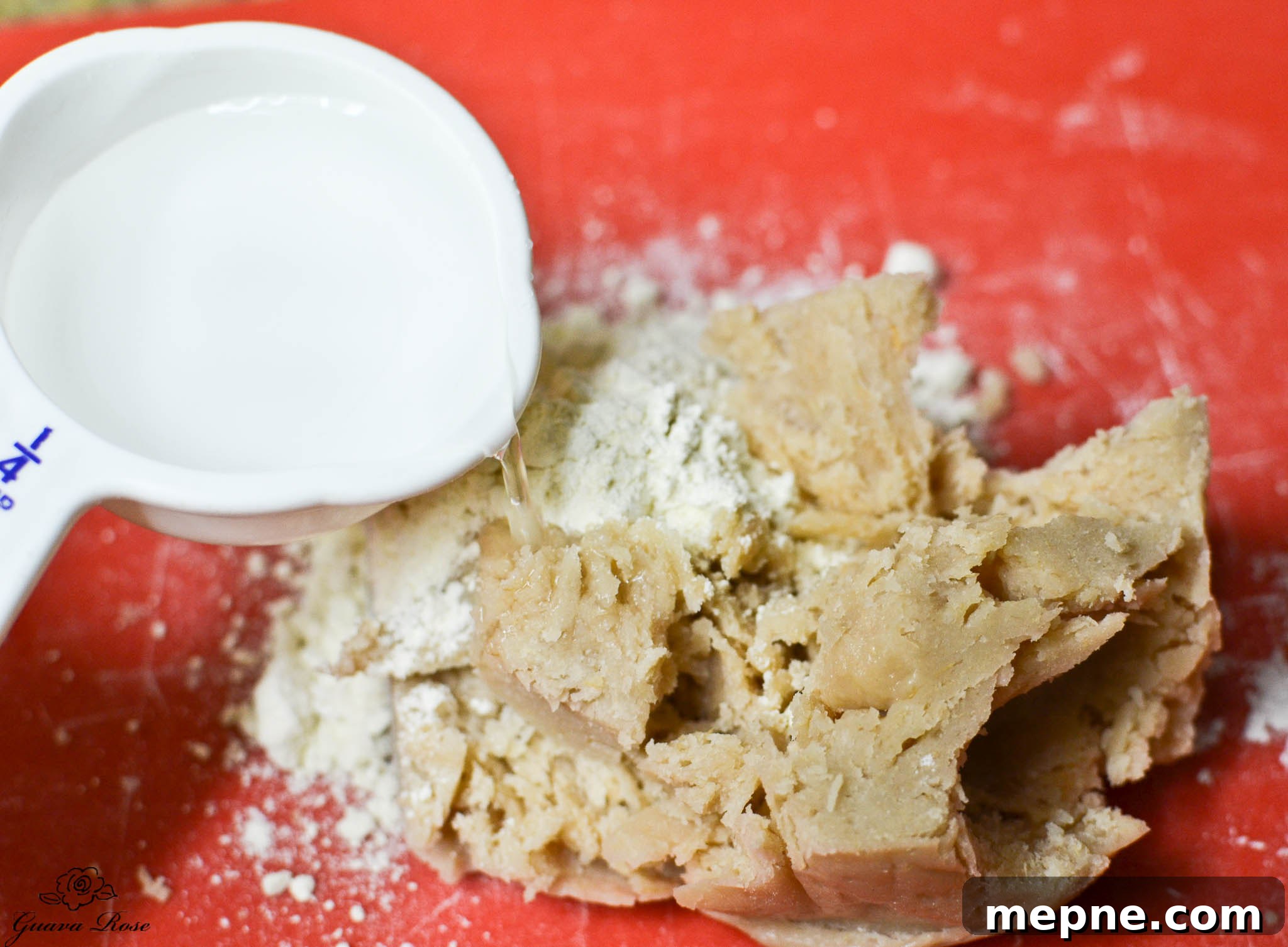
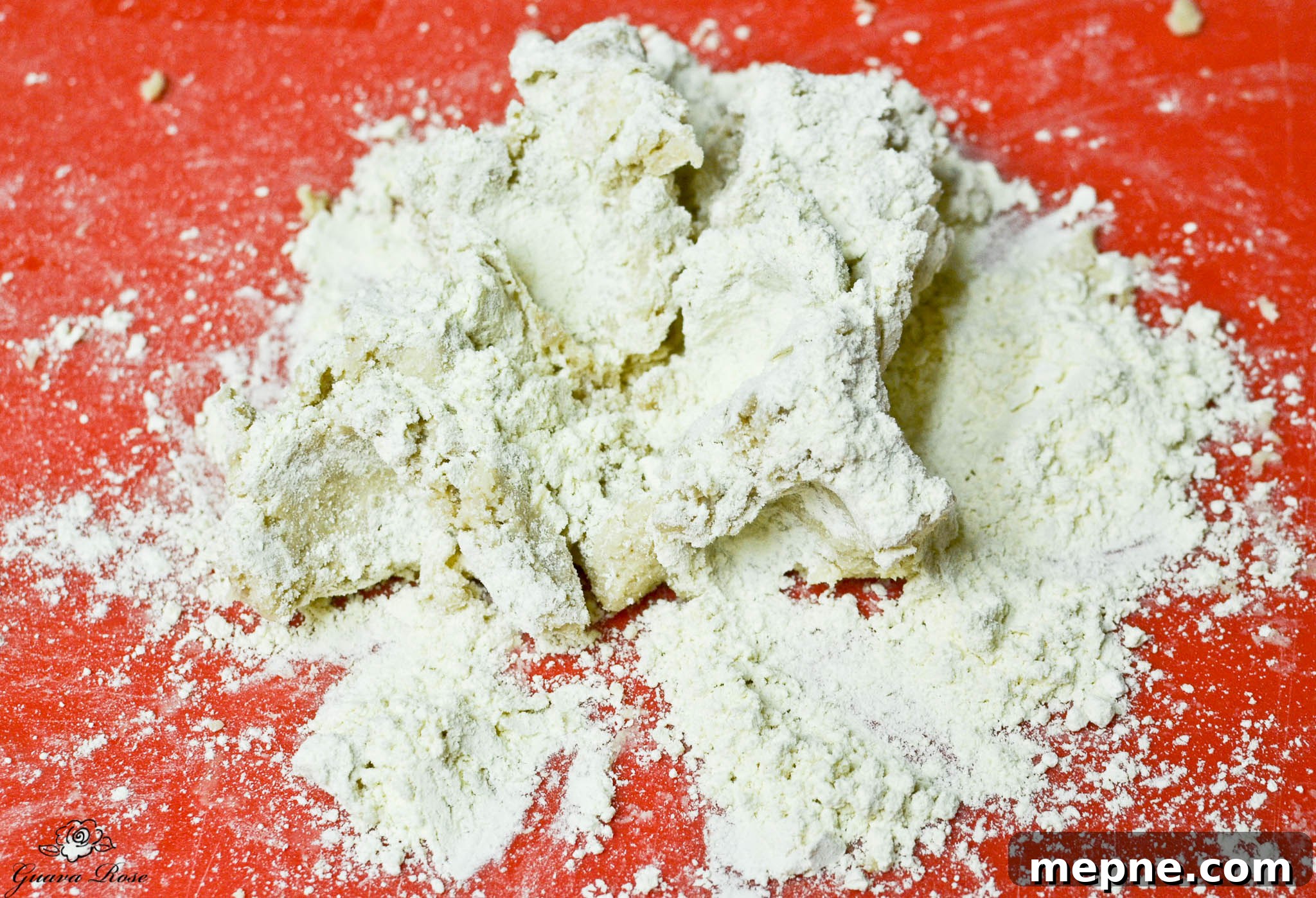
To prepare the crust, crumble the Pa’i’ai onto a floured surface and knead in flour until a workable dough forms. I added a little water because my Pa’i’ai was not freshly pounded and needed extra moisture. The goal is a dough that is no longer sticky but still tender.
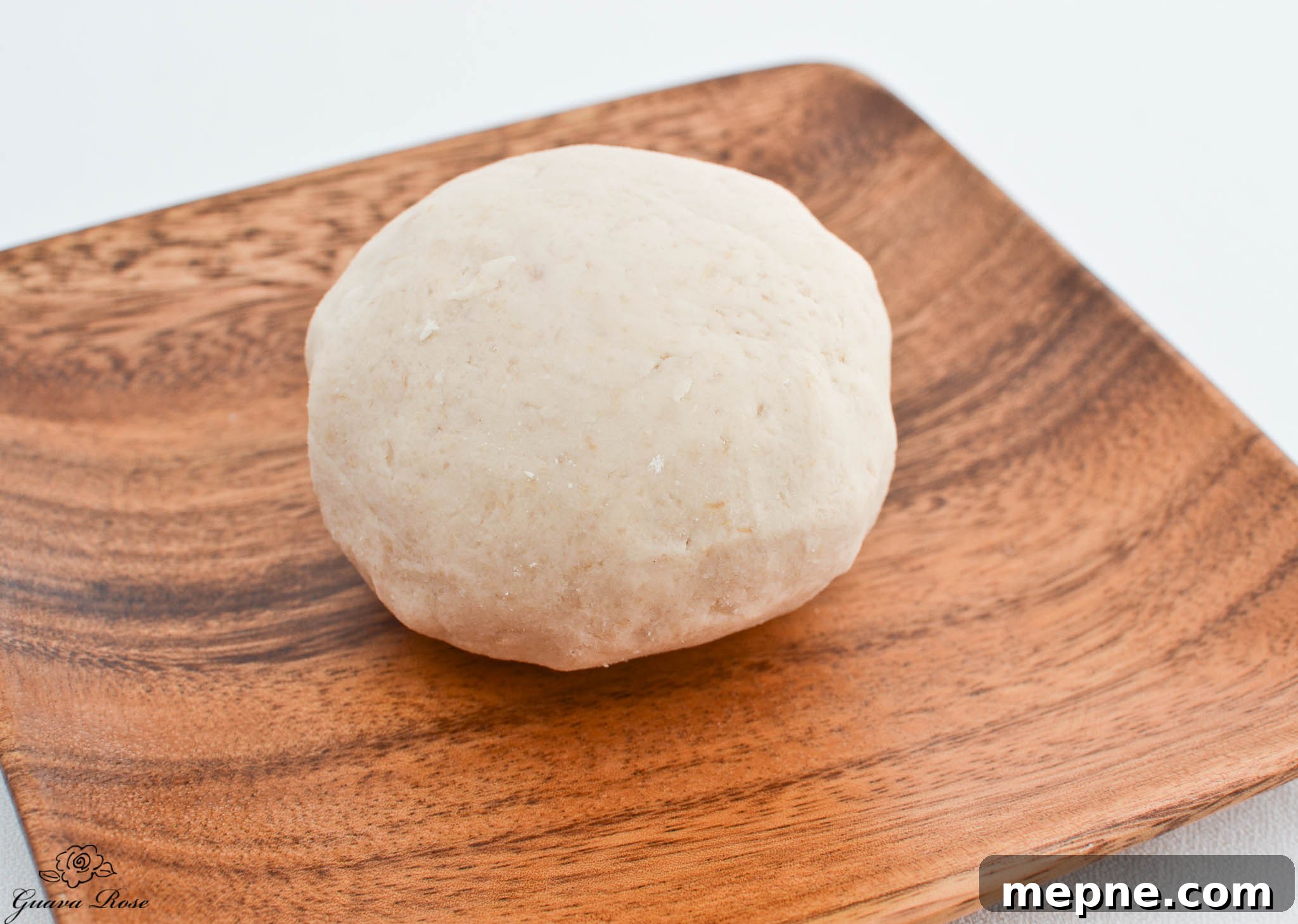
Here’s my final ball of dough—minimal flour to keep added starch low.
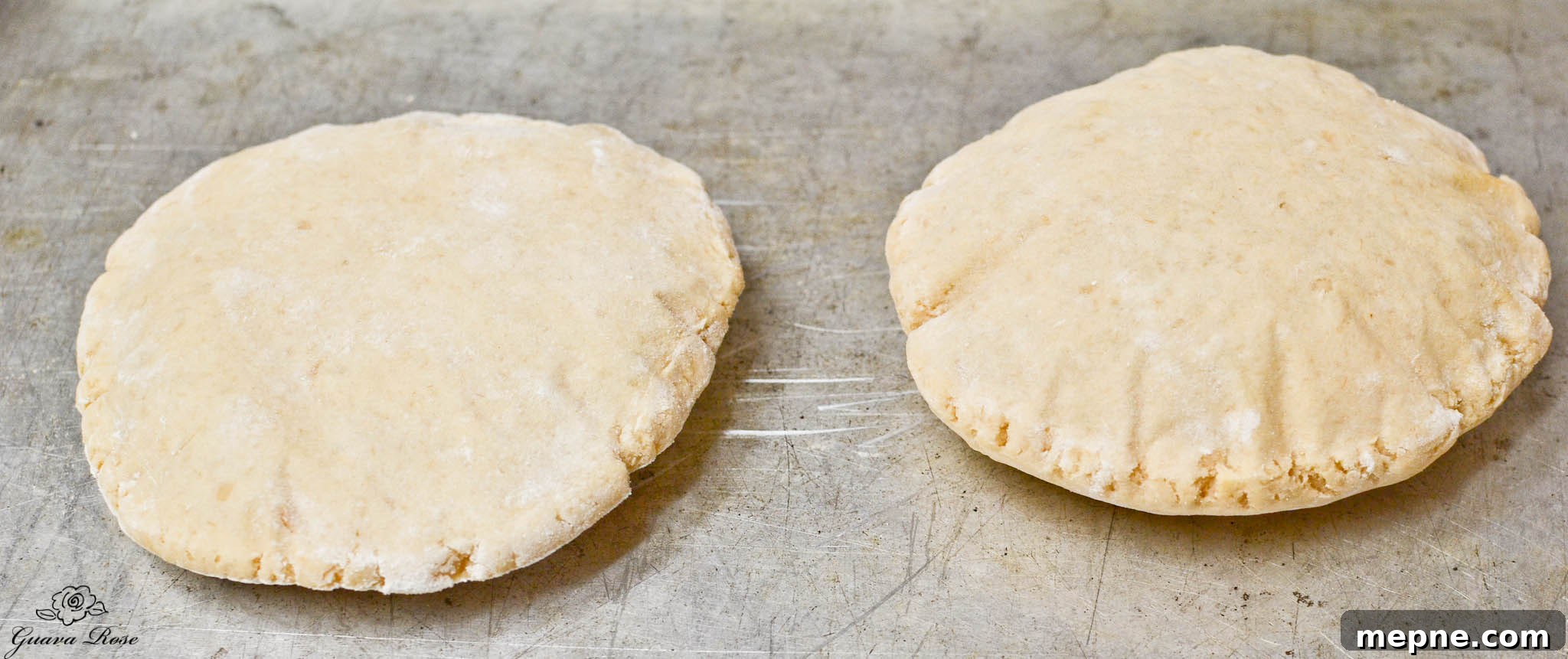
Rather than one large pie, I made personal pizzas (about 5–6″ rounds). I rolled them thinner—approximately 1/4″ thick—and prebaked at 450°F (232°C) for 10 minutes.
They puffed up similarly to mochi, so I pricked them with a fork to release extra air, then topped them with sauce, cheese, and toppings before returning them to the oven for another 10 minutes.
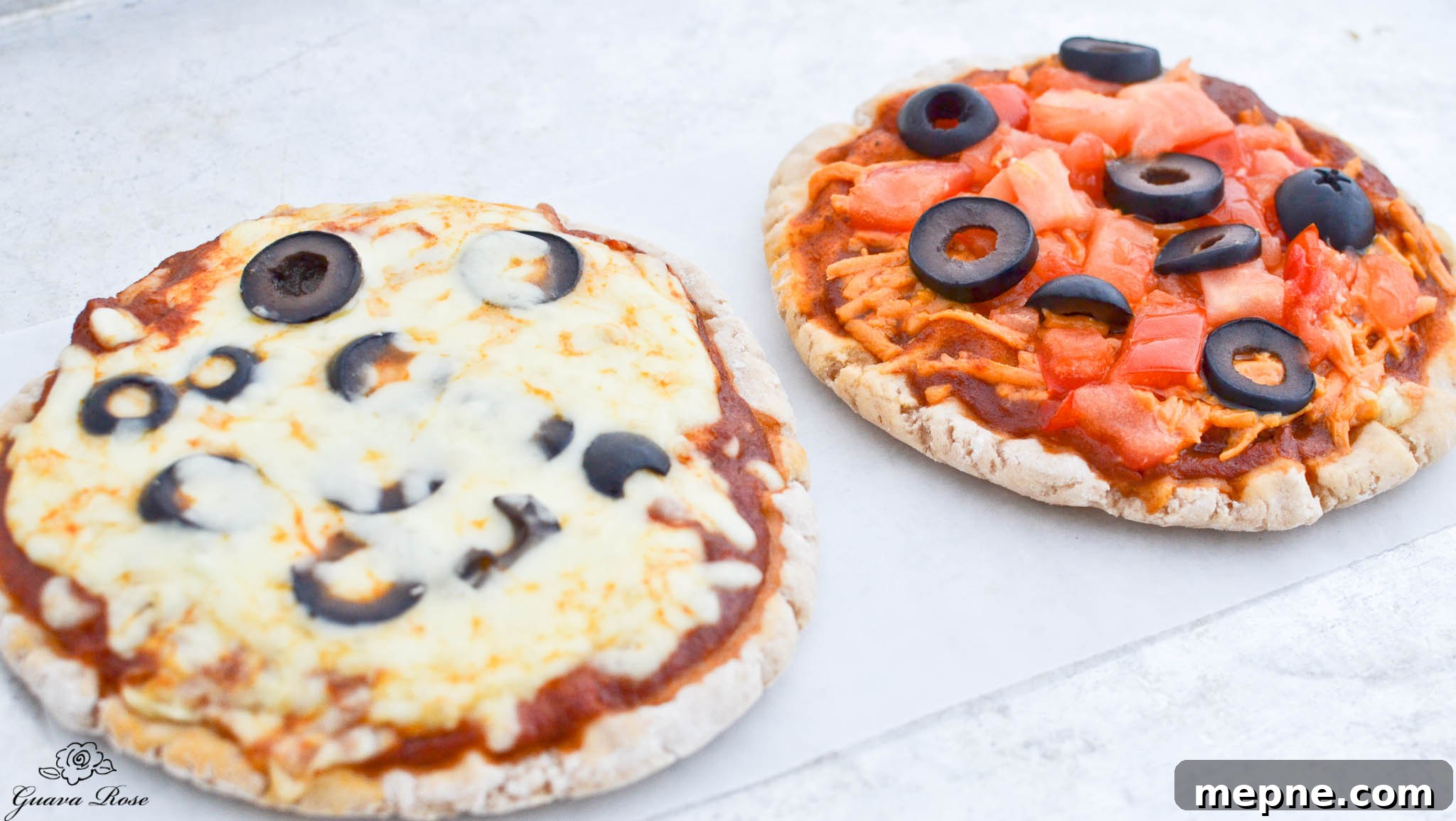
Gluten‑free Pa’i’ai personal pizzas: one with mozzarella and olives, the other with dairy‑free cheese, tomatoes and olives
The finished crust was crisp on the outside and pleasantly chewy inside. The pizzas were surprisingly filling—half a personal pizza was enough for me.
Note: Some gluten‑free flour blends contain milk powder. If you need a dairy‑free pizza, substitute a dairy‑free gluten‑free flour blend.
I’ll be experimenting with more Pa’i’ai recipes and variations—its texture and mild flavor make it excellent for inventive, allergy‑friendly dishes.
- Crust:
- 8 oz. Pa’i’ai
- 1 cup or more wheat or gluten‑free flour
- 1/2 cup or more water
- Toppings:
- Marinara sauce
- Regular or non‑dairy cheese
- Pepperoni, olives, mushrooms, tomatoes, etc.
- Preheat oven to 450°F (232°C). Crumble Pa’i’ai on a floured surface. Knead in flour and water until a smooth dough forms, adding small amounts as needed to reach a non‑sticky dough.
- Divide dough into 4 equal balls. Roll each ball out about 1/4″ thick into 5–6″ circles. Bake on an ungreased sheet for 10 minutes.
- If the dough has puffed, prick with a fork to release air. Top with marinara, cheese, and toppings. Bake another 10 minutes or until cheese is melted and toppings are heated through.