During pregnancy our attention often centres on what to eat, on the long wait, and on expectations. When the long-awaited “after” arrives, focus shifts entirely to the newborn and their needs. I looked at the situation from another angle: what will we eat when I don’t have the time, energy or desire to cook?
Planning food for a busy postpartum period
Living in the countryside means no delivery services or late-night takeaways. Fortunately, my mother and grandmother live nearby, and their support is a priceless advantage. They’ve already prepared broths, bottled tomato passata from our garden and made comfort staples like spaghetti with tomato sauce, tuna loaf, chicken and potato meatballs, farro and barley salads, roast beef and a potato and cheese savoury pie. Their help will be a blessing when the baby arrives.
Stocking the pantry for quick, nutritious meals
I filled the pantry with whole grains—oats, barley, farro and brown basmati rice—which will last for months. Cooked grains can be quickly combined with seasonal vegetables, eggs, cheeses, or portions of meat or fish to create balanced, nutritious dishes in minutes.
Making space in the freezer
Friends who recently became mothers appreciated it when I arrived with trays of lasagna or a ready-made soup. This year, instead of only preserving jams, I decided to freeze soups, stews, legumes and ready meals. We bought a new six-drawer freezer with my parents and I admit I got carried away: the garage now displays drawers full of comforting, homemade meals ready to warm and serve.
What I cooked and froze to prepare for the baby
Here is what I’ve been preparing and freezing in recent weeks to be ready for the arrival of our baby girl. Planning ahead means we won’t go hungry in the hectic months to come.
Ribollita — Tuscan bean and bread soup
Ribollita is a classic Tuscan soup made with beans, cavolo nero (Tuscan kale) and stale bread. It’s thick and restorative and actually improves after reheating with a generous drizzle of good extra virgin olive oil.
Minestrone — the all-season vegetable soup
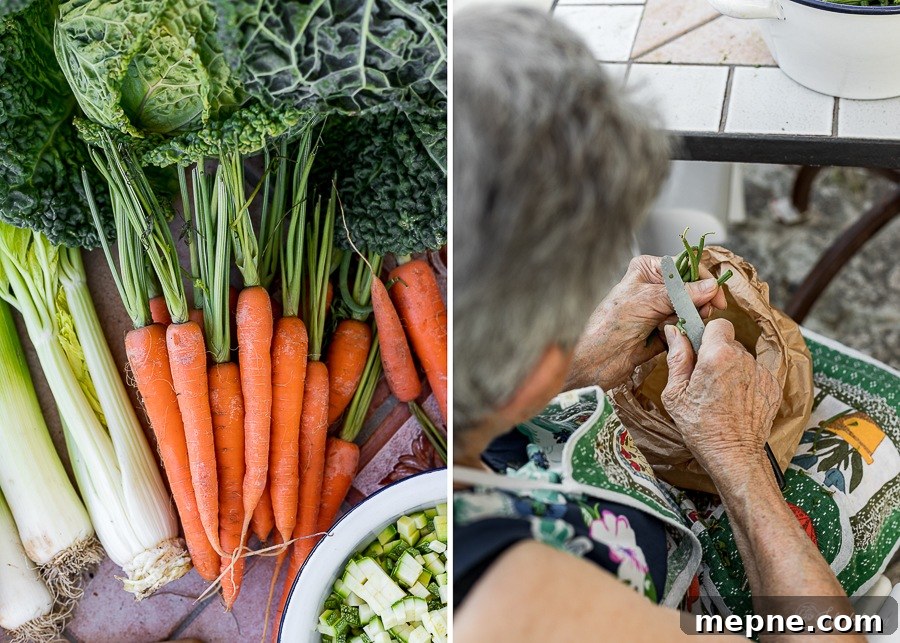
Minestrone is year-round comfort food, excellent with beans or a spoonful of pesto. I spent an afternoon dicing vegetables with my grandmother, portioned the soup and filled an entire freezer drawer. To reheat, sauté a little onion or leek, add the frozen minestrone and a few cups of hot water, and simmer until it reaches a satisfying thickness.
Zuppa di orzo trentina — barley and cabbage soup
From Trentino, this soup combines Savoy cabbage, barley, potatoes and small cubes of speck for a smoky note. I made it with leftover vegetables from the minestrone; barley’s chewy texture feels particularly comforting on chilly evenings, so I froze several servings for autumn.
Lasagne di nonna — my grandma’s lasagna
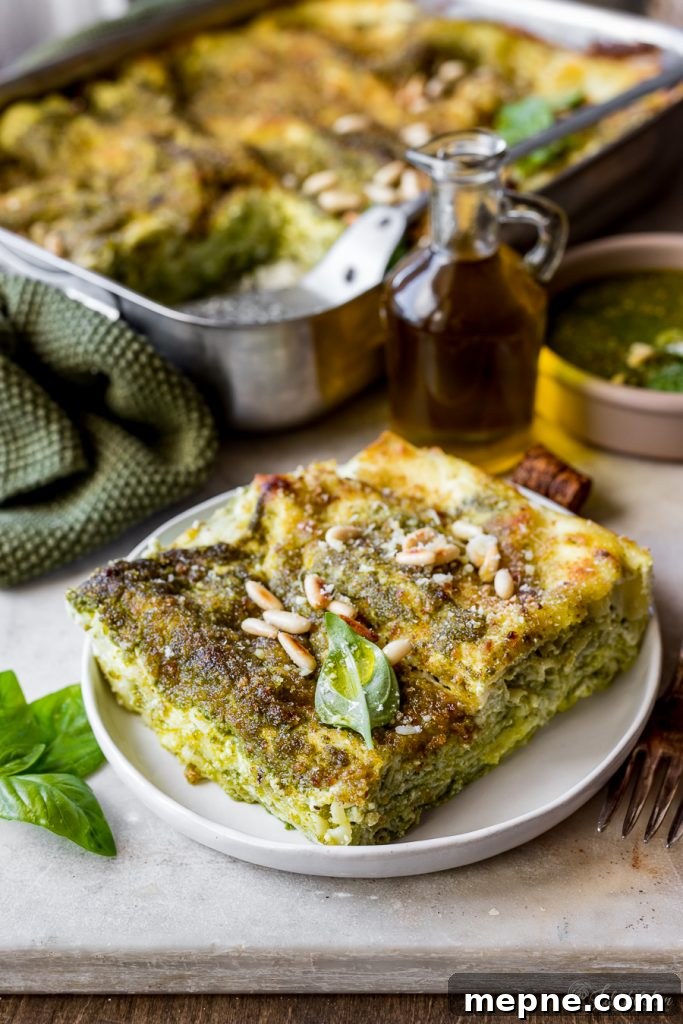
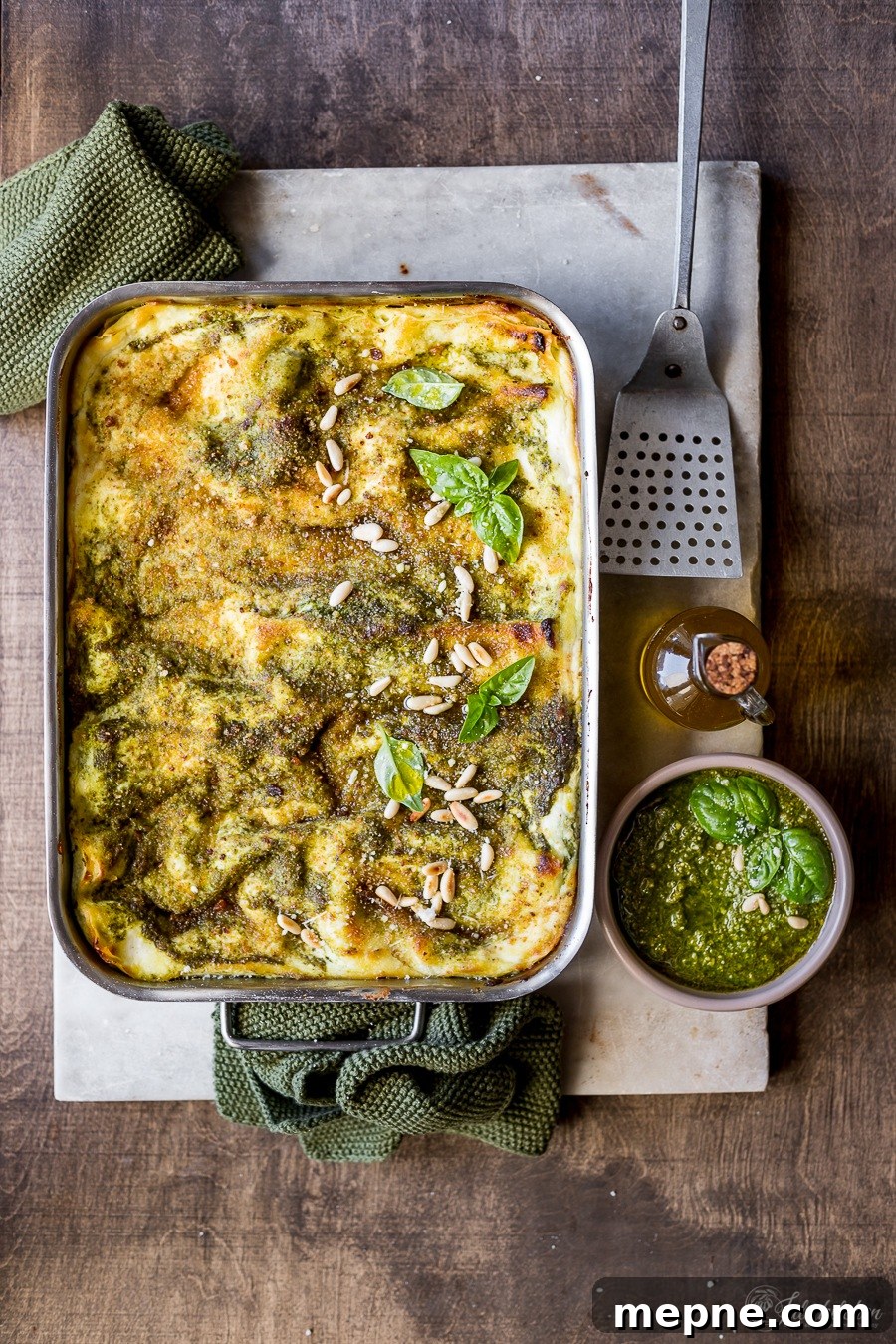
Our family lasagna is made with béchamel, mozzarella, grated Parmigiano Reggiano and a slow-simmered Tuscan ragù. I prepared several pans—some classic ragù lasagna and a few basil pesto and ricotta lasagna pans—to keep in the freezer for nights when we need an extra hug of comfort food.
Croissants and puff pastry
Breakfast is essential for me. In the second trimester I craved croissants, so I baked plenty and froze them for future mornings. I made both the Italian-style croissants and classic French croissants, and we also prepared portions of puff pastry to use later for quiches, strudels or savoury tarts filled with cheese and seasonal vegetables.
Beans and chickpeas
After baking pizza in our wood-fired oven, I placed two pots of chickpeas and beans in the residual heat to cook overnight. They cooked perfectly without pre-soaking: tender, creamy and full of flavour. Each batch was divided into two-portion bags and frozen for quick use in salads, soups or stews.
Pesto and ragù
When preparing lasagna I made extra ragù and basil pesto, then divided them into single servings and froze them. In the coming months I’ll be grateful to thaw pesto for a bowl of pasta or ragù to top a steaming plate of polenta with melted cheese. Homemade pesto and ragù are excellent make-ahead staples.
Basil pesto and ricotta lasagna — a lighter make-ahead lasagna
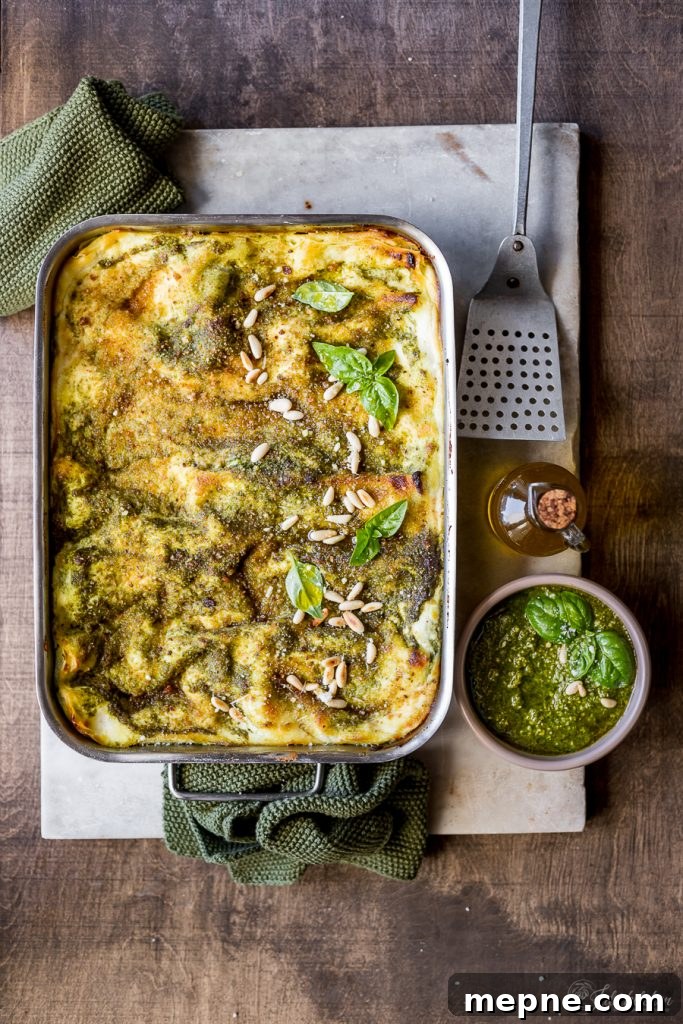
I started making basil pesto and ricotta lasagna during lockdown because I often bought fresh ricotta from the dairy that delivered weekly. When you have fresh ricotta and basil pesto ready, this lasagna comes together quickly. It’s lighter than the classic ragù-and-béchamel lasagna and has a bright, summery flavour. I like to use leftover cheeses—scamorza, mozzarella or thin slices of smoked cheese—to add interest to the layers. You can prepare these lasagnas in two-serving pans and freeze them; remove from the freezer a few hours ahead or bake straight from the fridge after thawing a little.
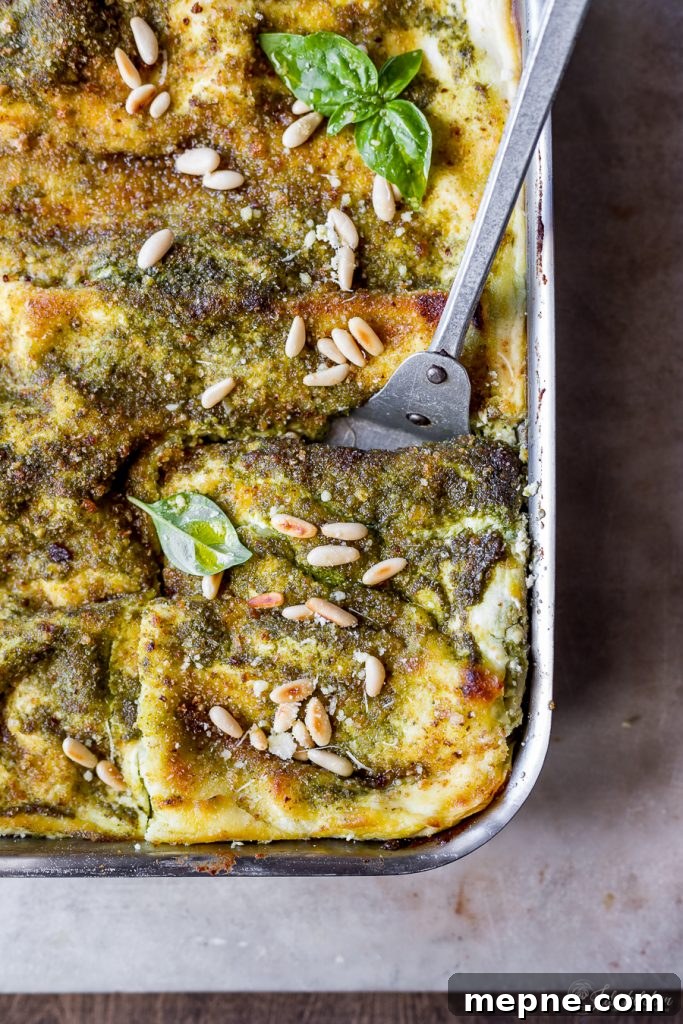
Ingredients for basil pesto and ricotta lasagna (serves 8)
- 200 g fresh egg lasagna sheets
- 700 g sheep ricotta
- 400 ml whole milk
- 150 g grated Parmigiano Reggiano
- 300 g fresh mozzarella, torn into small pieces
- 250 g basil pesto
- Extra virgin olive oil
- 2 tablespoons breadcrumbs
- Salt and freshly ground black pepper
Equipment
- 30 x 22 cm (12 x 9 in) baking pan
Instructions
- Preheat the oven to 200°C (400°F).
- In a bowl, mix the ricotta with the milk and grated Parmigiano Reggiano until smooth. Season with salt and freshly ground black pepper to taste.
- Tear the mozzarella into small pieces and have the basil pesto and fresh pasta sheets ready.
- Spread two tablespoons of ricotta mixture on the bottom of the baking pan, then cover with a layer of fresh pasta sheets to fully cover the surface.
- Spread about 3 tablespoons of the ricotta mix and 1 tablespoon of pesto over the pasta, then scatter some mozzarella pieces.
- Repeat to make four to five layers, finishing with a top layer of ricotta, pesto and mozzarella.
- Sprinkle the top with breadcrumbs and drizzle with extra virgin olive oil.
- Bake for 20–25 minutes until golden and bubbling. You can serve immediately or, preferably, let it cool and serve later—lasagna often tastes even better the next day after flavours have melded. Reheat in a hot oven for 5–10 minutes before serving.
These lasagnas freeze well in smaller pans or single-serving dishes. For a frozen meal, remove from the freezer a few hours before baking or bake from partially thawed for best results.
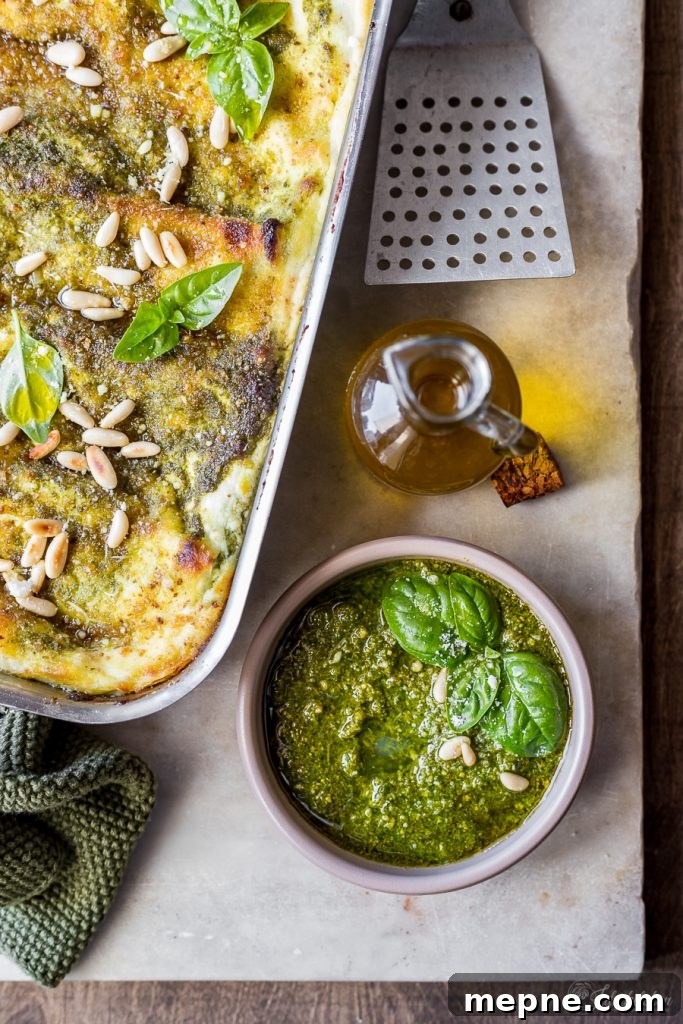
Classic basil pesto — quick blender method
My mother plants a huge amount of basil every year. I miss basil in winter because its scent instantly brings summer memories: simple dinners of caprese, panzanella, fresh tomato sauce and the beloved pasta al pesto. Below is the basic pesto I prepare using a blender for speed and convenience.
Tips for bright green pesto
Keep ingredients cold to reduce oxidation: chill the olive oil and, if needed, add an ice cube to the blender briefly. After processing, cover the pesto completely with a thin film of extra virgin olive oil to minimise contact with air and preserve the vivid green colour. I portion the pesto into small containers, each large enough for two servings, and freeze them for future meals.
Ingredients for basil pesto
- 125 g basil leaves, washed and dried
- 350 ml extra virgin olive oil, chilled if possible
- 1 clove garlic
- 60 g pine nuts
- 50 g grated Parmigiano Reggiano
- 50 g grated Pecorino Romano
- Salt to taste
Equipment
- Blender or food processor
Instructions
- Place pine nuts and garlic in the blender and process into fine crumbs.
- Add the basil leaves and press them down, then pour in enough extra virgin olive oil to cover the leaves completely.
- Process in short bursts to avoid overheating the ingredients and to keep the pesto bright.
- When smooth, transfer to a bowl and stir in the grated Parmigiano Reggiano and Pecorino Romano. Adjust salt as needed.
- Use immediately or store in the refrigerator, well covered with a thin layer of olive oil, for several days. For longer storage, portion and freeze.