⭐ Rating: 4.8/5 (based on 150+ home cooking experiences)
👨🍳 By Chef Omar Allibhoy
🕒 Prep Time: 12 hours (soaking)
🍳 Cook Time: 2.5 hours
⏰ Total Time: 14.5 hours
🥘 Servings: 6
📊 Difficulty Level: Medium
As a Spanish chef who has made London my home, few dishes warm the heart like Fabada Asturiana. This classic Asturian bean stew combines simple, honest ingredients—creamy white beans and cured meats—into a deeply satisfying meal. It’s a dish born of slow cooking and communal tables, perfect for cold evenings, family gatherings, and relaxed dinner parties.
Fabada is more than a recipe; it’s a lesson in patience and respect for ingredients. With a little planning and gentle simmering, the humble bean becomes silky and rich, while the meats release savory oils that make the broth irresistible. Below you’ll find my clear, refined version of this Spanish dinner recipe, plus practical tips and serving ideas to help you succeed at home.
What is Fabada Asturiana?
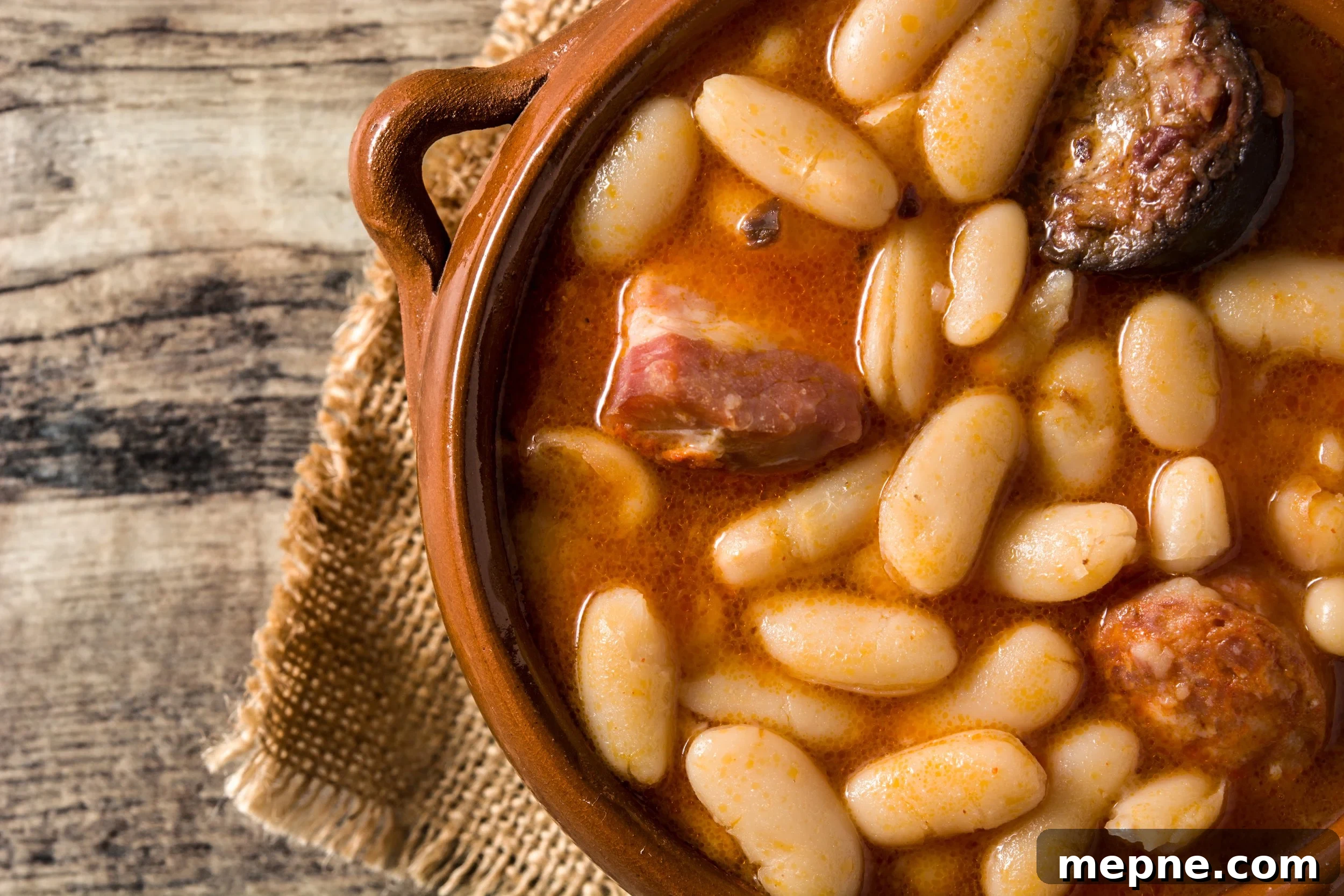
Fabada Asturiana is a traditional Spanish stew from Asturias made with large white beans called fabes and an assortment of cured pork products such as chorizo, morcilla (blood sausage) and pancetta or lacón. The long, gentle cooking produces a creamy texture and a deeply flavored broth. Unlike some other bean stews, Fabada relies on quality cured meats and slow heat rather than heavy seasoning, allowing each ingredient to shine.
Ingredients
-
500 g dried fabes or other large white beans
-
200 g morcilla (Spanish blood sausage)
-
200 g chorizo (smoked or cooking chorizo)
-
200 g pancetta or lacón (cured pork shoulder)
-
2 cloves garlic, left whole
-
1 large onion, finely chopped
-
2 bay leaves
-
Pinch of saffron threads
-
Salt, to taste (add late in cooking)
-
Extra virgin olive oil, a splash for gently frying the onion
Preparation
-
Soaking (12 hours before):
-
Cover the fabes with plenty of cold water and soak overnight. Change the water once if possible to remove any impurities.
-
Initial Cooking (30 minutes):
-
Drain and rinse the soaked beans, then place them in a large pot with fresh cold water to cover by several centimetres.
-
Bring gently to a simmer and skim off any foam that rises. This helps keep the broth clear and clean-tasting.
-
Main Cooking (about 2 hours):
-
Lightly brown the chopped onion in a splash of olive oil until translucent, then add to the pot with the beans.
-
Add the chorizo, morcilla and pancetta or lacón along with the whole garlic cloves and bay leaves. Simmer very gently—never a rolling boil—to avoid splitting the beans.
-
About 30 minutes before the end of cooking, add the saffron to release its aroma and colour. Taste and add salt only when the beans are tender, as the cured meats provide saltiness earlier on.
-
Once the beans are soft and the broth is glossy, remove from the heat and allow the stew to rest for 10–15 minutes to settle and concentrate the flavours.
Professional tips for the perfect fabada
-
Use the best quality beans you can find; large, fresh fabes give the characteristic creamy texture.
-
Simmer gently and steadily. A low, even heat keeps the skins intact and produces a silky broth.
-
Hold back on salt until the beans are nearly cooked—cured meats contribute a lot of seasoning.
-
Allow the stew to rest after cooking; flavours meld and intensify as it cools slightly.
-
Fabada often tastes better the next day, so make it ahead when you can to let the flavours develop.
-
If the broth is too thin, mash a few beans against the side of the pot and stir to thicken naturally.
This stew is a celebration of simple techniques: soaking, gentle simmering and quality ingredients. It rewards patience with deep, layered flavours that are unmistakably Asturian. Whether cooked for a family meal or a relaxed dinner with friends, Fabada Asturiana brings warmth and conviviality to the table.
What to serve with your fabada
Fabada is hearty enough to be a main course, but a few accompaniments elevate the meal:
-
Thick, crusty bread to soak up the rich broth
-
A crisp green salad with a light vinaigrette to cut the richness
-
A robust red wine or traditional Asturian cider complements the cured meats beautifully
Storage and reheating
Fabada stores well in the refrigerator for 2–3 days. Reheat gently over low heat, adding a splash of water if needed to restore the broth’s consistency. It also freezes well—cool completely, portion into airtight containers, and freeze for up to three months. Thaw overnight in the refrigerator before reheating slowly.
With a little planning and care, Fabada Asturiana becomes a comforting, reliable dish in your repertoire. It’s a perfect example of Spanish home cooking: modest ingredients, slow technique, and delicious rewards.