Gluten Free Baking Tools I Can’t Live Without
While traveling the country to teach cooking classes and carrying my favorite tools with me, students often ask, “What is that?” “How do you use it?” and “Do I really need it?” Over the years I’ve refined a compact kit of reliable tools that make gluten-free baking faster, more consistent, and less frustrating. You don’t need every item on this list, but each one solves a common problem bakers face when working gluten-free.
Below are my top recommended tools for everyday gluten-free baking, with practical notes on why they matter and how I use them in class and at home.
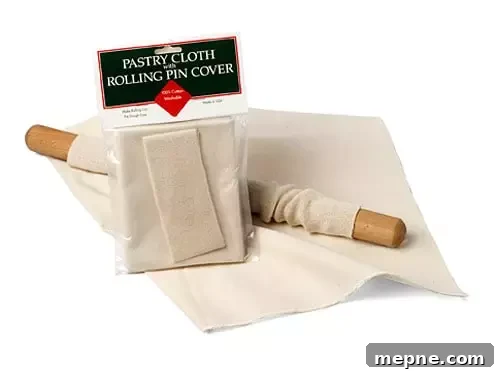
Rolling Pin with Cheesecloth Cover — A simple cheesecloth sleeve around a rolling pin prevents dough from sticking without having to add excess gluten-free flour. That helps maintain moisture and tenderness in pie crusts, pastry, and cookie dough. If you don’t want a sticky roll or a dry crust, this inexpensive trick is invaluable.
Instant-Read Thermometer — I always check bread with an instant-read thermometer before removing it from the oven or bread maker. For yeast breads I look for an internal temperature around 205–210°F to ensure the crumb is fully set. Accurate temperature checks avoid underbaked loaves and give reliable, repeatable results.
Bench Scraper — This is one of my most-used tools. A bench scraper lifts and transfers delicate crusts, helps portion dough for cinnamon rolls or yule logs, and cleansly scrapes work surfaces. It’s essential for handling fragile gluten-free doughs that don’t hold together like wheat-based doughs.
Pie Crust Saver — A pie crust shield or saver prevents edges from overbrowning while the center finishes baking. It’s ideal for delicate gluten-free crusts that can easily become dry or hard when exposed to prolonged direct heat.
Pastry Wheel — A pastry wheel cuts clean, decorative edges for ravioli, pop tarts, and pie crusts. For small hand-held pastries or uniform cookie shapes, a pastry wheel is fast, precise, and gives a professional finish without extra handling.
Pastry Cutter — Also called a pastry blender, this tool works butter or shortening into flour efficiently without over-processing. It yields flaky layers in pie crusts and scones by creating uniform bits of fat in the dry mix—exactly what you want for tender, laminated textures in gluten-free baking.
Beater Blade — A beater blade attachment that scrapes while the mixer runs helps reduce manual scraping and ensures ingredients are evenly incorporated. It’s especially helpful for dense batters or doughs that tend to cling to the sides of the mixing bowl.
Parchment Paper — I won’t bake cookies without parchment. It prevents sticking without adding oil or greasing, producing clean bottoms and easy release. Parchment also cuts cleanly for lining pans and makes cleanup much easier.
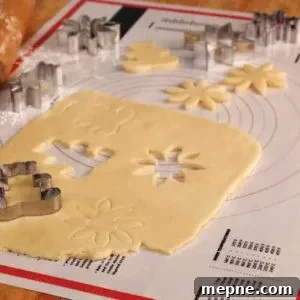
Silicone Pastry Mat — A silicone mat is indispensable for rolling out dough and transferring a fragile gluten-free crust onto a pie dish. It keeps the counter clean, reduces sticking, and provides a consistent nonstick surface so you can roll dough thinner and more evenly.
English Muffin Rings — These rings are perfect for shaping homemade gluten-free hamburger or breakfast buns so they bake evenly and hold their shape. They’re also useful for making uniform rounds of batter or dough for sandwiches and layered breakfasts.
Digital Food Scale — Accurate measurement is critical with gluten-free flours. A food scale makes portions exact and recipes reproducible. For reference, my gfJules™ gluten-free flour weighs 135 g per cup, so using weight measurements helps ensure consistent results across batches.
Choosing a few reliable tools that suit your baking style will make gluten-free baking more predictable and enjoyable. Start with the essentials—thermometer, silicone mat, and a good rolling pin setup—and add items like pastry tools and a bench scraper as you expand your repertoire. These small investments save time, reduce waste, and help you create better-tasting gluten-free breads, pastries, and desserts.