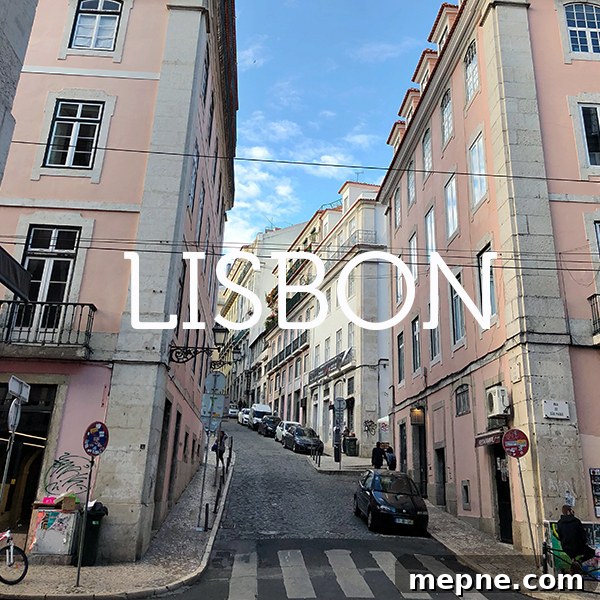
The four days I spent in Lisbon after my friend’s magical Portuguese wedding in the north marked the first time since Charlie and I started dating that I explored a foreign city entirely on my own.
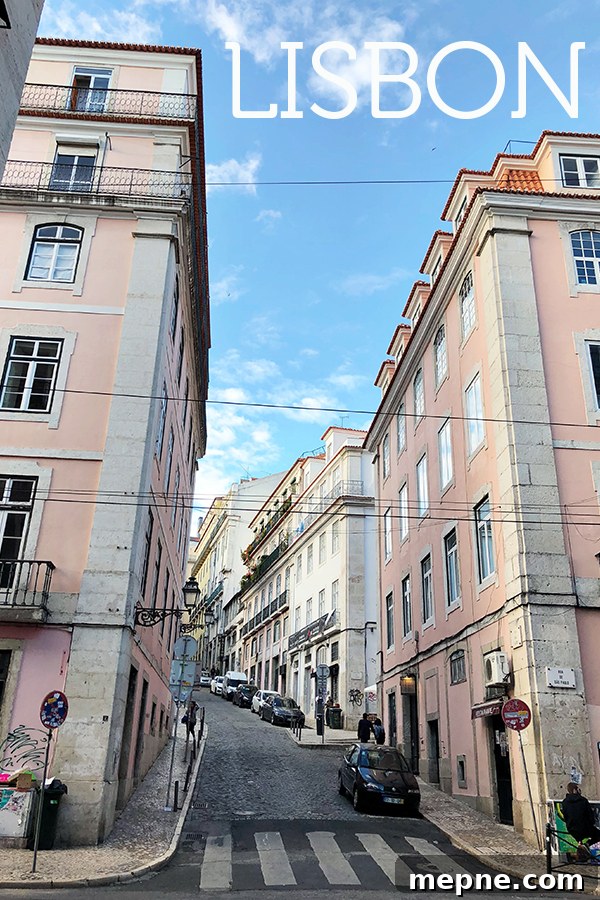
Solo travel has its rewards and its challenges, and I felt both excitement and a little apprehension about this stretch of “me time.” Lisbon, however, proved to be the perfect city to navigate alone.
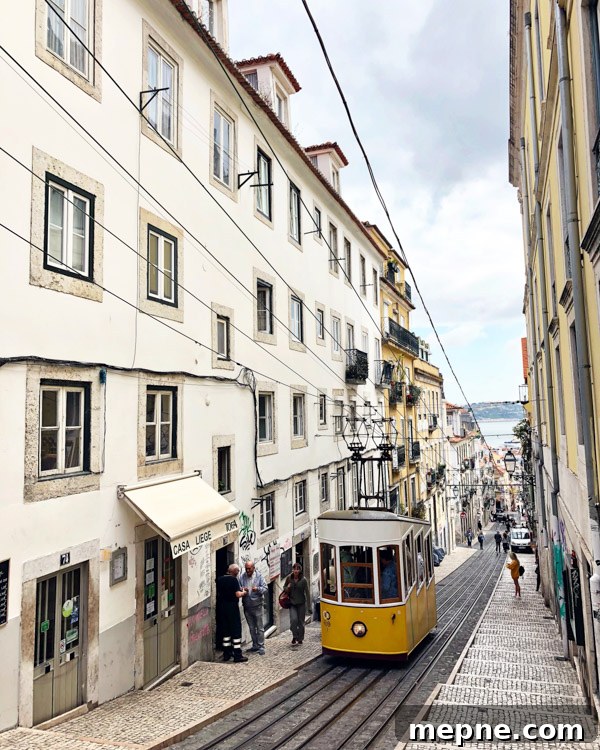
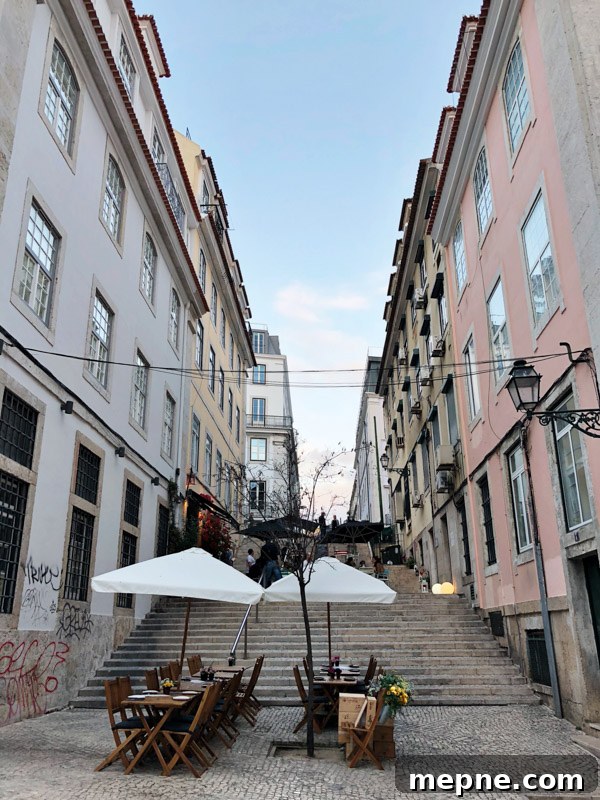
Like many European cities, Lisbon is highly walkable, with narrow, beautiful stone streets to wander, boutique shops to explore, and a lively yet intimate atmosphere. It blends the coastal charm of places like San Sebastian with Rome’s historic grandeur and a hint of San Francisco’s hills, trolleys, and bridges.
I spent most of my days zigzagging between the two hills that frame the tourist valley in the city center, admiring colorful façades and 16th-century azulejo tiles, and stopping frequently to sample the local food.
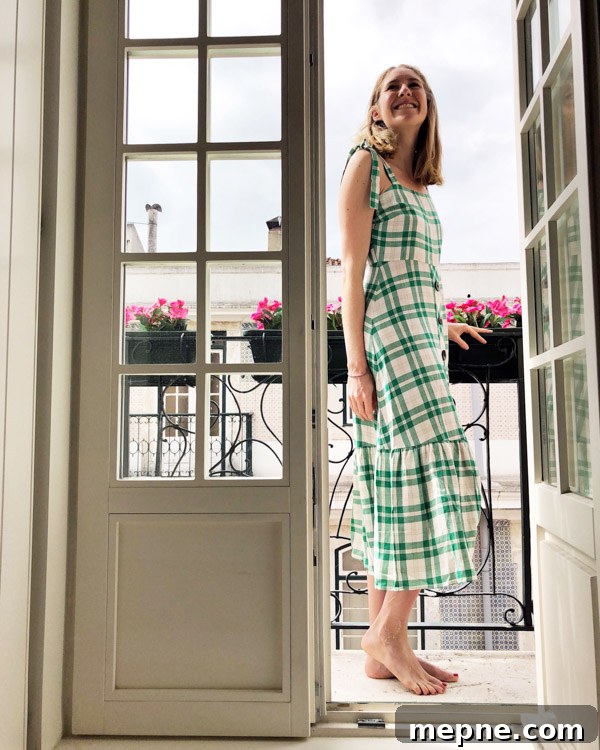
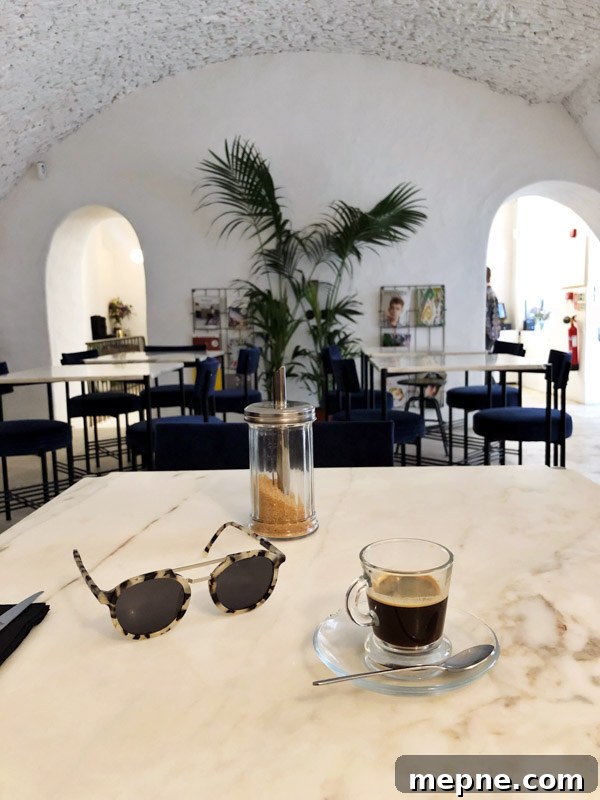 Mylovely AirBNB was in Chiado (pronounced she-ah-do), right beside the pink street that hosts much of Lisbon’s nightlife.
On my first night my phone died and I had to find the apartment from memory. The valley layout helped: most destinations were a ten-minute walk from my street near the water. Still, I spent a laughable hour trying my key in every door on nearby blocks before I finally found the right one — part of the solo travel learning curve.
After a day of unguided exploration and small mishaps, I met up with a Portuguese friend I’d connected with through my work at the Natural Gourmet Institute. Teresa introduced me to a different side of Lisbon, taking me to lesser-known restaurants in the center and driving me along the southwest bank toward Belém.
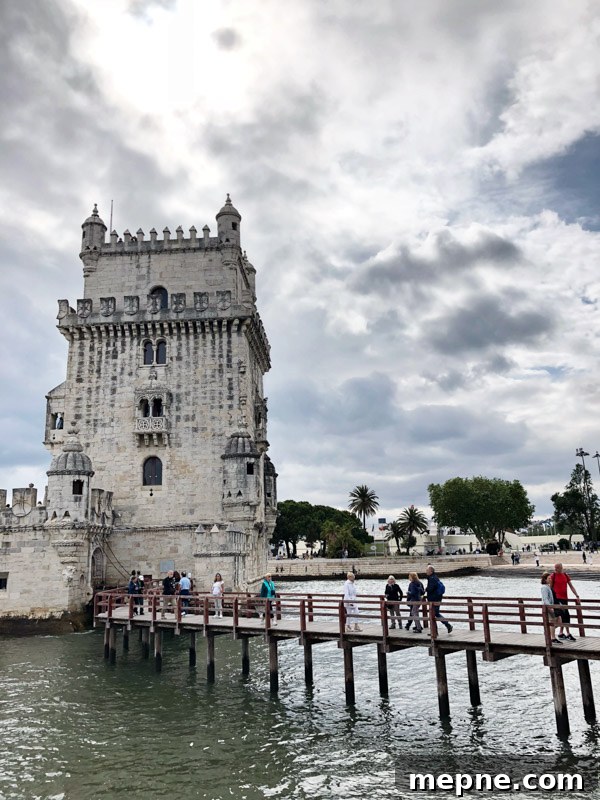
As an architect-turned-chef, Teresa was full of fascinating details about the city’s colors, food, and design. I learned that Lisbon’s soft pinks, blues and yellows often come from local minerals and were historically used to deter insects — which explains why certain hues appear around windows and doors. She also pointed out historical links between Lisbon and San Francisco: Portuguese-built trolleys and shared engineering influences on bridges.
Most of all, she guided me to pastry secrets. In Porto I’d passed countless pastry shops and worried my gluten sensitivity would keep me from sampling the best sweets. Teresa explained that many traditional orange-hued convent pastries are made primarily from eggs, sugar, and almond flour — a legacy of nuns using the simplest ingredients available during hard times.
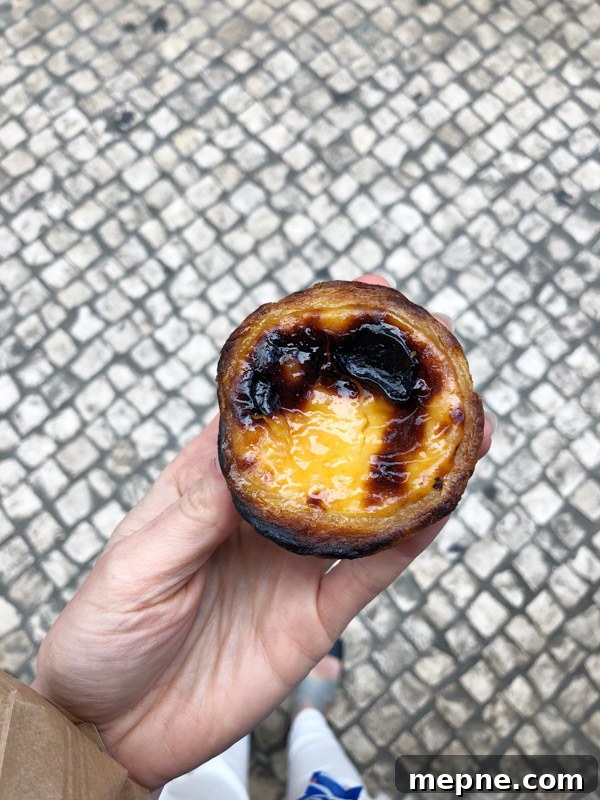
By the time I learned this, I’d already discovered a dedicated gluten-free bakery recommended in my friend Jodi’s guide. It was conveniently half a block from my Airbnb and became a comfortable fallback. There I tried a gluten-free take on the famous Pastéis de Nata — the creamy custard tarts that originated in the Belém monastery. If you can eat gluten, Pastéis de Belém is the historic spot where the original recipe is still closely guarded.

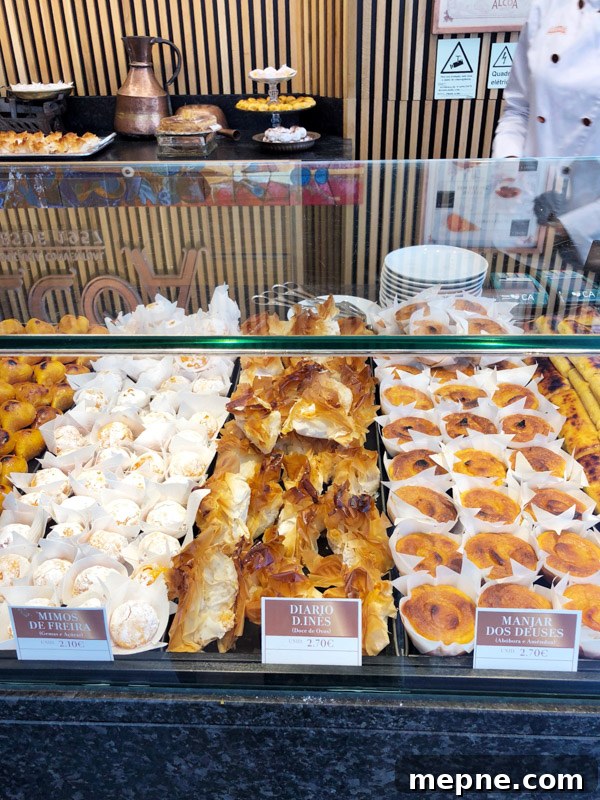
When convents ran low on supplies, nuns transformed eggs and sugar into a range of convent sweets — each one distinct in texture and flavor depending on cooking times and molds. I only managed to try one traditional confection, manjar dos deuses, which features pumpkin and has a dense, almond-like quality similar to a financier.
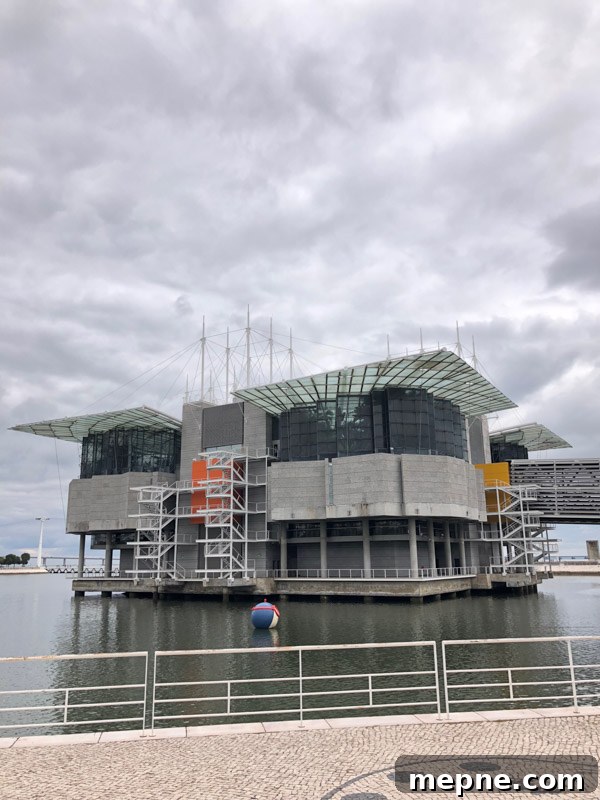
Below are some of my favorite spots for gluten-free dining, pastries, drinks, and views in Lisbon. I focused more on walking neighborhoods, local eateries, and bakeries than on museums and monuments, but I do recommend the Oceanarium if you have time — the otters are delightful.
With health and hedonism,
Phoebe
THE BEST GLUTEN-FREE RESTAURANTS IN LISBON
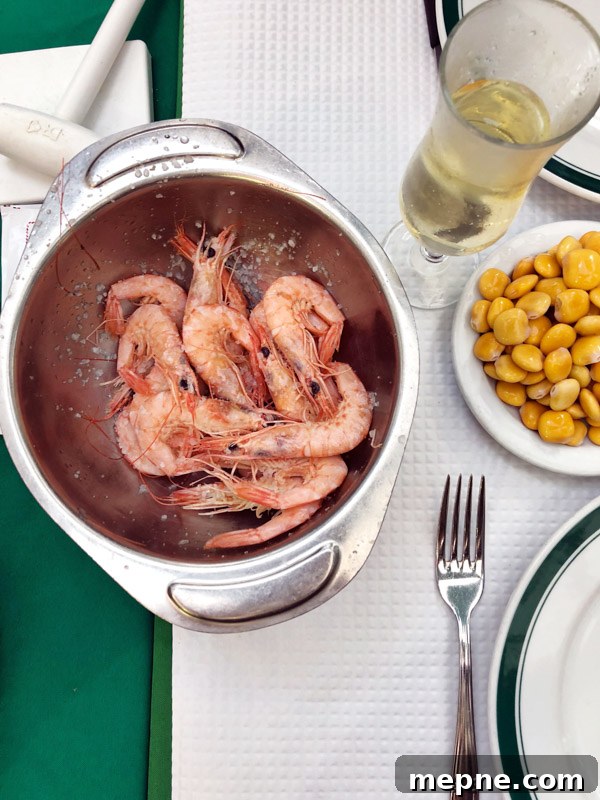 Pinoquio – If you want classic Portuguese seafood, Pinoquio delivers. Tucked into a corner piazza near a main pedestrian thoroughfare, it serves standout dishes like salt shrimp, whole crab, and clams. The crab body comes filled with a savory dip, and house-made potato chips are an ideal gluten-free alternative for scooping sauces.
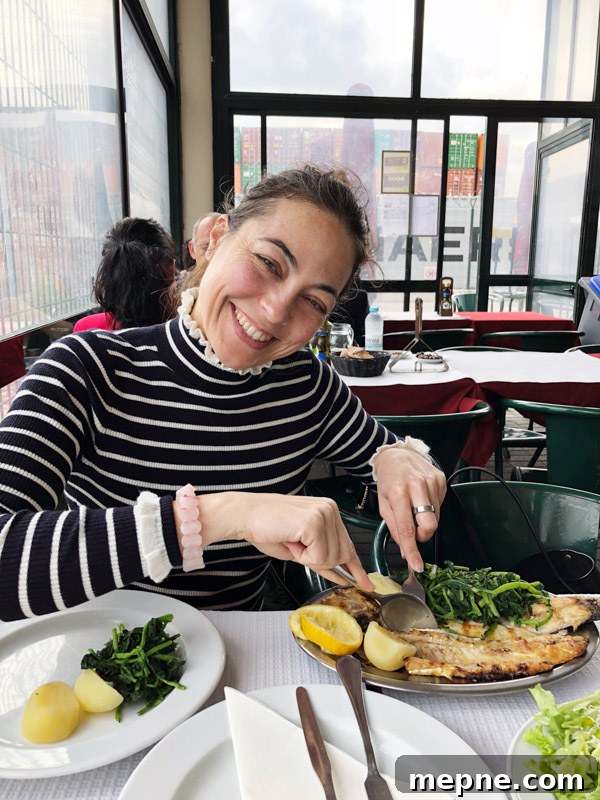
Ultimo Porto – Located right on the port amid shipping containers with an open grill out front, this was another authentic fish meal I loved. The grilled sardines were tender and mild; Teresa even showed me a quick technique for eating them while keeping the heat and juices inside the skin for the next bite.
Cantina do Avillez – For a splurge, chef José Avillez’s restaurants are among Lisbon’s most celebrated. Cantina offers a clearly labeled gluten-free menu. Highlights included spot prawns in curry, a well-crafted steak tartar, and a mushroom risotto (note: rich dishes may be heavy on dairy).
Heim Cafe – This lively breakfast and brunch spot blends Brooklyn-style café culture with excellent morning plates. The breakfast sets include silky scrambled eggs, crisp bacon, and generous granola. Expect a wait for a table, but it’s a relaxed place to linger with a book.
Mercearia da Mila – A neighborhood market near Heim Cafe that’s perfect for grabbing picnic supplies or a light lunch. I didn’t sample much there, but it looked ideal for takeaway provisions.
Time Out Market / Mercado da Ribeira – This waterfront food hall curates stalls from many top restaurants in the city. While I wasn’t thrilled with the Thai noodles I tried, the market is great for chef-driven dishes like gluten-free piri-piri chicken, ceviche, or a simple glass of wine with charcuterie.
Pistola y Corazon – When I craved a break from Portuguese flavors, this taco shop hit the spot. Friends praised the homemade corn tortillas and the variety of gluten-free options.
Go Juu – Off the beaten path, this sushi spot serves impeccable fish. Lisbon has a notable Japanese community and strong tuna exports, and Go Juu benefits from those ties. The quality of the fish here was exceptional; afterward you can stroll in the nearby park or visit the modern art museum.
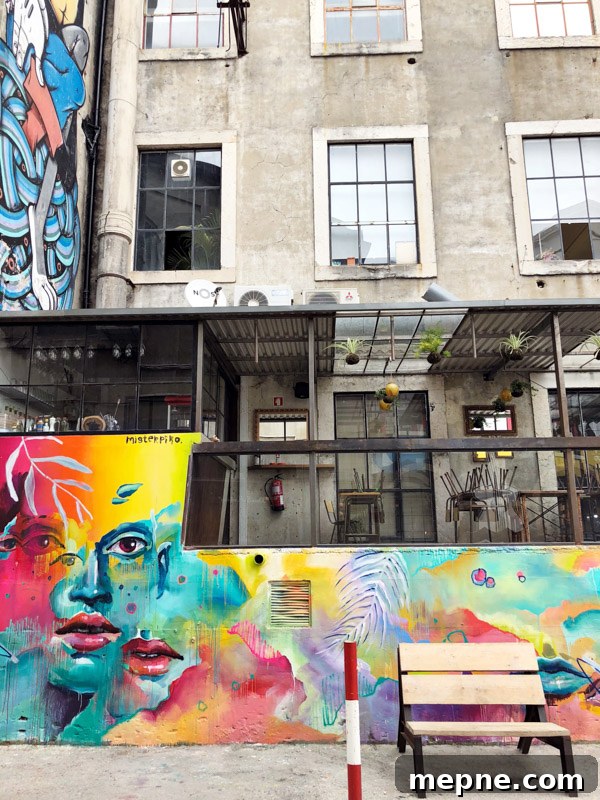
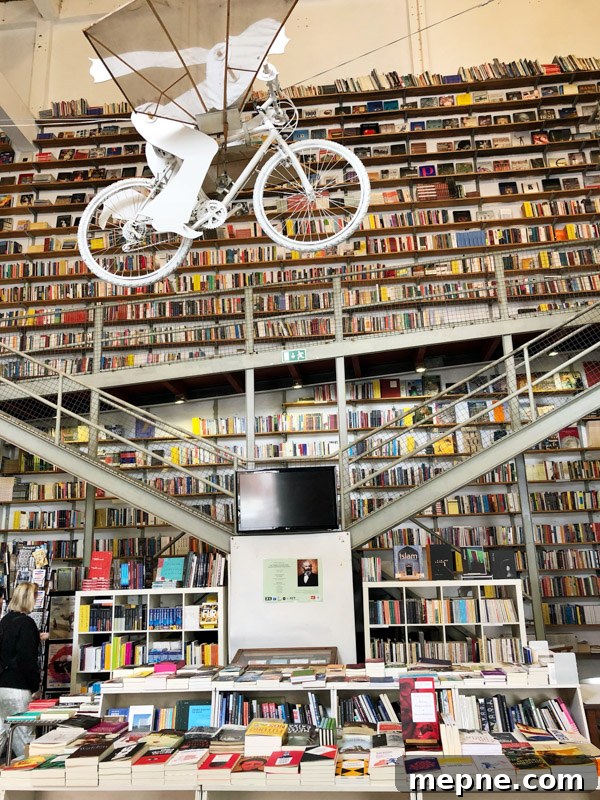
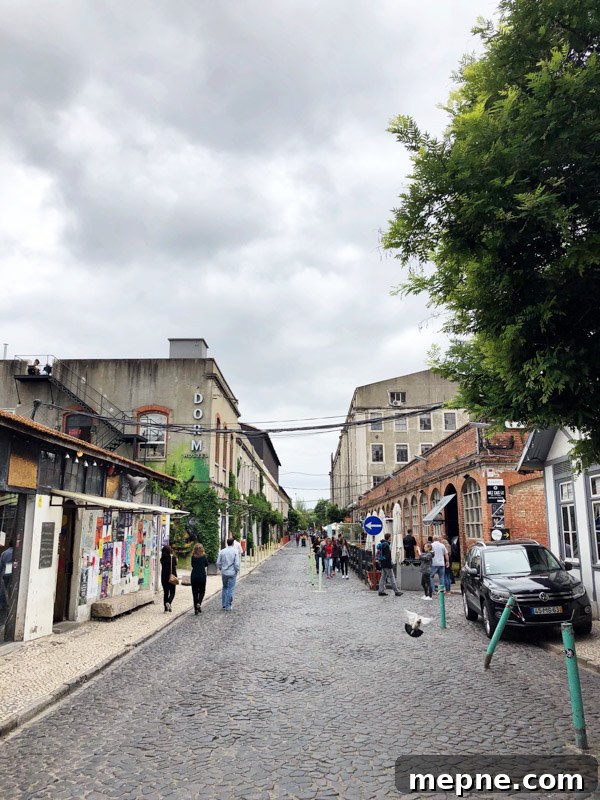
LxFactory – On the west side near Belém, LxFactory is a creative compound of shops, restaurants, and studios. Think artsy industrial vibes where you can browse for home goods and enjoy natural-food cafes serving fresh juices and plant-based meals. I loved the June shop for tableware and gifts.
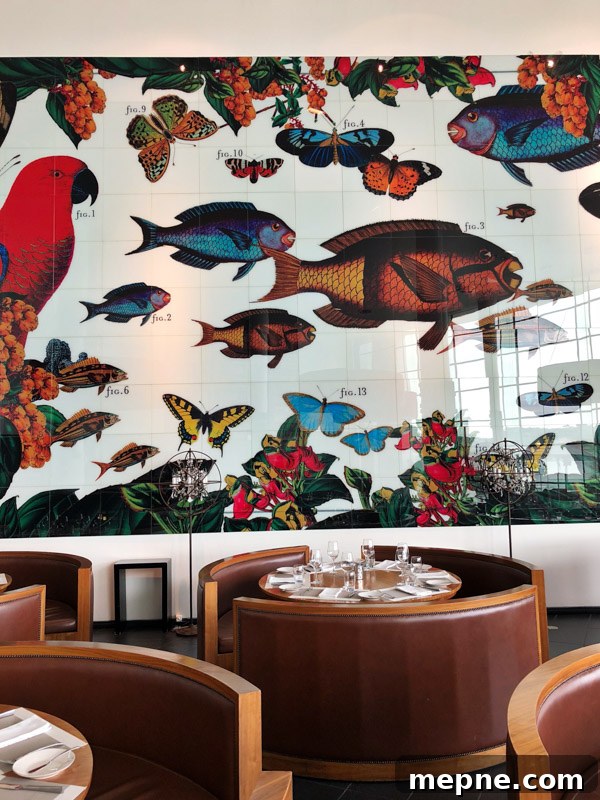
Restaurante Darwin – Near the Champalimaud Foundation in Belém, this colorful spot offers attractive port views and approachable prices. I only had time to walk through, but it’s an excellent option for a meal or a glass of wine when visiting that area.
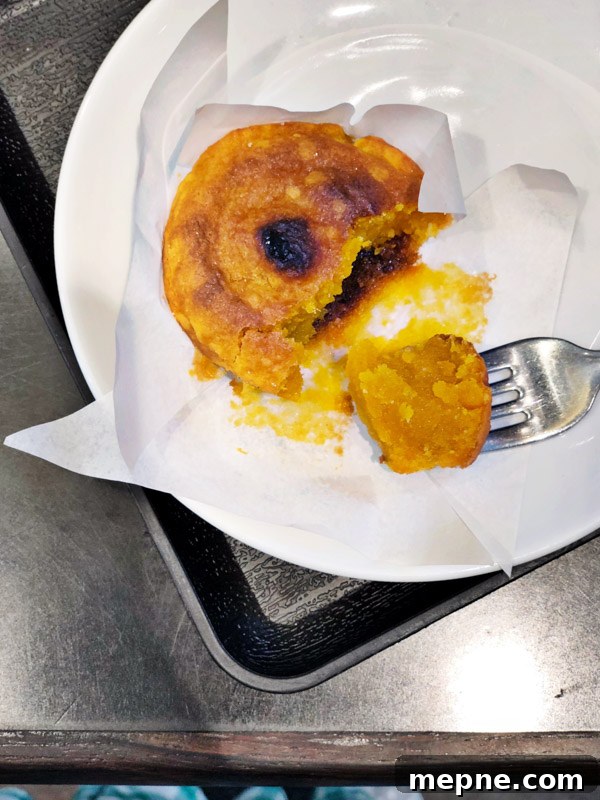
Pastelaria Alcoa – One of the best pastry shops in the city center, Alcoa is knowledgeable about gluten-free diets and clearly marks which pastries are safe. If you have celiac disease, ask about cross-contamination; I enjoyed trying manjar dos deuses here.
Zarzuela – A dedicated gluten-free sweets shop offering de Nata pastries that are also vegan. It’s a great choice for those avoiding gluten who still want traditional flavors.
Topo Chiado – Located beside a popular lookout in Chiado, Topo is a great place for a sunset cocktail before dinner.
PARK Bar – This rooftop bar sits atop a parking garage and is a favorite for people-watching at happy hour. Enter through the garage and take the elevator to the top for overpriced cocktails but stellar views.
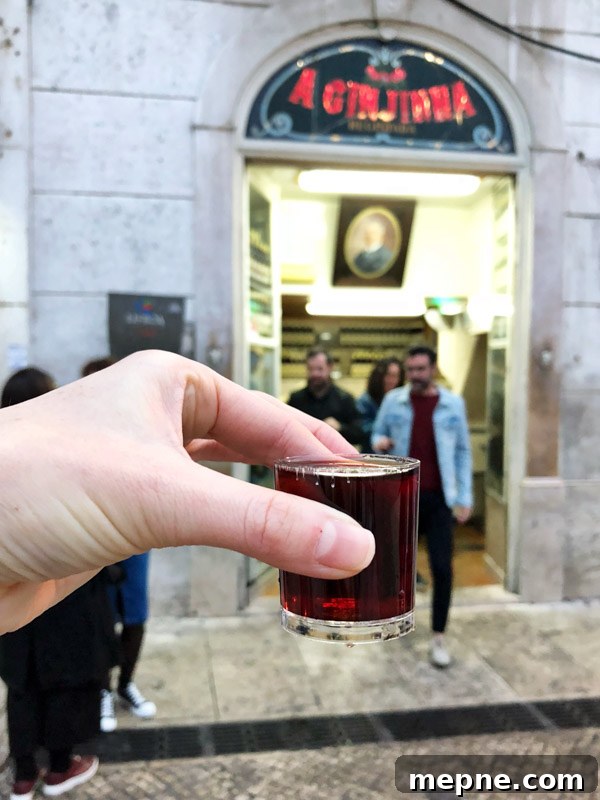
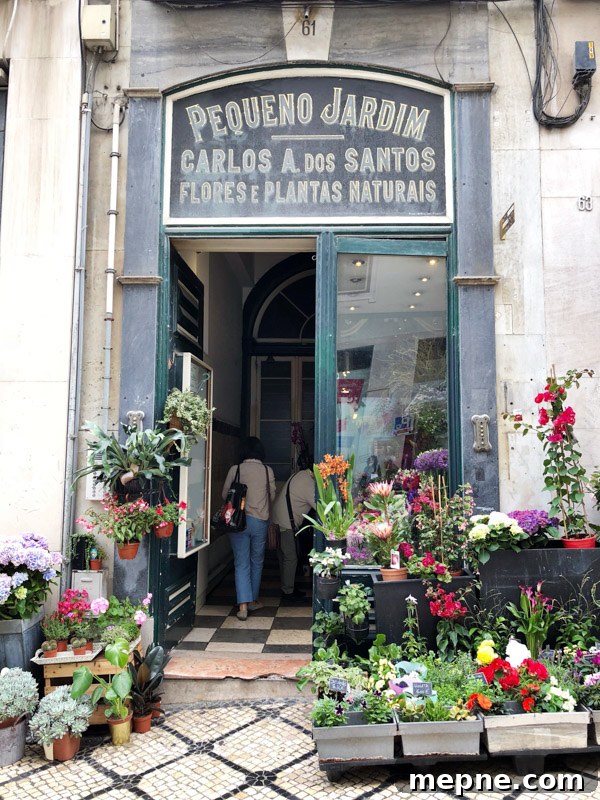
A Ginjinha – Don’t leave Lisbon without trying the traditional cherry liqueur. One of the oldest dispensaries in town serves it straight or in a chocolate cup. It’s very sweet and a fun local ritual to experience.
have you ever been to portugal? I’d love to know some more of your recommendations in the comments section!