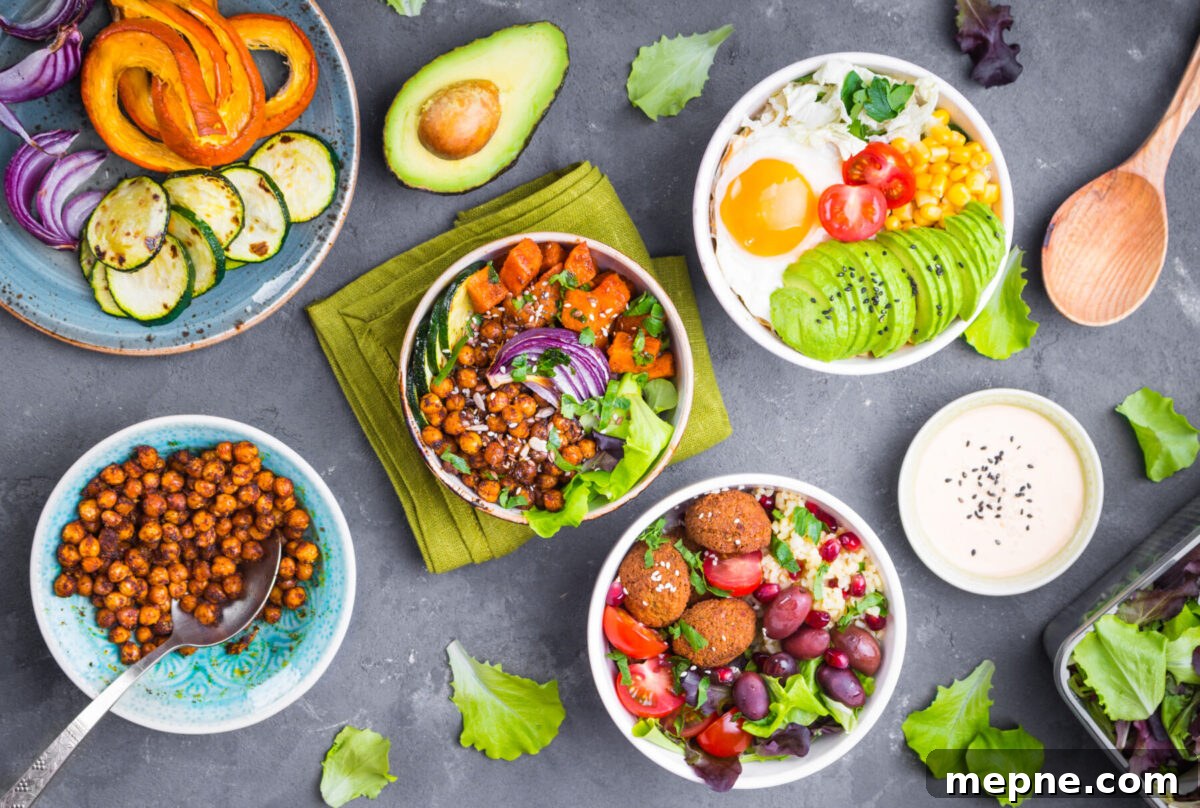
Is it possible to get enough protein on a vegetarian diet? This question comes up often and is surrounded by confusion. Below is a clear, practical look at how plant-based eating supports protein needs and examples of high-protein vegetarian meals.
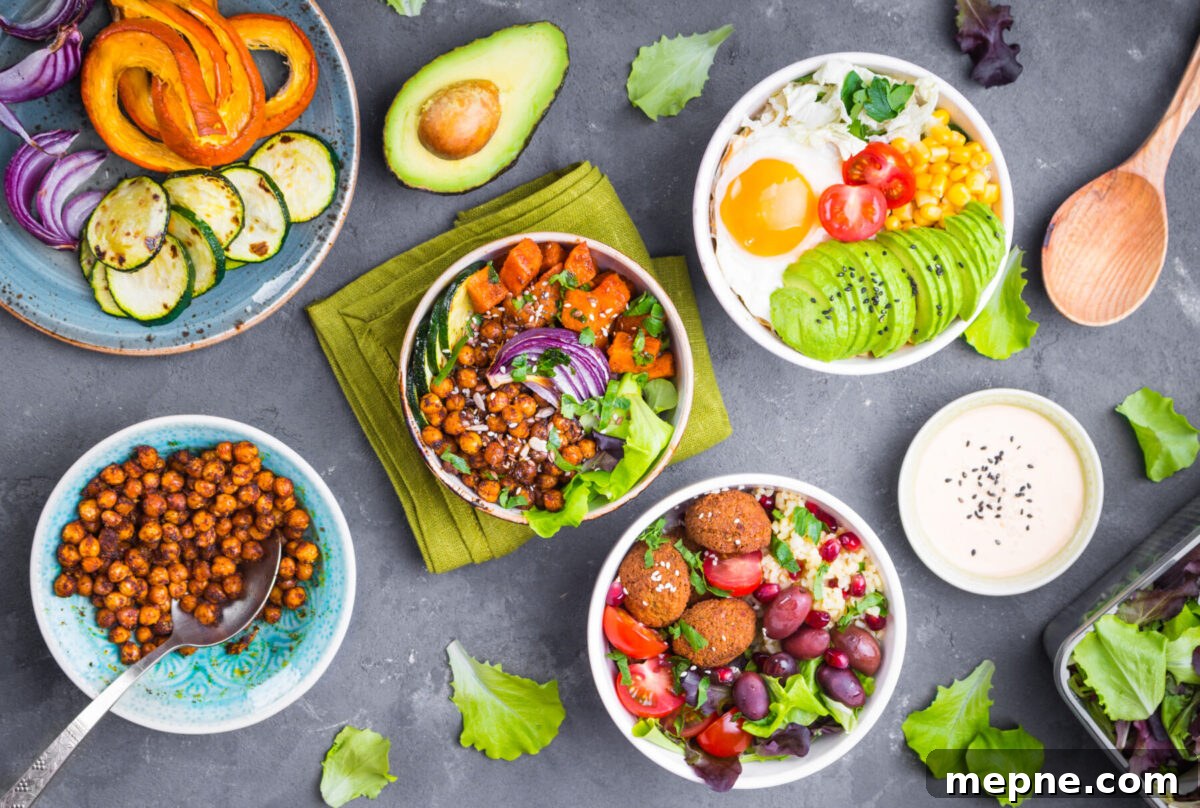
What does protein do, and why is it essential? In short, protein is a core structural and functional component throughout the body. Proteins build and repair tissues, make enzymes that drive chemical reactions, form hemoglobin for oxygen transport, and contribute to hair, skin, muscles, bones, and connective tissue. Because protein is so versatile and widespread in the body, ensuring an adequate intake is important for overall health.
It’s also important to consider where your protein comes from. Foods that provide protein come with other nutrients—calories, fiber, fat, sodium, vitamins and minerals—so evaluating the whole food matters, not just the protein number. Many plant-based protein sources offer additional benefits, including fiber, lower saturated fat, and a range of micronutrients.
Good news: protein is present across many plant foods, and with a little planning most people can meet daily protein goals on a vegetarian diet without difficulty.
Quick note: High-protein vegetarian meals are often naturally high in fiber, lower in saturated fat, and rich in vitamins and minerals.
What is a Vegetarian Diet?
A vegetarian diet excludes meat and has several common variations. Lacto-vegetarian diets include dairy; lacto-ovo vegetarian diets include dairy and eggs. Vegans avoid all animal-derived foods. Across these patterns, emphasis is typically on fruits, vegetables, legumes, whole grains, nuts, seeds, and soy-based foods.
Below are several high-protein vegetarian meal ideas with short descriptions to help you plan balanced, satisfying dishes.
Vegetarian Sources of Protein
All plant foods contain some protein, though concentration varies. Common high-protein plant categories include legumes, soy products, nuts, seeds, and whole grains. Dairy products like milk, Greek yogurt, and cottage cheese are also excellent protein sources for lacto-vegetarians.
Vegetables High in Protein
Vegetables contribute meaningful protein to meals—especially when combined with other protein-rich plant foods. Examples often used to boost protein in meals include legumes (peas, chickpeas), edamame, lentils, and soy-based products.
High Protein Fruits
Fruits provide smaller amounts of protein than legumes or nuts, but some fruits such as avocado and certain berries contribute useful protein and pair well with higher-protein foods to build complete meals.
Grains High in Protein
Whole grains add protein as well as fiber and micronutrients. Quinoa, farro, kamut, and wild rice are examples of grains with higher protein content relative to refined grains.
Benefits of a Vegetarian Diet
- Higher intake of fiber, which supports gut health and digestive regularity.
- Lower intake of saturated fat and zero cholesterol from plant foods.
- Vegetarian and vegan diets are associated with lower rates of obesity, type 2 diabetes, hypertension, and some cancers compared with typical meat-heavy diets.
Possible Nutrient Shortfalls to Watch
A poorly planned vegetarian diet can miss certain nutrients. Focus on including adequate sources of:
- Vitamin B12
- Calcium
- Iron
- Zinc
- Vitamin D
- Omega-3 fatty acids
Common Questions
How much protein do people need daily?
Protein needs vary by weight, age, sex, activity level, and health status. The Recommended Dietary Allowance (RDA) is 0.8 grams of protein per kilogram of body weight per day (roughly 7 grams per 20 pounds). This RDA is a minimum; athletes, people recovering from injury, older adults, and those with certain medical conditions may require more.
What vegetarian foods are high in protein?
Many plant foods are good protein sources. Examples and approximate protein amounts (as commonly listed for typical serving sizes) include:
- Seeds (chia, hemp) — higher protein content by volume
- Nuts (peanuts, almonds) — substantial protein per cup
- Soy products (tofu, tempeh, edamame) — around 20 grams per cooked cup for many forms
- Lentils — about 16 grams per cup cooked
- Beans (chickpeas, black beans) — roughly 15 grams per cup cooked
- Whole grains (quinoa, wild rice, kamut) — around 8–9 grams per cup cooked for many options
How can a vegetarian get 30 grams of protein in a meal?
A tofu stir-fry combined with a whole grain is a straightforward way to reach 30 grams of protein. For example, using a generous portion of tofu with vegetables, a nut-based sauce (peanut or cashew), and brown rice or quinoa can provide a complete, protein-dense meal.
How to make vegetarian food filling?
Vegetarian meals can be very satisfying by adding beans, lentils, whole grains, starchy vegetables (potatoes, sweet potatoes), pasta, and healthy fats from nuts or avocado. Because many plant foods are lower in calories, you can fill your plate with a variety of foods to feel full while still keeping meals nutrient-rich.
How can I get protein without meat?
Not eating meat does not prevent you from meeting protein needs. A varied vegetarian diet that includes legumes, soy products, whole grains, nuts, and seeds provides ample protein. Combine different plant protein sources through the day for a balanced amino acid intake.