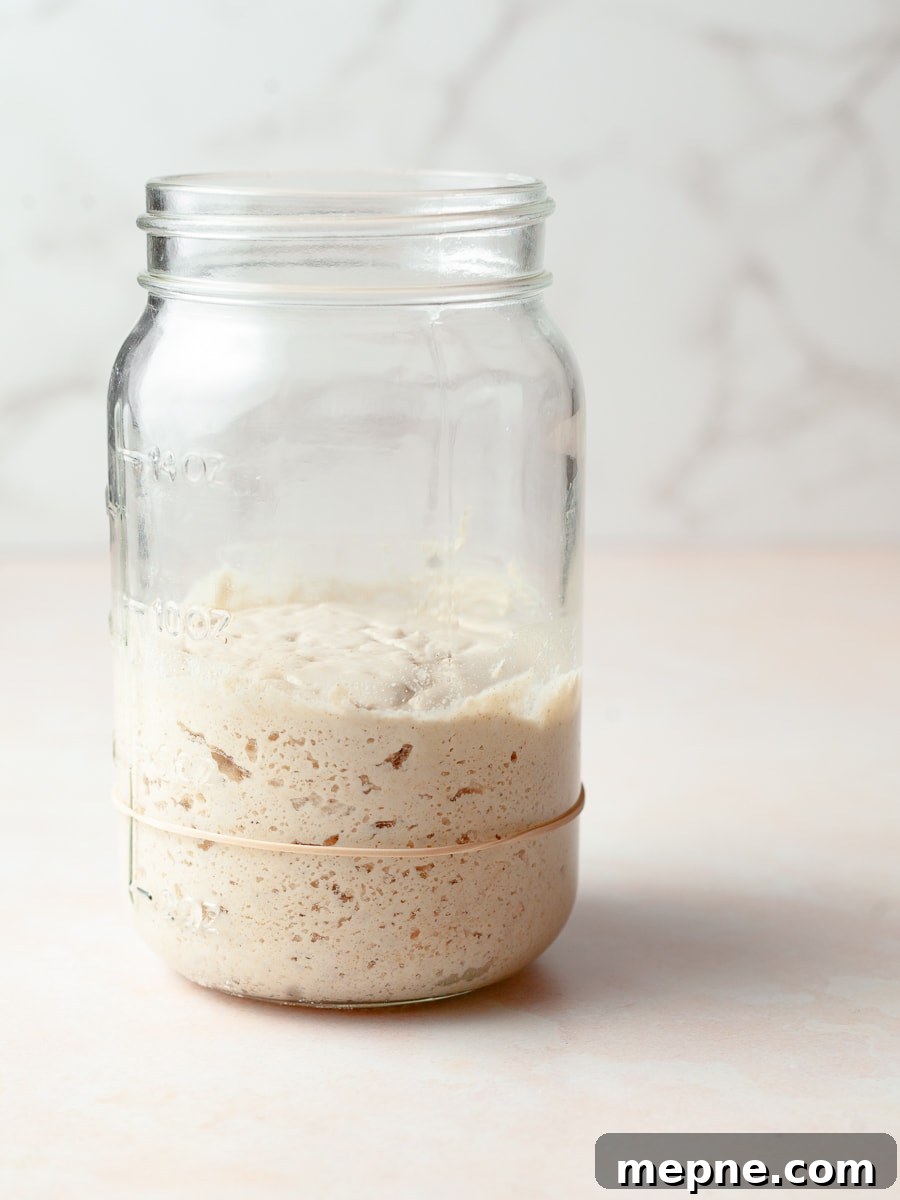
This simple gluten-free sourdough starter uses just two ingredients: gluten-free flour (for example, sorghum or superfine brown rice flour) and filtered water. It requires patience — expect the starter to become active and usable in about 6 to 10 days. This guide explains how to create a gluten-free sourdough starter, how to maintain it, and how to use the discard in recipes.
Recipe Ingredient Notes
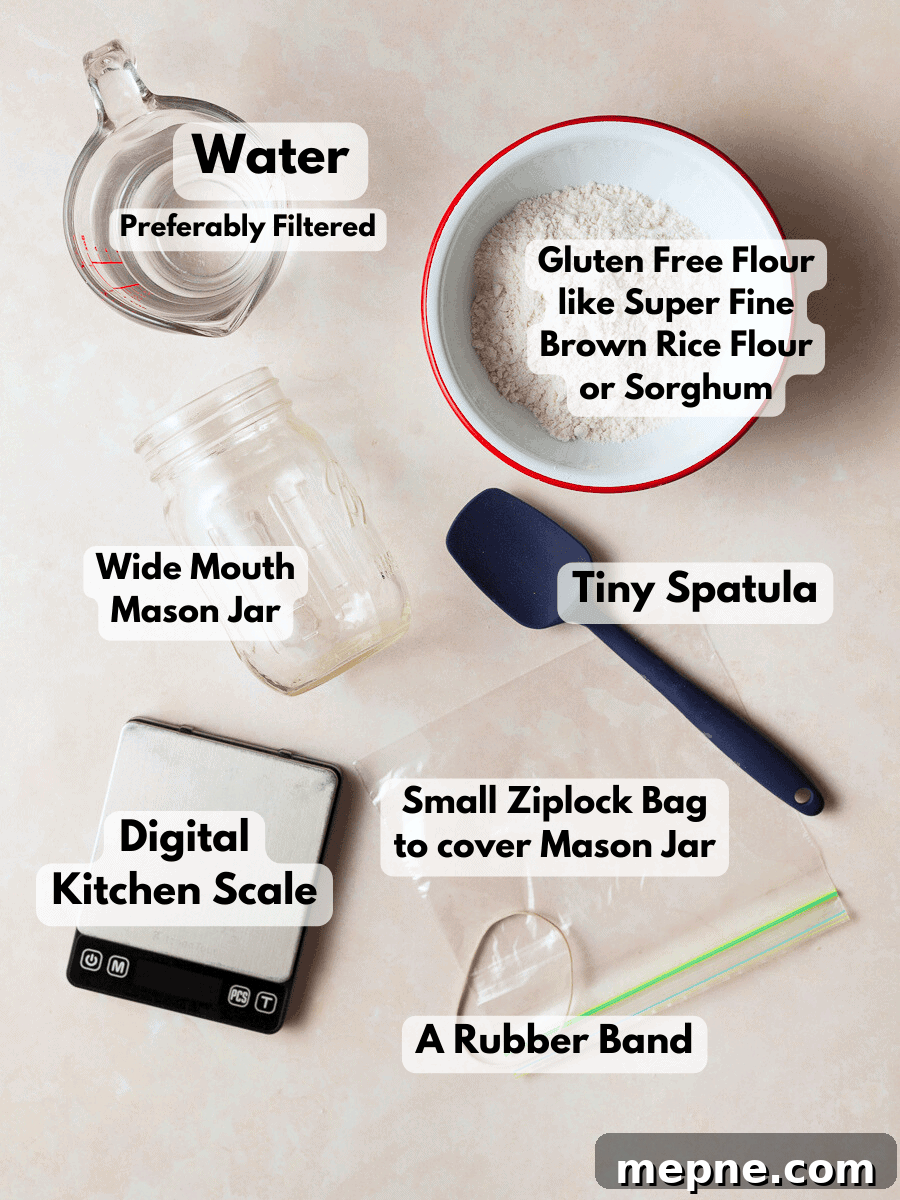
Gluten-free flour: Use fresh gluten-free flour for the best results. Fresher flour tends to give a livelier starter. You can use a single flour or a blend; a common and reliable combination is superfine brown rice flour mixed with sorghum. Other good options include buckwheat flour, which ferments relatively quickly and adds a nutty note.
- Brown rice flour: Neutral flavor and supportive nutrients for yeast growth; superfine varieties work well.
- Sorghum flour: Slightly sweet flavor that contributes to a pleasant starter profile.
- Buckwheat flour: Not related to wheat and naturally gluten-free; adds a nutty flavor and may ferment faster, producing a more pronounced sour aroma.
Different flours absorb water differently. Depending on your choice, you may need a few extra grams of water to reach the consistency of a thick paste.
Water: Use filtered or bottled spring water when possible. Tap water in some areas contains chlorine or other treatments that can slow fermentation and inhibit the wild yeast and bacteria you want to cultivate.
Tools needed to make a Sourdough Starter
Digital kitchen scale: A scale is essential — starter feeding is done by weight for reliable results.
Mason jar: Choose a clean, non-reactive container with room for growth. A wide-mouth 16 oz jar is ideal. Sterilize it before use to reduce the risk of contamination.
To sterilize a jar, wash it thoroughly and submerge it in boiling water for at least 10 minutes. Remove with tongs and let air dry upside down on a clean towel.
Plastic or rubber spatula: Avoid metal when stirring your gluten-free starter; use a small rubber spatula or plastic spoon.
Cover: Use a breathable cover such as cheesecloth secured with a rubber band, or a small re-sealable bag with a few holes for airflow. The starter needs to breathe while keeping out dust and debris.
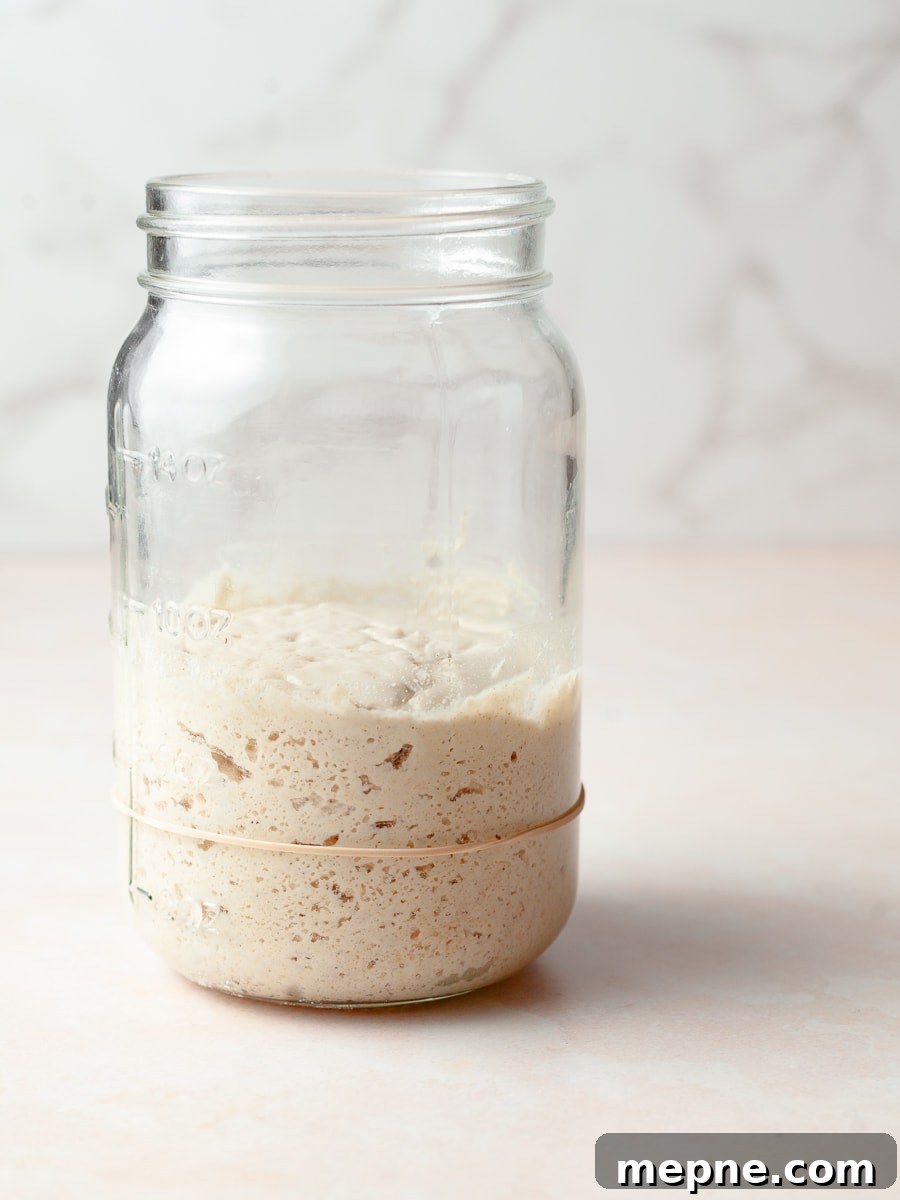
Rubber band: Marking the jar with a rubber band helps you track the starter’s rise and activity.
What is a sourdough starter?
A sourdough starter is a living mixture of flour and water that captures wild yeast and beneficial bacteria from the environment. It acts as the leavening agent for sourdough bread. As the starter ferments, yeast and bacteria multiply and produce carbon dioxide and organic acids. Those processes create the bubbles and tangy flavor characteristic of sourdough. With regular feeding and care, a starter can be maintained indefinitely and used in many recipes beyond bread, including quick breads, pancakes, and discard-based treats.
Pro Tips for making a Gluten-Free Sourdough Starter
- Expect to spend 5–10 minutes a day feeding the starter until it establishes strong activity. Patience and consistency are key.
- Prepare enough flour to cover at least ten feedings of 50 g each so you don’t run out during the build-up phase.
- Keep the jar rim clean; wipe away excess starter after each feeding to prevent mold and contamination.
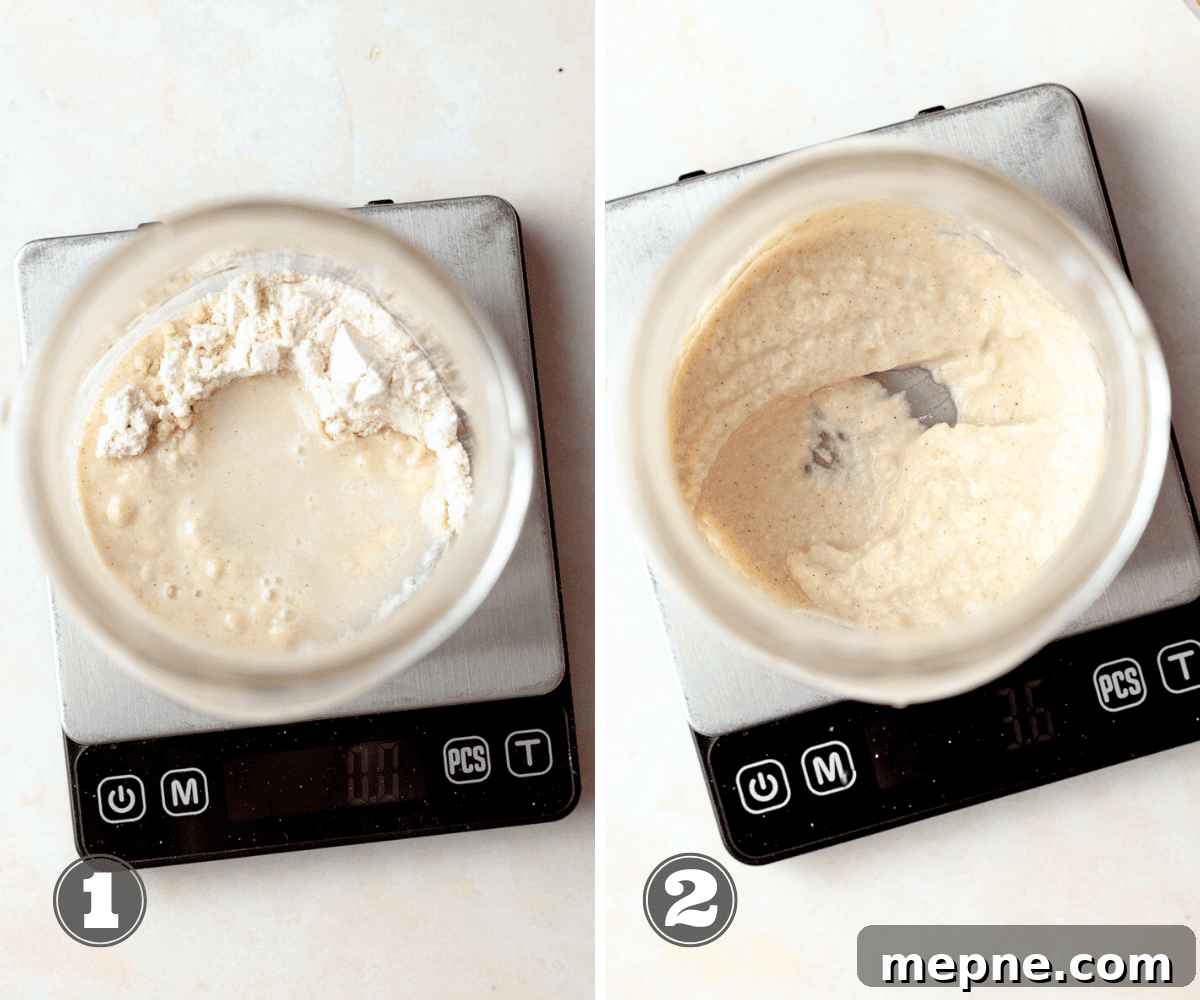
- Always add the flour first, then the water — it mixes more easily that way.
- Feedings typically occur every 8–12 hours. It’s okay if the timing varies slightly as long as you continue feeding your starter regularly.
How to make a Gluten Free Sourdough Starter
Below is a straightforward schedule to create a 100% hydration starter (equal parts starter:flour:water by weight). Use warm water around 77–84°F (25–29°C) to encourage activity.
Start: In a clean, sanitized jar combine 25 grams gluten-free flour and 25 grams warm water. Mix with a plastic spoon or rubber spatula until smooth, scraping down the sides. The texture should be like a thick paste. Cover loosely with cheesecloth secured by a rubber band or a loosely closed lid so gases can escape. Store in a warm spot on the counter, out of direct sunlight.
Feeding #1 (8–12 hours): Add 25 g flour and 25 g warm water. Mix and cover. If the mixture is very stiff, add 5–10 extra grams of water to reach a thick paste consistency rather than dry dough.
Feeding #2 (8–12 hours later): Repeat: 25 g flour and 25 g water. By now you may see bubbles and slight rise depending on the flour used.
Feeding #3 (later day 2): Continue the same feeding pattern; you should see more bubbles and some growth. Place a rubber band at the jar’s initial level to track expansion.
Feeding #4 (day 3): Switch to a 1:1:1 feeding routine and begin discarding. Remove all but 50 g of starter from the jar. Discard or compost the rest. Add 50 g fresh flour and 50 g water, mix, and cover. At this early stage, discard is not yet mature enough for most recipes.
Feedings through day 7: Continue the 1:1:1 feedings every 8–12 hours, always keeping 50 g of starter and refreshing with 50 g flour and 50 g water. The starter should become visibly more active, with bubbles and a stronger rise after each feeding.
After seven days: When you observe consistent doubling or strong rise within 4–12 hours for at least three consecutive feedings, your starter is likely ready to use. For additional strength, continue daily maintenance feedings for another week.
It’s normal for the starter to rise and then deflate. If there is no activity after seven days, consider starting again with fresh flour and water.
Signs your Gluten Free Sourdough Starter is ready to use
Smell: A developing starter will shift from a sweet, floury scent to a more tangy, slightly sour aroma as it approaches peak activity.
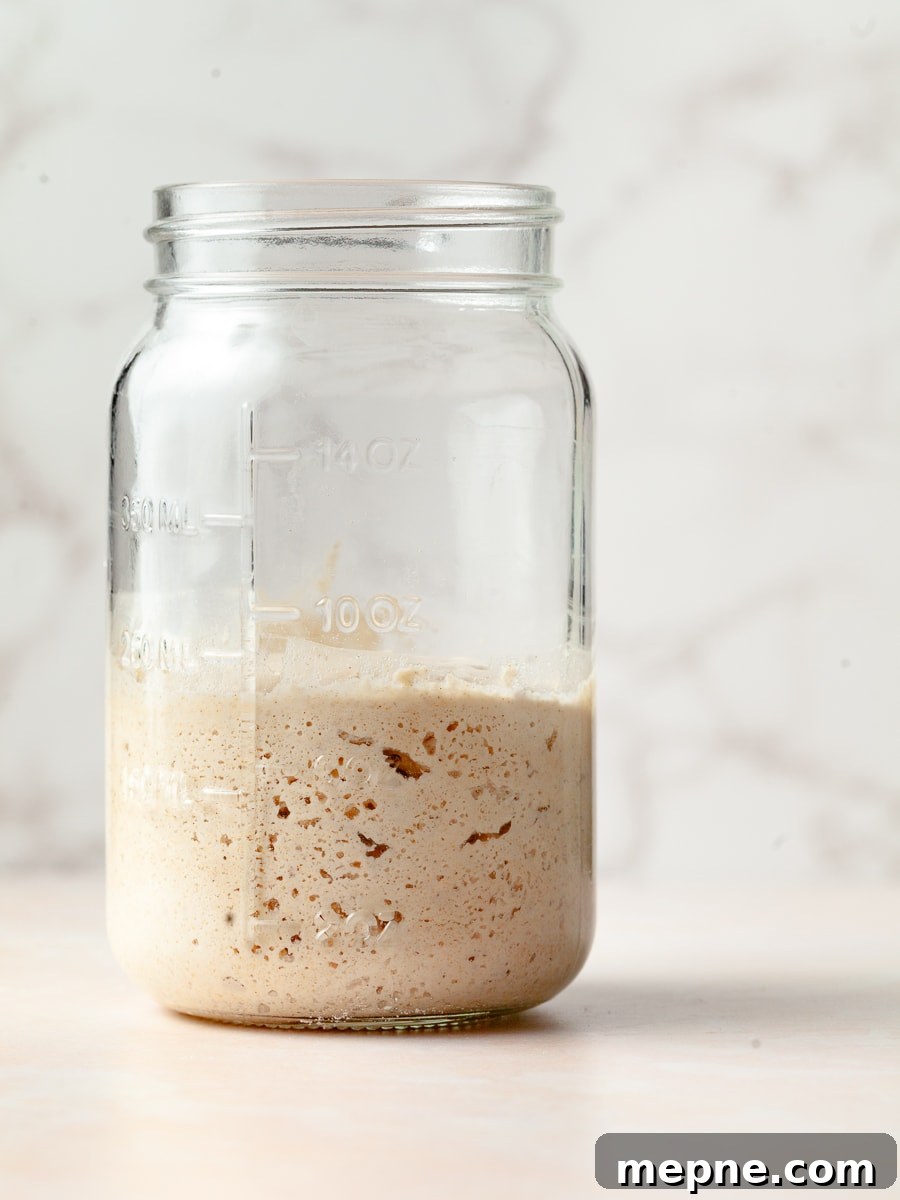
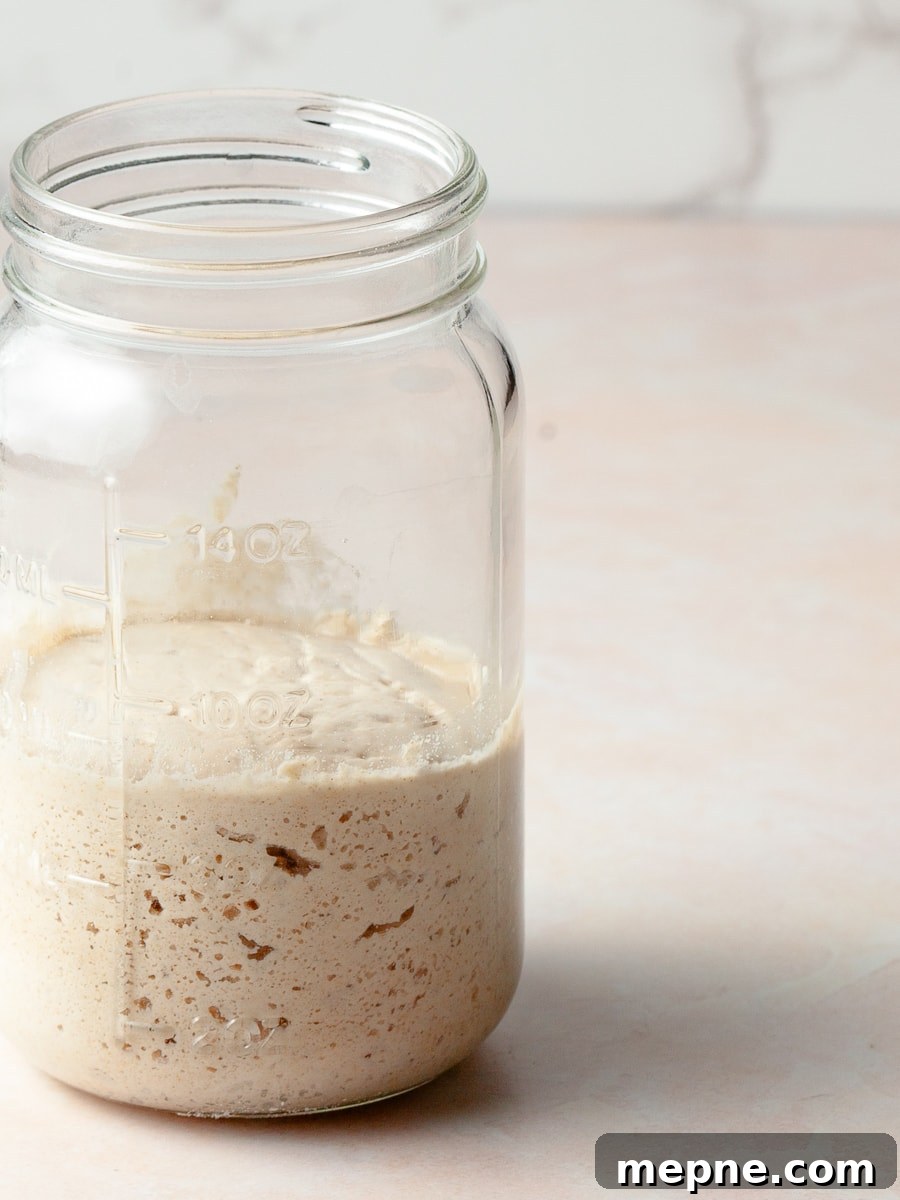
Appearance: Look for visible bubbles and a domed surface shortly after feeding. A healthy starter often doubles in size within a few hours of a feeding and forms air pockets that indicate active fermentation.
Maintaining a Sourdough Starter
Once established, a starter can be kept at room temperature with daily feedings or stored in the refrigerator and fed weekly. Starters grow faster in warm weather, so you may choose to keep only a small active portion at room temperature during the summer and store the rest in the fridge.
Room temperature maintenance: If you bake several times a week, keep the starter at room temperature and feed daily. A convenient maintenance feeding is 25 g starter : 25 g flour : 25 g water. To ramp up for a recipe, keep a larger quantity (for example, 50 g starter) and feed 50 g flour and 50 g water until you reach the amount needed.
Refrigerator maintenance: If you bake infrequently, refrigerate the starter and feed once a week. Remove it from the fridge, feed at 1:1:1, let it become active, then return it to cold storage if not using immediately. Keeping only a small amount, like 25 g, in the fridge saves flour and space.
Sourdough Starter Troubleshooting
Sluggish starter
If your starter shows little activity, try the following:
- Confirm you’re feeding at a 1:1:1 ratio by weight. Adjusting the ratio can stimulate activity.
- Keep the starter in a warmer spot (ideal 70–80°F / 21–27°C) and use warm water for feedings.
- Increase feeding frequency to twice daily to give microbes more fresh food.
- If nothing changes after several days, start a fresh batch with new flour and water.
Off odors
Strong vinegar or acetone-like smells indicate problems such as overfermentation, contamination, or an imbalance in the starter. Common causes are unclean utensils, tap water with chlorine, or inconsistent feedings. If the smell is harsh and persistent, it’s safest to discard and restart.
Separation (hooch)
A layer of liquid, called hooch, forms when the starter has used up available nutrients. It’s a sign the starter needs feeding. Hooch often appears when feedings are skipped, when the jar is kept too warm, or when hydration is high. Pour off or stir in the hooch, then refresh the starter with a feeding and consider shortening the feeding interval or moving the jar to a cooler spot.
How to dehydrate and rehydrate a Sourdough Starter
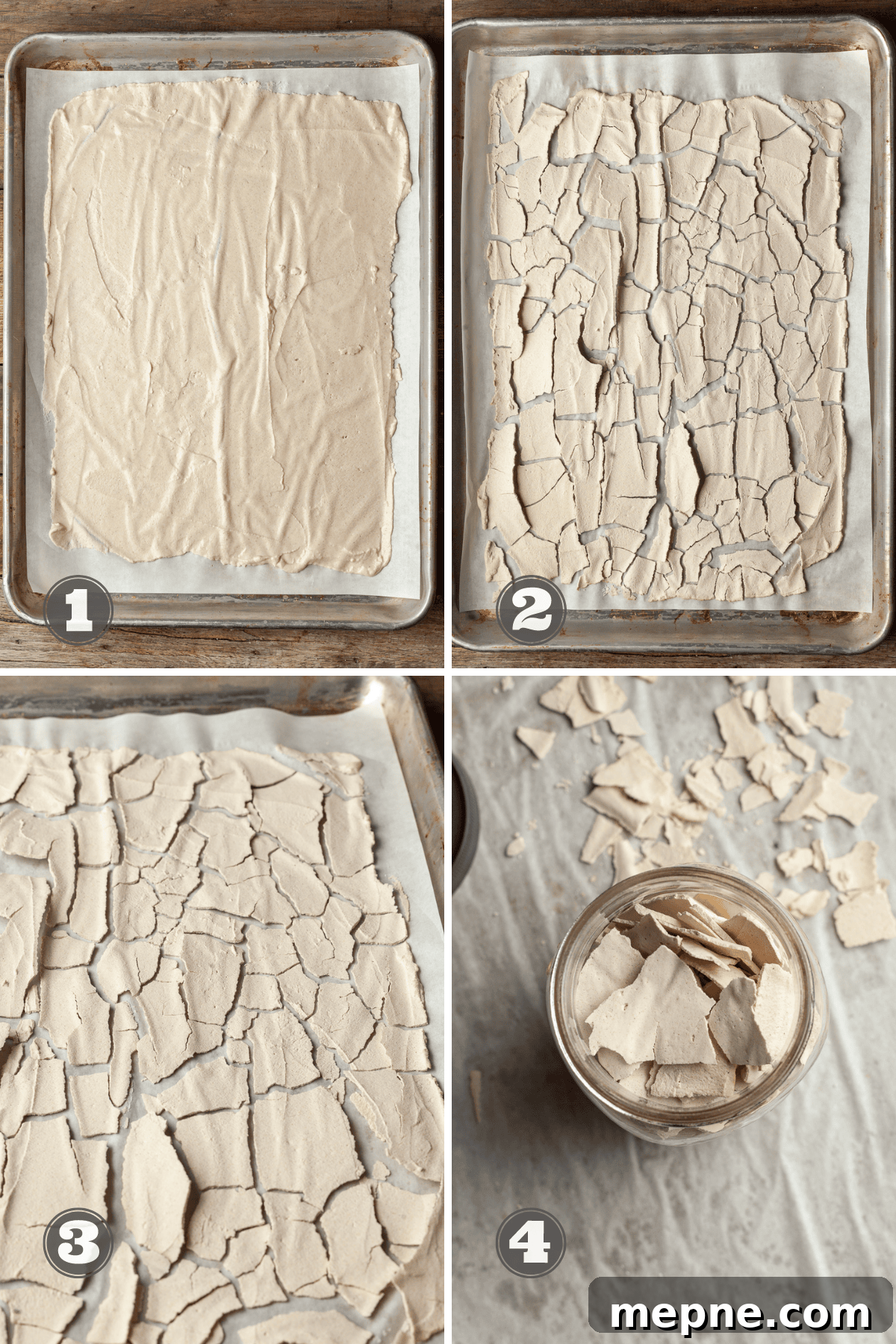
Dehydrating an active starter provides a lightweight, long-term backup that doesn’t require refrigeration or frequent feeding. Feed your starter 4–6 hours before dehydration so it is active.
Spread a thin layer of active starter on parchment-lined sheet trays and place them in a turned-off oven or a dry warm place for 24–48 hours on a low-humidity day until completely dry. Break the dried starter into pieces and store in an airtight container in a cool, dark place. Properly dried starter can last for years.
To rehydrate, combine 15 g dried starter with 30 g flour and 30 g water in a clean jar. After 12 hours, feed with 30 g flour and 30 g water and let sit another 12 hours. Repeat once more; the starter should regain active bubbling and be ready for regular 1:1:1 maintenance.
Gluten Free Sourdough Discard
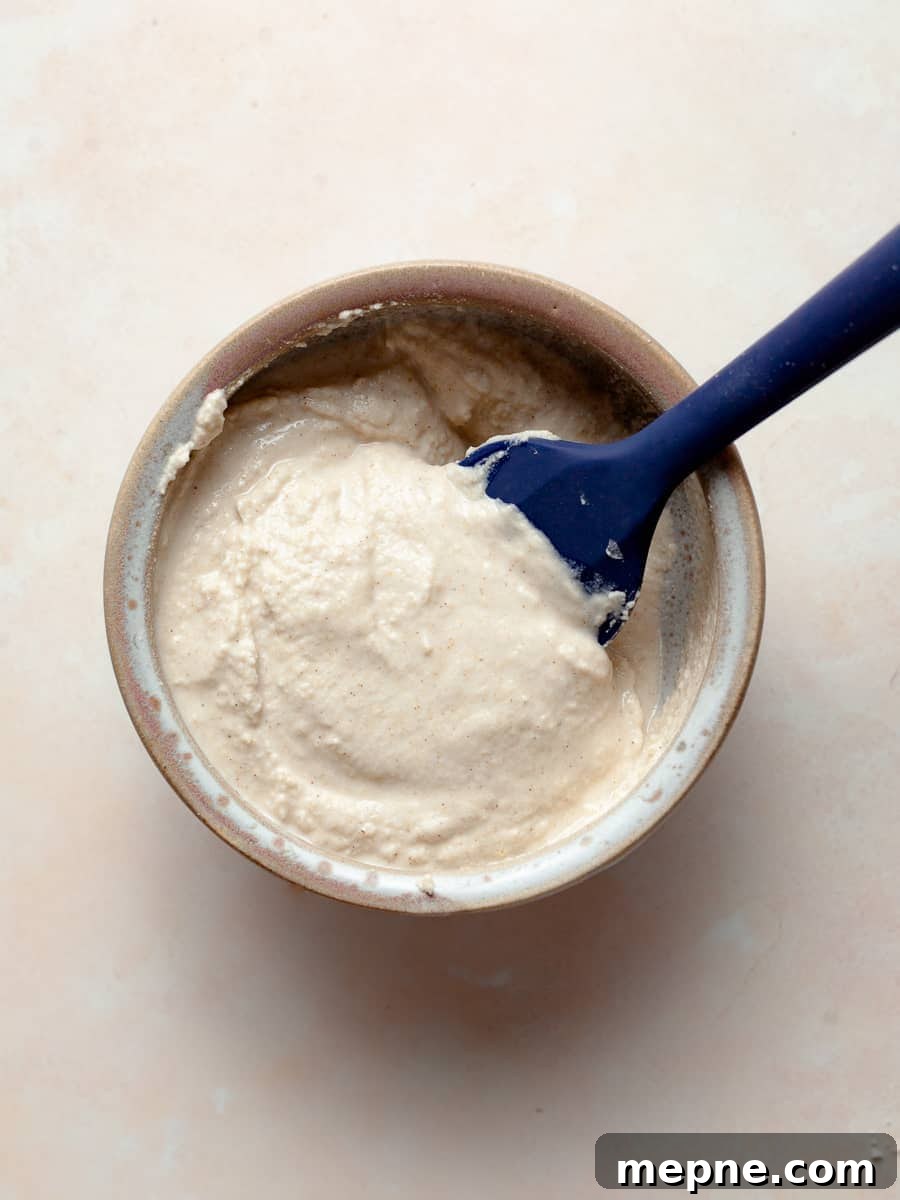
Discard is the portion removed during regular feedings. It still contains wild yeast and lactic acid bacteria, making it useful for baked goods and snacks. Discard can improve texture and flavor in gluten-free recipes and can be stored in the fridge for up to seven days. Bring discard to room temperature before using; there is no need to feed it first.
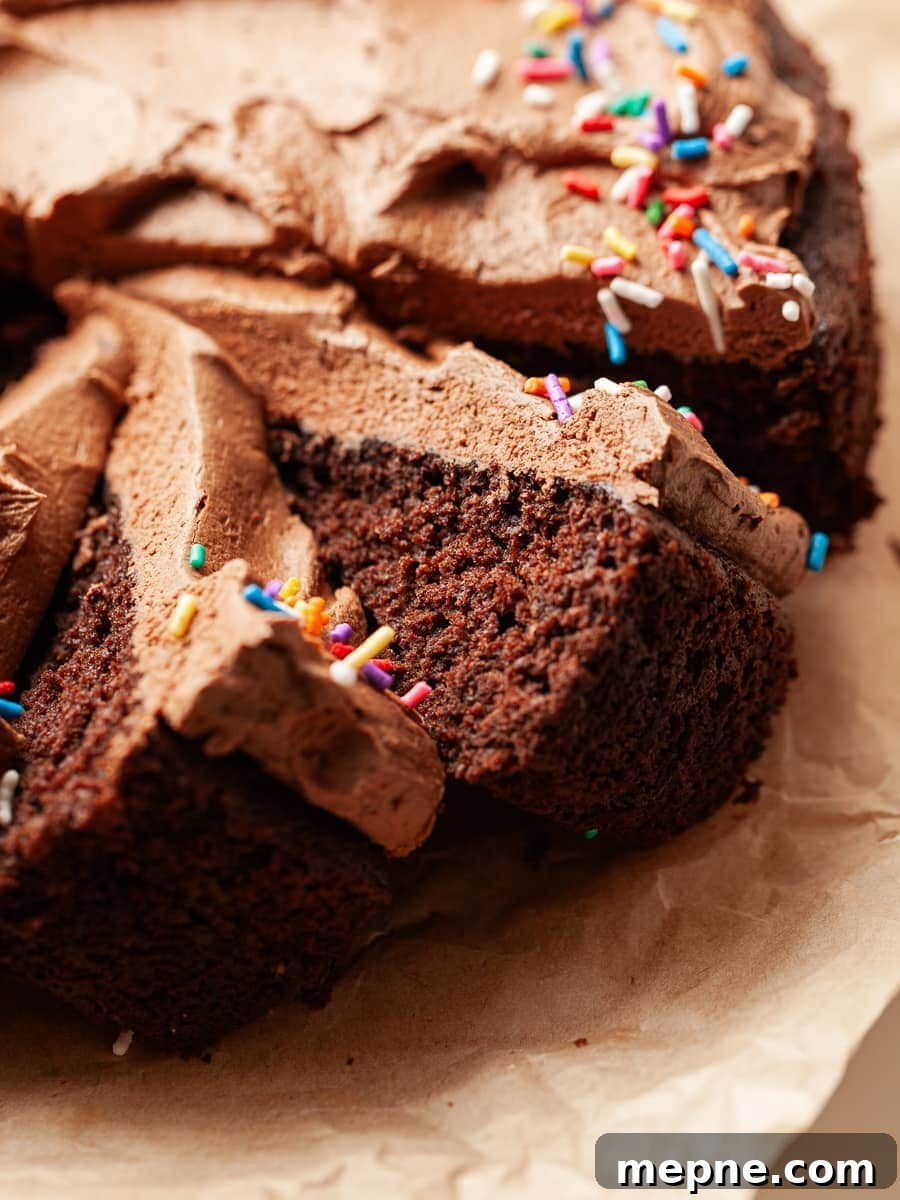
Some favorite discard uses include crackers, pancakes, quick breads, and cakes that benefit from the mild tang and moisture the discard adds.
FAQ about Gluten-Free Sourdough Starters
That liquid is called hooch. It forms when the starter needs feeding. You can stir it back in or pour it off before feeding; it may make the starter taste slightly more sour.
Yes. A popular combination is sorghum flour mixed with superfine brown rice flour, but you can experiment with other gluten-free flours as long as you adjust hydration as needed.
Trust your nose. If the starter smells strongly like nail polish remover (acetone) or has visible mold, discard it and start over.
Starters are resilient. If you miss feedings, revive it with a fresh feeding schedule. Refrigerated starters can usually go 7–10 days between feedings.
Recipe
Gluten Free Sourdough Starter
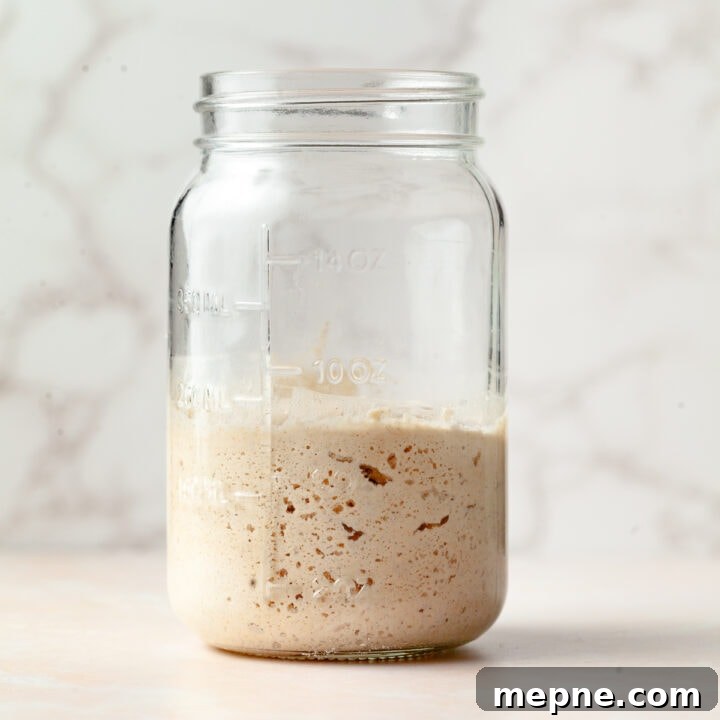
A small-batch gluten-free sourdough starter made from gluten-free flour and filtered water. Follow the schedule below to build and maintain a healthy culture.
5 minutes
5 minutes
7 days
7 days 10 minutes
Ingredients
Gluten Free Sourdough Starter
- 350 grams gluten-free flour of choice
- Filtered or bottled spring water, as needed
Instructions
How to make a Gluten Free Sourdough Starter
Start: In a clean, sanitized jar combine 25 g gluten-free flour and 25 g warm water (77–84°F / 25–29°C). Mix with a plastic spoon or rubber spatula until smooth. Cover loosely and keep at room temperature.
Feeding #1: 8–12 hours later add 25 g flour and 25 g warm water, mix, and cover. Add a little extra water if the mixture is too stiff.
Feeding #2 & #3: Repeat every 8–12 hours. Bubbles and growth should become more apparent.
Feeding #4 (switch to 1:1:1 and discard): On day three keep 50 g starter, discard the rest, then add 50 g flour and 50 g water. Mix and store at room temperature.
Feedings through day 7: Continue the 1:1:1 feedings every 8–12 hours, always keeping 50 g starter and refreshing with 50 g flour and 50 g water. After consistent growth for several days, the starter is ready for baking.
Notes
See the guide above for troubleshooting, dehydrating, and discard uses. Consistency in feeding and a warm, stable environment will help your starter develop into a reliable baking partner.