A healthy way to stretch meat and extend 4 pounds into 14 dinners (for a family of 5)
Two weeks of healthy, gluten-free dinners using only 4 pounds of meat. This budget-friendly meal plan stretches meat without sacrificing flavor so the whole family can enjoy satisfying, wholesome meals.






Note: This post originally referenced product recommendations; this version focuses on the plan and techniques to stretch meat and save on groceries.
Eating gluten-free and choosing whole foods can feel expensive, especially when feeding a family. But with intentional planning and a few simple techniques, you can keep meals nutritious and affordable. This two-week, 14-dinner plan shows how 4 pounds of meat—2 pounds ground beef and 2 pounds chicken—can provide filling, balanced dinners for a family.
Good news: A healthy, gluten-free, budget-friendly meal plan is achievable with a little prep and smart stretching of meat portions.
Think of meat as a complement to vegetables, starches, and legumes rather than the sole focus of the plate. Reserve premium cuts for special occasions and use economical, nutritious strategies the rest of the time.
This budget meal plan covers 14 dinners using only 4 pounds of meat
This is a reduced-meat plan, not a meat-free plan. Only a handful of dinners are entirely vegetarian; most include smaller portions of meat combined with vegetables, beans, or grains so no one goes hungry. My family—who enjoy hearty meals—found these dishes satisfying and flavorful.
Plan to use 2 pounds of ground beef and 2 pounds of chicken over the two weeks. The ground beef is bulked up with potatoes, carrots, celery, onion, and mushrooms so it stretches into multiple meals while staying moist and tasty. The chicken is cooked, shredded, or sliced and portioned so a little goes a long way.
What type of meat to buy
When possible, choose higher-quality meat that fits your budget—grass-fed or pasture-raised beef and free-range chicken are good options when available. If those choices are too costly, frozen sales and reduced-price packages can be great ways to get nutritious meat affordably. Keep an eye on meat specials and freeze what you don’t use immediately.
How to stretch ground beef (also works for hamburgers)

Step One
Puree the vegetables: 1 large carrot, 1 celery stick, 1 cup mushrooms, half a yellow onion, and 1 medium russet potato (or a small sweet potato) in a food processor or blender. If you don’t have a processor, finely grate or mince the vegetables instead.
Step Two
Place the puree in a clean tea towel, cheesecloth, or a clean T-shirt and squeeze to remove excess water. This concentrates the flavor and prevents the mixture from becoming too wet.
Step Three
Mix the drained puree with 2 pounds ground beef in a large bowl. Season with 1 teaspoon salt and 1 teaspoon black pepper (adjust to taste). Combine thoroughly—using your hands works well, like when preparing meatloaf.
Step Four
Cook the mixture in a skillet over medium-high heat with 2 tablespoons of avocado or grapeseed oil, breaking it apart as it browns. Cook until fully done. Alternatively, form the mixture into a loaf and cook in a pressure cooker or Instant Pot, then crumble afterward.
Step Five
Portion the cooked beef into five containers and freeze four of them. Keeping one in the fridge gives you a ready base for meals across the first week while the rest stay frozen for later use.
How to prepare the chicken
Week One
Cook 1 pound of chicken and shred it—bake, poach, or use a pressure cooker until the internal temperature reaches 165°F. Divide into two containers: keep one refrigerated for the first meal and freeze the other for later.
Week Two
Slice or thinly shred the remaining 1 pound of raw chicken, portion it into two freezer bags or airtight containers, and freeze. Thaw the needed portion in the fridge the day before use and add any marinade the morning of.
- Prep tip: Pull the required container from the freezer the day before each meaty meal to thaw in the refrigerator.
- Repeat meals you love to simplify planning.
- For stir-fries, add vegetables like zucchini, bell pepper, cabbage, spinach, or water chestnuts.
- Use tamari or coconut aminos in place of regular soy sauce if you need a gluten-free substitute.
Dairy-free adjustments
If you avoid dairy, you can swap cheeses for plant-based alternatives or homemade cashew-style cheese in Mexican dishes. Use refined coconut oil or a vegan butter substitute in baking and mashed potatoes. Omit cheese on pizza or use a dairy-free topping option, and substitute spaghetti pie with spaghetti and meat sauce when preferred.
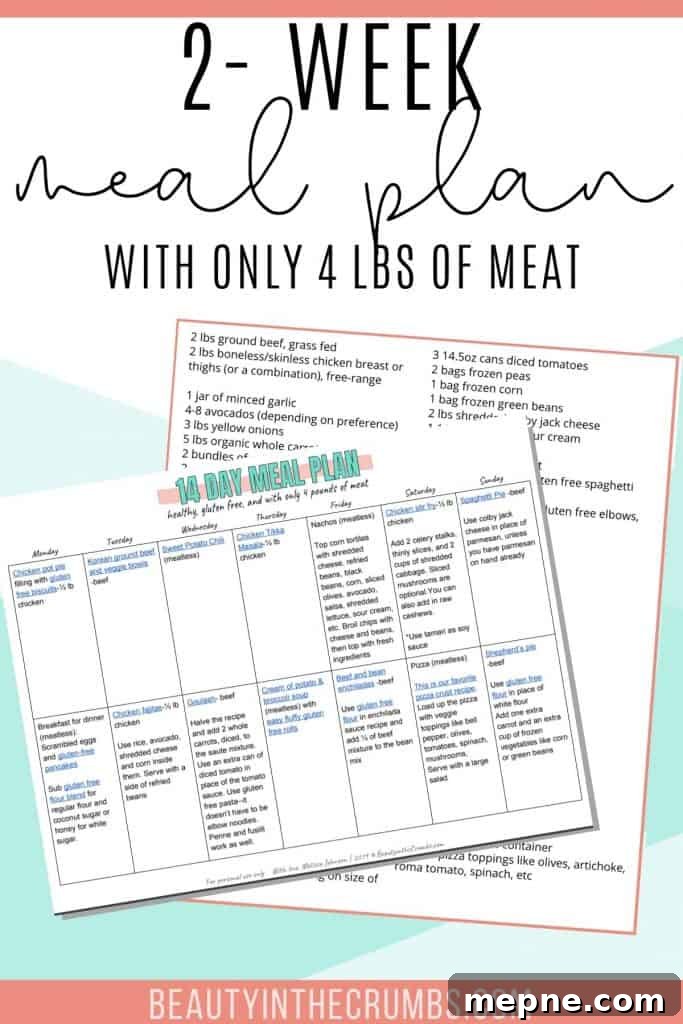
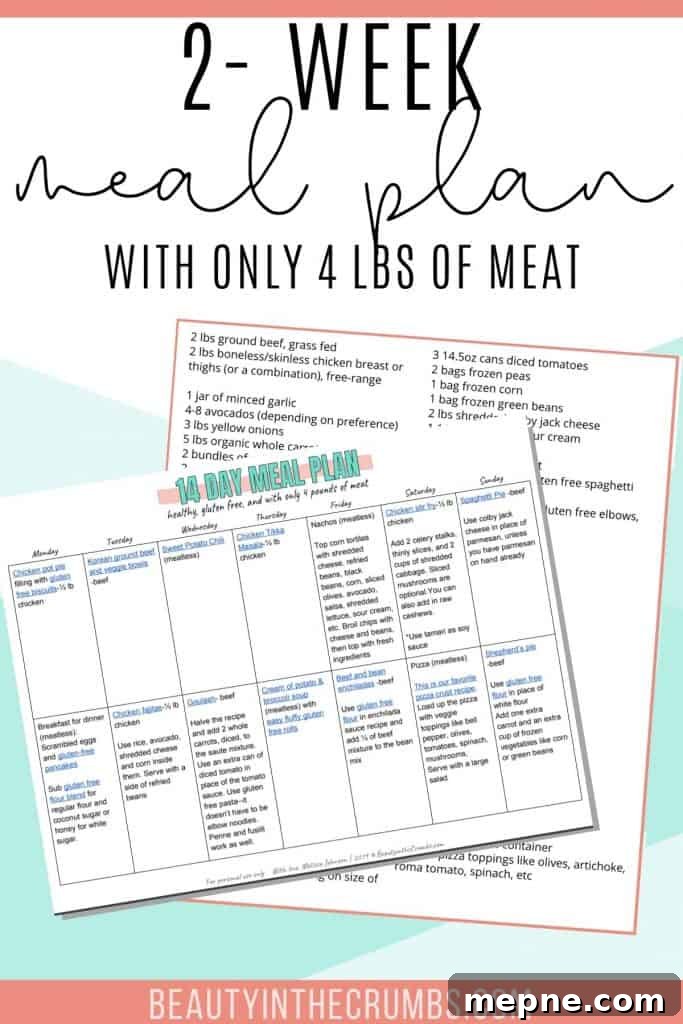
Budget meal plan for two weeks
- Chicken pot pie in a flaky crust or served with gluten-free biscuits
- Korean-style ground beef and vegetable bowls
- Sweet potato chili with gluten-free cornbread
- Chicken tikka masala
- Loaded nachos topped with beans, corn, avocado, salsa, and fresh toppings
- Chicken stir-fry with celery, shredded cabbage, and optional cashews (use tamari or coconut aminos)
- Spaghetti pie or traditional spaghetti with meat sauce
- Breakfast for dinner—gluten-free pancakes and scrambled eggs with fruit
- Chicken fajitas with rice, avocado, cheese, and refried beans
- Goulash bulked up with extra carrots and additional diced tomatoes
- Creamy potato and broccoli soup with gluten-free rolls
- Beef and bean enchilada casserole with a portion of the extended beef mixed with beans
- Gluten-free pizza loaded with vegetables and served with a large salad
- Shepherd’s pie topped with mashed potatoes and extra frozen vegetables
Frugal breakfast and lunch tips: Repeat simple lunches to keep costs down. Ideas include hard-boiled eggs, gluten-free pasta with butter and seasoning, nachos, sandwiches on gluten-free bread, quesadillas, and leftovers.
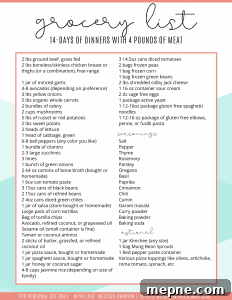
Grocery planning
More money-saving ideas
Ways to save on specialty diets: Plan meals around weekly sales, buy in bulk when items are on discount, freeze portions, and use versatile pantry staples like beans, rice, and frozen vegetables to round out meals and reduce per-serving cost.
With a bit of prep and creativity, you can serve nutritious, gluten-free family meals for two weeks while using only 4 pounds of meat—without anyone going hungry. Stretching meat this way saves money and reduces food waste while keeping dinners flavorful and satisfying.