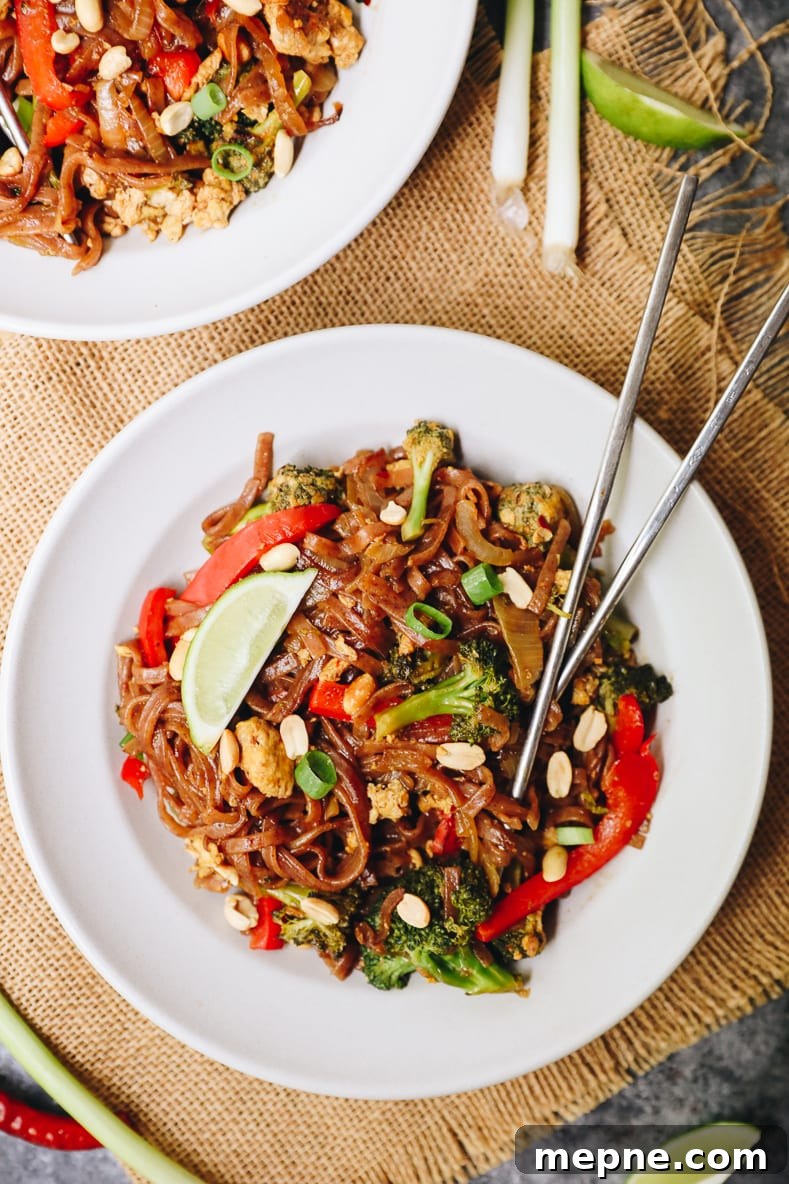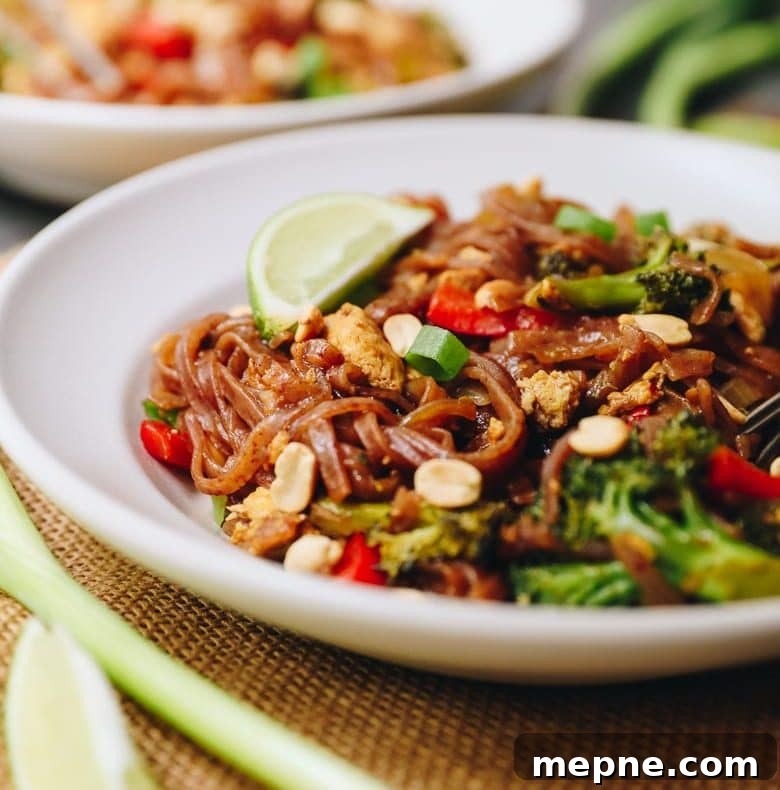
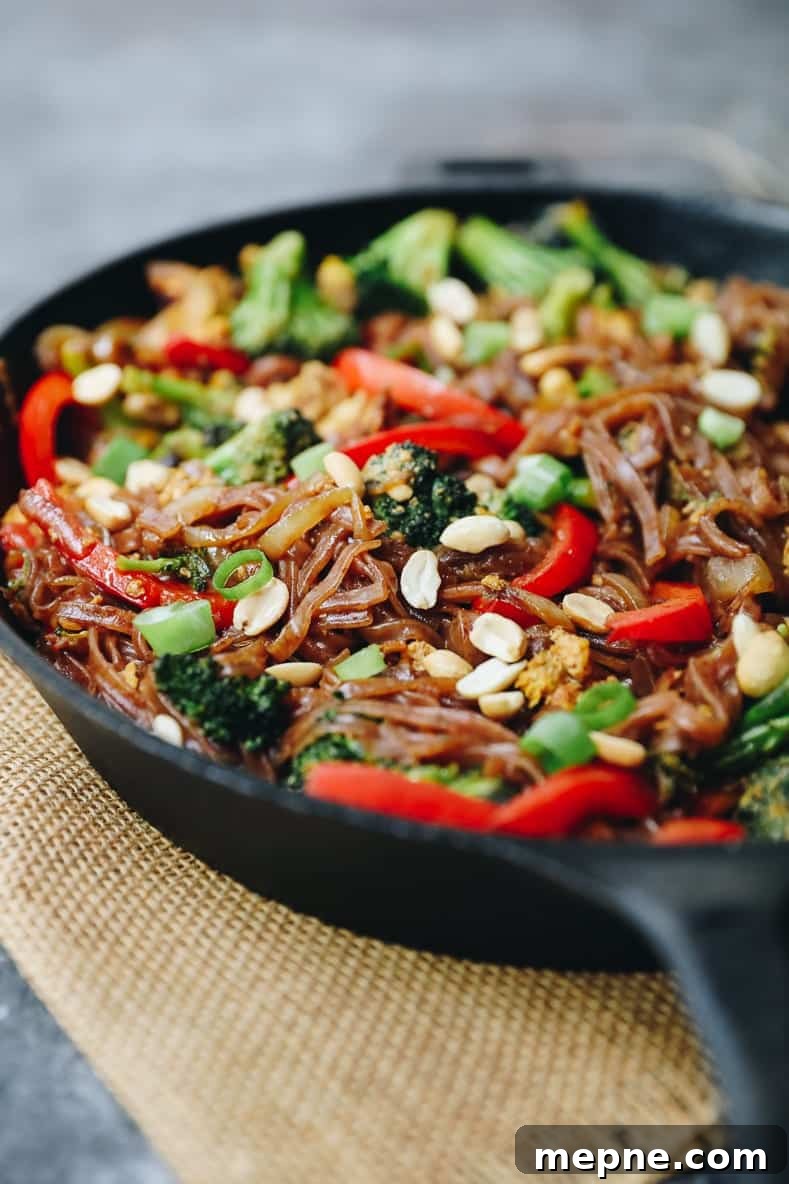
Enjoy the flavors of a classic Thai pad thai with a vegetarian spin. This easy veggie pad thai comes together in about 20 minutes and delivers a hearty, vegetable-packed dinner that rivals takeout.
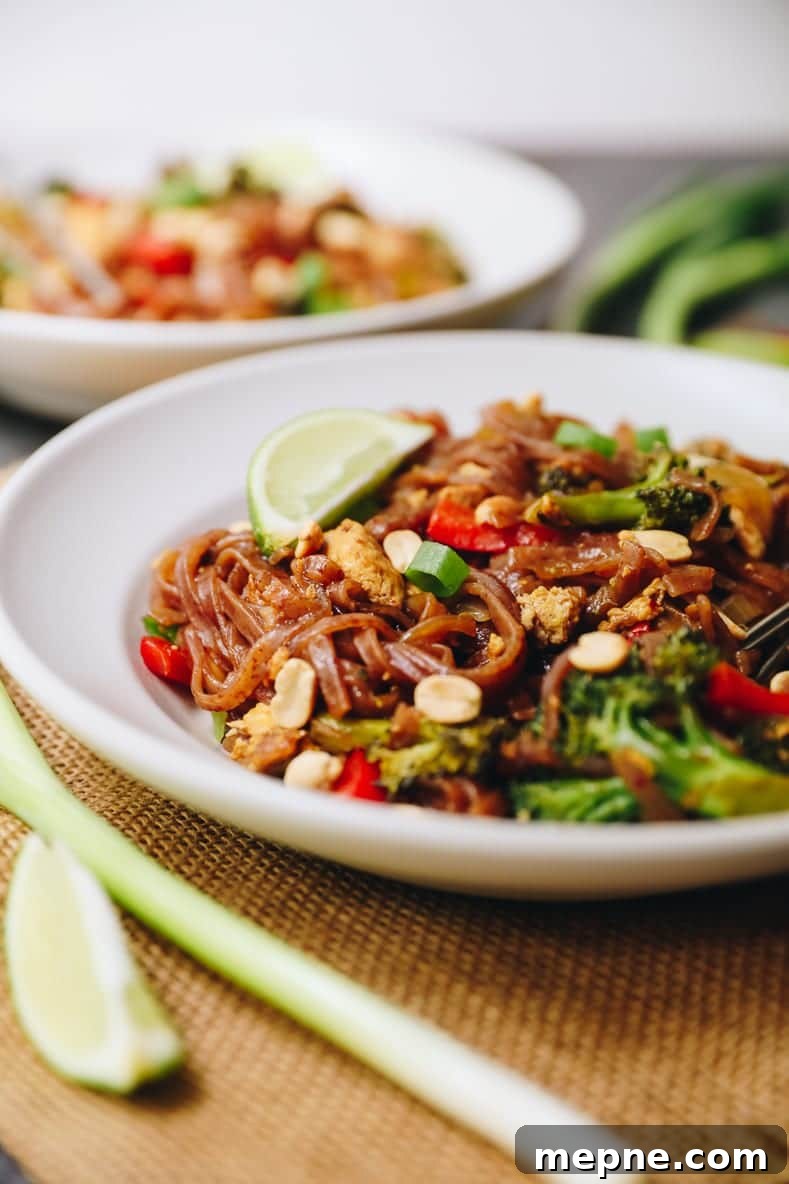
Table of Contents
- The BEST Pad Thai Recipe!
- Ingredients in Veggie Pad Thai
- What is Tamarind Puree?
- How To Customize This Veggie Pad Thai
- Is this Veggie Pad Thai Vegetarian?
- Storage Instructions
- More Easy Dinner Recipes
- Veggie Pad Thai Recipe
The BEST Pad Thai Recipe!
I’ve refined this veggie pad thai over time to capture the bright, balanced flavors you expect from a restaurant-style pad thai. The key was adding tamarind puree to the sauce, which brings an authentic tang that so many Americanized versions lack. With a jar of tamarind on hand, this recipe is quick and flexible — ready in about 20 minutes and adaptable to whatever vegetables you have available.
Ingredients in Veggie Pad Thai
Pad thai is essentially a rice noodle stir-fry with a tangy, slightly sweet tamarind-based sauce. Below are the core ingredients and simple substitutions to suit dietary needs.
- Rice noodles – Use any rice noodles you prefer; brown rice noodles work well. These are sometimes labeled “pad thai noodles.”
- Sesame oil or peanut oil – Both add good flavor. Coconut or olive oil can work in a pinch.
- Yellow onion and garlic – A savory base for the stir-fry.
- Fresh vegetables – Aim for about 4 cups total: broccoli, bell pepper, broccolini, bok choy, carrots, bean sprouts, or cauliflower are all great options.
- Large eggs – Scrambled into the dish for protein; omit to make the recipe vegan.
- Sweet chili sauce – Adds sweet heat; use more if you like it spicier.
- Soy sauce or tamari – Tamari is a gluten-free alternative.
- Fish sauce – Optional: traditional for depth of flavor but omit or replace if vegetarian. Vegan fish sauce substitutes are available.
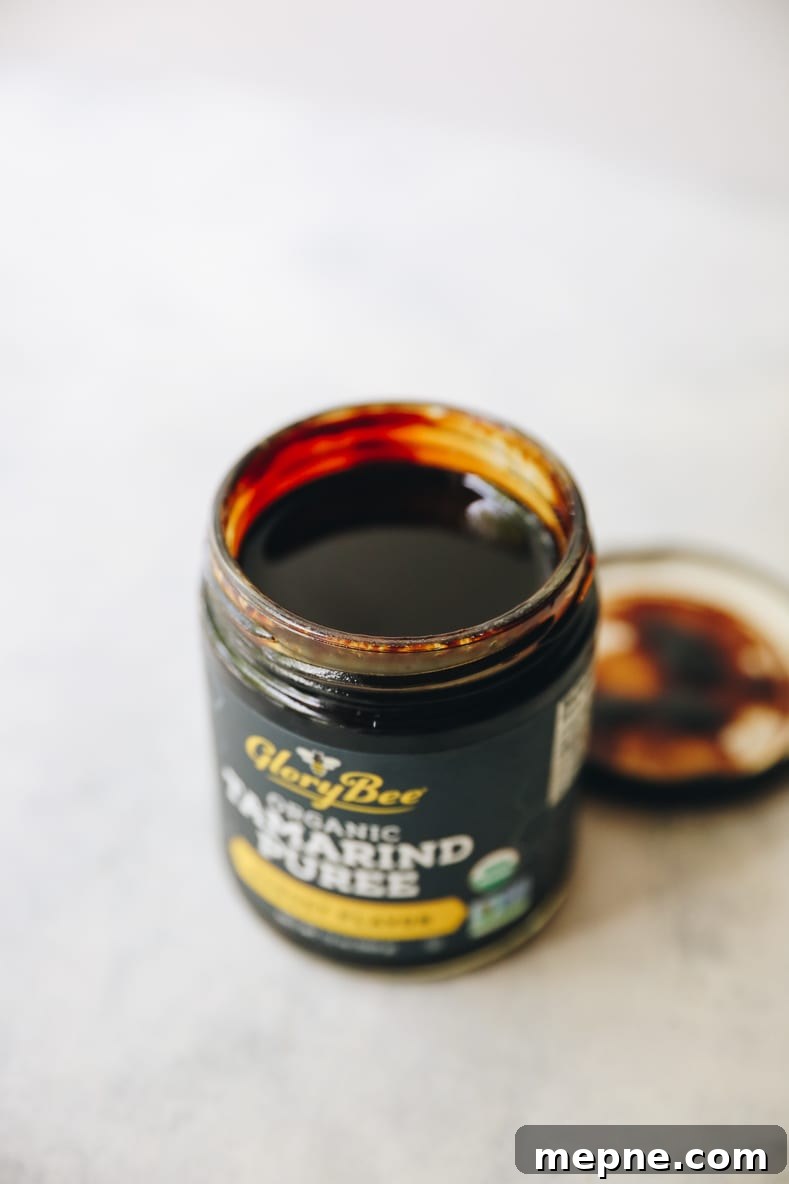
- Tamarind puree – A classic pad thai ingredient that gives the sauce its distinctive tang. If you find tamarind paste instead, dissolve a tablespoon of paste in 1/4 cup hot water to replace 2 tablespoons of puree.
- Lime juice – Brightens the sauce; serve with extra lime wedges if desired.
- Coconut palm sugar or brown sugar – Balances acidity with a touch of sweetness.
What is Tamarind Puree?
Tamarind puree or paste is made from the tamarind fruit and provides a sour, fruity note that’s essential to traditional pad thai. Some simplified recipes substitute ketchup or other acidic elements, but tamarind gives a cleaner, more authentic flavor. You can find tamarind at Asian groceries and many natural food stores; a jar or block keeps well in the fridge, so it’s handy for repeating this recipe.
How To Customize This Veggie Pad Thai
This recipe is designed to be flexible:
- Vegetables: Use any combination you like. Suggested options: broccoli florets, carrots, red bell pepper, broccolini, bok choy, cauliflower, or bean sprouts.
- Protein: If you want extra protein, add pan-fried tofu, shredded chicken, or shrimp. Using additional protein may add a little cooking time.
- Sauce swaps: Replace soy sauce with tamari or coconut aminos for dietary preferences. Brown sugar works in place of coconut palm sugar.
- Garnishes: Top with crushed peanuts, green onions, cilantro, extra lime, or red pepper flakes for heat.
Above all, experiment with what you have and enjoy the process — this dish is forgiving and rewarding.
Is this Veggie Pad Thai Vegetarian?
The recipe is easily made vegetarian by omitting fish sauce or using a vegan fish sauce substitute. To make it fully vegan, skip the eggs as well. While small changes alter the traditional taste slightly, the result is still flavorful and satisfying.
Storage Instructions
Store leftovers in an airtight container in the refrigerator for up to 2–3 days. Reheat gently on the stovetop or in the microwave until warmed through. Add a splash of water when reheating if the noodles have absorbed most of the sauce.
More Easy Dinner Recipes
- Chicken Pad See Ew
- Sesame Soba Noodles
- Baked Chimichurri Salmon
- Healthy Kimchi Fried Rice
- Za’atar Chicken Sheet Pan Dinner
- The Ultimate Buddha Bowl
Veggie Pad Thai

5 from 3 reviews
This quick vegetarian pad thai is ready in about 20 minutes and loads your plate with vegetables and authentic-tasting sauce.
- Author: Davida Lederle
- Prep Time: 5 minutes
- Cook Time: 15 minutes
- Total Time: 20 minutes
- Yield: 4 servings
- Category: Dinner
- Method: Cook
- Cuisine: Thai
- Diet: Vegetarian (optional)
Ingredients
For the sauce:
- 2 1/2 tbsp sweet chili sauce (add more for extra heat)
- 3 tbsp soy sauce or tamari
- 2 tbsp fish sauce (omit for vegetarian and replace with 1 tbsp additional soy sauce)
- 2 tbsp tamarind puree* (see note)
- Juice of 1 lime
- 1 tbsp coconut palm sugar or brown sugar
- 1/4 cup water
For the noodles:
- 8 oz rice noodles
- 2 tbsp sesame oil or peanut oil
- 1 medium yellow onion, sliced
- 2 garlic cloves, minced
- 4 cups mixed vegetables (broccoli, bell pepper, broccolini, bok choy, etc.)
- 4 large eggs (optional; omit for vegan)
Optional toppings: green onion, crushed peanuts, cilantro, chili flakes, lime wedges
Instructions
- Cook the rice noodles according to package directions. Drain and set aside.
- Whisk together all sauce ingredients in a small bowl and set aside.
- Heat oil in a large pan or wok over medium-high heat. Add the sliced onion and cook until translucent, about 3–5 minutes. Add garlic and vegetables and stir-fry for about 5 minutes. If vegetables need extra cooking, cover the pan briefly to steam until tender.
- Push the vegetables to one side of the pan and crack the eggs into the empty space. Scramble until cooked through, about 2 minutes, then mix with the vegetables.
- Add the drained rice noodles to the pan and pour the sauce over everything. Toss to coat the noodles and cook over low heat for 2–3 minutes so the noodles absorb the sauce.
- Serve immediately with optional toppings like crushed peanuts, green onion, cilantro, and extra lime.
- Leftovers keep in an airtight container in the refrigerator for 2–3 days.
Note: If your tamarind comes as a block of paste, use 1 tbsp of paste dissolved in 1/4 cup hot water to replace 2 tbsp of puree.