This post has been edited from the one originally published on Thursday, November 3, 2011.
If you read my post last Thursday about Thanksgiving planning, you may already have a good sense of how many guests you’ll host. If not, now is the time to call and confirm. Once the guest list is set, review your menu, accept any offers from guests to bring dishes, and start checking off the next set of tasks. Three weeks before Thanksgiving is an ideal time to place key orders, prepare make-ahead components, and organize your table and kitchen tools for a smoother holiday.
3 weeks before thanksgiving
- Order the turkey — If your family eats turkey on Thanksgiving, order it now. Consider a fresh, free-range, organic bird for better flavor and quality. If you prefer stronger, more traditional turkey flavor and don’t mind less white meat, a heritage turkey is an option but they sell out quickly and tend to be pricier. Avoid self-basting turkeys that are injected with salt or other additives; they may be easier to cook but often lack true turkey flavor.
Here are a few practical questions to help decide the size and number of birds to order:
How many ovens do you have? If you have a large oven that can hold two turkeys side by side, or an extra oven to spare, you can consider cooking two medium birds rather than one very large one. If oven space is limited, one larger bird may be simpler.
Do your guests prefer dark meat or white meat? Larger birds yield proportionally more white meat, while cooking two smaller birds will give you more dark meat overall.
How big a turkey should you buy? A common guideline is about one pound per person if you want minimal leftovers. If you prefer to have leftovers or serve generous portions, planning on about 1 1/4 pounds per person is a safer approach. Also bear in mind that a very large bird can be heavy and awkward to handle — two smaller birds can be easier to lift and baste if you have the oven space.
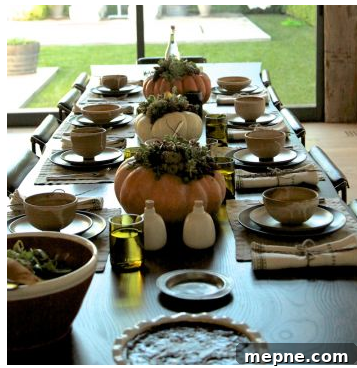
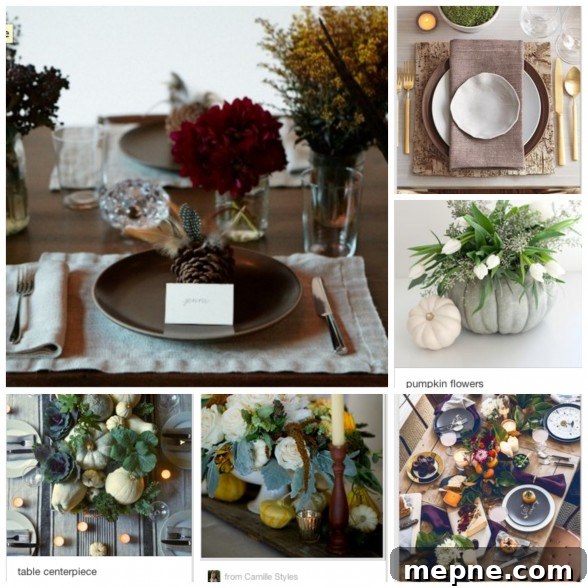
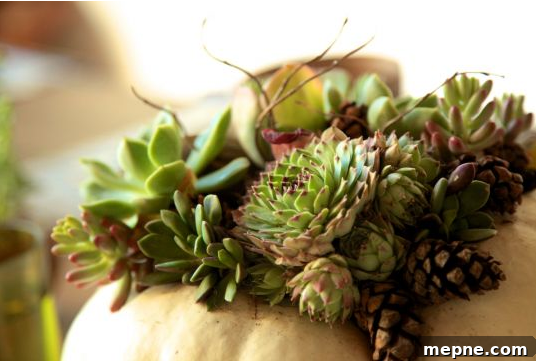
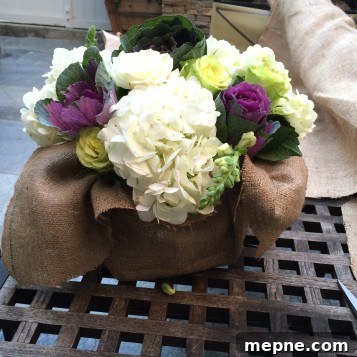
- Plan your table decor — You don’t need an elaborate tablescape to make the meal feel special. Check linens for stains and confirm you have enough napkins, plates, and glassware. Simple centerpieces with fresh flowers in autumn colors, bowls of fruit, gourds, nuts, and a few votive candles create an inviting table. Incorporating children’s past Thanksgiving art can be a charming, personal touch. If you prefer not to DIY, order arrangements from a florist now so they arrive in time. Succulents arranged in small pumpkins or rustic combos of hydrangeas, roses, snapdragons, and ornamental kale with a bit of burlap look seasonal and last well through the holiday.
- Make pie crusts and freeze them. Prepare crust dough now and freeze either as discs or pre-fitted and wrapped in pie plates. This saves oven time and stress on the holiday.
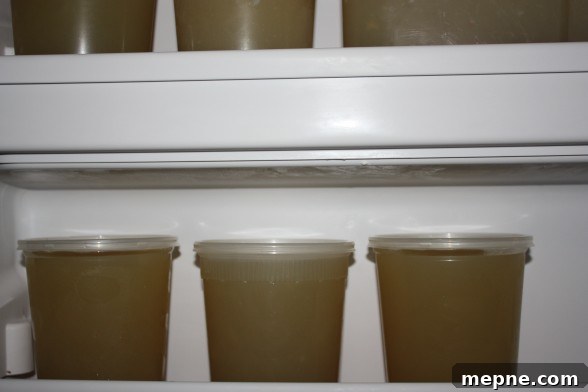
- Make and freeze homemade stock. A generous supply of chicken or turkey stock will be useful for soup, stuffing, and gravy on Thanksgiving day. Freezing in portions makes reheating and using stock fast and convenient.
- Assemble dry mixes for pie fillings, cornbread, and other baked goods. Measure and label dry mixes (for example, “Dry Mix for 2 Pumpkin Pies”) and store them in jars so you aren’t scrambling for measuring cups and spoons on the day of. Spices can smell similar, so labeling prevents mix-ups.
- Check your inventory of tools and appliances. Make sure you have or can borrow the essentials to execute your menu smoothly. A checklist of useful Thanksgiving tools includes:
- Instant-read thermometer — vital for ensuring the turkey is cooked safely and perfectly.
- Roasting pan(s) and rack(s) — sturdy pans with racks help air circulate and produce even browning.
- Fat separator — useful for skimming drippings when making gravy.
- Butcher’s twine for trussing — keeps the turkey compact and helps it cook more evenly.
- Baster — helpful for moistening the bird, though frequent basting can extend cooking time when the oven door is open.
- Potato ricer — excellent for producing smooth, lump-free mashed potatoes or vegetable purées.