[Sponsored Post]
In New York City, a rolling cart is the city shopper’s secret weapon. Not the flimsy kind you can’t carry up stairs, but the sturdy fabric ones with city-ready wheels and pockets for a water bottle and shopping list — the classic “Grandma cart.” Spot me on a busy block by the bright color zipping through the crowd. When it’s full, I usually hail a cab to get home safely; navigating stairs and subway cars with a grocery-laden cart is its own hazard. Even after a careful trip, fruit gets squashed and cashiers sometimes mislabel beets on my receipt.
That’s the short version of grocery runs in the city. But lately I tried something that made life easier: a farm-fresh produce box delivered to my door, and it changed my mind about the whole “nothing worth having comes easy” idea.
CSA
I looked into the CSA (Community Supported Agriculture) option at my yoga studio to avoid frequent grocery trips. The studio lobby fills with boxes of newly harvested produce each week, but I commute by bike and I’ve had close calls navigating rough city streets with a box of veggies.
Then I tried a CSA-style box delivered by Fresh Direct, with produce from a small Pennsylvania farm cooperative. The delivery person rang my bell, left the box on my stoop, and I unpacked everything into the fridge. It was convenient and delightful — all the perks of fresh, local produce without hauling it home myself.
“But what will I do with all of that produce?”
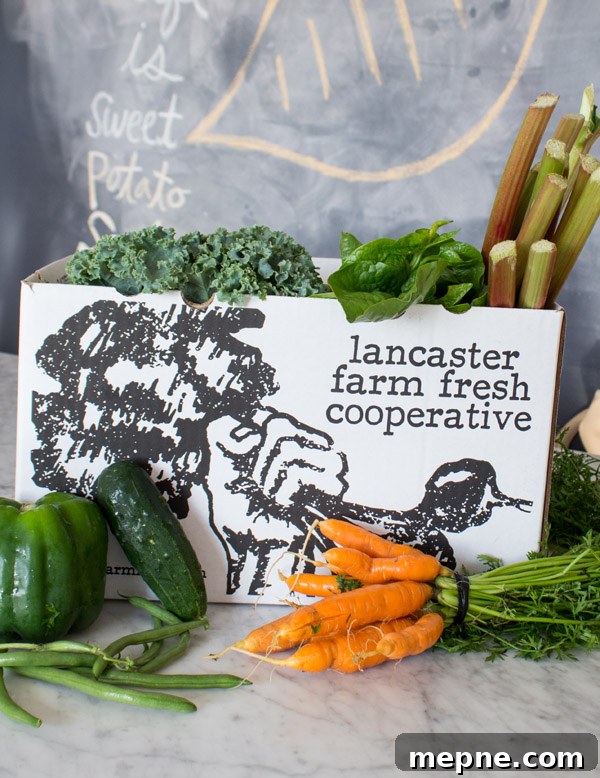
It’s a common worry: CSA boxes arrive with a variety of items you didn’t choose. My box included:
- cucumbers
- green bell peppers
- rhubarb
- spinach
- kale
- cabbage
- green beans
- carrots
Here are practical ways to use and store that bounty so nothing goes to waste.
Here are some ideas:
- Search for recipes by ingredient. Sites and apps let you search by ingredient: type in “green pepper” and you’ll find stuffed peppers, curries, stir-fries, salads, and more. If you’re unsure about a vegetable, seeing it in recipes will spark ideas.
- Make jam or compote with fruit. If you can’t eat fruit fast enough, cook it down into jam and freeze small portions. Rhubarb, berries, and stone fruit all make excellent preserves.
- Create vegetable stock from scraps. Save peels, stems, and offcuts in a bag in the freezer. When you have enough, simmer them for about an hour, strain, and freeze the stock for soups and stews.
- Blend or juice surplus greens. Cucumbers, spinach, kale, cabbage, and carrots blend or juice well for smoothies and green drinks.
- Store produce properly. Keep each item in a separate produce bag or container. If you wash greens before storing, dry them completely and keep a paper towel in the container to absorb moisture. Remove carrot tops before storing the roots. For freezing, blanch vegetables briefly, shock them in ice water, dry, and pack into freezer-safe bags.
What can I make from a CSA box?
Fresh local produce delivered to your door can be affordable and inspiring. If you don’t have time to cook, eat the produce raw — it counts. If you want a quick and flavorful option, try a simple pesto made from greens like spinach, carrot tops, or kale. Pesto is flexible: swap nuts and seeds, mix greens, and use oil or water to adjust consistency.
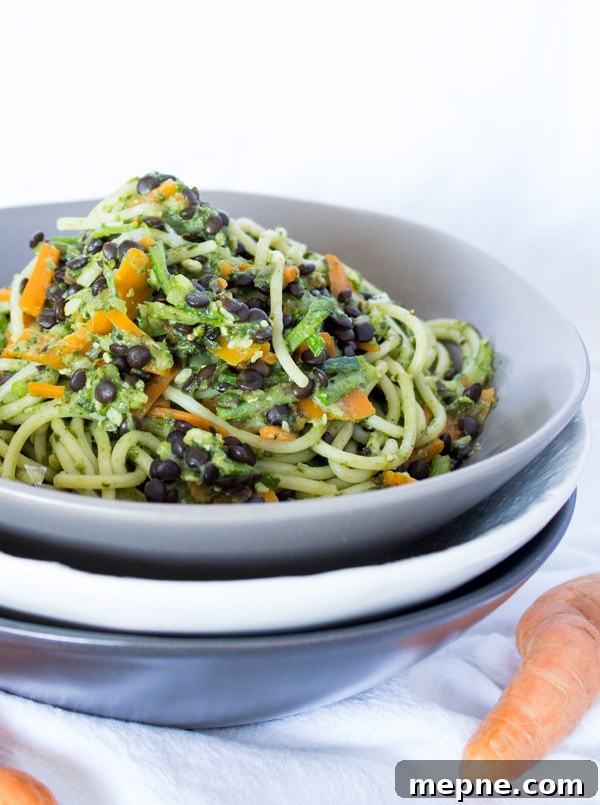
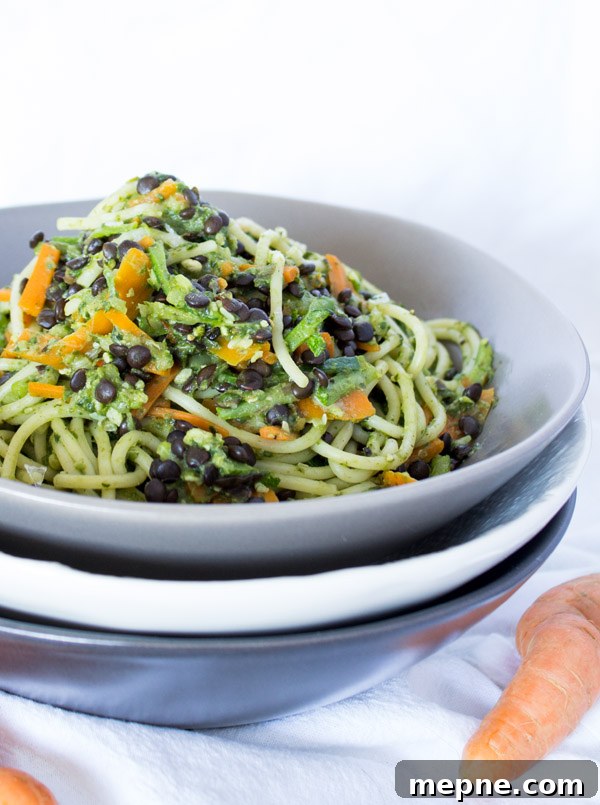
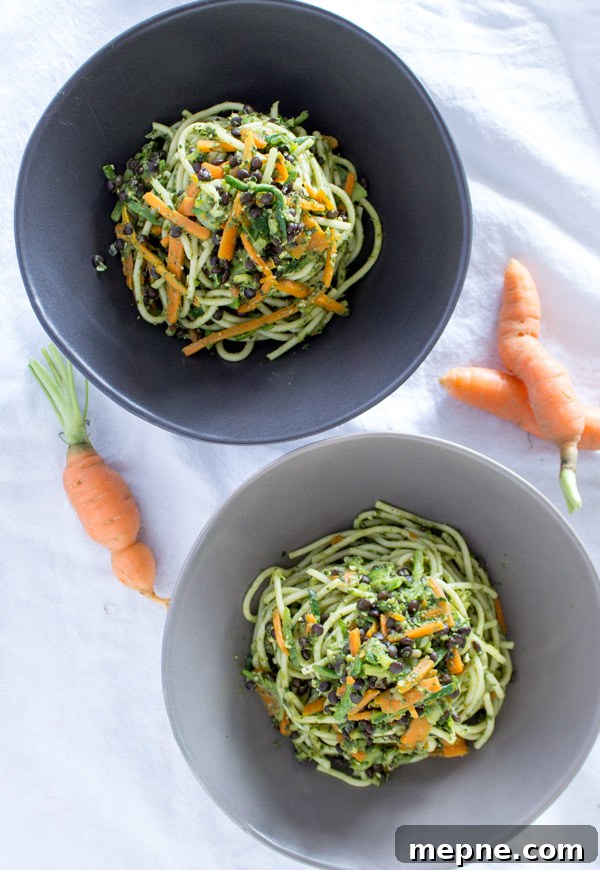
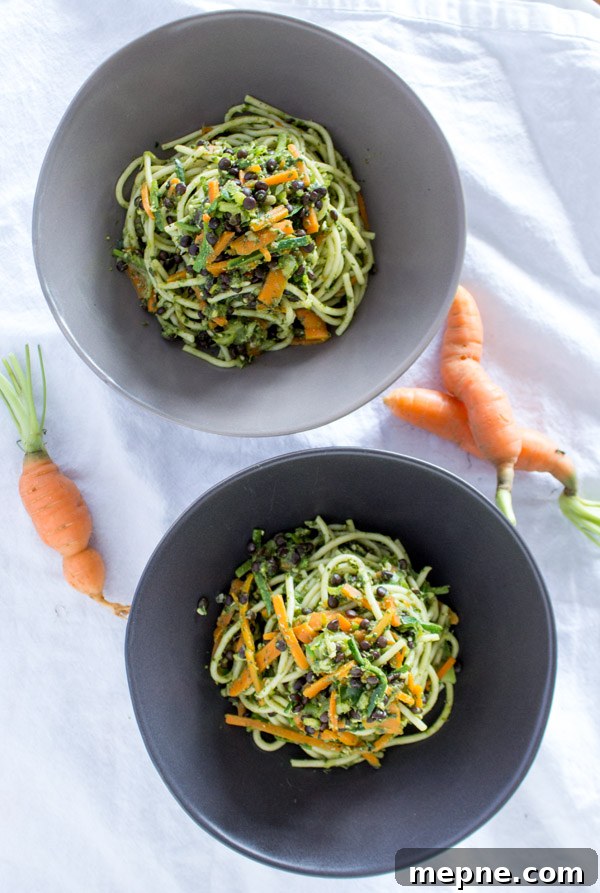
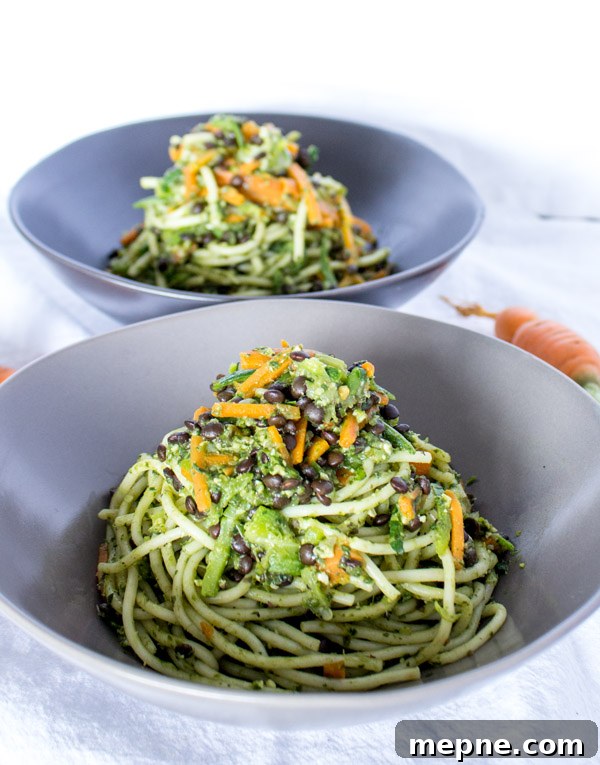
I used spinach and carrot tops from my box to make a bright vegan pesto. I served it with a mix of pasta, carrot and zucchini “noodles,” and cooked lentils for protein. It’s quick, healthy, and perfect for a summer lunch or dinner.
What would you make with the produce in your CSA box? Try new combinations and share your results on social media with the hashtags you like — it’s a great way to discover new ideas.
Vegan Spinach Pesto Pasta
By: Jenné Claiborne
This pesto uses spinach and carrot tops because that’s what I had in my CSA box, but you can substitute basil, parsley, cilantro, mint, or other greens. Pinenuts can be replaced with toasted sunflower seeds, pumpkin seeds, walnuts, or almonds. If you need to avoid wheat, use gluten-free pasta.
Prep Time: 5 minutes • Cook Time: 10 minutes • Servings: 4
Ingredients
Pasta
- 1/2 box spaghetti noodles
- 2 zucchinis, julienned with a peeler to make “noodles” (about 2 cups)
- 3 carrots, julienned with a peeler to make “noodles” (about 2 cups)
- sea salt, to taste
- black pepper, to taste
Pesto
- 4 cups spinach leaves
- 2 cups carrot tops (the greens)
- 1 cup toasted sunflower seeds
- 1 clove garlic, roughly chopped
- juice of one lemon
- 1/4 cup olive oil (or water to avoid oil)
Additions
- 1–2 cups cooked lentils (black lentils work well)
- 1 tsp sea salt (adjust to taste)
- 1/2 tsp red chili flakes (optional)
Instructions
Pasta
- Bring 8 cups of water to a boil.
- Add the spaghetti and stir constantly for 30 seconds to help prevent sticking.
- Cook the pasta for 6 minutes.
- Add the zucchini and carrot noodles and cook another 2 minutes, until the pasta is al dente or to your preference.
- Remove from heat and drain. While the pasta cooks, prepare the pesto.
Pesto
- Combine the spinach, carrot tops, toasted sunflower seeds, garlic, lemon juice, and olive oil (or water) in a food processor or blender. Blend until smooth or to your preferred texture.
- Taste and season with salt. Toss the pesto with cooked pasta and lentils. Finish with extra salt, black pepper, and red chili flakes if desired.