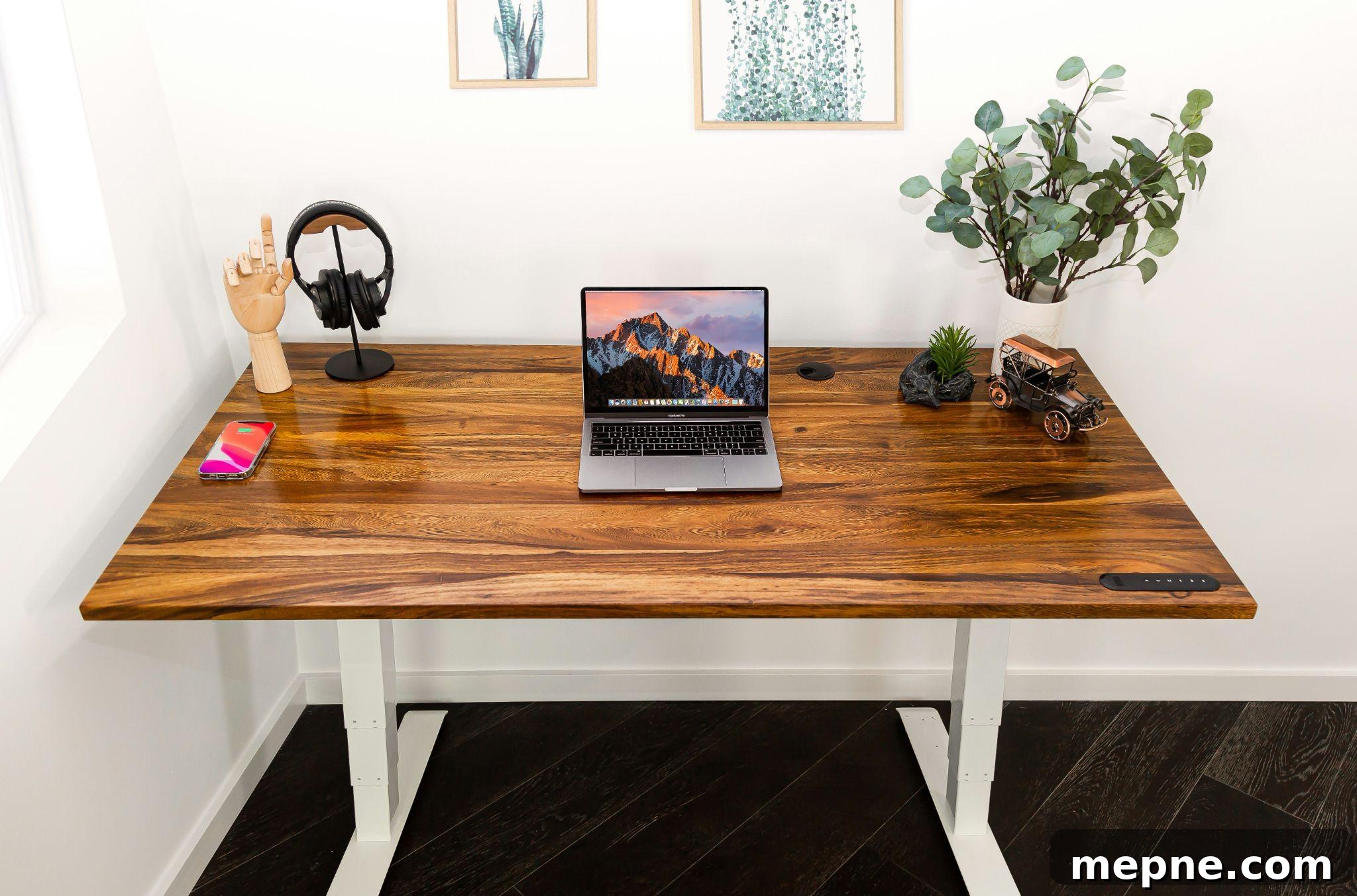
The way Australians work has shifted significantly in recent years, with hybrid and remote arrangements now commonplace. More people are investing in home offices that genuinely support their daily work, rather than making do with a dining table or couch.
A thoughtfully designed home workspace improves concentration, supports physical health, and can boost job satisfaction. Choosing the right setup is a practical long-term investment in your career and everyday quality of life.
Why Your Home Office Setup Really Matters
The environment where you spend eight or more hours a day affects your health, mood, and productivity. Poor furniture and an unsuitable layout contribute to back pain, eye strain, fatigue, and a gradual drop in output. By planning well, even a small corner of your home can become a comfortable, efficient workspace.
Investing in the right pieces upfront saves money over time, prevents recurring physical problems, and creates a workspace that supports deep focus and consistent performance.
Start With the Foundations of Your Workspace
Before buying furniture, assess your daily habits and the physical constraints of the room. Think about how many hours you sit, the dimensions of the space, natural light, and any specialized equipment your job requires. Mapping these basics helps you avoid costly mistakes and ensures every purchase serves a clear purpose.
A workspace tailored to your workflow will outperform a generic setup copied from a magazine or catalogue.
Lighting and Layout Make a Surprising Difference
Natural light is one of the most effective productivity boosters available. Where possible, position your desk near a window, taking care to avoid screen glare during peak sun hours. On darker days or late afternoons, layered lighting—an overhead fixture plus a focused desk lamp—keeps the room bright and easy on the eyes.
Good layout also considers traffic flow, storage access, and sightlines for virtual meetings, so you feel organised and professional on camera as well as off.
Ergonomics Should Never Be an Afterthought
Long hours of seated work take a toll even if discomfort isn’t immediately obvious. Prioritise ergonomic essentials such as a supportive chair, a monitor at eye level, and a keyboard positioned for neutral wrists. These choices protect your body and sustain productivity over months and years.
Many modern workspaces centre around a height adjustable desk. These allow you to switch between sitting and standing, helping to reduce back pain, improve circulation, and maintain steady energy throughout the day.
The Productivity Benefits of Movement
Sitting for long stretches is linked to muscular tension and reduced cardiovascular health. Introducing movement—by standing intermittently, taking short walks, or changing posture frequently—encourages better posture and helps prevent the mid-afternoon slump that affects many home-based workers.
Workers who adopt a sit-stand routine often report sharper focus and improved concentration.
Choosing the Right Desk Size and Finish

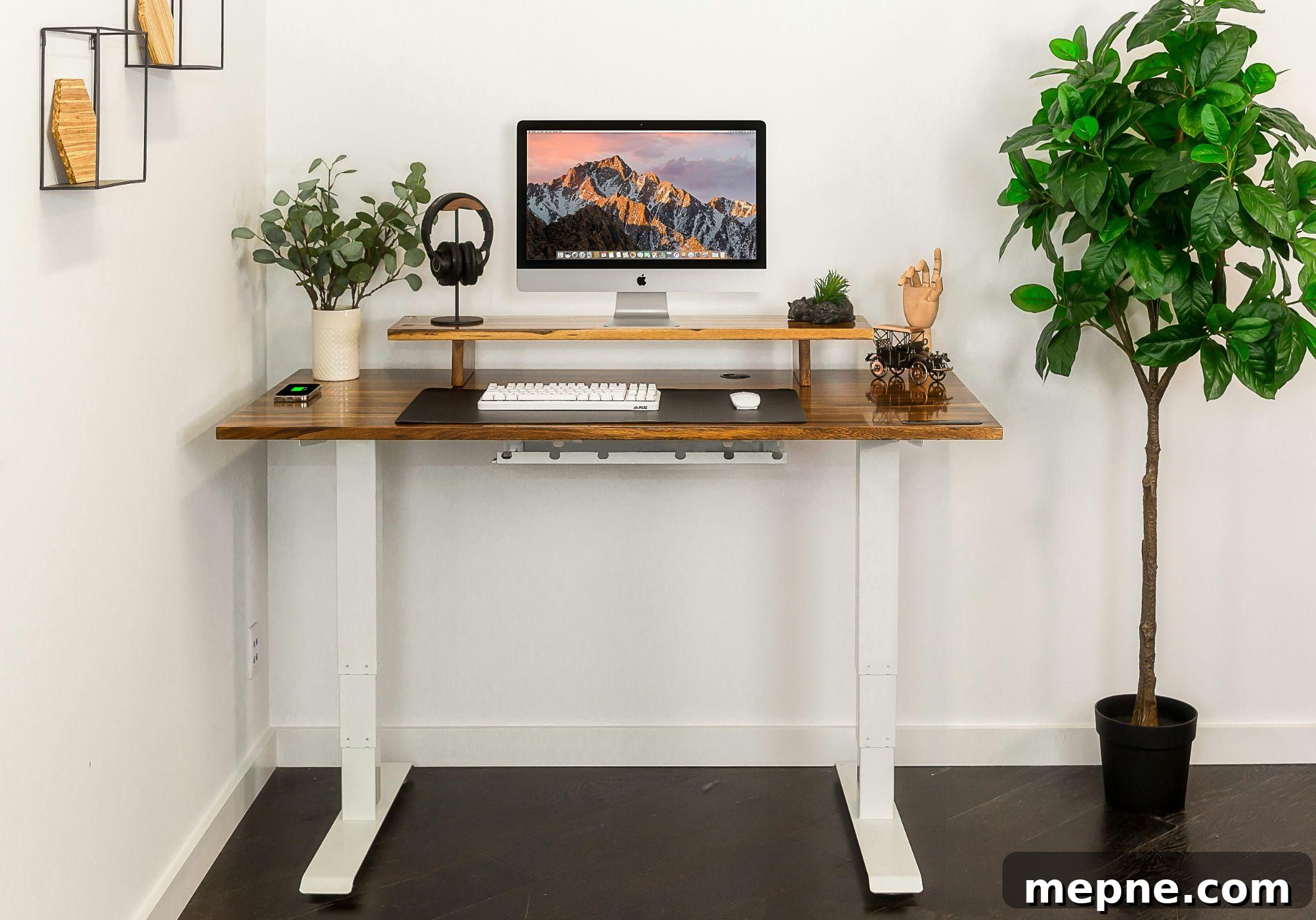
Your desk should match the tasks you do and the space available. A desk that’s too small creates clutter and stress, while a desk that’s oversized can overwhelm a room. Common sizes range from compact 1400mm options for tight spaces to wider 1800mm tops for multi-monitor setups and spread-out paperwork.
Finishes influence the mood and perceived size of a room: light tones and white surfaces brighten small spaces, while darker finishes like black, walnut, or bamboo add warmth and a professional feel.
Storage Solutions That Reduce Daily Friction
Cluttered desks lead to cluttered minds. Mobile pedestals, under-desk drawers, floating shelves, and smart shelving systems keep essentials within reach and out of the way. Simple cable management under and behind the desk reduces visual noise and makes cleaning, rearranging, and upgrading much easier.
Thoughtful storage supports efficient workflows and helps you maintain a calm, focused workspace.
Adding Character with Considered Materials
Function is crucial, but personality matters too. Mixing materials such as steel, glass, and timber adds visual depth and creates a space that feels intentional rather than sterile. A beautifully finished hardwood surface can become the focal point of a room, balancing practicality with style.
Handcrafted timber furniture can anchor a home office, bringing character and a tactile quality that mass-produced options rarely match.
Why Timber Continues to Stand the Test of Time
Solid timber furniture offers warmth, weight, and presence that alternatives struggle to replicate. Each piece shows unique grain and natural variation, qualities that age gracefully over decades. Sustainably sourced hardwoods such as Tasmanian Blackwood, Victorian Ash, Sydney Blue Gum, and American Walnut are prized for their durability and aesthetic appeal.
Choosing a custom-built timber desk is an investment: it’s a piece you can enjoy for years rather than replace frequently.
Combining Style and Function in One Space
The most successful home offices blend ergonomic necessities with personal style. A height-adjustable workstation can sit comfortably alongside a heritage-style bookcase, leather chair, or feature lighting. Balancing modern functionality with timeless craftsmanship creates a room that performs well and feels inviting.
Walking into a workspace you love makes it easier to start each working day positively and productively.
Don’t Forget the Surrounding Environment
Your desk and chair are essential, but the wider environment shapes how you feel and work. Indoor plants, calming wall colours, and a few personal touches can make a space feel uniquely yours. Acoustics matter too—soft furnishings, rugs, and curtains absorb sound and reduce echo, improving concentration and the quality of video calls.
Future-Proofing Your Workspace
Technology and work habits evolve rapidly, so plan for flexibility. Choose furniture and accessories that adapt to new equipment, extra monitors, or changing collaboration tools. Modular and adjustable solutions age better than rigid setups and deliver greater value over time.
A workspace that can grow with you will remain useful and comfortable for years, avoiding the need for frequent overhauls.
Final Thoughts
Creating a great home office is about balancing ergonomics, storage, lighting, and personal style to support your unique workflow. The right combination of pieces protects your health, boosts productivity, and enhances daily wellbeing.
Whether you prioritise cutting-edge ergonomic technology or timeless handcrafted timber furniture, investing thoughtfully in quality pays off. Plan carefully, choose pieces that suit your needs, and your home office will reward you with comfort, focus, and enjoyment each workday.