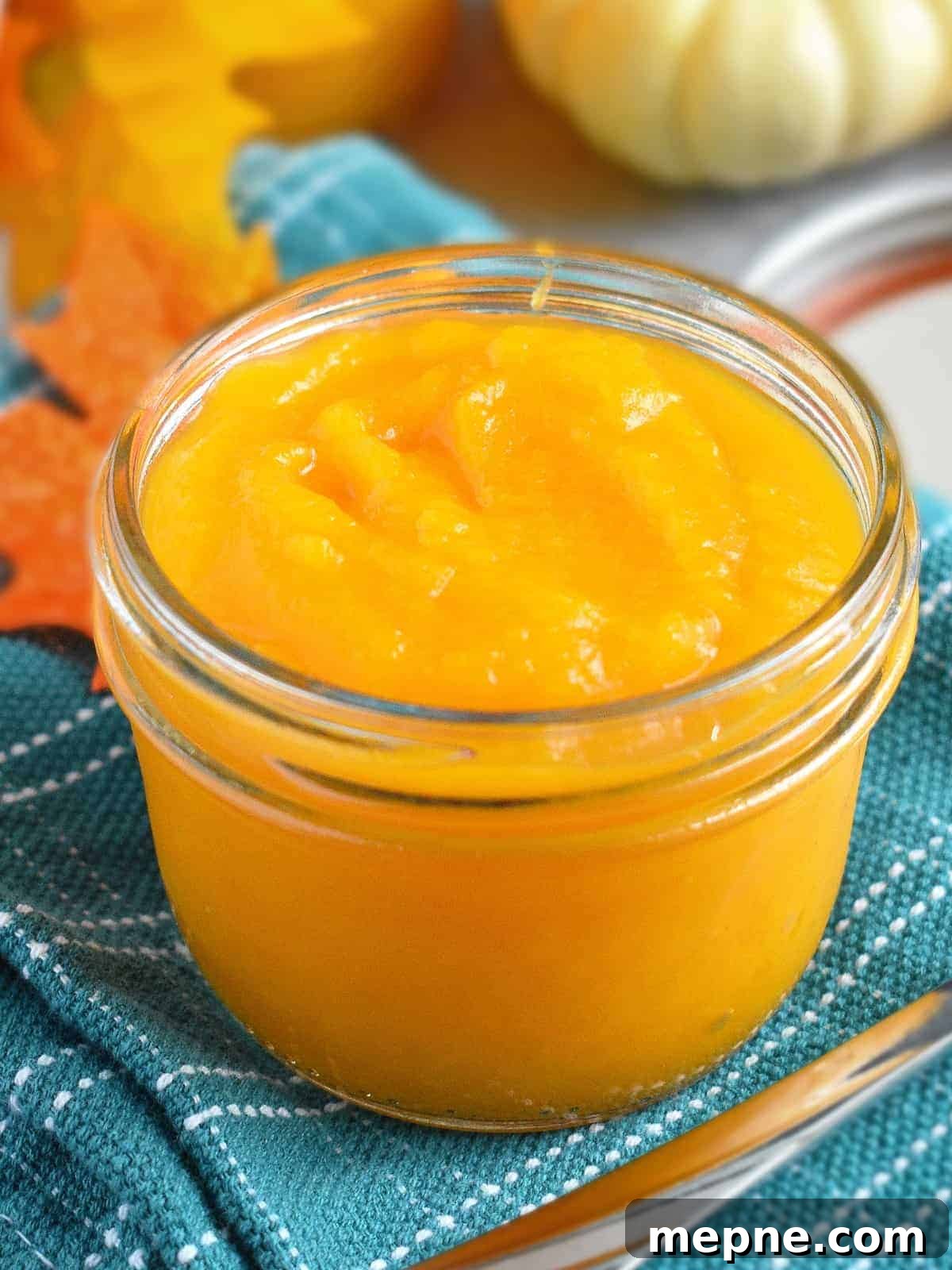
Homemade Pumpkin Puree: an easy method to make a light, applesauce‑like fresh pumpkin puree you can refrigerate or freeze for later. Use it in breads, pies, soups, and other recipes for a true homemade flavor.
Homemade Pumpkin Puree Recipe
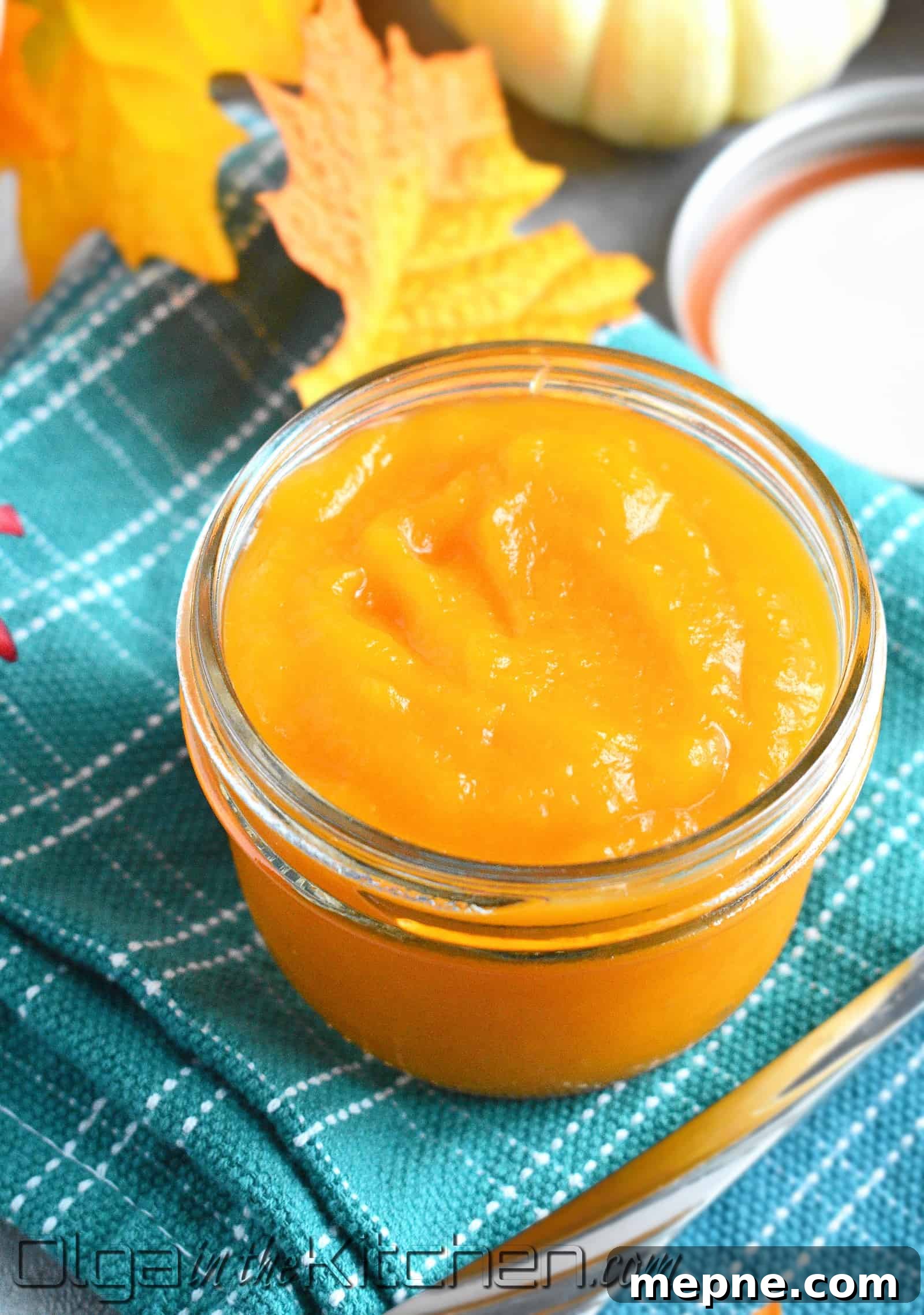
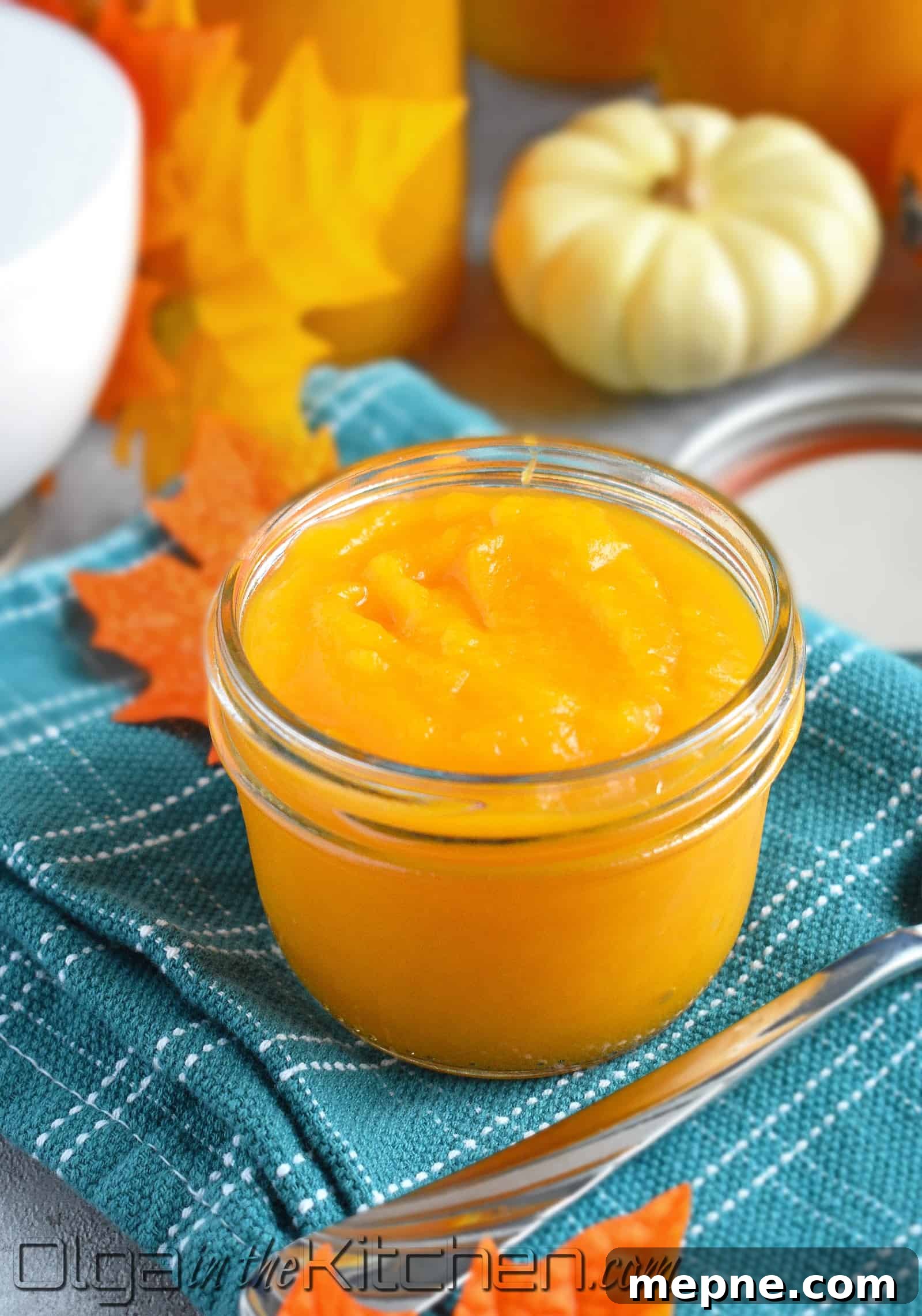
Making pumpkin puree at home is straightforward and rewarding. The texture should be smooth and similar to applesauce, with a bright, light orange color. While many recipes call for baking the pumpkin, this stovetop method yields a softer, thinner puree that fills jars easily and works especially well in recipes like pumpkin bread.
This method includes two rounds of boiling the puree to reduce bacteria and help extend shelf life when stored in sterilized jars in the refrigerator. You can also freeze the puree in measured portions for up to a year.
Pumpkin Puree for Pumpkin Bread
Homemade pumpkin puree is especially important for traditional pumpkin breads. Store‑bought canned pumpkin often has a different texture and moisture level that can change the outcome. Using fresh homemade puree produces a light, fluffy loaf with a natural color and flavor that many family recipes rely on.
Storing Pumpkin Puree
There are several good storage options:
- Opened jars: use within a week.
- Sterilized jars with twice‑boiled puree: can be stored in the refrigerator for extended periods; cooler temperatures are best for long storage.
- Frozen: portion into 1‑cup bags and freeze for up to one year. Note: frozen puree can be slightly more watery after thawing, but it still works well in most recipes.
Pumpkin Puree Ingredients
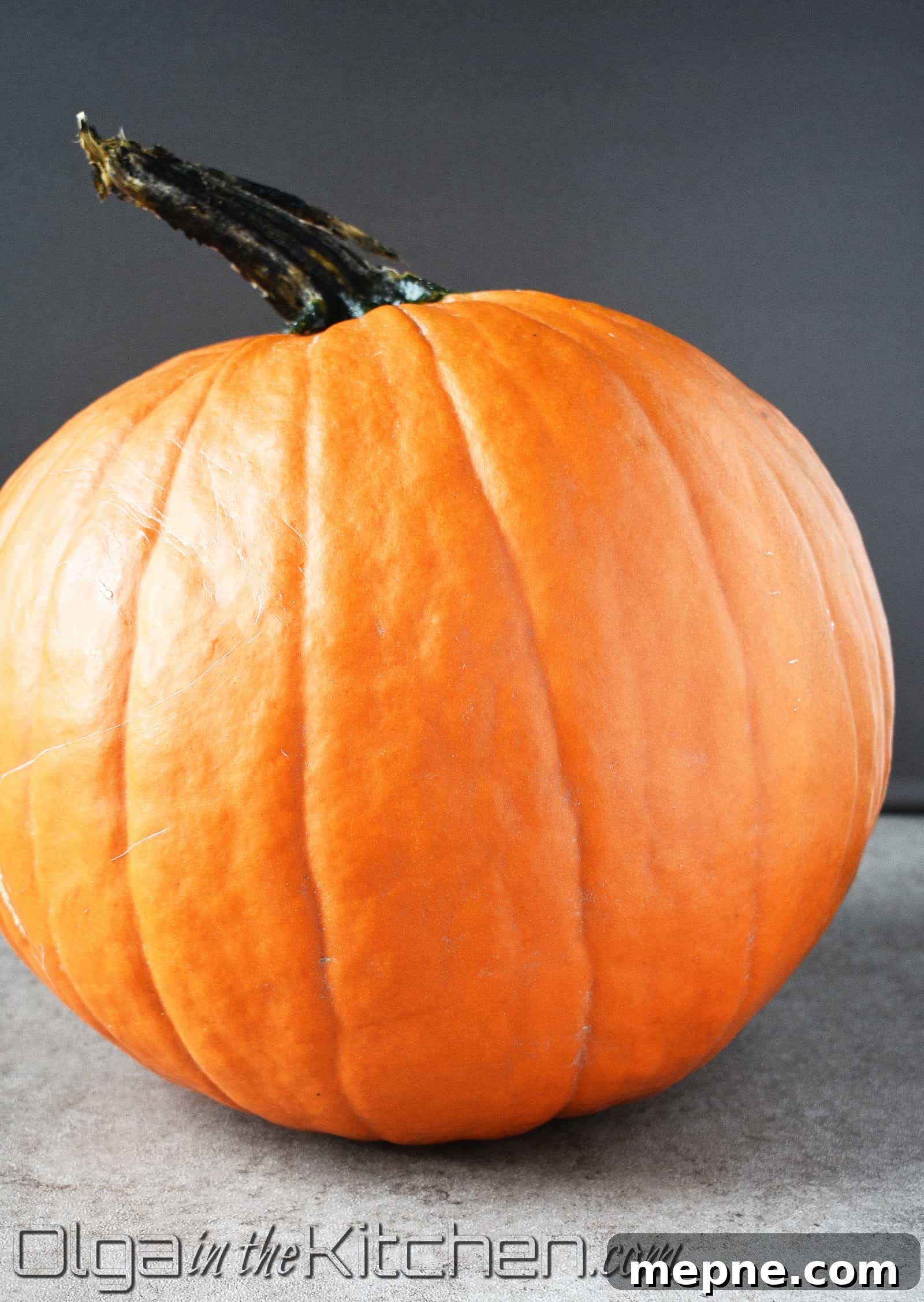
- Pumpkin (any size; the example used here was about 14 inches)
- Water (cold, warm, or hot)
How to Make Pumpkin Puree
- Wash the pumpkin thoroughly with warm water and a sponge to remove dirt.
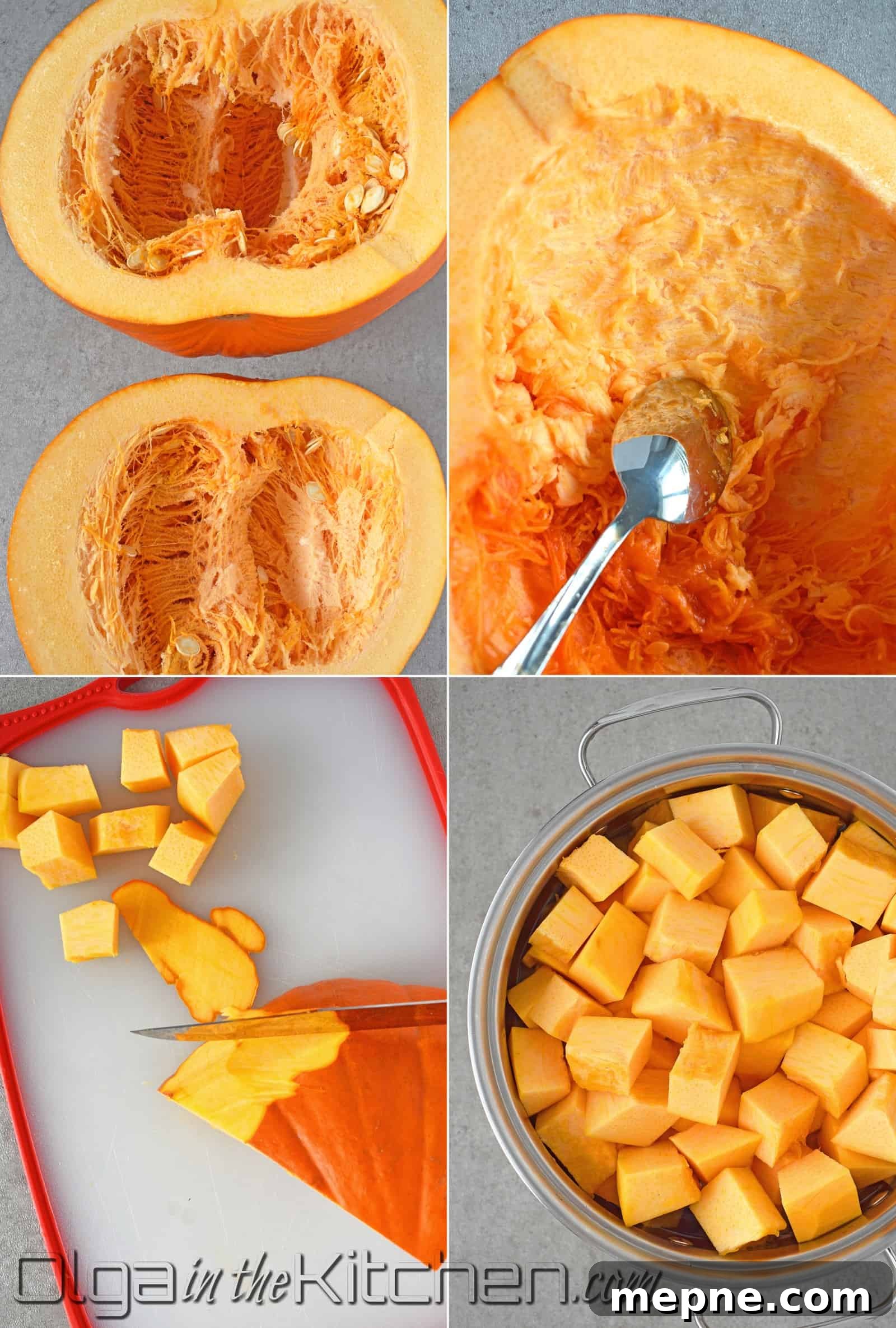
- Cut the pumpkin in half using a sharp knife, scoop out the seeds and stringy pulp. (Save seeds to toast later if you like.)
- Cut the pumpkin into manageable pieces, peel if desired, and cut into roughly 2‑inch cubes. Place the cubes into a large pot. You may need more than one pot for larger pumpkins.
- Add water to the pot until it reaches about 2 inches below the pumpkin cubes; it is not necessary to cover them completely. Bring to a boil over high heat, then reduce to low heat.
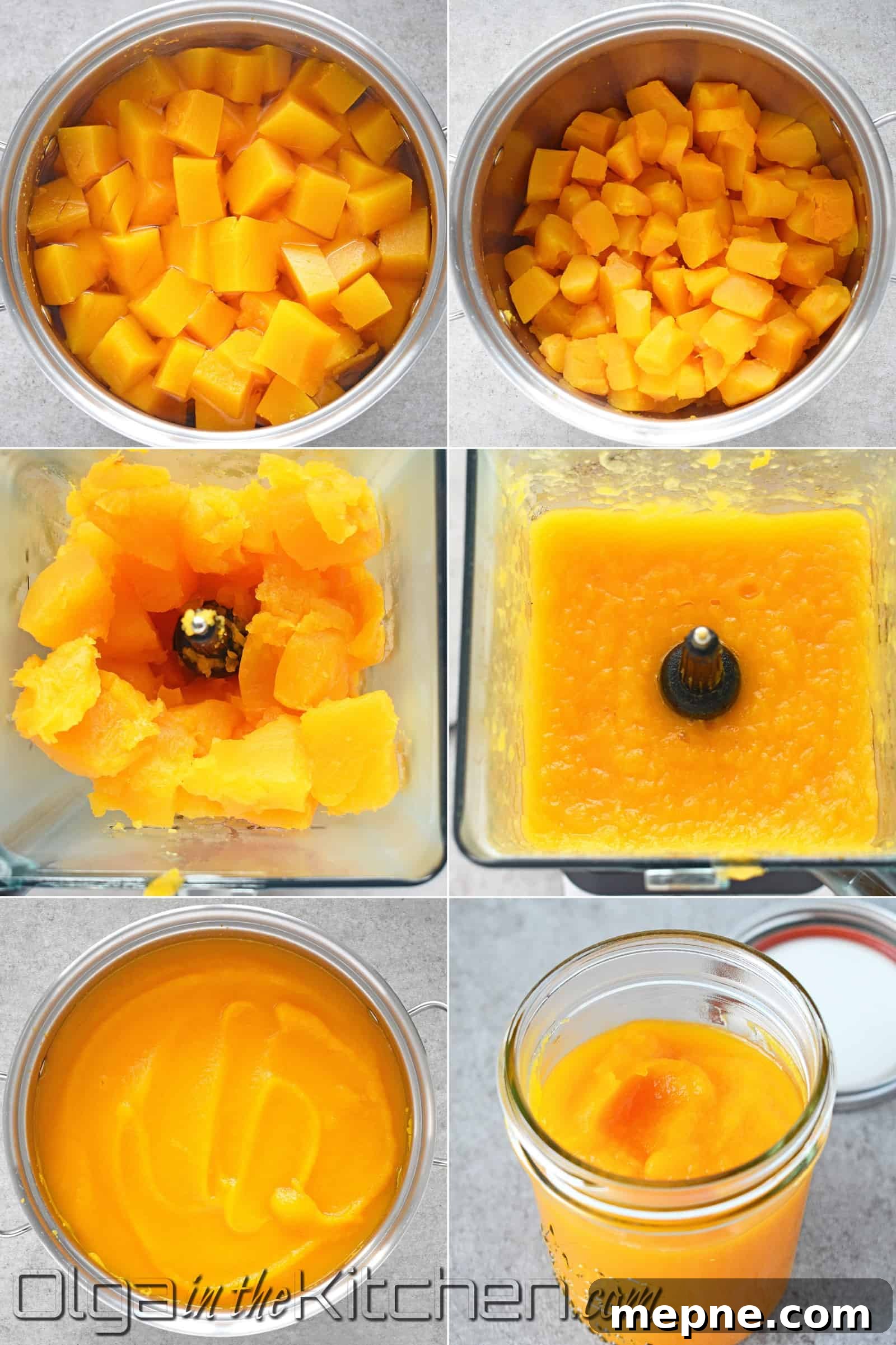
- Cook for about 1 hour, or until the pumpkin cubes are very tender and easily pierced with a fork. Extended cooking helps reduce bacteria before long storage.
- Drain most of the cooking water, let the pumpkin cool slightly, and then puree in a blender or food processor in batches until you reach an applesauce consistency (about 1–2 minutes per batch). Remove any remaining water from the pot and return the pureed pumpkin to the pot quickly to avoid splashing.
- Bring the puree to a gentle boil over low heat and cook for another 10–15 minutes, stirring occasionally. You’ll know it’s fully boiling when large bubbles form and the pot becomes very hot.
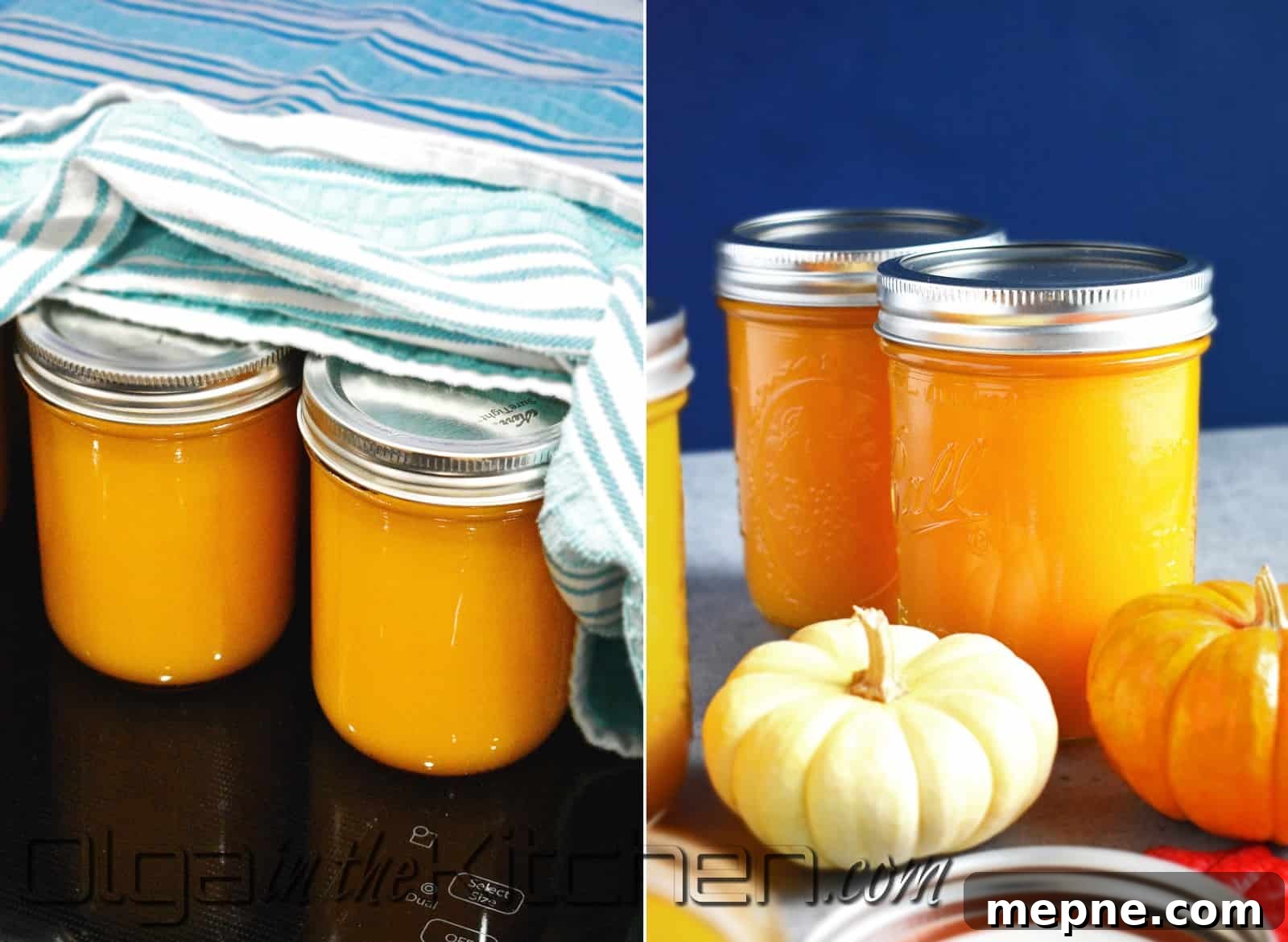
- Immediately spoon the hot puree into sterilized jars, wipe the rims clean, and close the jars snugly. Cover with towels and allow to cool completely—this may take up to a day. Store in the refrigerator or freeze as desired.
How to Sterilize Jars and Lids
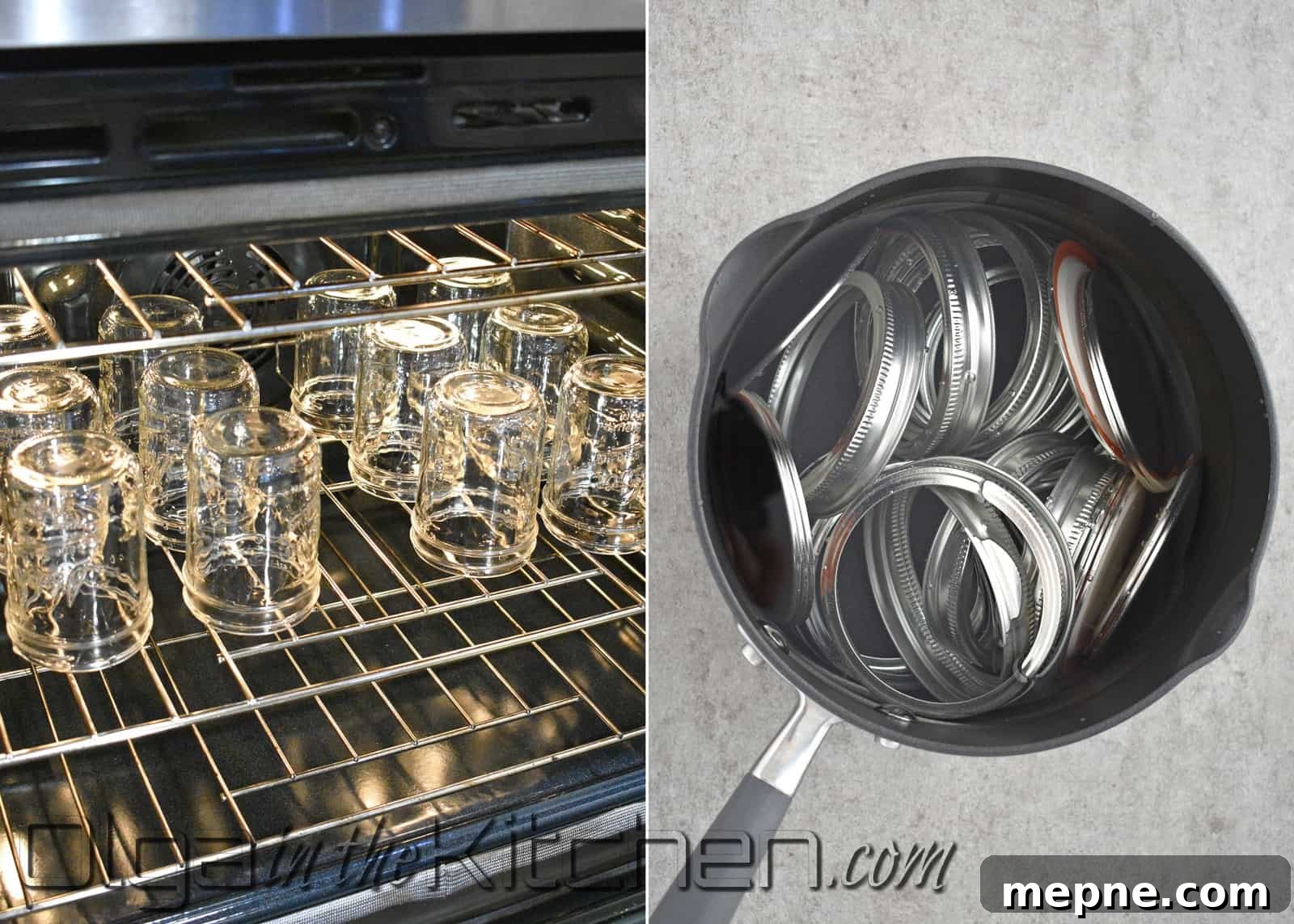
- Preheat your oven to 215°F (about 100°C).
- Wash jars and lids in warm soapy water. Place clean jars upside down on the oven rack and dry them for 20 minutes or until completely dry. Use pot holders to remove hot jars and keep them upside down on a clean towel to avoid lint.
- Boil the lids in a medium pot of water for 4–5 minutes, then transfer them to a clean towel to dry while you finish cooking the pumpkin.
Notes on Canning and Safety
Some sources advise against canning pumpkin puree due to safety concerns with low‑acid foods. In this method, the puree is boiled during cooking and then boiled again after pureeing; this double‑boil process is intended to reduce bacteria before sealing in sterilized jars. For long‑term storage, keep jars refrigerated or stored at cooler temperatures. If you have questions about safe canning practices, consult trusted food‑safety resources before attempting long‑term room‑temperature canning.
Storage and Usage Tips
- Freeze puree in one‑cup portions for easy measuring in recipes.
- If the thawed puree is slightly watery, drain or reduce it on the stove before using, or adjust liquids in your recipe.
- Use homemade puree in pies, breads, muffins, soups, and sauces for the best fresh pumpkin flavor.
Other Helpful Kitchen Tips
- Perfect hard‑boiled eggs: consistent, easy method for reliable results.
- Buying and storing ground pork: tips for keeping ground meat ready in the freezer.
- Dulce de leche from sweetened condensed milk: a reliable way to make a thick, spreadable caramel.
- Oven‑dried bread: a method to preserve bread for months for use in recipes like meatballs.