
As a genealogist, I spend a great deal of time in cemeteries. If you research family history, you probably do too.
On more than one occasion I’ve found myself sprinting through eastern North Carolina graveyards on a Sunday afternoon—dress and all—because time was short and there were many ancestors to locate.
Why is cemetery research so compelling? For many genealogists, locating an ancestor’s burial site connects vital dates, family relationships, and a physical place that anchors family stories. Tombstones often give birth and death dates, family names, and clues to migration, religion, or military service. They are an important piece of the puzzle.
Yet one of the most common frustrations readers tell me is the inability to find where an ancestor is buried. Whether searching online or at a physical site, researchers frequently hit dead ends. Sometimes the solution is knowing which records to check, and sometimes it’s knowing the right person to ask.
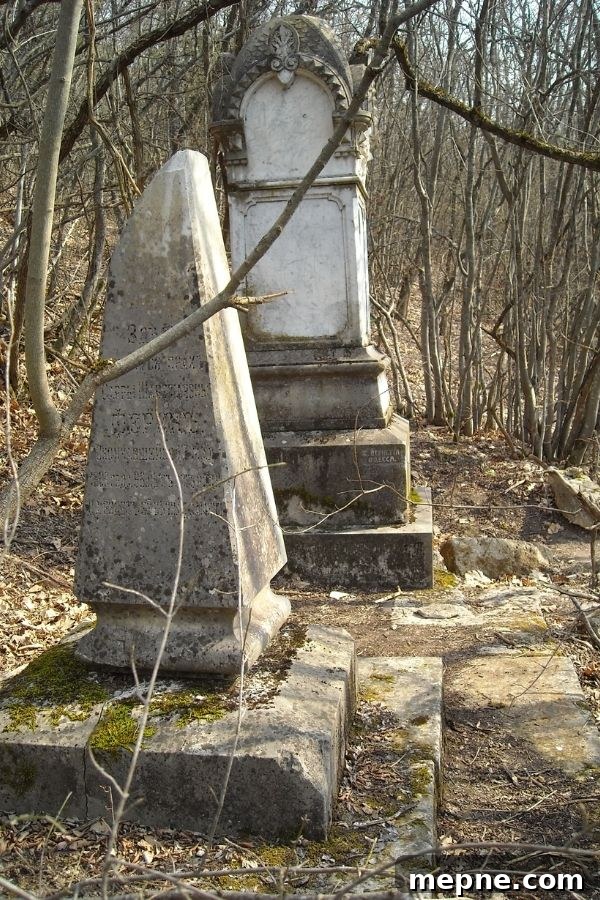
7 Sources to Look For An Ancestor’s Grave Site
Before visiting a cemetery, take stock of the records you’ve already used. How many different sources did you search? Often expanding your list uncovers exactly where an ancestor is buried. Below are seven reliable resources to include in your search for burial locations and grave markers.
The Death Certificate
When death certificates were issued at the time of death, they are a logical first stop. Many include the place of burial and sometimes the funeral home or undertaker. Keep in mind they typically don’t go back more than a century or so in most jurisdictions, but when available they offer direct leads.
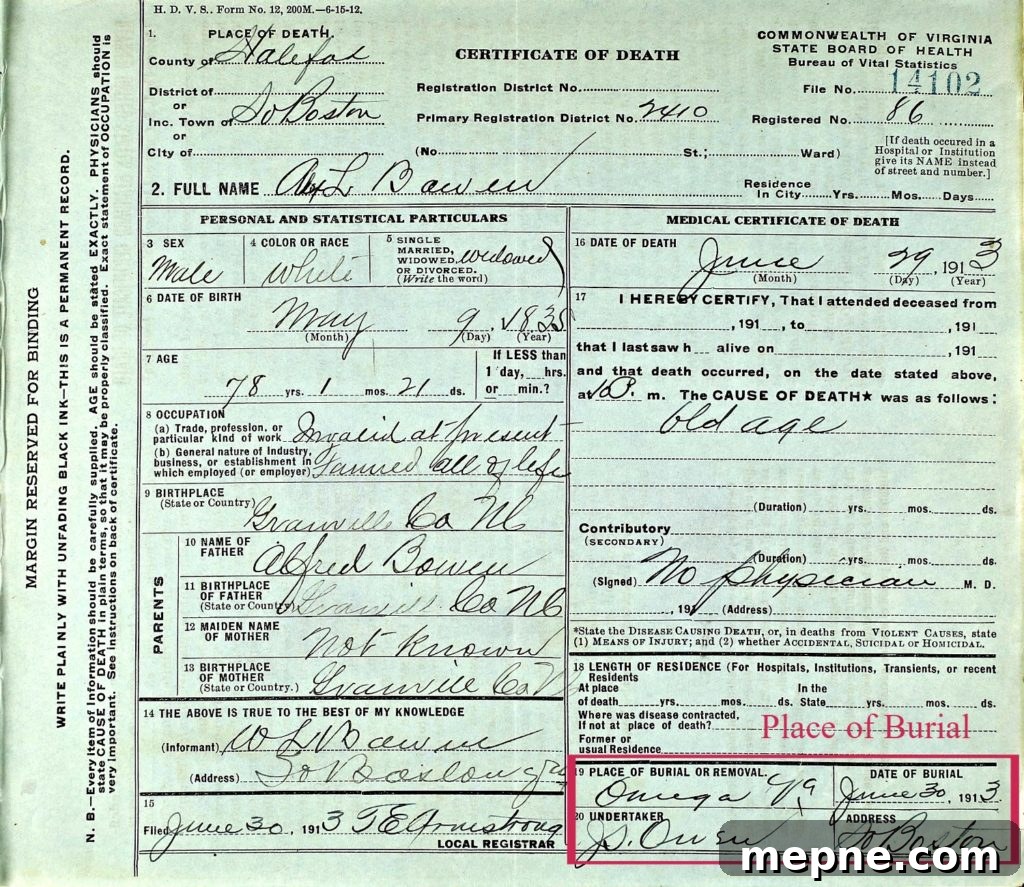
In the example shown, the certificate lists only the town of burial—Omega, VA—suggesting the possibility of a local or family cemetery. The undertaker’s name is also noted; tracing that person through city directories or local records can reveal funeral home files that further document burial details.
Funeral Home Records
Funeral home and undertaker records can be invaluable. Some funeral homes keep ledgers of burials, burial permits, and correspondence. Availability varies: some offices retain historic records, others do not. Check with town or county records offices and with local historical societies for copies or transcriptions.
Also search digitized collections and state archives, which sometimes include funeral home records or transcribed burial logs. These transcriptions can save a trip and provide names of cemeteries or plot numbers to pursue.
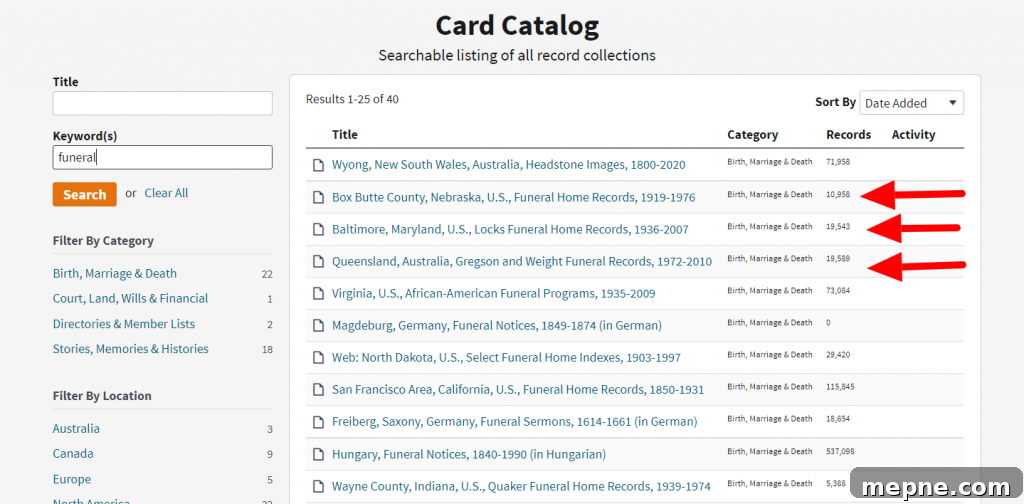
Genealogy Tip: Look for transcribed funeral records in state archives, university libraries, and local historical society collections.
The Cemetery Office Where Your Ancestors Are Buried
Contact the cemetery office, sexton, or groundskeeper. They often maintain records of interments, plot maps, and burial permits. Even when headstones have deteriorated or been removed, the cemetery’s internal records may show who is buried in a specific plot.
Pro Genealogy Tip: Call and speak with a real person. Cemetery staff and local caretakers are frequently knowledgeable and willing to assist with searches over the phone or by email.
The Family
Ask relatives—immediate and extended. Family members often hold oral history that points to family plots, churchyards, or private burial grounds. Ask more than one person; one relative may recall information another forgot.
In my research, a great-aunt initially denied knowledge of a family cemetery. Later, on the same visit when her cousin was present, the cousin reminded us the burial site was “out at the old home place,” where they used to play. Family memory can unlock discoveries.
Church Cemeteries
If you know or suspect where an ancestor worshiped, check the church cemetery. Many congregations keep burial records, membership lists, or cemetery registers. If distance prevents a visit, call the church office or the pastor to inquire about records or photographs of headstones.
Local Genealogy Societies
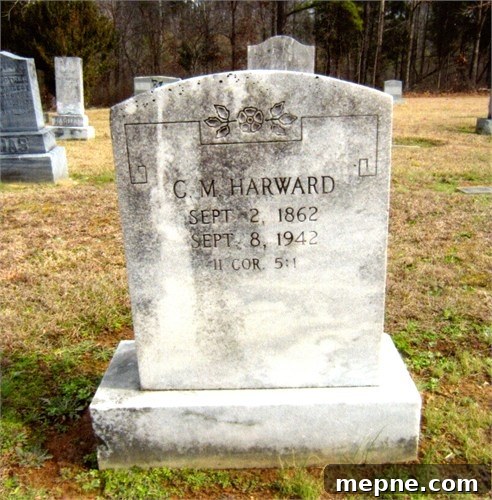
Town historians and local genealogy societies are excellent resources. People who specialize in county history often know about small family plots, abandoned graveyards, and privately held burial grounds. They can also provide directions and context about cemetery access and preservation.
Cemetery Databases
Several online cemetery databases index millions of graves, many with photos and contributor notes. Popular databases include Find A Grave, CemeteryCensus, and BillionGraves. When you locate a record, reach out to the contributor. Many volunteers who photograph and transcribe graves have deep local knowledge and can point you to other family plots in the same area.
One More Thing To Consider About Where An Ancestor Was Buried
Would you recognize your ancestor’s tombstone if you found it? Tombstone styles, materials, and common markers changed over time and by region. Field stones—simple, uninscribed rocks placed at graves—were often used when families could not afford carved monuments. Such markers can be hard to identify and are frequently undocumented.
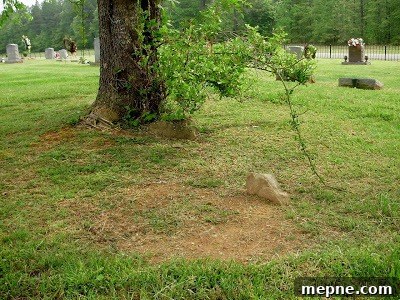
Not all graves have readable inscriptions. Some field stones or eroded markers may never be identified. Keep an open mind as you investigate and follow indirect clues—church records, land deeds, obituaries, and family recollections—that can lead to these subtle burial sites.
More Resources on Researching An Ancestor’s Death Records
- How to Find Your Ancestor’s Death Date — many places to locate a death date, from newspapers to probate records.
- Your Ancestors + Medical Genealogy — medical histories and causes of death can point to institutions or records to follow up on.
- Back to Genealogy Basics – Will and Estates — wills and probate files often record burial instructions or list heirs who arranged interment.
- What Is That Family Cemetery Really Telling You? — family cemeteries provide clues about relationships, land ownership, and local history.