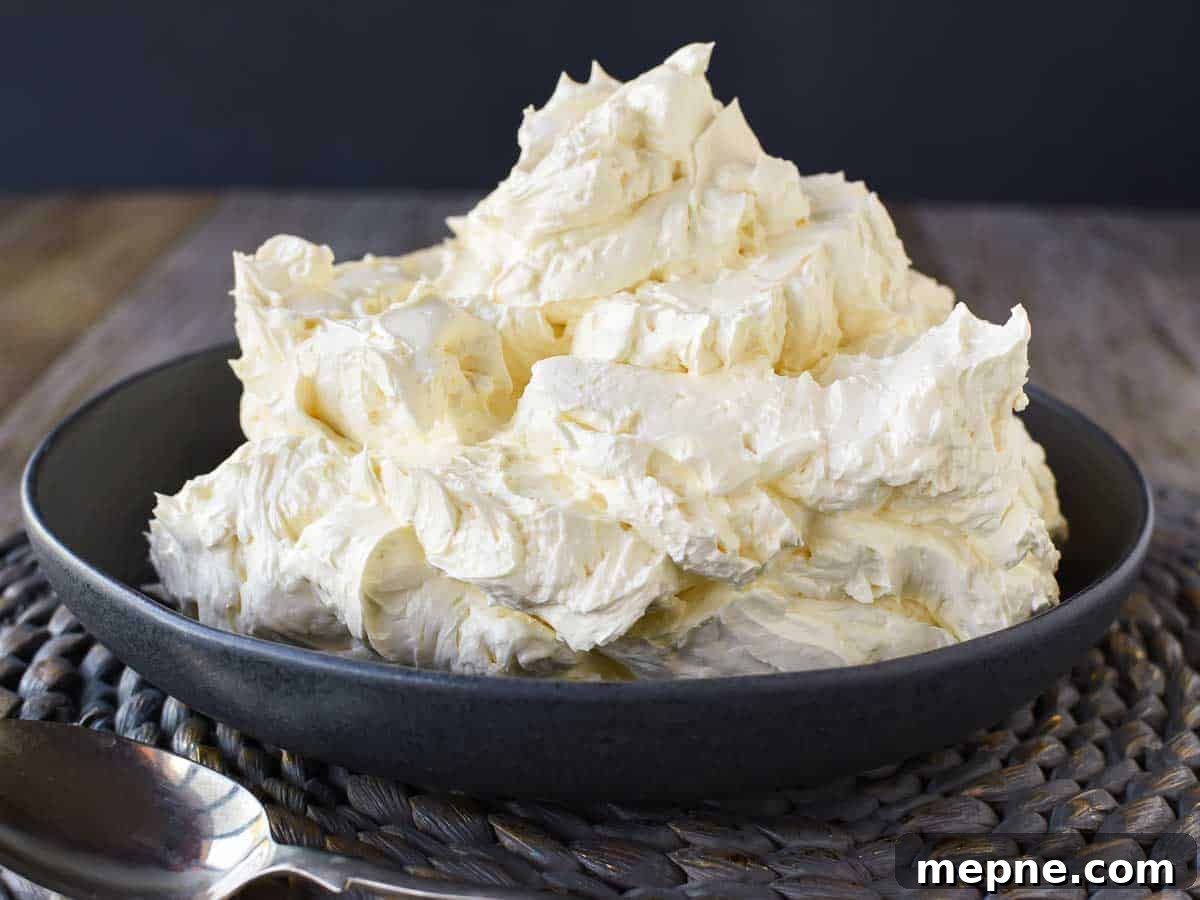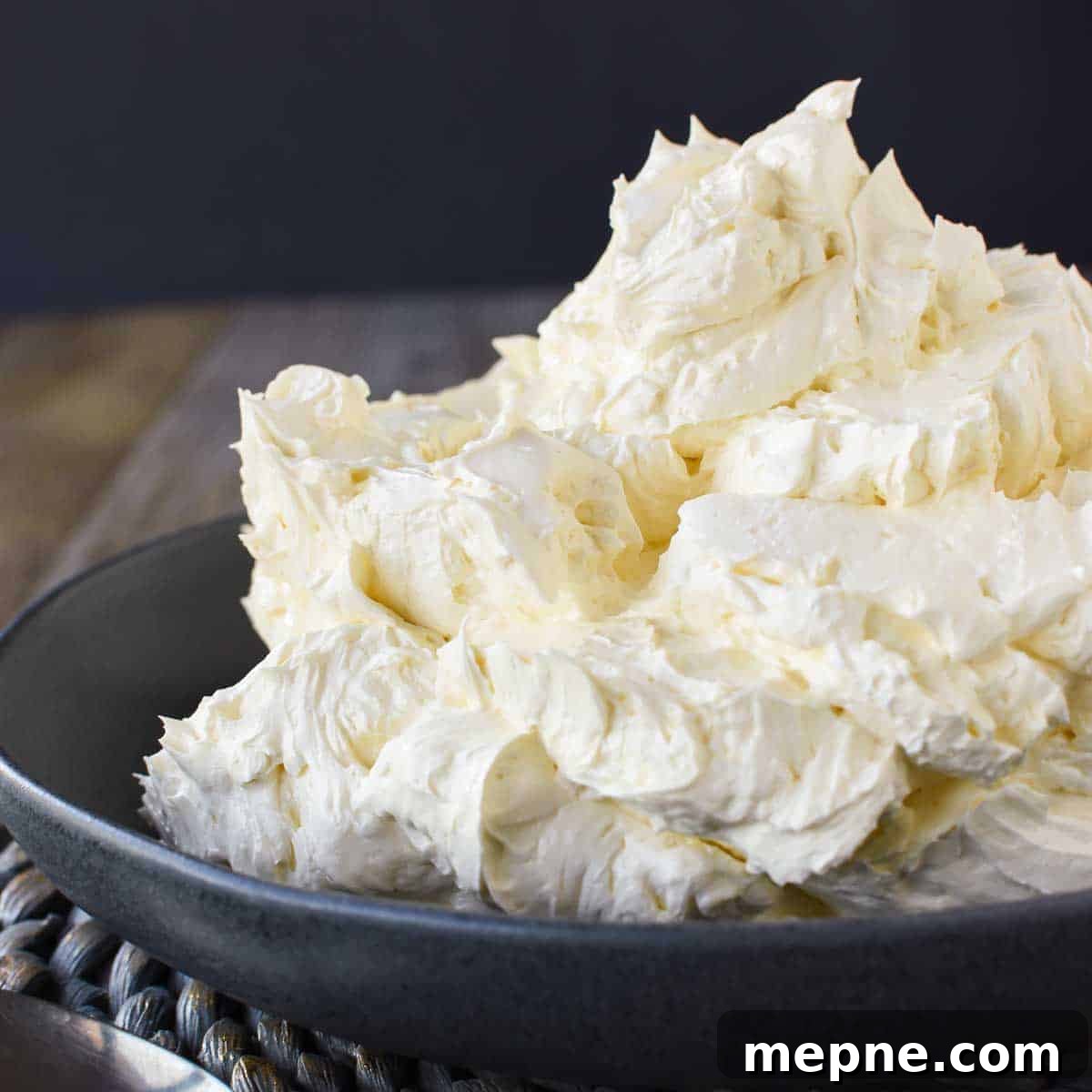
Italian Meringue Buttercream is light, silky, and pleasantly balanced—not overly sweet.
If you’ve never tasted it, you’re in for a treat. It can seem technical at first, but with clear steps and a few tips you’ll achieve a smooth, stable buttercream perfect for cakes and cupcakes.
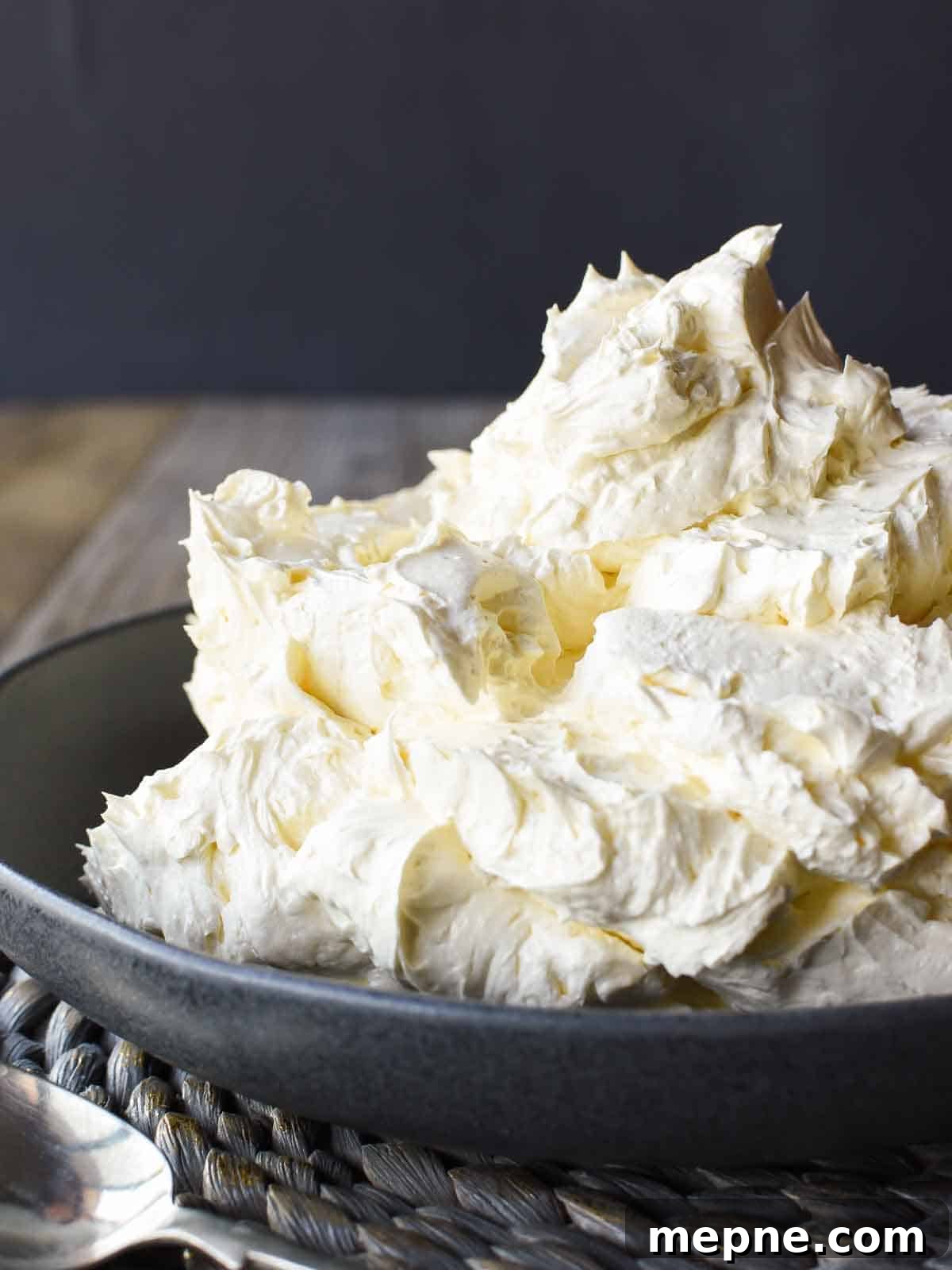
This buttercream is built on Italian meringue, which is made by pouring hot sugar syrup into beaten egg whites to produce a thick, glossy meringue. The hot syrup cooks and stabilizes the whites, giving a marshmallow-like base that is both light and sturdy. Italian meringue is versatile and useful beyond buttercream—it can top pies and tarts and act as the foundation for mousses and other desserts.
Why you’ll love this recipe
This version is adapted from a recipe by Warren Brown of the Cakelove Bakery. Italian Meringue Buttercream combines a stable meringue with plenty of butter, producing frosting that is rich and buttery yet light and silky. It pipes and spreads beautifully, holds its shape well, and is more tolerant of warm conditions than many American-style buttercreams. Use it for layer cakes, cupcakes, cream horns, jelly cakes, or anywhere you want a refined, stable frosting.
For the full recipe quantities and step-by-step instructions, see the recipe card below.
Ingredients
- 1 cup (200 g) white granulated sugar
- 1/4 cup water
- 5 egg whites
- 1/4 cup (50 g) white granulated sugar (extra fine if possible)
- Pinch fine salt
- 1 pound (4 sticks / 454 g) unsalted butter, cool room temperature
Variations
This buttercream is not overly sweet, so it takes flavorings well. Add one of the following to taste after the meringue and butter are combined:
- Vanilla extract (about 3 teaspoons) or the scraped seeds from a vanilla pod
- 1/4 cup melted, cooled chocolate
- 2 tablespoons instant espresso dissolved in 2 tablespoons water
- 1/4 cup fruit puree (raspberry or strawberry)
- 1/2 cup lemon curd for a tangy finish
- 2–3 tablespoons liqueur of your choice
Instructions
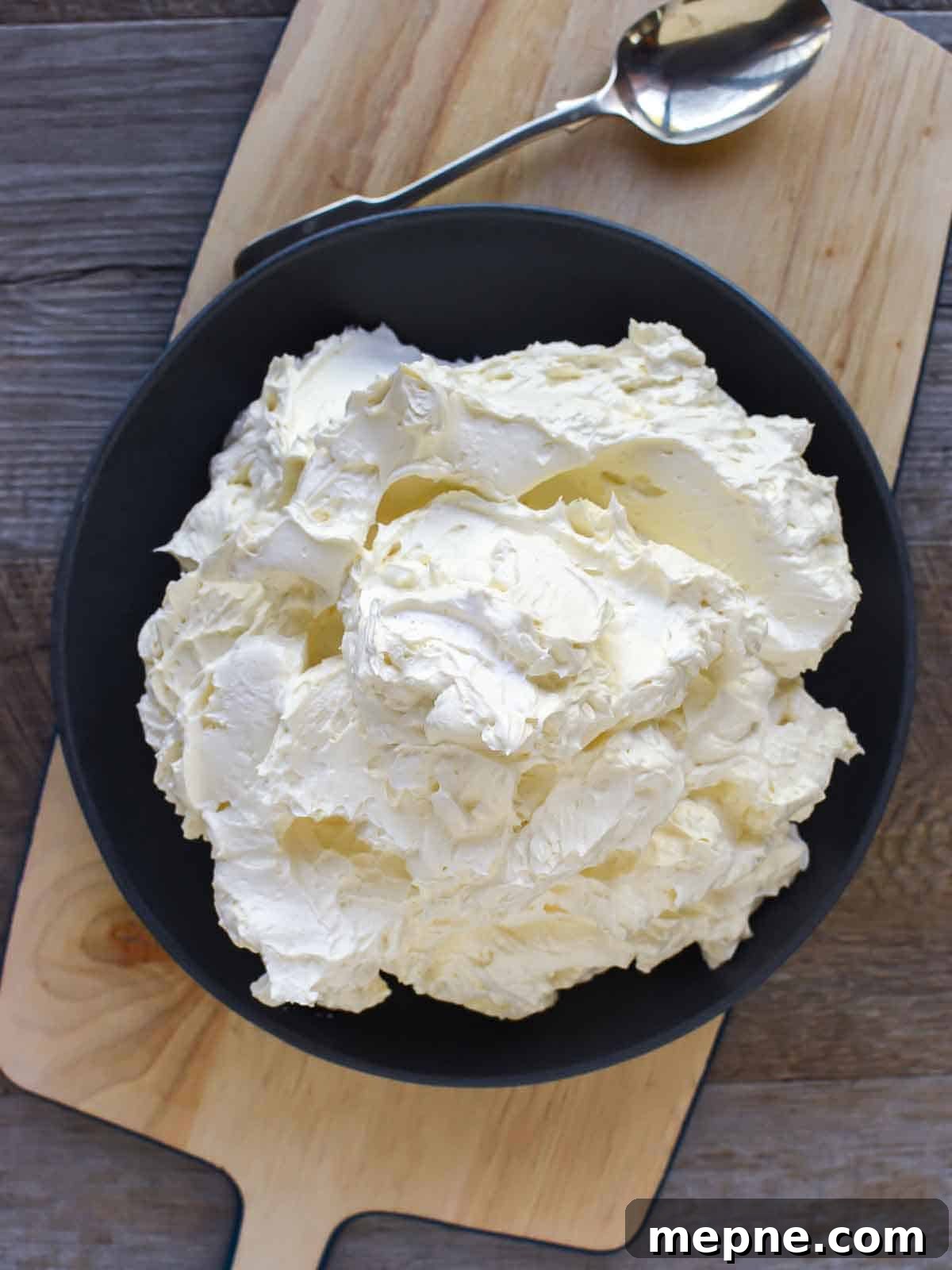
Follow these steps carefully; temperature and continuous beating are the keys to success.
- Combine 1 cup sugar and 1/4 cup water in a saucepan. Fit a candy thermometer and partially cover the pan so steam circulates and dissolves any sugar crystals on the sides. Heat over low–medium until the syrup reaches 245°F (120°C).
- While the syrup cooks, start the meringue. In a stand mixer fitted with the whisk, beat the 5 egg whites until soft peaks form (about 2 minutes). Don’t overbeat.
- With the mixer running, sprinkle in the 1/4 cup (50 g) sugar and a pinch of salt. Beat on high until the meringue is glossy and holds peaks.
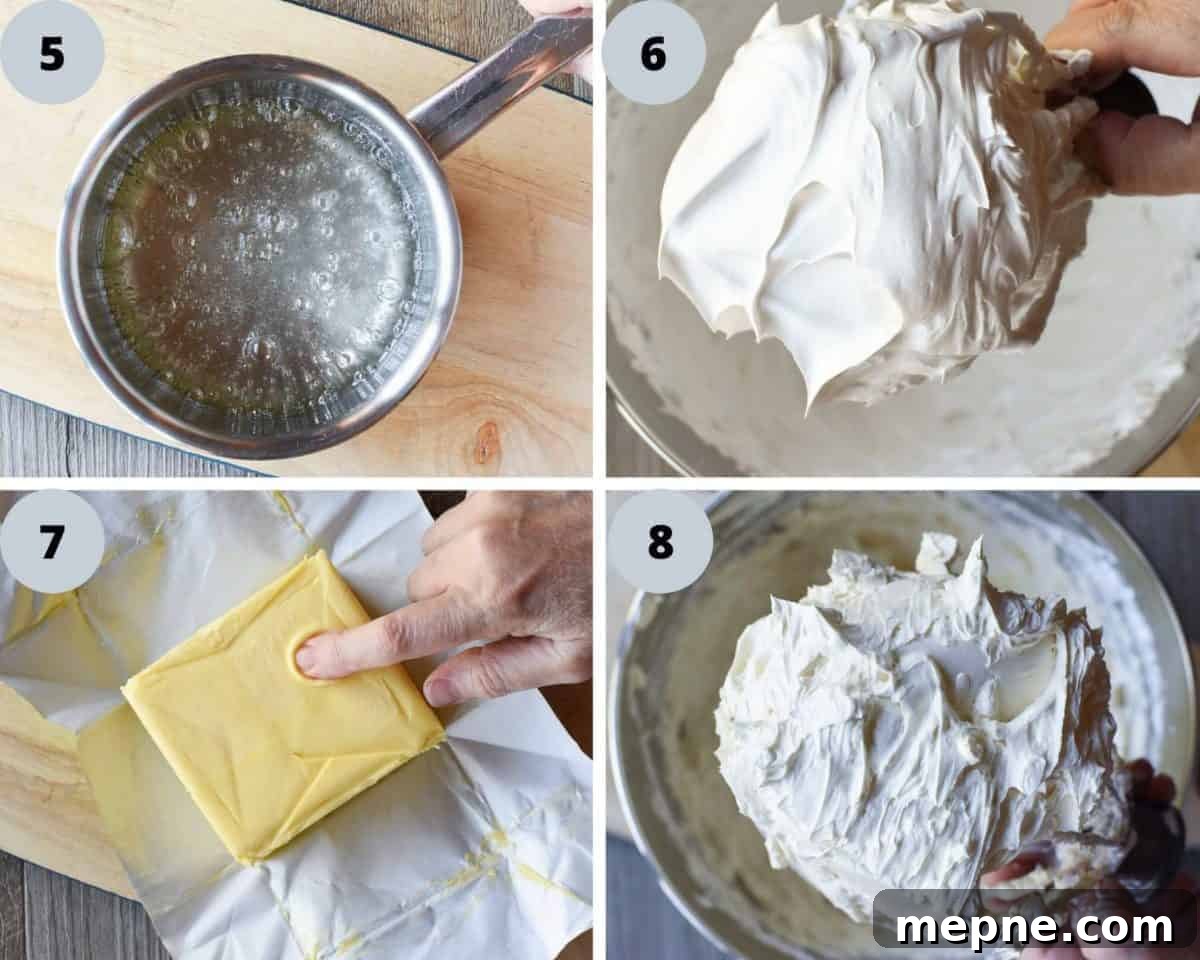
- When the syrup reaches temperature, pour it in a slow, steady stream between the whisk and the bowl, directing the syrup onto the meringue. It should take about a minute to add all the syrup. Continue whisking.
- After a couple of minutes, reduce to medium and beat until the bowl and meringue feel cool to the touch. This cooling period typically takes 5–15 minutes depending on kitchen temperature.
- Once the meringue is cool, add the room-temperature butter a tablespoon at a time, beating well between additions. The mixture may deflate or look separated at times—this is normal.
- When all the butter is incorporated, increase the speed and beat 2–3 minutes more until the buttercream is silky and light.
- Use immediately or store covered in the refrigerator for up to one week, or freeze for up to two months. To reuse, bring to room temperature and re-whip briefly until light.
Tips for success
- Grease is the enemy of meringue: ensure bowls and whisk are spotlessly clean and free of fat. Even a trace of yolk will prevent proper whipping.
- Partially covering the saucepan while the syrup cooks helps dissolve sugar that clings to the sides.
- Use a candy thermometer and reach 245°F/120°C for the syrup.
- Do not overbeat the egg whites before adding the sugar—once they collapse into liquid they cannot be rescued.
- Pour the hot syrup carefully between the whisk and the bowl directly onto the meringue while whisking.
- Let the meringue cool to near room temperature before adding butter. Test with a clean finger—if it feels warm, keep whisking to cool.
- Butter should be cool room temperature: soft but still firm, not greasy or melted.
- If the mixture becomes soupy after adding butter, stop adding butter and cool the bowl (wrap ice in a towel around the bowl) until the mixture firms, then continue whisking.
FAQ
Q: What if the mixture becomes soupy after adding butter?
A: The meringue was likely still too warm. Stop adding butter and cool the bowl—wrap ice in a clean towel around the mixer bowl or refrigerate briefly—then whisk until it firms up.
Q: How do I fix butter lumps?
A: Lumps mean the butter is too cold. Stop adding butter and let it soften to room temperature. Holding a warm towel to the sides of the bowl while beating can help incorporate the butter.
How to use this buttercream
Italian Meringue Buttercream is ideal as a filling and frosting for layer cakes, cupcakes, cream horns, and other pastries. It spreads and pipes beautifully and holds decorations well even in moderately warm conditions.
Italian Meringue Buttercream Recipe (Summary)
Equipment: Stand mixer with whisk attachment recommended.
Yield: Enough to fill and cover a three-layer 9 inch (23 cm) cake.
Ingredients
- 1 cup (200 g) granulated sugar
- 1/4 cup water
- 5 egg whites
- 1/4 cup (50 g) granulated sugar (extra fine best)
- Pinch fine salt
- 1 lb (454 g) unsalted butter, cool room temperature
Storage
Refrigerate up to one week in an airtight container. Freeze up to two months. To use after chilling or freezing, bring to room temperature and re-whip until light and fluffy.