Meat is often the most expensive part of a grocery run, but it doesn’t have to break your budget. With a little planning and the right cooking techniques you can buy low-cost cuts and still serve flavorful, satisfying meals. Some bargains aren’t worth it, though — knowing which cuts to choose and which to skip makes all the difference.

Going meatless isn’t the only way to save; you can keep meat in your meal plan while cutting costs. The trick is to choose affordable cuts that respond well to common preparations like braising, slow cooking, grilling, or quick sautéing. Buying when items are on sale and portioning and freezing at home will stretch every dollar further.
Cheapest Cuts of Meat
Walk into the store with confidence: being selective about cuts and how you cook them is the easiest way to save on groceries while still enjoying meat. Focus on cuts that are priced lower and adapt your cooking to bring out the best in them.
Ground beef
Ground beef is one of the most versatile and budget-friendly options. Stores often reduce prices as the sell-by date approaches, and buying larger packages can lower the per-pound cost. Ground beef works in countless dishes — from skillets to casseroles and simple weeknight sauces.
Pay attention to the numbers on the package: the ratio like 70/30 indicates 70% lean meat and 30% fat. Generally, packages with lower fat content cost more per pound. Ground sirloin is very lean (around 90/10 or 95/5) and will usually be pricier. If lean ground beef is too expensive, ground turkey or chicken are practical substitutes in many recipes.
Recipe ideas with ground meat: One Pot Cheesy Taco Skillet, Easy One Pot Rigatoni, Chicken Cacciatore Meatballs.

Flank steak
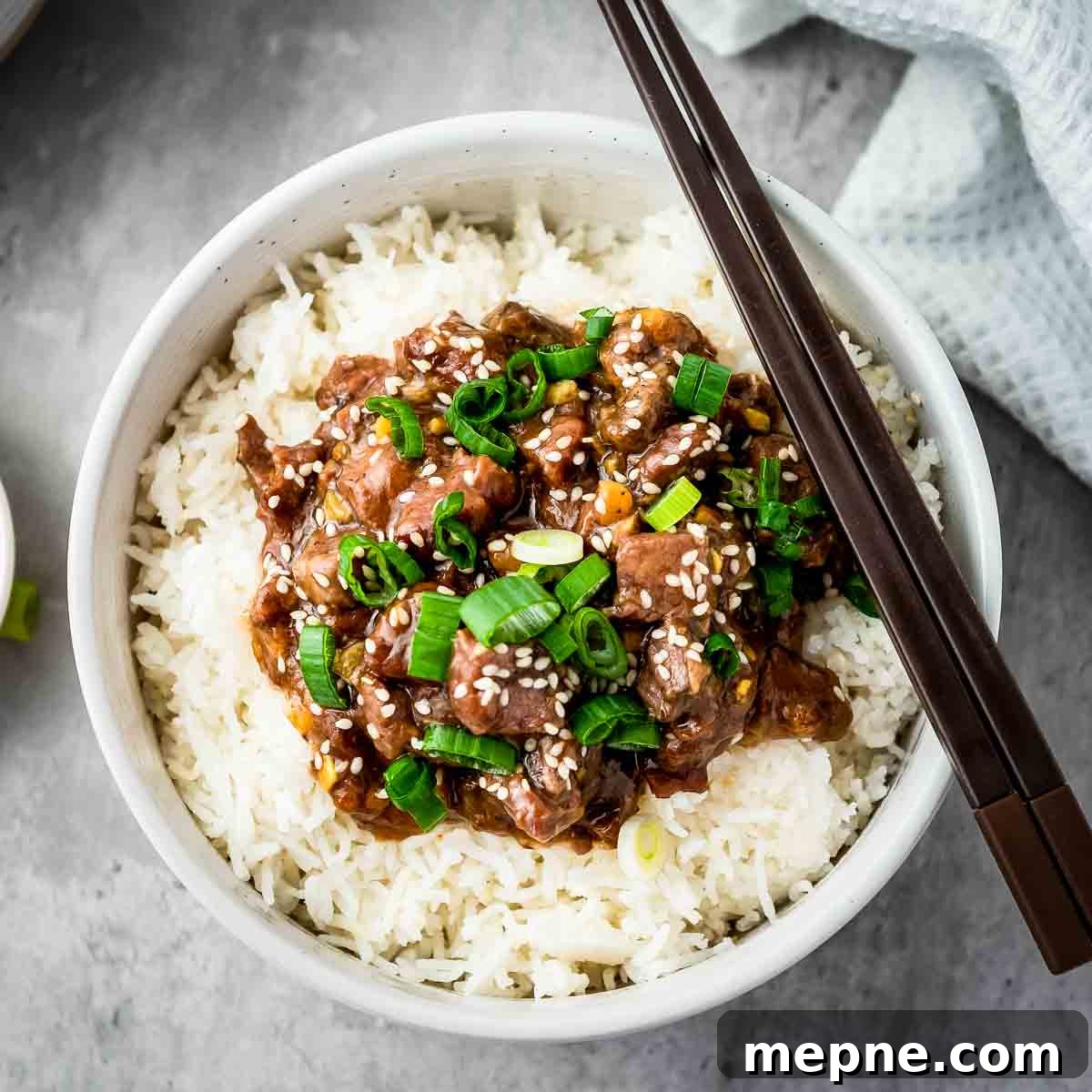
Flank steak is inexpensive, flavorful, and flexible — great for grilling, stews, fajitas, and stir-fries. It is naturally lean and can be tougher than premium steaks, so marinating and slicing thinly against the grain will maximize tenderness. Flank also benefits from quick, high-heat cooking or slow braising depending on the recipe.
Try these flank steak preparations: Slow Cooker Mongolian Beef, Air Fryer Steak Bites, Philly Cheesesteak Egg Rolls.
Chicken
Chicken frequently goes on sale and is a lean, nutritious protein. Bone-in cuts like thighs, drumsticks, and bone-in breasts are usually cheaper per pound than boneless cuts and often have more flavor. These cuts are ideal for slow cooking, braising, roasting, or one-pan dinners.
Boneless and bone-in breasts or thighs can often be used interchangeably in recipes; just monitor internal temperature closely so chicken reaches 165°F (74°C) for safe consumption. Buying whole chickens and breaking them down at home can also reduce cost per serving and provide bones for stock.
Chicken recipe ideas: One Pan Honey Garlic Chicken Thighs With Veggies, Chicken Potato Bake, Slow Cooker Chicken and Rice.

Pork
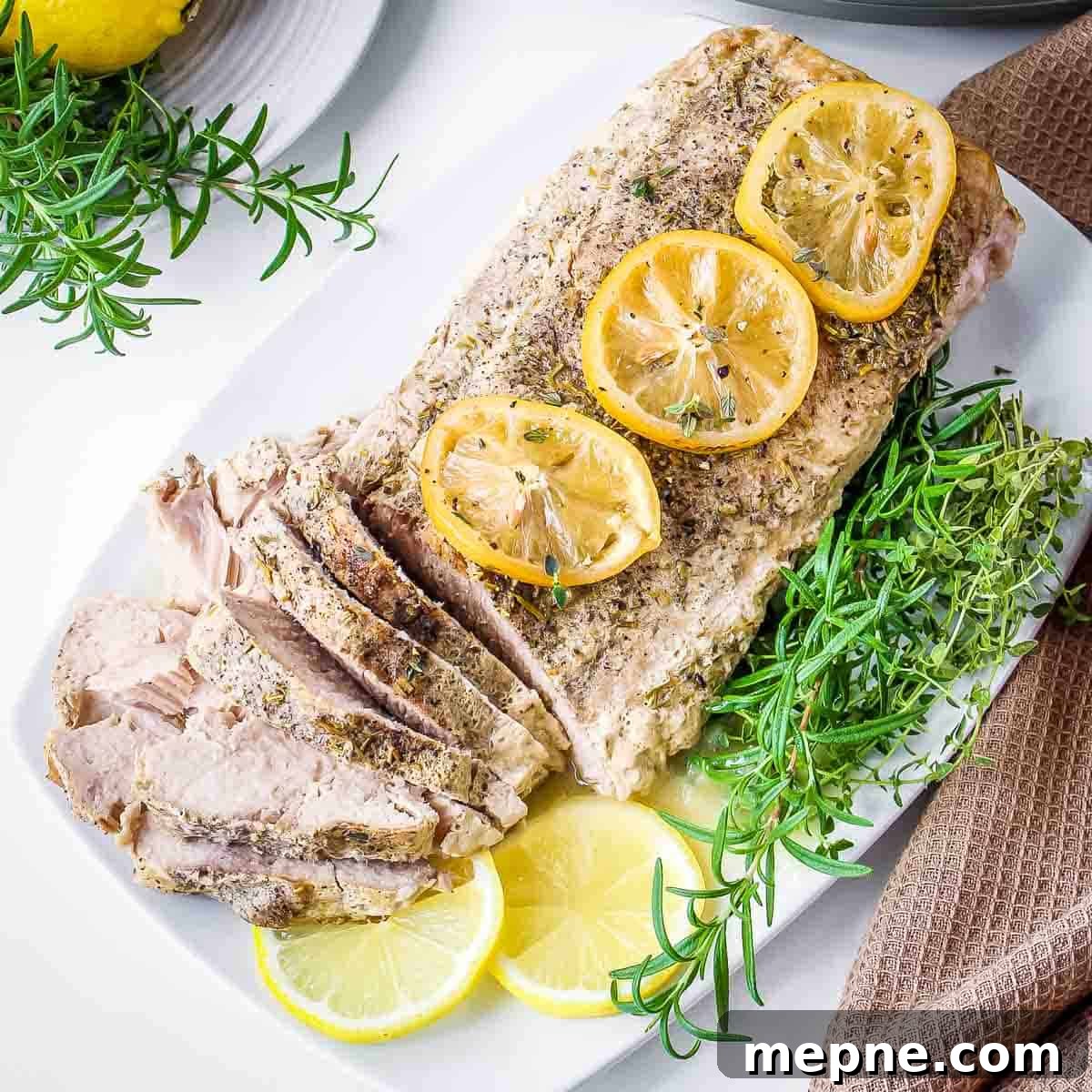
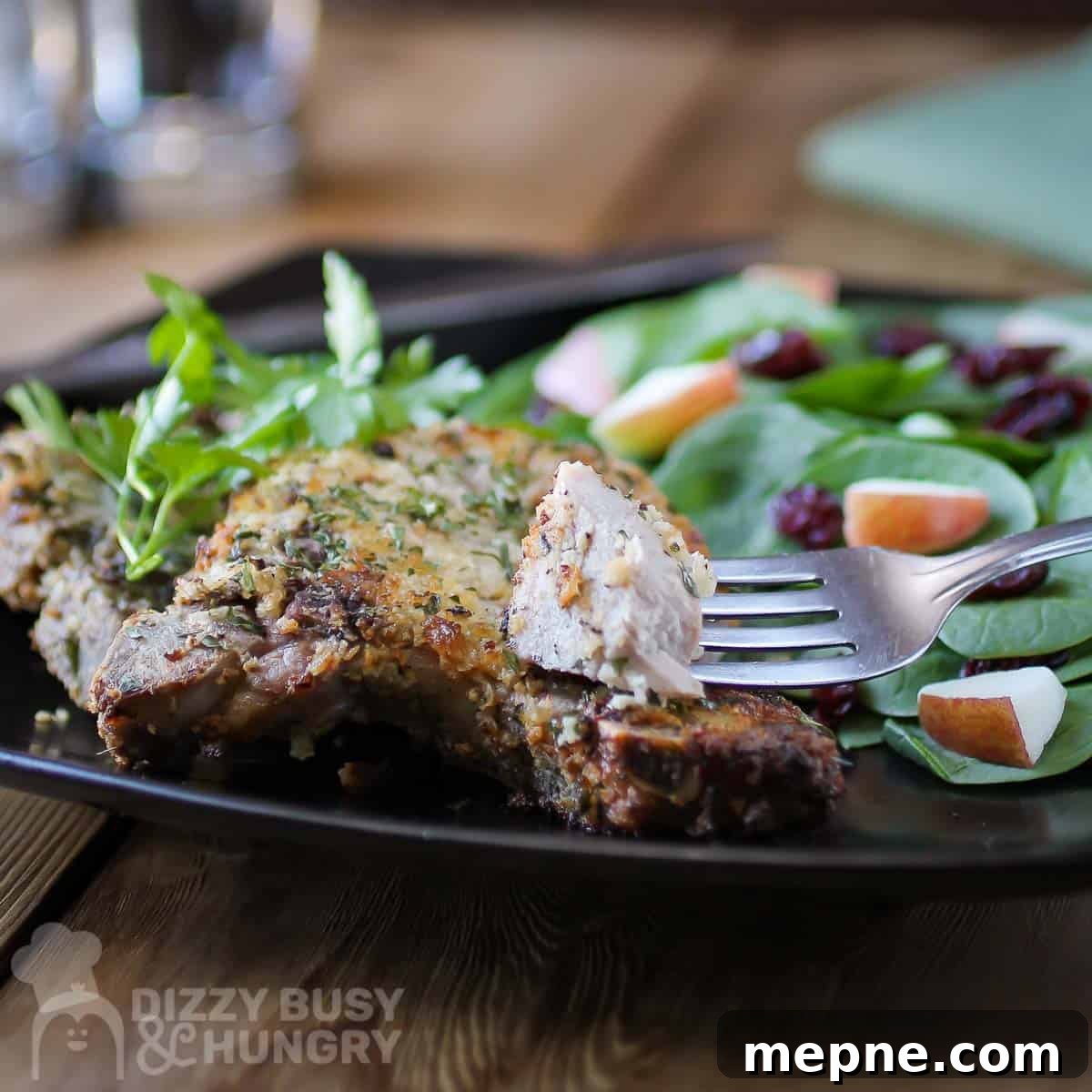
Pork often costs less than comparable beef cuts. Pork chops and loin are lean and cook well grilled, baked, or pan-seared. Bone-in chops and pork shoulder roasts are usually cheaper than boneless or trimmed cuts. Pork shoulder is especially useful for slow-cooked dishes like pulled pork and stews, stretching servings and delivering big flavor.
Pork to try: Slow Cooker Pork Roast with Lemon and Rosemary, Braised Garlic and Soy Pork, Blue Cheese Crusted Pork Chops.
Skip These Cheap Options
Some ultra-cheap items aren’t worth the trade-offs in nutrition or flavor. Below are a few low-cost choices that are better to avoid, even if they look like a bargain at checkout.
Spam
Spam is a processed canned ham product that’s high in saturated fat and sodium. One can contains a very large portion of daily sodium needs and has more fat than protein compared to fresh meats. For both health and flavor reasons, fresh or minimally processed proteins are a better value.
Frozen chicken nuggets
Frozen nuggets are convenient but often highly processed, with breading that can contain added sugar and high sodium. Homemade nuggets or tenders are simple to make—cut chicken into pieces, bread and bake or air-fry—and usually cost less while offering better control over ingredients.
Top Tip
Look for sales on larger cuts like pork shoulder or whole chickens — they tend to be cheaper per pound. Portion and freeze what you don’t need right away to save time and money later.
Chicken wings
Chicken wings can be pricey for the amount of meat they provide. Much of the portion is skin, bone, and fat; they also tend to be breaded or heavily sauced, which can add sugar and sodium. If you want wings for flavor, consider buying drumsticks or thighs instead for more meat per dollar.
Ham hocks
Ham hocks are mainly bone, fat, and salt used for flavoring. They can add richness to soups and beans, but they contribute a lot of saturated fat and sodium relative to the small amount of meat they offer. Using aromatics like onion, garlic, and herbs provides flavor without excess fat and salt.
Cheap Meat, Big Flavor
With smart shopping and a few cooking techniques, affordable cuts can produce delicious results. Marinating tougher cuts, using slow-cooking for shoulders and roasts, and slicing against the grain for flank or skirt steak will improve texture and flavor. Buy on sale, portion and freeze, and match the cooking method to the cut to get the most value and enjoyment from every meal.
Combine these low-cost meat choices with pantry staples and inexpensive side dishes to keep meals both satisfying and budget-friendly. This article originally appeared on Food Drink Life.
Thanks for reading — happy cooking and happy saving!