
Learn practical ways to save money on your grocery bill and cut food waste. These simple, actionable tips will help you shop smarter, cook more efficiently, and get the most value from every trip to the store.

We prepare most of our meals at home, which already trims restaurant spending. Beyond that, careful grocery planning has helped our family of four lower the weekly bill considerably. We’ve found approaches that are easy to keep up with and actually make mealtime less stressful—and more affordable.
Here are the strategies that helped us save on groceries, reduce waste, and eat well without overspending. They’re practical for busy families, couples, or anyone looking to tighten their food budget.
Meal plan ahead so you only buy what you need
Planning meals in advance is one of the most effective ways to reduce waste and avoid unnecessary purchases. When you map out lunches and dinners for the week, your shopping list becomes focused on ingredients you will actually use. This reduces impulse buys and prevents food from spoiling because you forgot about it.
Make a list or use pickup and delivery to avoid impulse buys
Impulse purchases add up, especially when you shop hungry or browse the aisles. Create a detailed grocery list before you go, or place an online order for curbside pickup or delivery. Sticking to a list keeps your cart aligned with your meal plan and prevents last-minute extras that blow up the total.
Check store sales and plan around discounts
Scan weekly ads and store circulars for meaningful discounts on staples you already use. Sales on meats, pantry items, or bulk goods can be an opportunity to stock up at a lower cost. If you buy perishable sale items, freeze them for later use so the savings aren’t wasted.
Don’t buy something just because it’s on sale
Not every deal is a real savings. If you’re unlikely to use an item, a sale doesn’t make it a good purchase. Only buy sale items that fit your meal plan or that you will reliably use before they expire.
Choose store brands and generic products
Store-brand items are often manufactured by the same companies that make national brands, but they usually cost less. Swapping in generic cereals, canned goods, and pantry staples can lower your bill without sacrificing quality. Try a few substitutes to discover which store-brand items meet your family’s taste and standards.
Eat seasonally and use frozen produce
Buying fruits and vegetables in season typically costs less and they taste better. When something you want is out of season or expensive, frozen produce is a smart alternative—more nutritious and often cheaper than canned options. Frozen fruits and vegetables are convenient for smoothies, soups, and stir-fries.

Incorporate more vegetarian meals
Reducing how often you cook with meat can noticeably lower your grocery costs. There are many satisfying vegetarian and plant-forward recipes that are filling and budget-friendly. If you’re nervous about flavor or variety, start with a few meatless dinners each week and build from there.
Vegetarian dishes we enjoy include risottos, hearty soups, grain bowls, and cheesy pasta bakes—simple meals that stretch ingredients and feed a family without high meat costs.
Buy from the bulk section for staples
Bulk bins are a great place to save on beans, rice, oats, spices, and nuts. Buying only the amount you need reduces packaging waste and often costs less than prepackaged versions. Compare unit prices to make sure the bulk option is the better value.

Buy dried beans and cook in batches
Dried beans are far cheaper per serving than canned varieties. Cook a large batch, portion it, and freeze or refrigerate for use in salads, soups, tacos, and grain bowls. This simple swap reduces cost and gives you more control over sodium and texture.
Check your pantry and fridge before shopping
Take a quick inventory before you make your list. You’ll avoid buying duplicates and can plan meals around what you already have. A glance in the freezer or pantry can inspire a meal and prevent forgotten items from going to waste.
Skip bottled water for everyday use
Unless your tap water is unsafe, bottled water is an unnecessary expense for home use. A good water filter or pitcher is a one-time investment that reduces ongoing costs and single-use plastic waste.
Grow a small herb garden
Fresh herbs are expensive prepackaged. Growing basil, mint, chives, or rosemary at home—on a windowsill or balcony—saves money and gives you a steady supply for cooking. Even a few pots can make a difference over time.
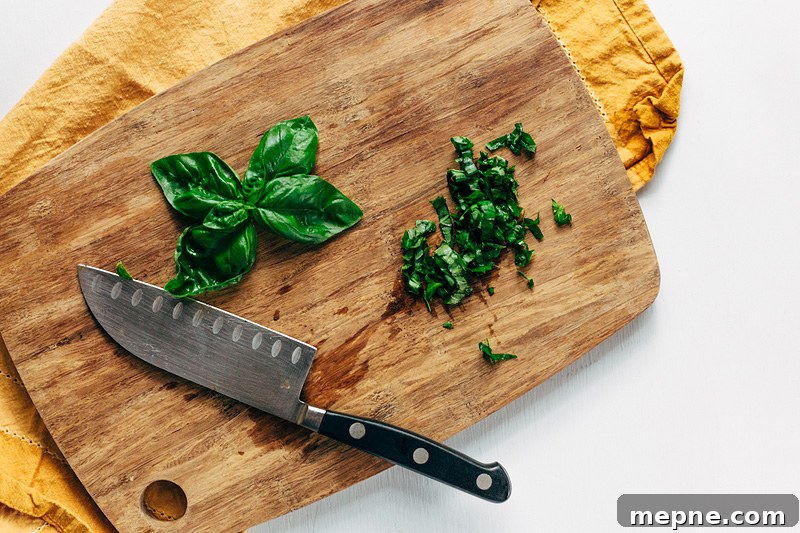
Avoid pre-grated cheese and pre-cut produce when saving is the priority
Convenience items like pre-grated cheese and pre-cut vegetables cost extra. If your goal is to save money, buy whole ingredients and do the prep yourself. That small time investment often adds up to meaningful savings over a month.

Hopefully these tips help you lower your grocery bill and reduce food waste. Have a money-saving tip to share? Leave a comment and let us know what works for you!
- Instant Pot Parmesan Risotto
- Roasted Butternut Squash Soup
- Farro Bowls with Sweet Potato and Kale
- Easy Cheesy Pasta Bake