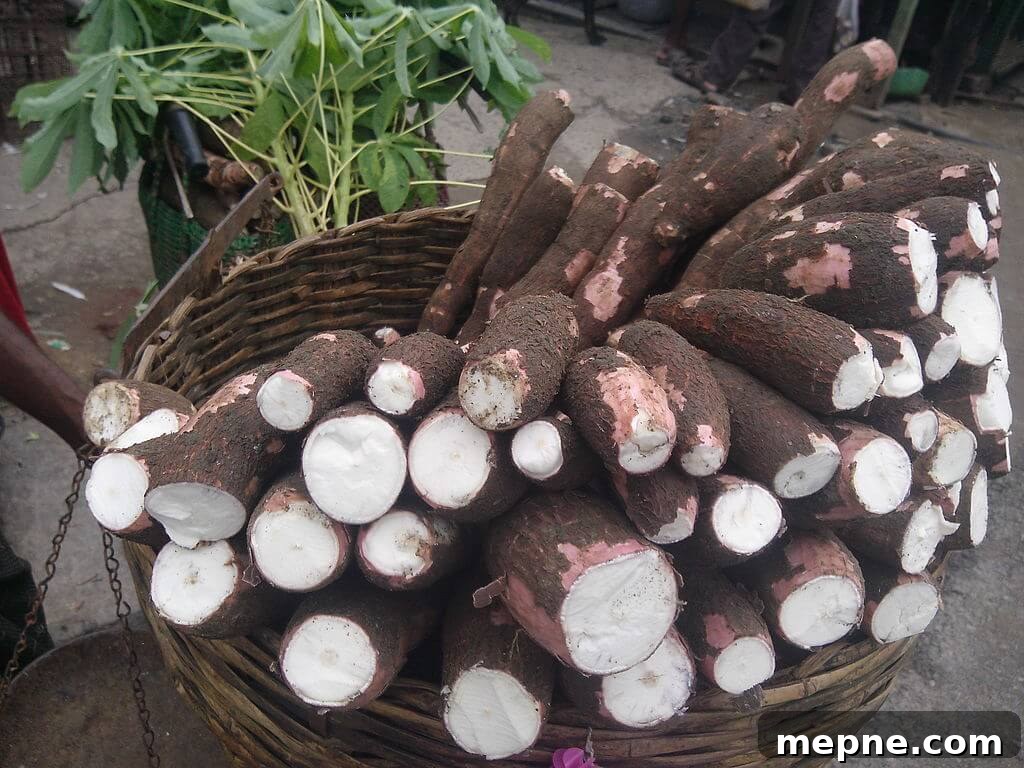
Is cassava flour the holy grail of gluten-free, grain-free cooking? It very well may be. Before you make it a staple, here are five essential things to know.
Cassava flour has emerged as a popular gluten-free, grain-free alternative to wheat. For many people on restricted diets, achieving the texture and performance of wheat flour requires blending several specialty flours. Cassava flour often stands out because it can frequently replace wheat flour on a 1:1 basis, simplifying recipes and reducing the need for multiple ingredients.
After spending time in Bali and Southeast Asia sampling locally made cassava breads, cakes, and snacks, it became clear how versatile and accessible cassava flour can be. Its neutral flavor and fine texture make it an attractive option for baking and everyday cooking.
Could it really be the best gluten-free flour? It has a lot going for it.
Yes — it’s promising. But before you replace every recipe with cassava flour, here are five important facts to consider:
1. Cassava flour is gluten-, grain- and nut-free
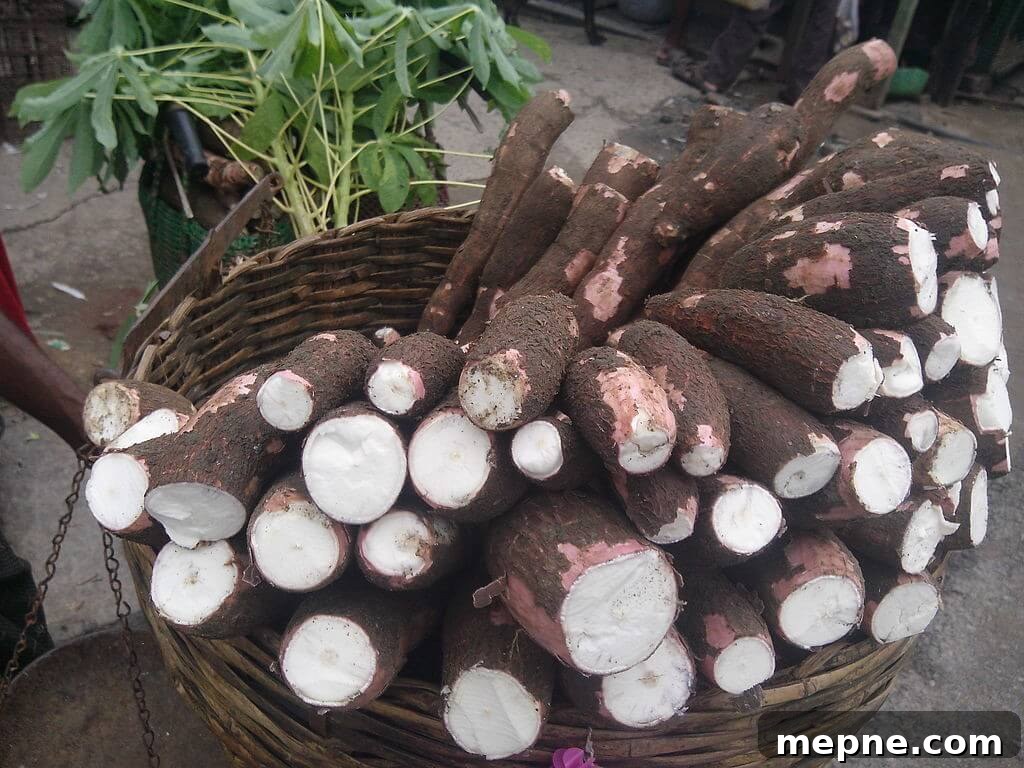
Cassava comes from the cassava plant, a staple crop in parts of South America, Africa and Asia. The edible portion is a starchy root—sometimes called yuca or manioc—similar in category to potatoes, yams, taro and plantains. As a root vegetable, cassava flour is naturally free from gluten, grains and tree nuts, and it fits vegan, vegetarian and many paleo-style diets.
2. Cassava flour is different from tapioca flour
The terms cassava flour and tapioca flour are sometimes used interchangeably, but they are not the same. Tapioca is the starch extracted from the cassava root; the process separates the starch from the fibrous parts of the root. Cassava flour, by contrast, is made from the whole root that has been peeled, dried and ground. Because cassava flour contains the whole root, it retains more fiber and behaves differently in recipes—allowing for applications such as tortillas that tapioca starch alone cannot achieve.
3. Properly prepared cassava is safe to eat
Raw cassava contains naturally occurring cyanogenic compounds, which can be toxic if consumed uncooked or improperly processed. Traditional methods—soaking, fermenting and thorough cooking—reduce and eliminate these compounds. Commercial cassava and tapioca flours are processed to safe standards and do not contain harmful levels of these compounds, so products sold for home use are safe when prepared as directed.
4. Cassava flour is high in carbohydrates
Because cassava is a starchy tuber, it is relatively high in carbohydrates and calories compared with some other root vegetables. For example, on a per-100-gram basis it can contain considerably more starch than sweet potato. That makes cassava an important staple for many communities, but it also means cassava flour can raise blood sugar more than lower-carbohydrate alternatives.
If you follow a low-carb, low-sugar or strict paleo plan, or if you need to manage blood sugar, be mindful of portions and frequency. Moderation is advisable—cassava flour can be part of a healthy diet, but it shouldn’t be consumed without consideration for your overall carbohydrate intake.
5. Of gluten-free flours, cassava is closest to wheat
One of cassava flour’s strongest advantages is how closely it mimics wheat flour in both flavor and texture. Unlike almond or coconut flour, which have distinct flavors and absorbency issues, cassava flour is mild, neutral and finely textured. It performs well in many recipes and often can be substituted for wheat flour at a 1:1 ratio in a wide range of baked goods and savory dishes. That makes it a valuable option for people seeking a grain-free, nut-free, gluten-free substitute.
Quality matters: different brands and processing methods affect how cassava flour behaves in recipes. If a recipe doesn’t turn out as expected, the flour brand or how it was processed is a common factor to check.
Below are some popular uses and recipe ideas that showcase cassava flour’s versatility:
Here are some favorite cassava flour and yuca recipes:
Cassava Flour Tortillas
Baked Yuca Fries (Cassava Fries)
Steak Fajitas with Cassava Flour Tortillas
Molten Chocolate Cake with Coconut Whipped Cream and Pistachios
Herbed Cassava Tortilla Chips
Pulled Pork Street Tacos
Coconut Amaretto Crepe Cake
For further inspiration, look for collections of cassava flour recipes to explore a variety of sweet and savory options.
If you enjoyed this overview, you may also be interested in similar ingredient guides such as “5 Things You Need to Know About Arrowroot Powder,” or practical pantry organization tips to see the kinds of staples commonly used with alternative flours.
Have you cooked with cassava flour yet? Share your experience—what worked well and what challenges did you face?
This post was originally published May 2015 and updated July 2017.