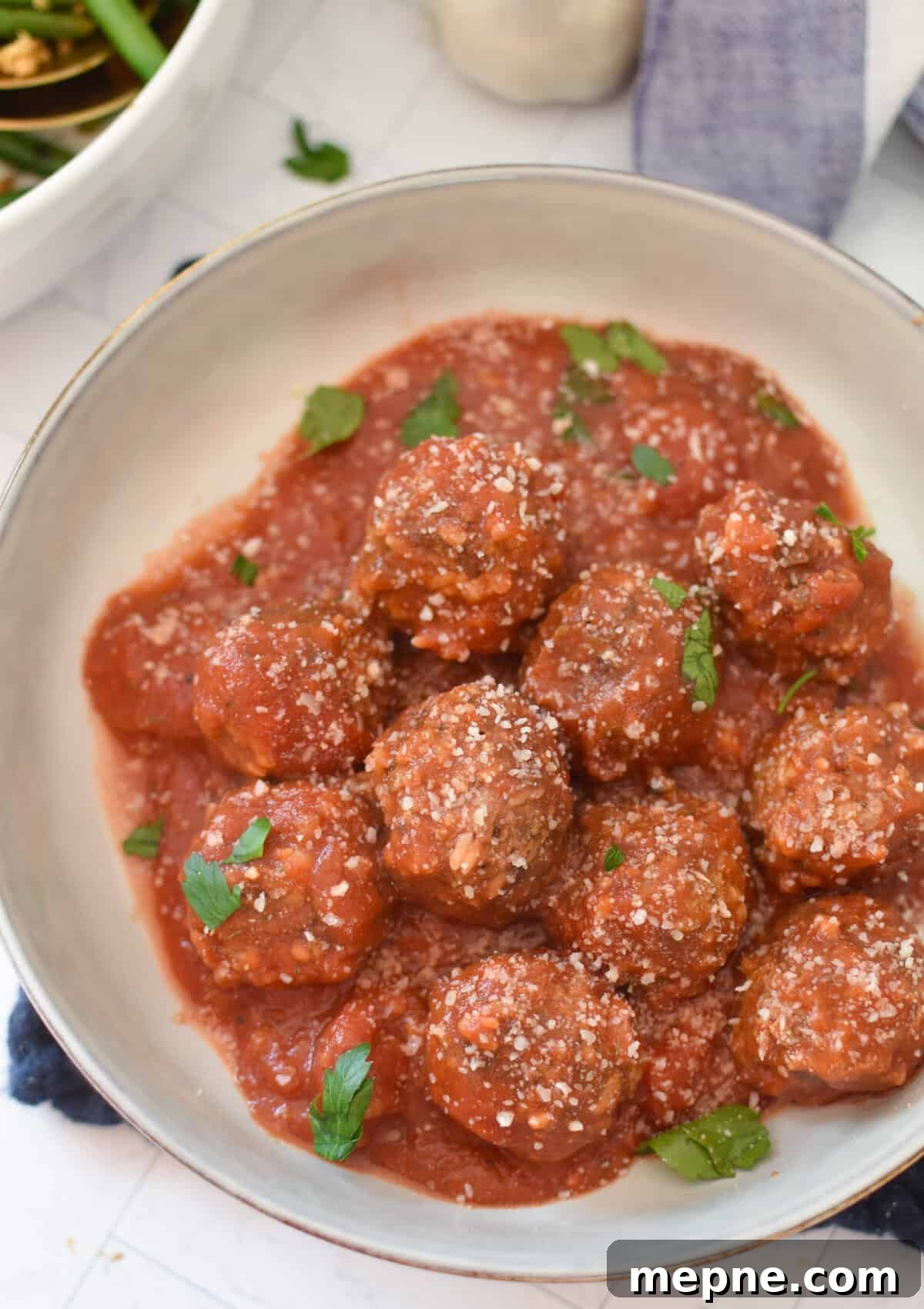
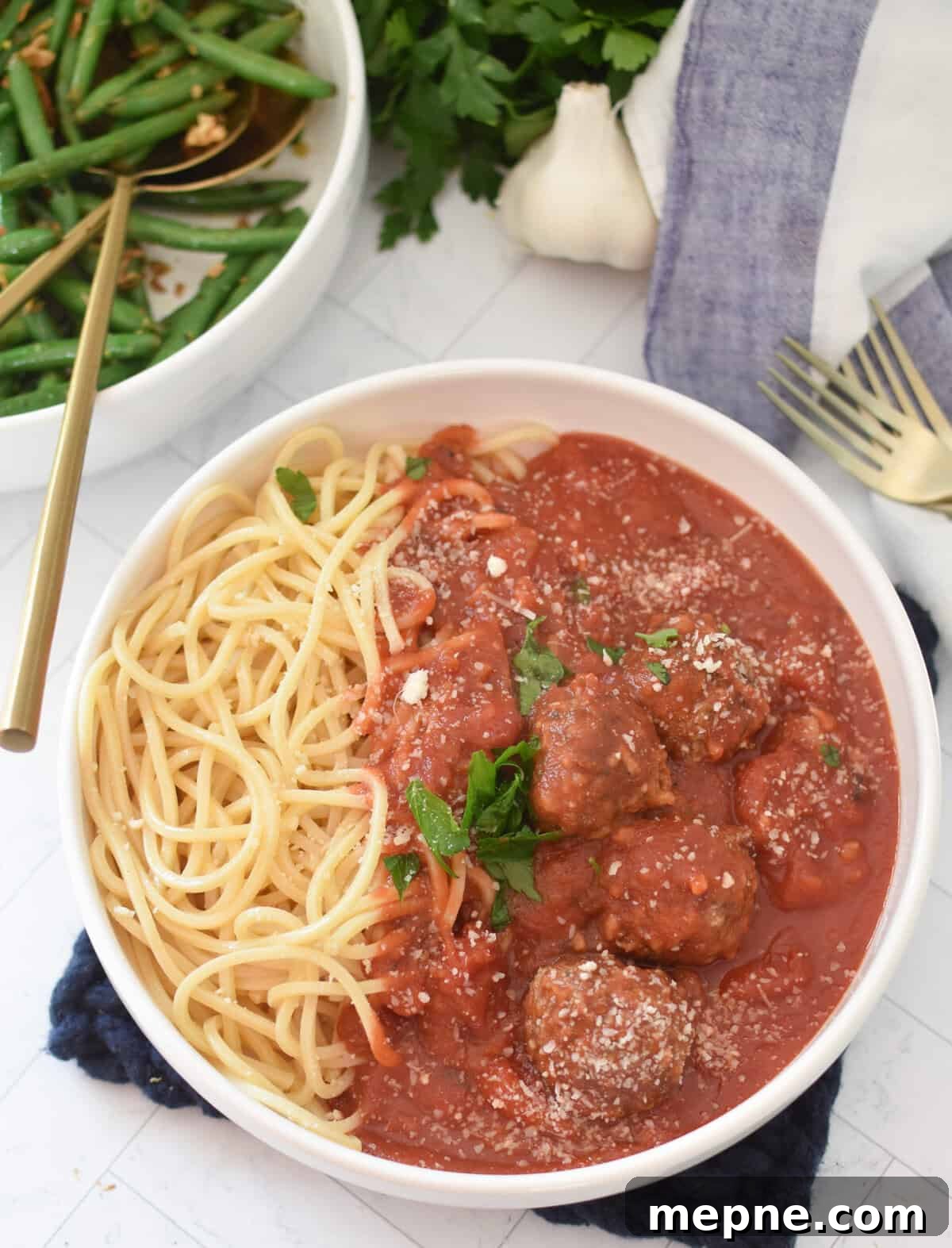
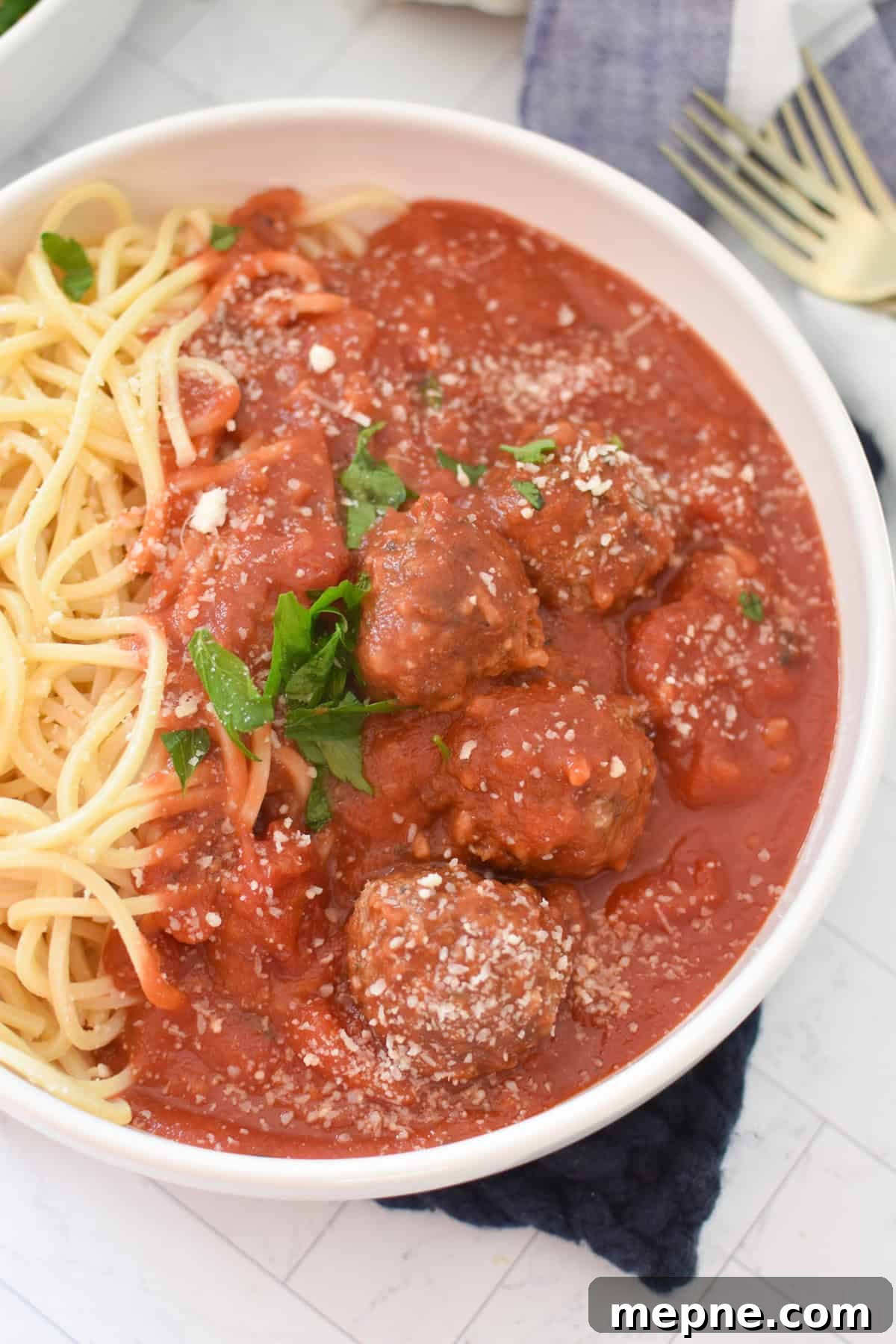
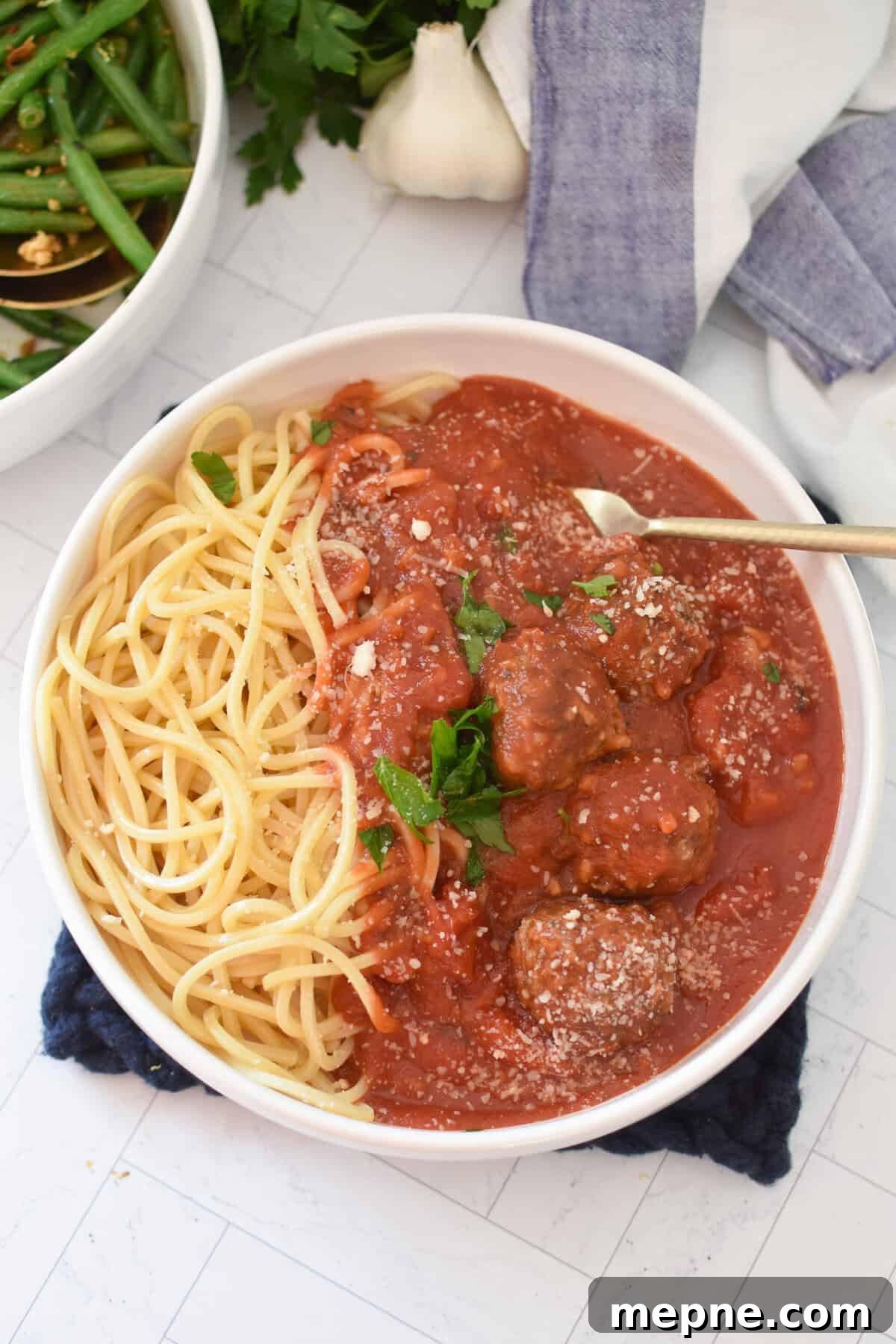
Porcupine Meatballs are a classic, comforting dish that many remember from family kitchens. Originating as an economical, filling meal, they combine ground beef and uncooked white rice with simple seasonings and simmer in a tomato sauce until tender. The rice expands during cooking and peeks through the meat, giving the meatballs their distinctive “porcupine” appearance. Serve them over pasta or rice for a satisfying weeknight dinner or make a batch to freeze for busy nights.
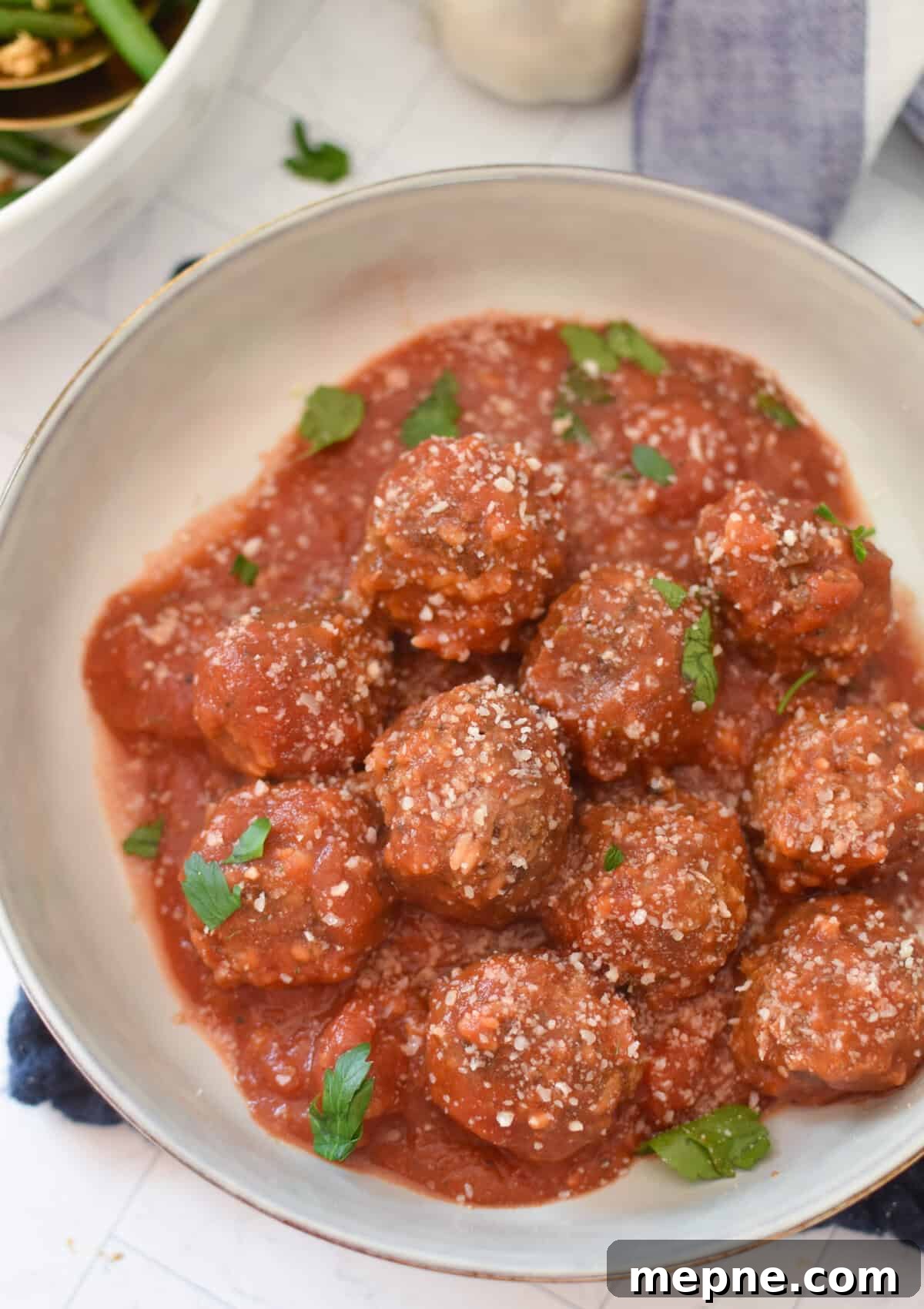
PORCUPINE MEATBALLS
Simple ingredients and straightforward technique make Porcupine Meatballs a reliable family favorite. Ground beef is mixed with minute white rice, onion, garlic, an egg to bind, and a handful of seasonings. The meatballs are browned, added to a tomato-based sauce, and slow-cooked or simmered on the stove until the rice is tender and the flavors meld. They freeze well and reheat easily, making them ideal for meal prep.
Why You Will Love These Porcupine Meatballs
- Simple, wholesome ingredients: Ground beef, rice, onion, garlic and pantry spices create a filling meal without complicated shopping.
- Protein packed: These meatballs provide a hearty source of protein and iron, making them a good choice for growing kids and active adults.
- Make-ahead friendly: They freeze and reheat well, so you can prepare a large batch ahead of time.
What Are Porcupine Meatballs?
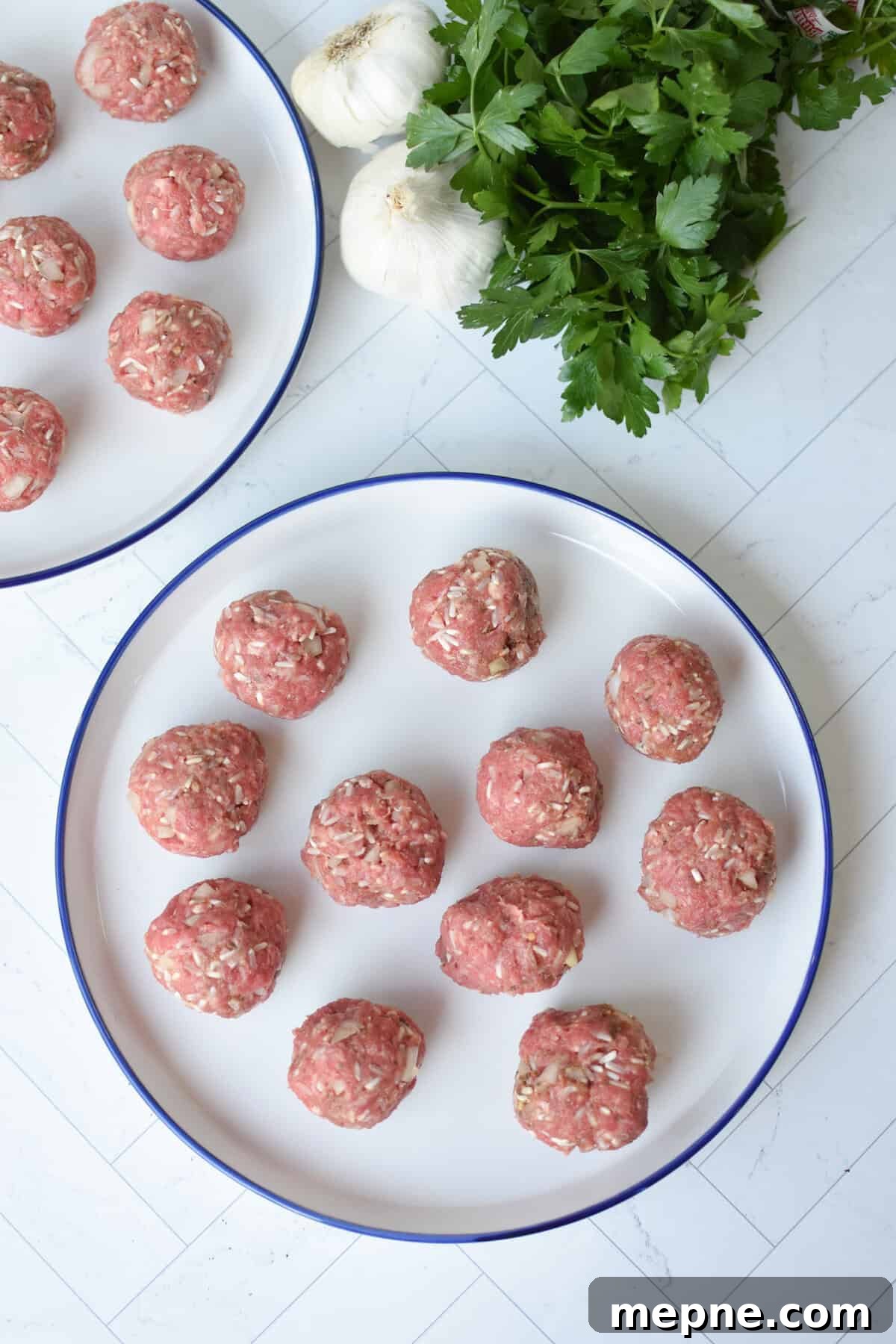
Porcupine meatballs are meatballs made with uncooked white rice mixed directly into the ground meat. As they cook in the sauce, the rice swells and pokes through the meat surface like tiny quills, lending the recipe its nickname. The dish gained popularity when stretching ingredients and making budget-friendly meals was essential; the rice extends the meat while adding texture and substance.
Recipe Ingredients
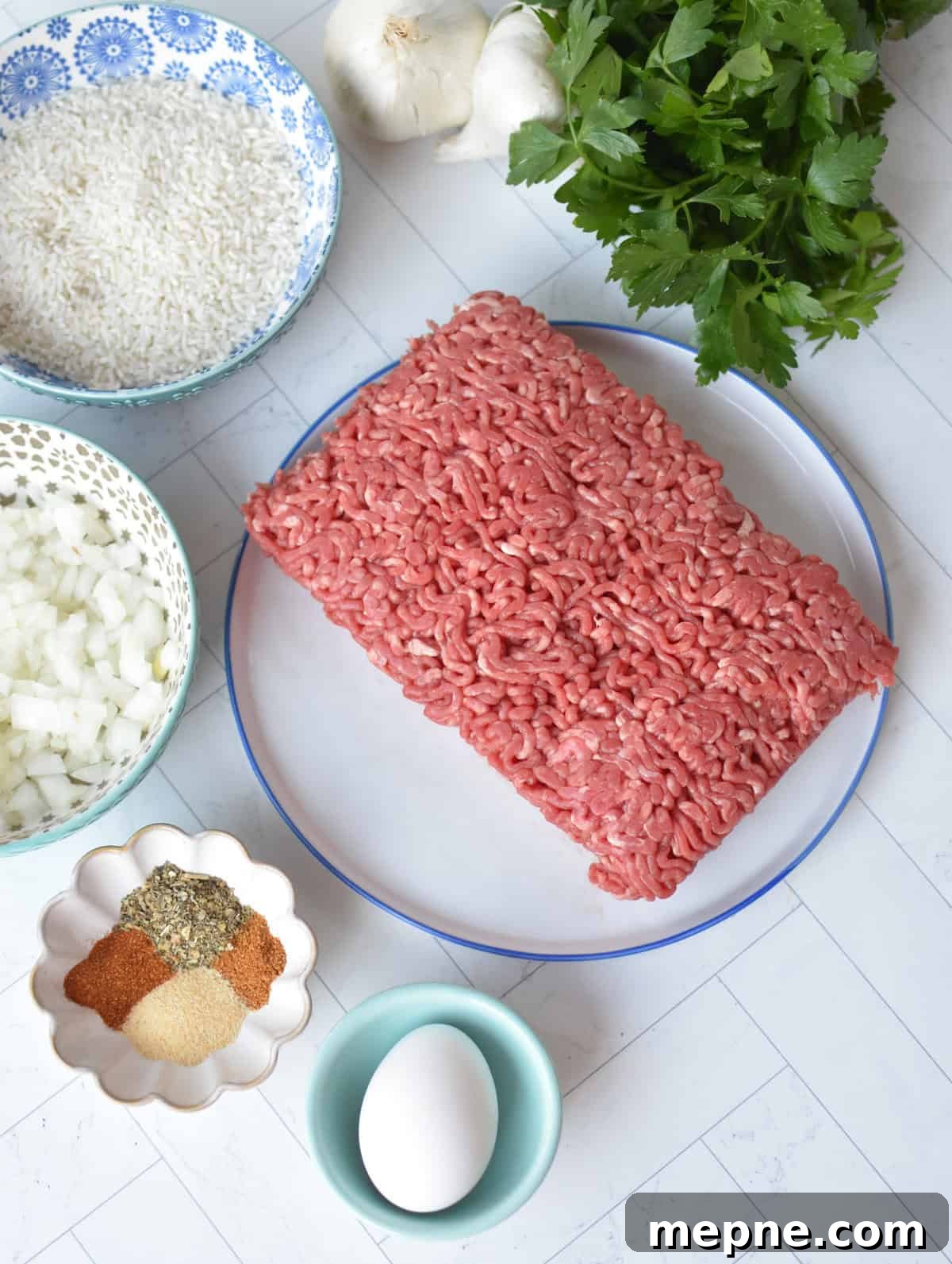
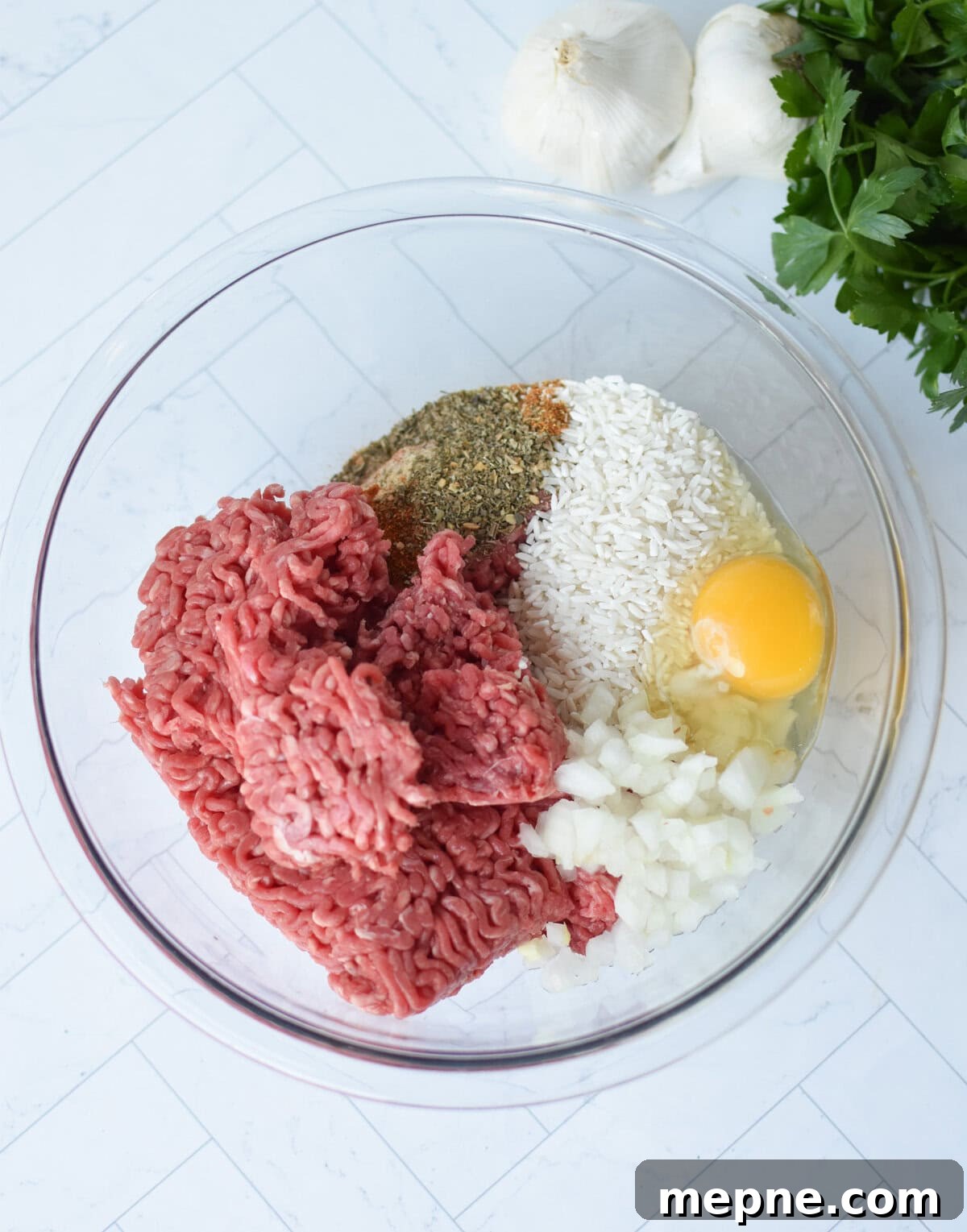
- 1 pound ground beef (80/20 suggested for flavor)
- 2 teaspoons Italian seasoning
- 1/2 teaspoon onion powder
- 1 teaspoon garlic powder
- 1/2 teaspoon paprika
- 1 teaspoon salt and 1/4 teaspoon black pepper
- 1/2 cup Minute white rice (uncooked)
- 1/2 sweet onion, finely minced
- 3 garlic cloves, finely minced
- 1 large egg
- 2 tablespoons olive oil for browning
- Fresh parsley for garnish
For the Sauce
- 2 (15-ounce) cans tomato sauce
- 1 (15-ounce) can diced tomatoes (optional: substitute additional tomato sauce if you prefer no chunks)
- 1 teaspoon Italian seasoning
- 2 bay leaves (optional)
How to Make Porcupine Meatballs in the Crockpot
- Mix the meatball mixture: In a large bowl combine the ground beef, Italian seasoning, onion powder, garlic powder, paprika, salt, pepper, uncooked minute rice, minced onion, minced garlic and egg. Mix until evenly combined. Shape into approximately 20–22 meatballs (about 2 tablespoons each).
- Brown the meatballs: Heat olive oil in a skillet over medium heat. Brown the meatballs for 4–5 minutes per side to develop color and flavor, then transfer them to the slow cooker.
- Make the sauce: In a bowl combine the tomato sauce, diced tomatoes, Italian seasoning and bay leaves. Pour the sauce over the meatballs, ensuring they are covered.
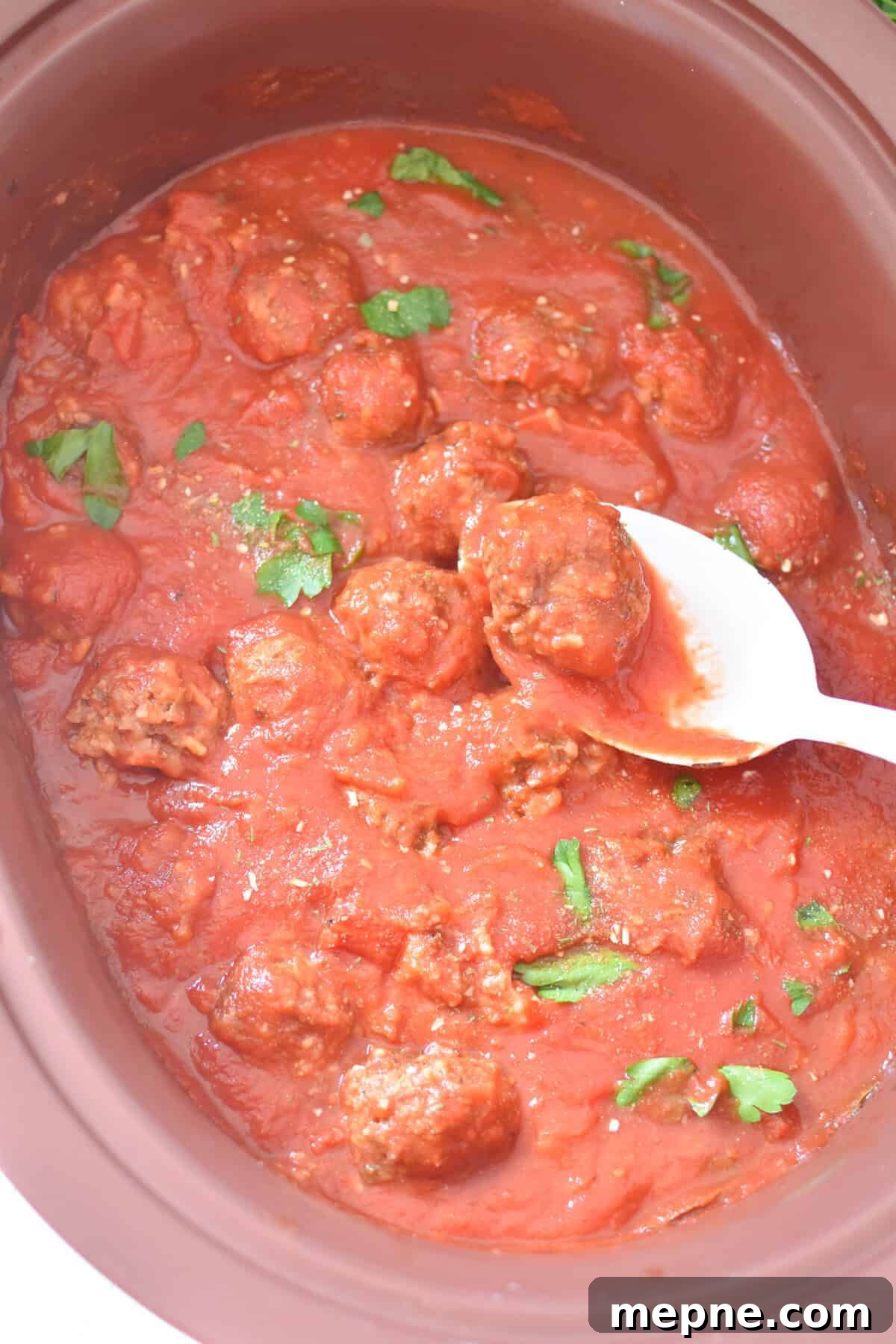
- Slow cook: Cook on low for 4–6 hours or on high for 3–4 hours, until the rice is tender and meatballs are cooked through.
- Serve over cooked rice or pasta and garnish with fresh parsley.
How to Make Porcupine Meatballs on the Stove
- Prepare the meatball mixture and shape into 20–22 meatballs as above.
- In a large skillet, heat olive oil over medium heat. Brown the meatballs for about 3 minutes per side, then remove any excess fat.
- Pour the prepared tomato sauce over the meatballs in the skillet, cover, and bring to a gentle boil. Reduce heat and simmer, covered, for 35–40 minutes, until rice is tender and meatballs are cooked through.
- Serve with pasta or rice and garnish with parsley.
Ways to Modify These Meatballs
- Add cheese: Stir in 1/4 cup finely grated Parmesan to the meat mixture for extra richness.
- Include vegetables: Finely minced bell pepper, shallot or mushrooms can be mixed into the meat for added flavor and nutrition.
- Adjust spices: Add dried basil, oregano, chili powder or a pinch of cayenne for more heat or a different flavor profile.
- Fresh herbs: Finely chopped fresh parsley, basil, thyme or oregano brightens the meatballs when stirred into the mix or sprinkled on top before serving.
- Traditional variations: For a historical twist, substitute tomato sauce with tomato juice or a light tomato soup as was sometimes done in earlier decades to stretch ingredients.
Recipe Tips and Storage
- Thicken the sauce: If the sauce seems thin during cooking, add more tomato sauce or a splash of broth and continue to simmer until it reaches the desired consistency.
- Rice choice: Minute white rice works well because it softens reliably inside the meatballs; regular long-grain rice can stay slightly firm.
- Leftovers: Store in an airtight container in the refrigerator for up to 4 days. Reheat gently in a skillet or microwave until warmed through.
- Freeze uncooked: Arrange raw meatballs on a parchment-lined baking sheet and freeze until solid (about 2 hours), then transfer to a freezer-safe bag for up to 3 months. Thaw overnight before cooking.
- Freeze cooked: Cool completely, then freeze in labeled containers or bags for easy reheating later.
Other Beef Recipes You Might Like
- Beef Kafta Meatballs
- Slow Cooker Mediterranean Beef Meatballs
- Mediterranean Baked Beef Meatballs
- The Best Roast Beef Recipe
- Lebanese Meat Pies
Nutrition
Nutrition information is provided as an approximation per meatball:
- Calories: 76 kcal
- Carbohydrates: 2 g
- Protein: 4 g
- Fat: 6 g (Saturated fat: 2 g)
- Sodium: 124 mg
- Iron: 1 mg
Nutrition values are estimates and should be used as a guide only.
This recipe reflects a classic, budget-friendly approach to family meals and is ideal for meal planning. It reheats well and adapts to many flavor preferences.