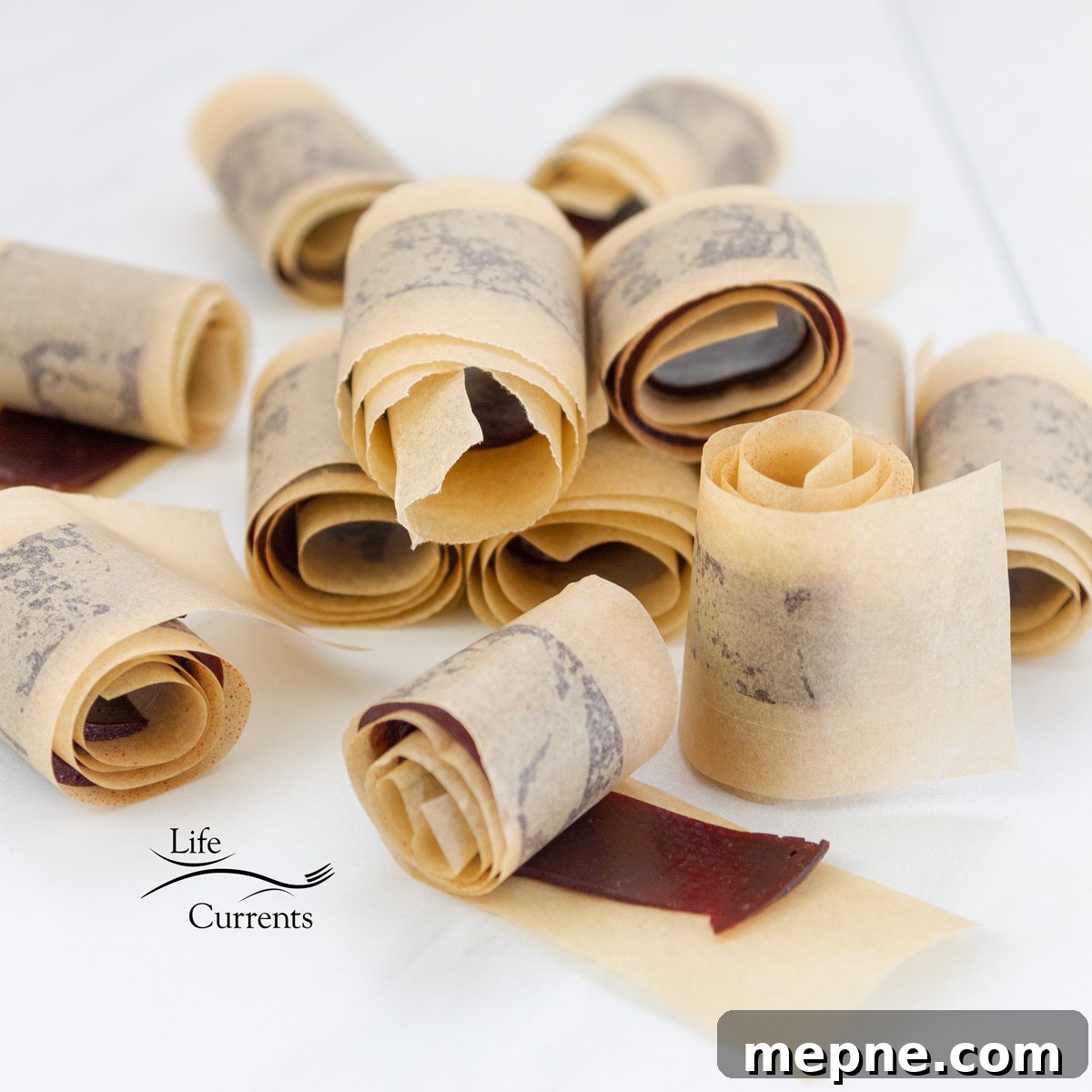
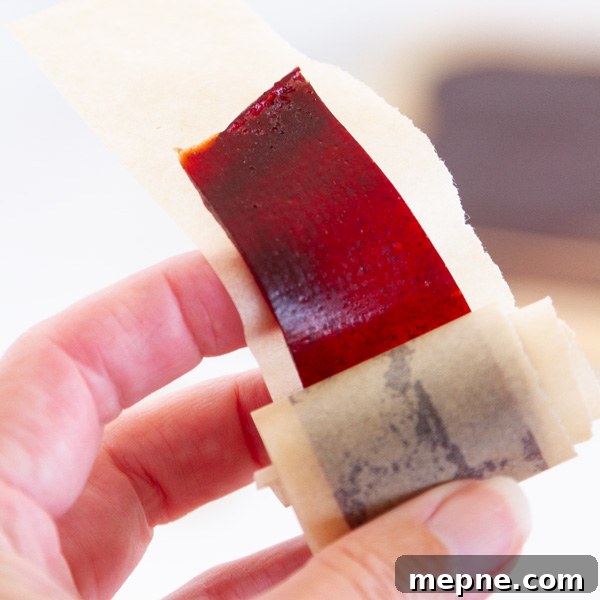
Homemade strawberry fruit roll-ups are incredibly easy to make with just two main ingredients. They’re a wholesome, naturally-flavored snack perfect for back-to-school lunches, hiking, or camping. Kids love them, and adults enjoy a fresher, less processed version of the classic fruit leather.
This old-school fruit leather is a simple, natural treat that doesn’t require special equipment. It’s vegan, gluten-free, and made with fresh fruit for a bright, true strawberry flavor.
I first shared this recipe years ago when friends gave me a big flat of strawberries and I needed to use them up. The method is the same now as it was then—puree, cook, spread, and dry—just with clearer photos and tips to make the process easier and more reliable.
We appreciate your support
If you have any questions about this recipe, please leave a comment. I read feedback and try to respond. The post includes answers to common questions, but I’m always happy to clarify details or troubleshoot with you.
Tasty summertime fruit
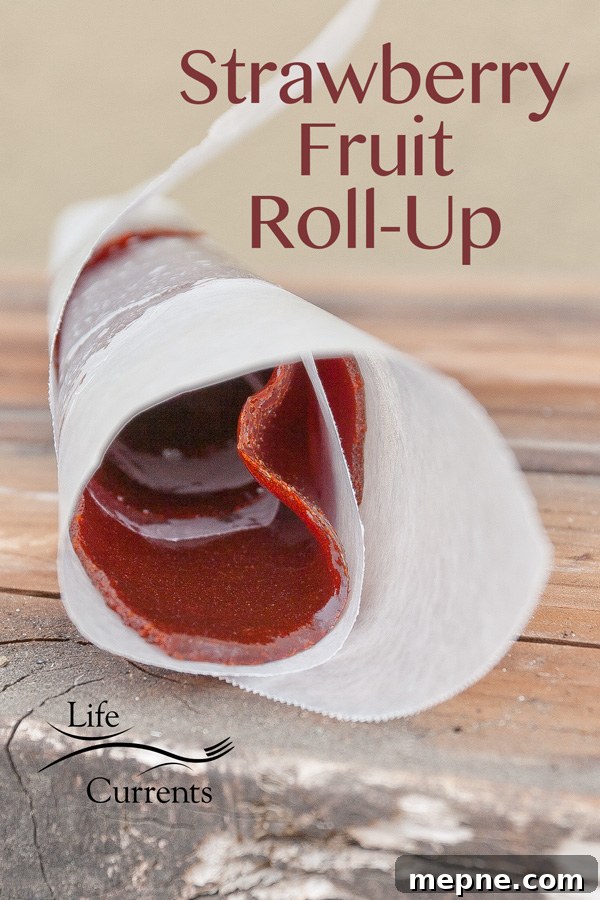
Strawberries are ideal for summer recipes. When you have a large batch—whether from a u-pick farm, a generous friend, or your own garden—homemade strawberry roll-ups are a great way to preserve that fresh flavor in a portable snack. This recipe uses ripe strawberries, a touch of sweetener, and low heat to turn fresh fruit into chewy, flavorful fruit leather.
What to call it
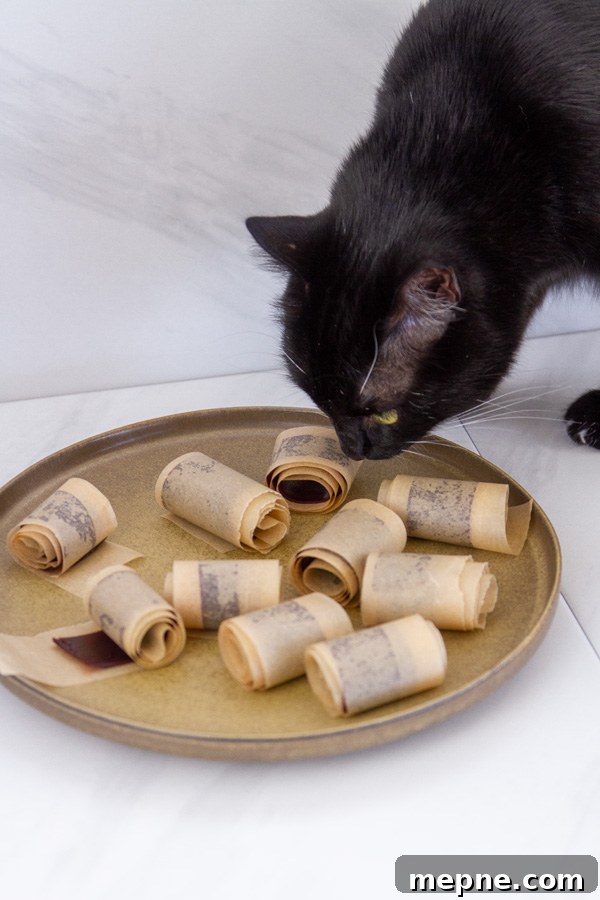
This snack goes by many names: fruit roll-ups, fruit leather, fruit smash, or fruit rolls. Whatever you call them, they’re simply pureed fruit cooked down and dried into a pliable sheet you can roll and slice.
Can I use other fruits?
Yes. This technique works with many fruits: raspberries, blueberries, blackberries, peaches, pineapple, mango, apples, pears, and grapes. Taste the puree before drying—sweeter fruit needs less added sugar. Keep in mind drying concentrates flavors and sweetness, so err on the lighter side when sweetening.
Using frozen or canned fruit
Frozen fruit works well—thaw it fully before pureeing. Canned fruit can be used too; just drain well and taste for sweetness before cooking down.
Sugar and alternatives
Adding a small amount of sugar or another sweetener improves texture and chewiness. If you prefer, substitute maple syrup or honey. You can also omit added sweetener if your fruit is very sweet, but the texture may be less chewy.
How to make fruit leather
The process is straightforward: puree, cook, spread thin, dry, and roll.
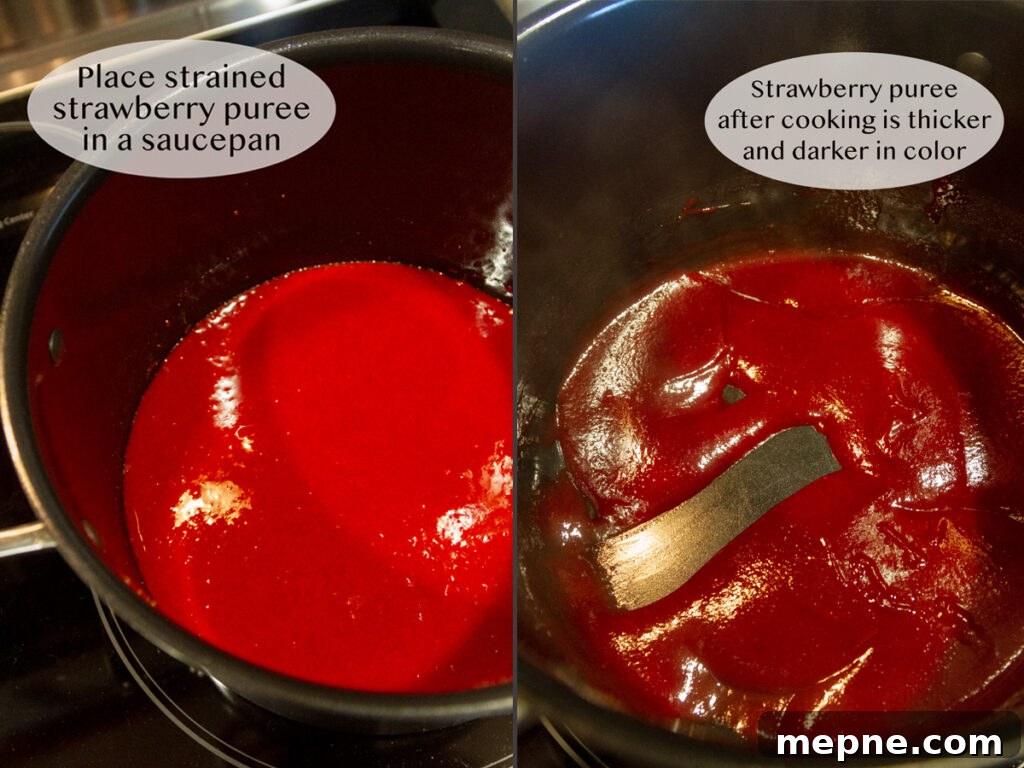
Start by pureeing the strawberries with the sugar until smooth. Strain through a fine mesh if you want an extra-smooth, seed-free leather. Cook the puree in a saucepan until it thickens and darkens slightly—this concentrates the flavor and removes excess water.
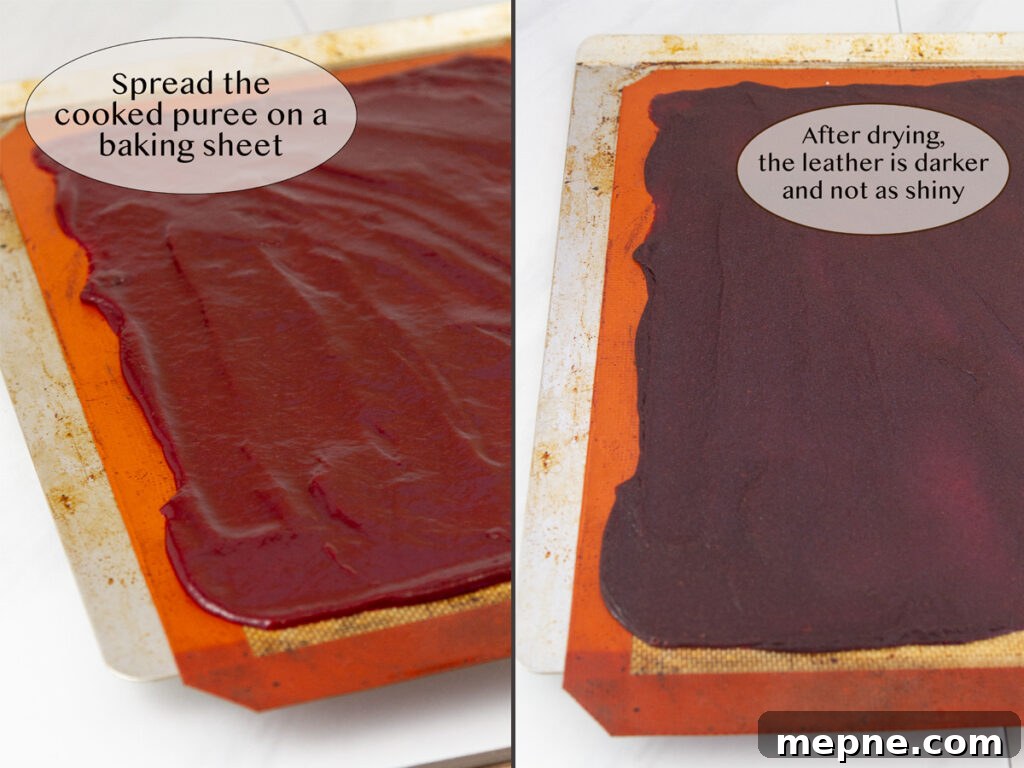
Spread the cooked puree evenly in a thin layer on a lined baking sheet and dry in a low oven (about 200°F / 95°C) for a few hours until the sheet no longer sticks to your fingers but still has slight tack. The color will be much darker after drying.
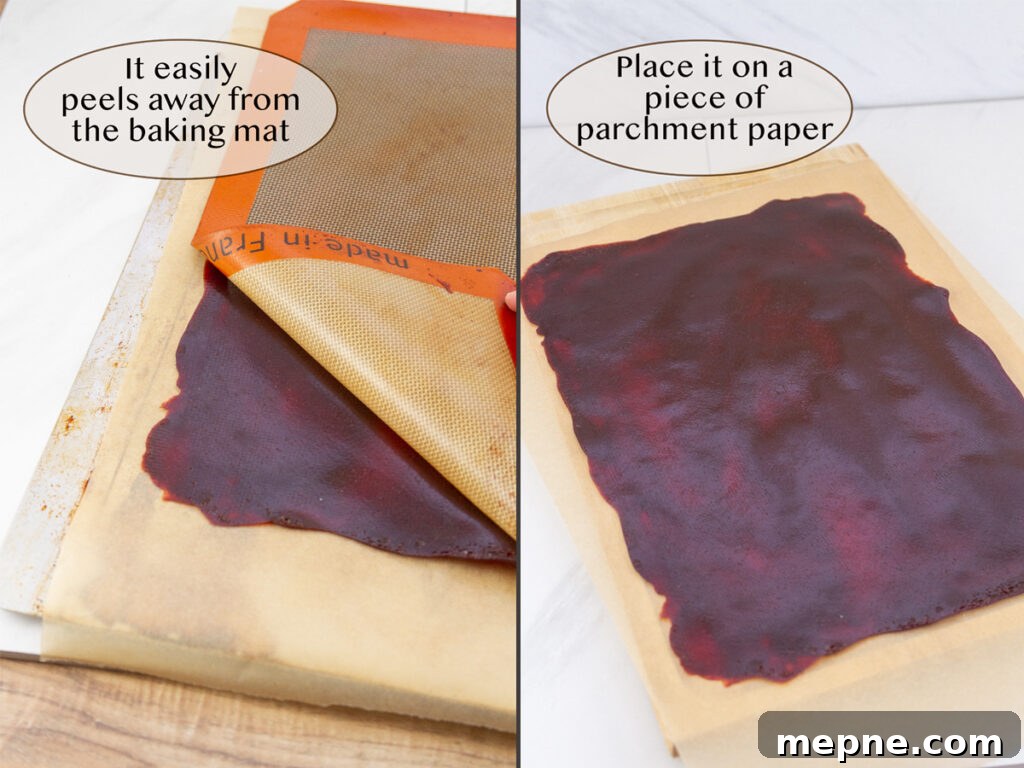
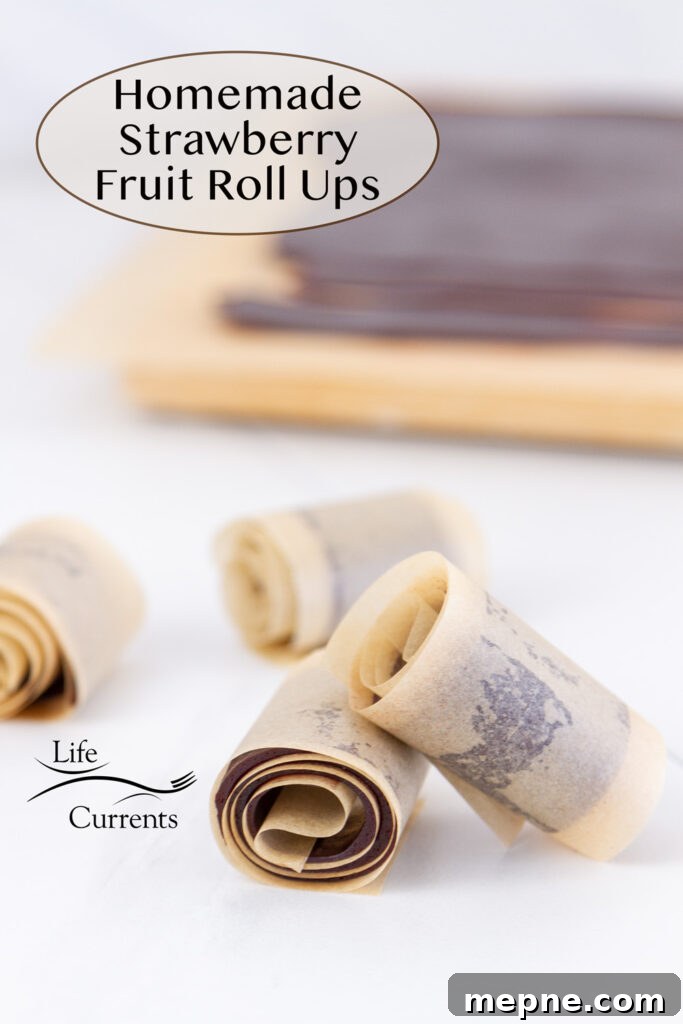
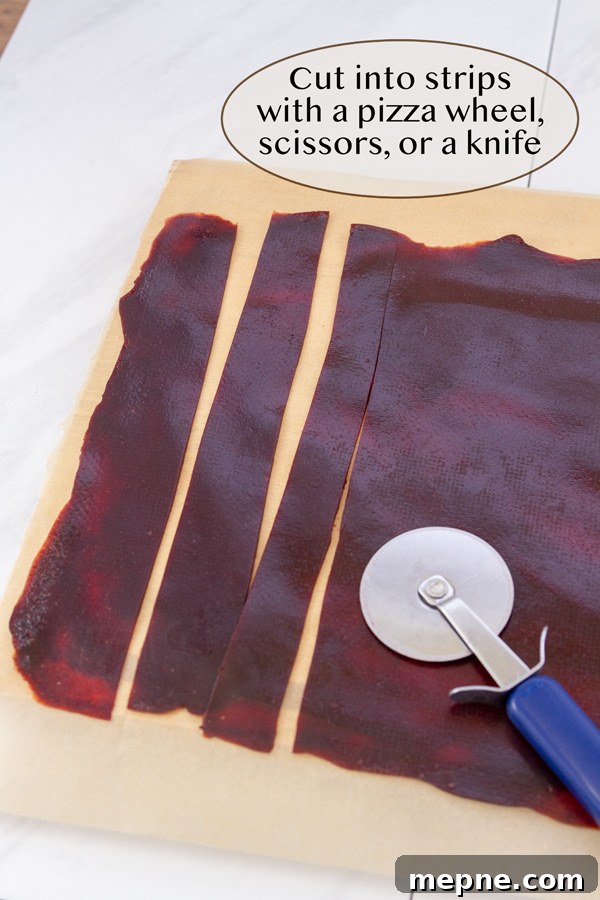
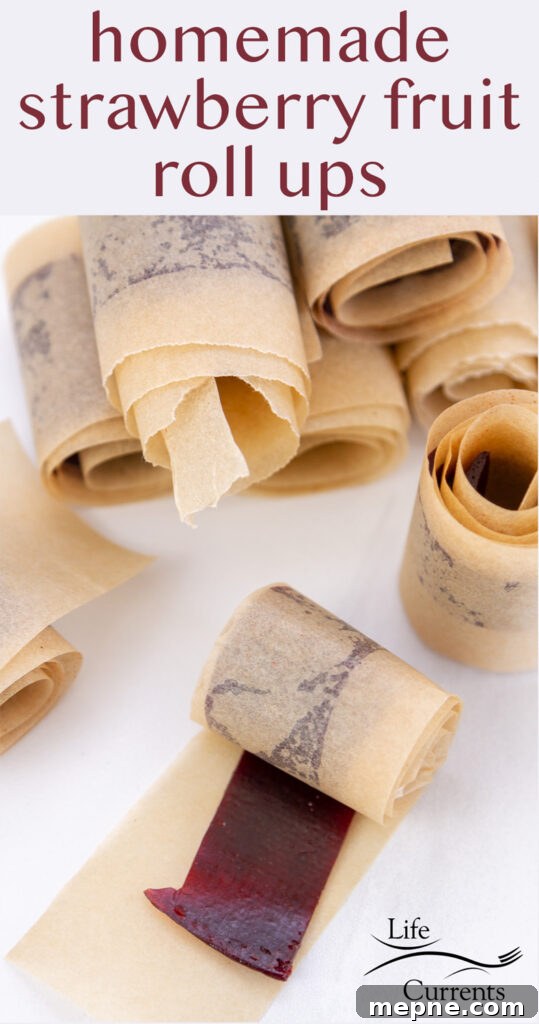
Once cool, cover with parchment, peel the leather off the liner, and cut into strips with a pizza wheel or kitchen scissors. Roll each strip in parchment to keep them tidy for lunchboxes or backpacks.
Pro tips for great fruit roll-ups
- Select ripe or slightly overripe fruit for the best sweetness and flavor.
- Wash fruit well and remove stems, bruised areas, and any tough peels.
- 1½ pounds of strawberries yields about 4½ cups and fills a standard baking sheet after pureeing.
- Cut larger fruit into pieces before pureeing for an even texture.
- Spread the puree as evenly as possible so it dries uniformly.
- The roll-up is done when it no longer sticks to your fingers but remains slightly tacky. Avoid over-drying, which makes it brittle.
- If your fruit leather is too dry and cracks when rolled, briefly cover it with a damp towel to rehydrate slightly, then cut and roll.
- If you own a dehydrator, you can use it instead of an oven.
Storage
Store wrapped pieces in airtight, moisture-proof containers—zip-top bags, glass jars, or sealed containers work well. Adding a paper towel to absorb extra moisture can extend shelf life. Properly stored at room temperature, fruit roll-ups will keep up to about one month.
Strawberry Fruit Roll-Up Recipe
Ingredients
- 1½ lb strawberries, hulled and halved (about 4½ cups)
- 2/3 cup granulated sugar (or to taste; can substitute maple syrup or honey)
Instructions
- Purée the strawberries and sugar in a blender until smooth. For a seedless result, press the purée through a fine-mesh sieve into a large heavy saucepan.
- Bring the purée to a boil over medium-high heat, then reduce to medium-low and simmer, stirring occasionally and more frequently near the end. Cook until the mixture thickens enough to mound slightly, about 45–60 minutes. The volume will reduce to roughly 1 to 1¼ cups and the color will darken.
- Preheat the oven to 200°F (95°C) with the rack in the middle position. Line a large baking sheet with a nonstick liner or silpat, or use parchment on a rimmed sheet.
- Pour the hot purée onto the liner and spread as thinly and evenly as possible into a 15×10-inch rectangle. Dry in the oven until the sheet is no longer sticky to the touch but still slightly tacky, about 2½–3 hours.
- Cool completely on the liner on a rack, at least 3 hours and up to 24 hours. Place parchment over the leather, peel it off the liner, and roll it up in the parchment.
- Cut the roll into 15 one-inch strips with a pizza cutter or kitchen scissors. Store in airtight containers; they will keep about one month at room temperature.
Notes
Makes one large 15 × 10-inch sheet of fruit leather, enough for multiple servings. Nutritional values are estimates and vary with brands and portion sizes.