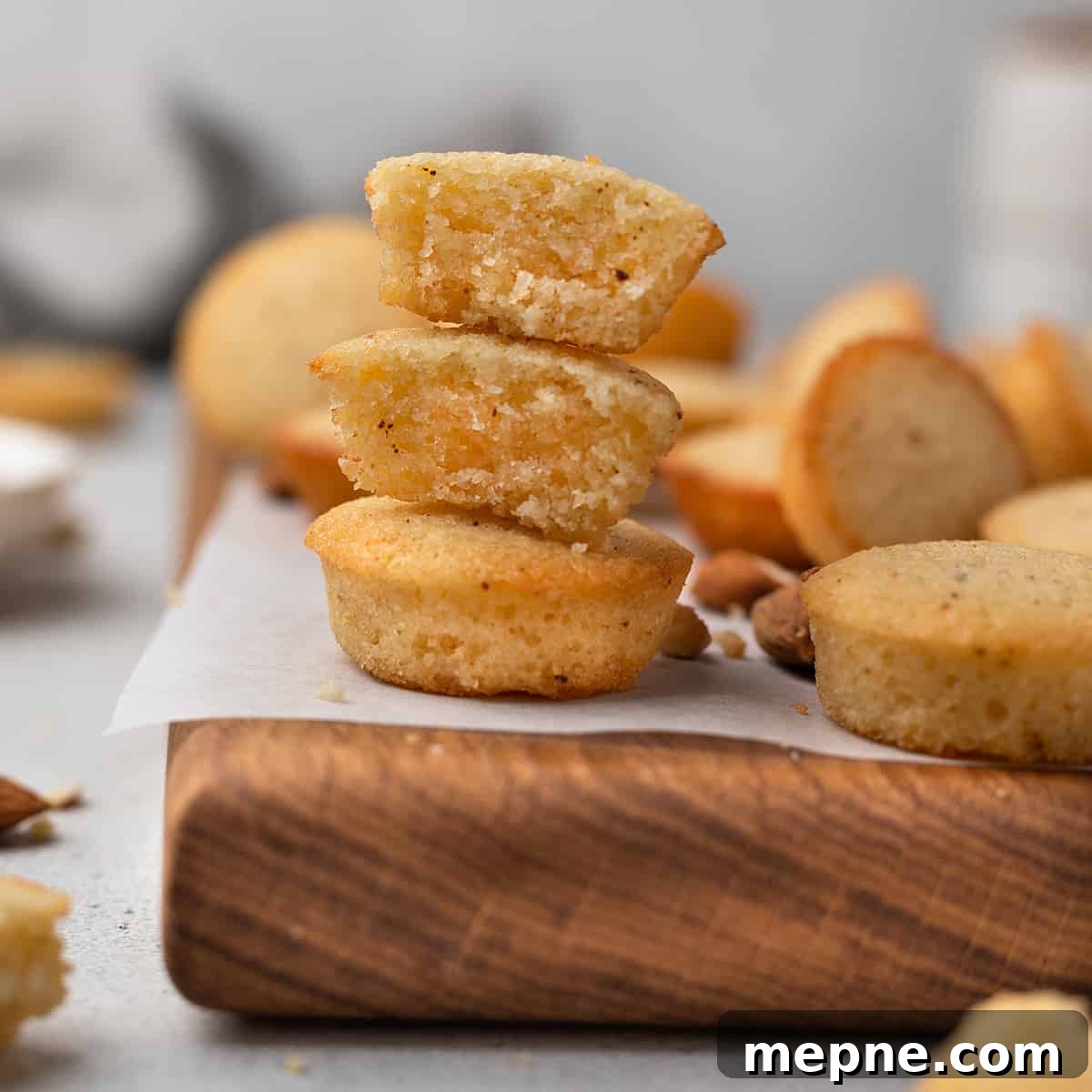
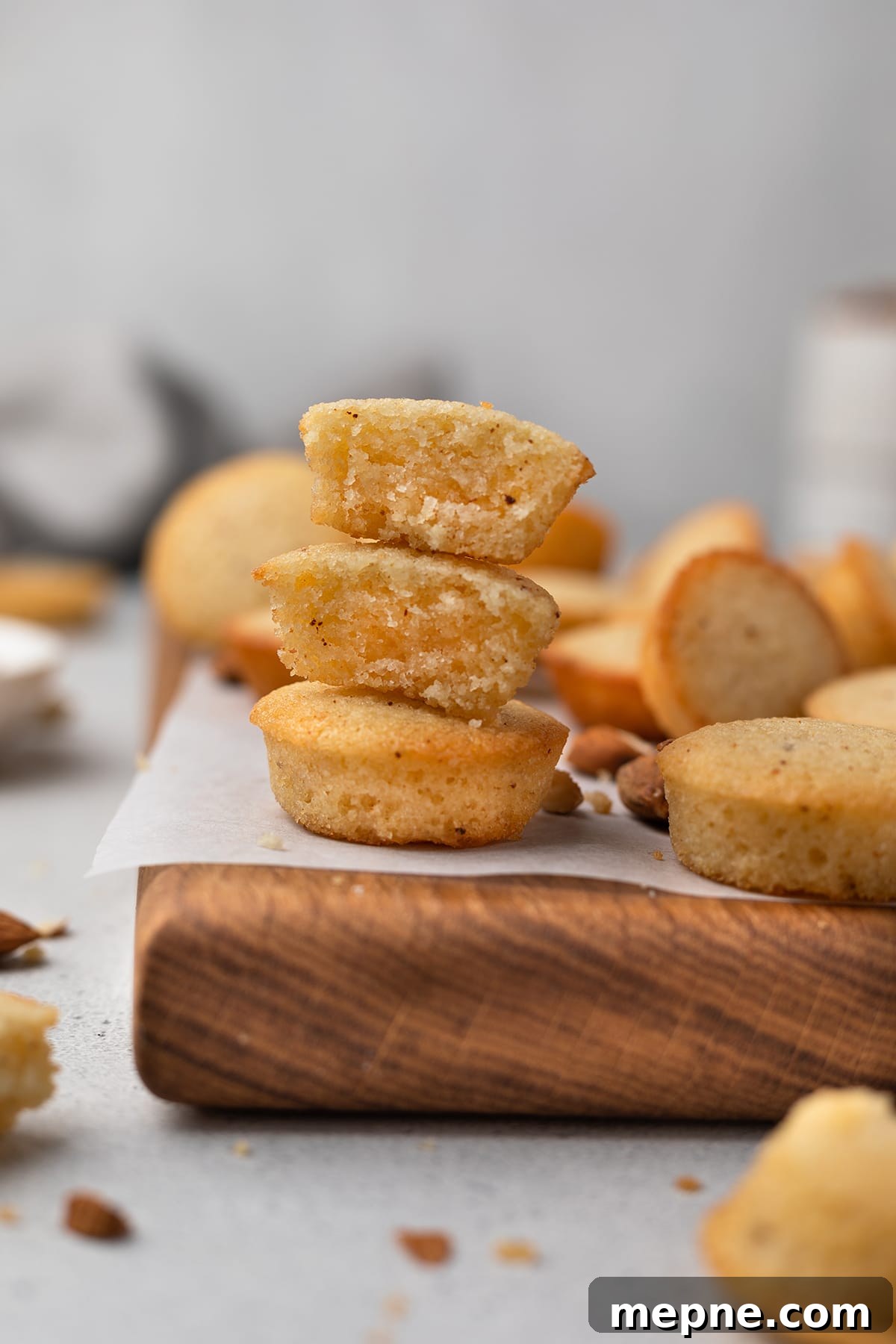
Brown-butter French financiers are quick and easy to make. Their tender, moist crumb and rich nutty flavor make them ideal with afternoon tea, as a coffee companion, or served as elegant finger food when entertaining.
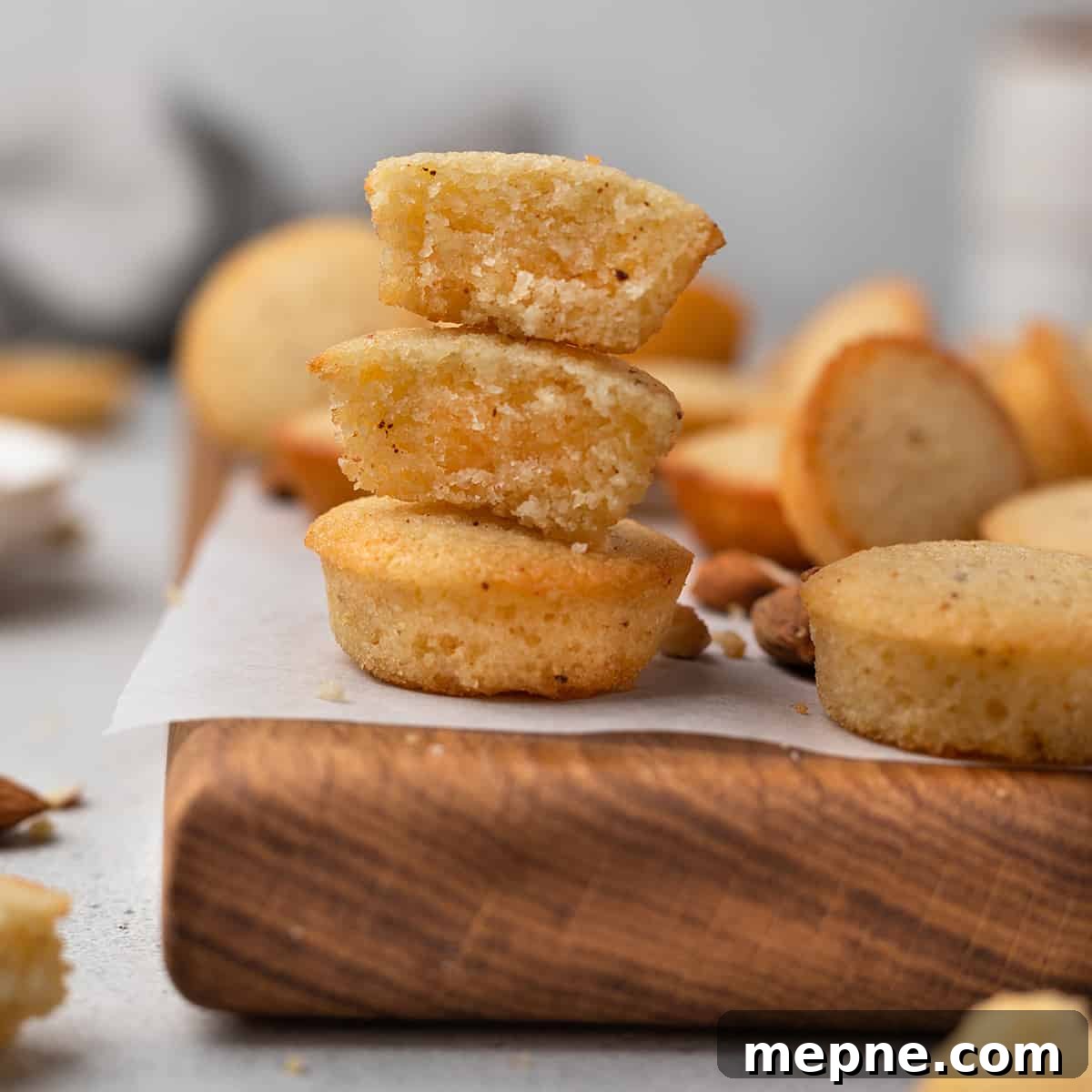
Financiers baked in mini muffin tins are irresistible—small, neat, and perfectly sized for snacking or gifting.
If you bake at home, these little cakes are a great project for selling at farmers’ markets or offering as homemade gifts—they store and transport well and look beautifully refined.
Traditionally financiers are baked in narrow rectangular molds that resemble gold bars, but a mini muffin or madeleine pan works excellently as a substitute and produces charming, bite-sized rounds.
Just compare rectangular pistachio financiers with bite-sized chocolate-and-cherry versions—both are delightful, but the small rounds are especially cute and convenient for parties.
What are financiers?
Financiers are small French cakes made with beurre noisette (brown butter), egg whites, powdered sugar, and almond flour. They have a silky texture and a deeply nutty aroma from the browned butter.
Originating as visitandines, made by the Visitandines religious order, financiers were later named and popularized near the Paris stock exchange in the 19th century. Their traditional mold, shaped like a gold bar, helped cement the association with financiers.
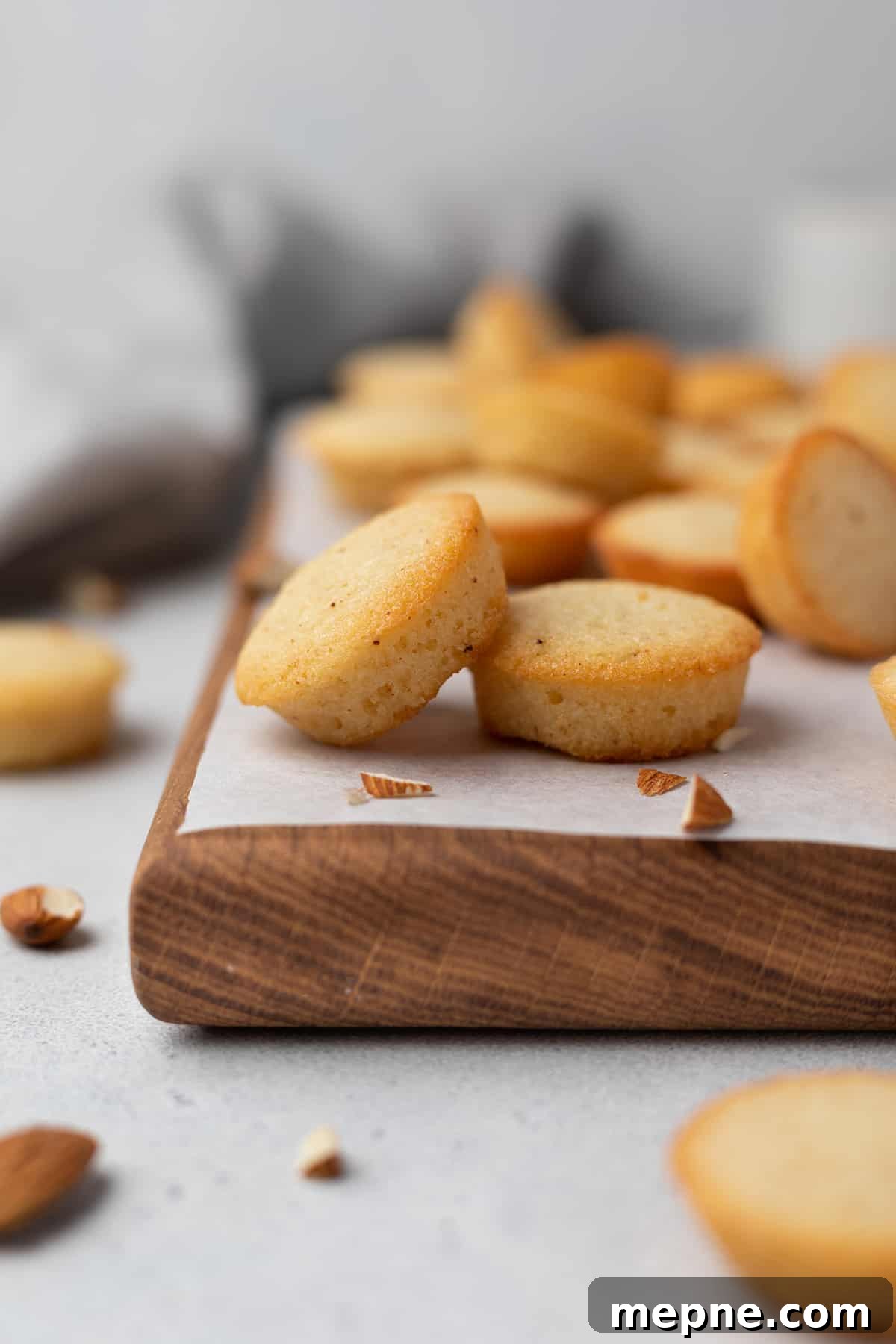
French financier recipe
- Brown-butter financiers are straightforward to prepare—choose a proper financier tin or use a mini muffin pan you already own.
- With simple pantry ingredients, these little cakes taste like something from a French patisserie.
- Financiers are an excellent way to use leftover egg whites.
- They make elegant edible gifts for holidays and celebrations.
- Because they are bite-sized and tidy, they are perfect for buffets and children’s snacks.
Ingredients
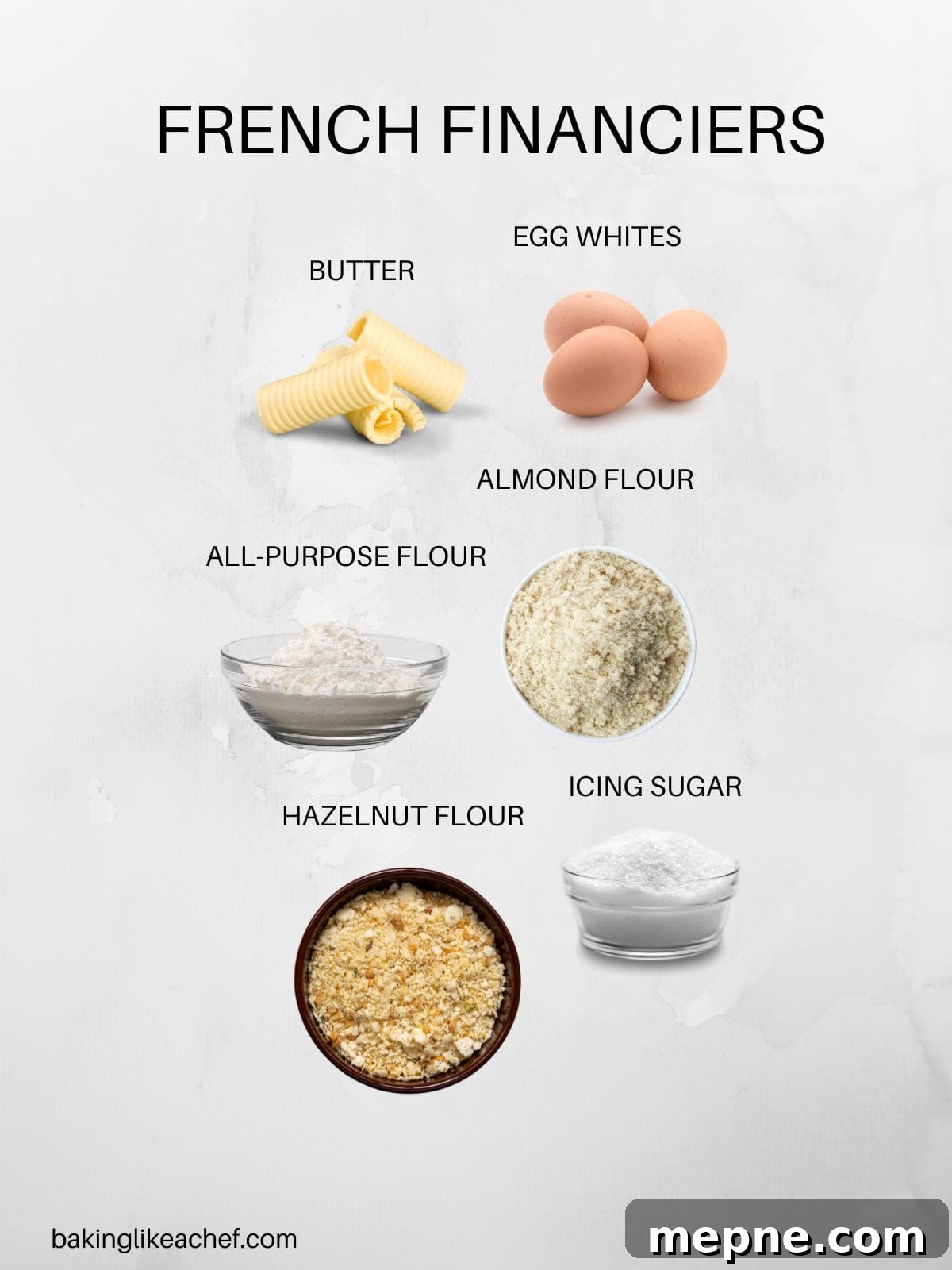
See the recipe card below for precise ingredient quantities and a clear, step-by-step method.
- Powdered (icing) sugar: If you don’t have it, pulse granulated sugar in a spice grinder or blender until fine.
- All-purpose flour: Adds structure when combined with the nut flours.
- Almond flour: Use blanched, finely ground almond flour for a silky texture. If making your own, toast blanched almonds briefly, then process until finely ground—avoid over-processing to prevent almond butter.
- Hazelnut flour: Optional for extra depth. You can substitute almond flour 1:1 if preferred.
- Egg whites: Chilled egg whites separate more cleanly from yolks. Weigh egg whites for accuracy—this recipe uses about 150 g total.
- Unsalted butter: Brown the butter (beurre noisette) and reserve the browned milk solids for their nutty flavor. Use a high-quality butter, preferably European-style with higher fat content, for best results.
Pro tip: Weighing ingredients, especially egg whites and flours, gives the most consistent results. Don’t pack almond flour when measuring—scoop gently or weigh it.
How to make French financiers
Step 1. Prepare your tin: brush cavities with melted butter and dust lightly with flour, then tap out any excess. For silicone molds, greasing is usually unnecessary.
Step 2. For the brown butter, melt the butter in a small saucepan over medium-low heat. Swirl the pan occasionally; the butter will foam, then begin to turn golden and develop brown specks—the toasted milk solids. Remove from heat and transfer the butter to a bowl to cool so it stops cooking.
Step 3. Preheat the oven to 350°F (175°C). Using a whisk or electric mixer, whisk the egg whites briefly—just long enough to break them up and add lightness (about 15–20 seconds).
Step 4. In a separate bowl, sift or whisk together the powdered sugar, all-purpose flour, almond flour, and hazelnut flour (if using). Add the lightly whisked egg whites to the dry ingredients and fold with a whisk until blended.
Step 5. Stir in the cooled browned butter, including the toasted milk solids, until the batter is smooth and shiny.
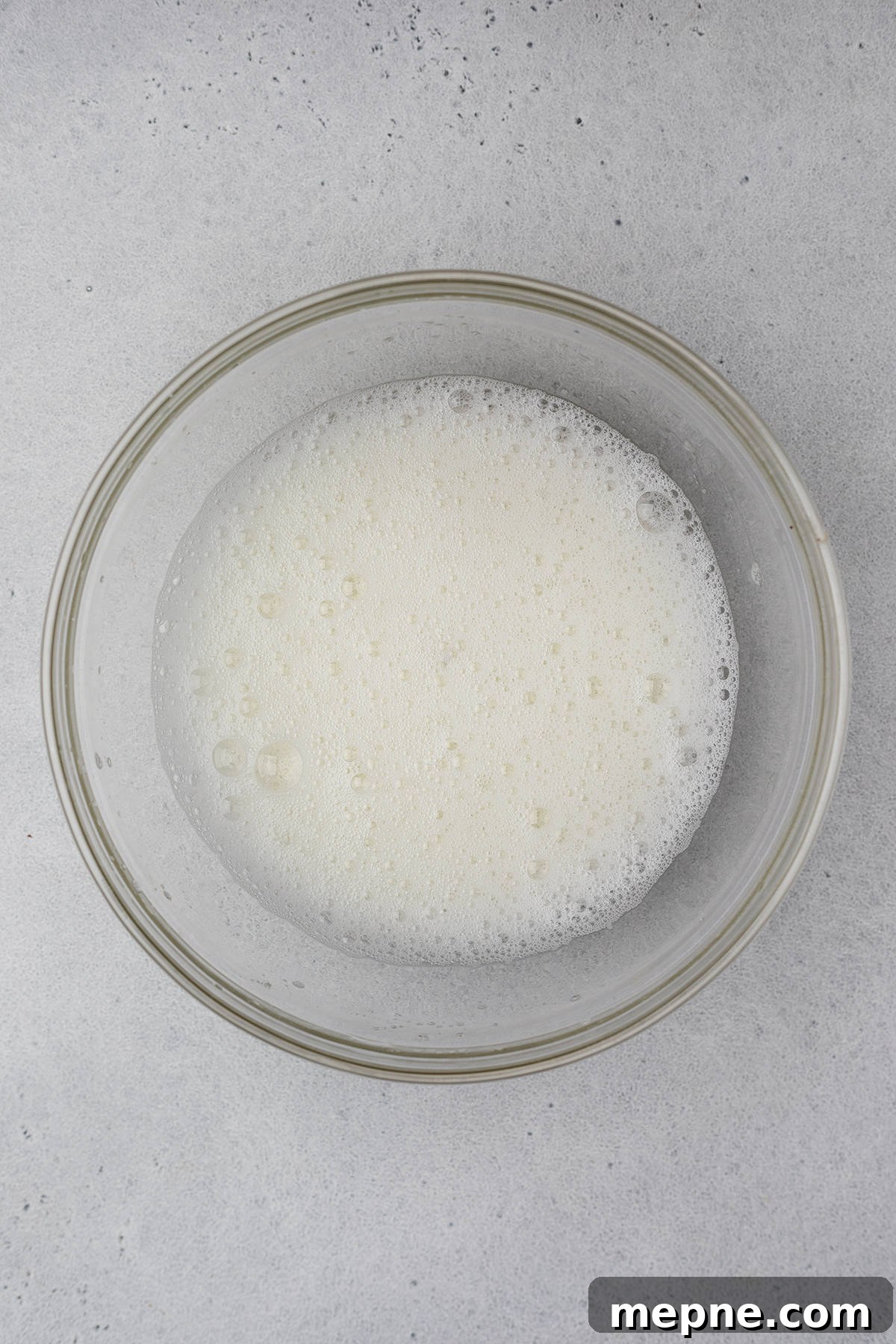
PHOTO 1
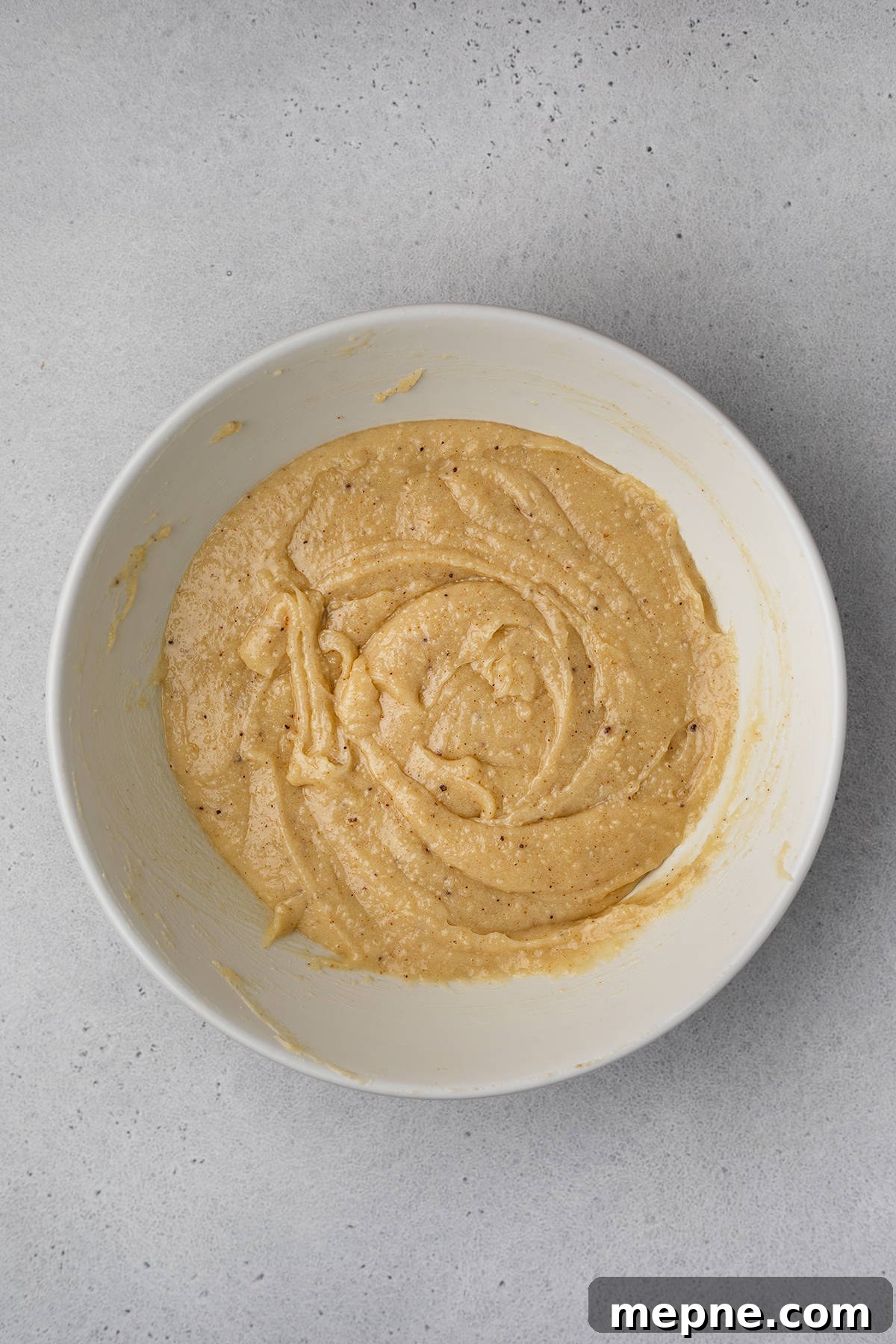
PHOTO 2
Step 6. Fill each prepared cavity about two-thirds full, smoothing the tops. Add a few flaked almonds or a single berry if you like.
Note: Some recipes chill the batter before baking, but authentic financiers do not require this. Chilling is optional and may slightly affect texture.
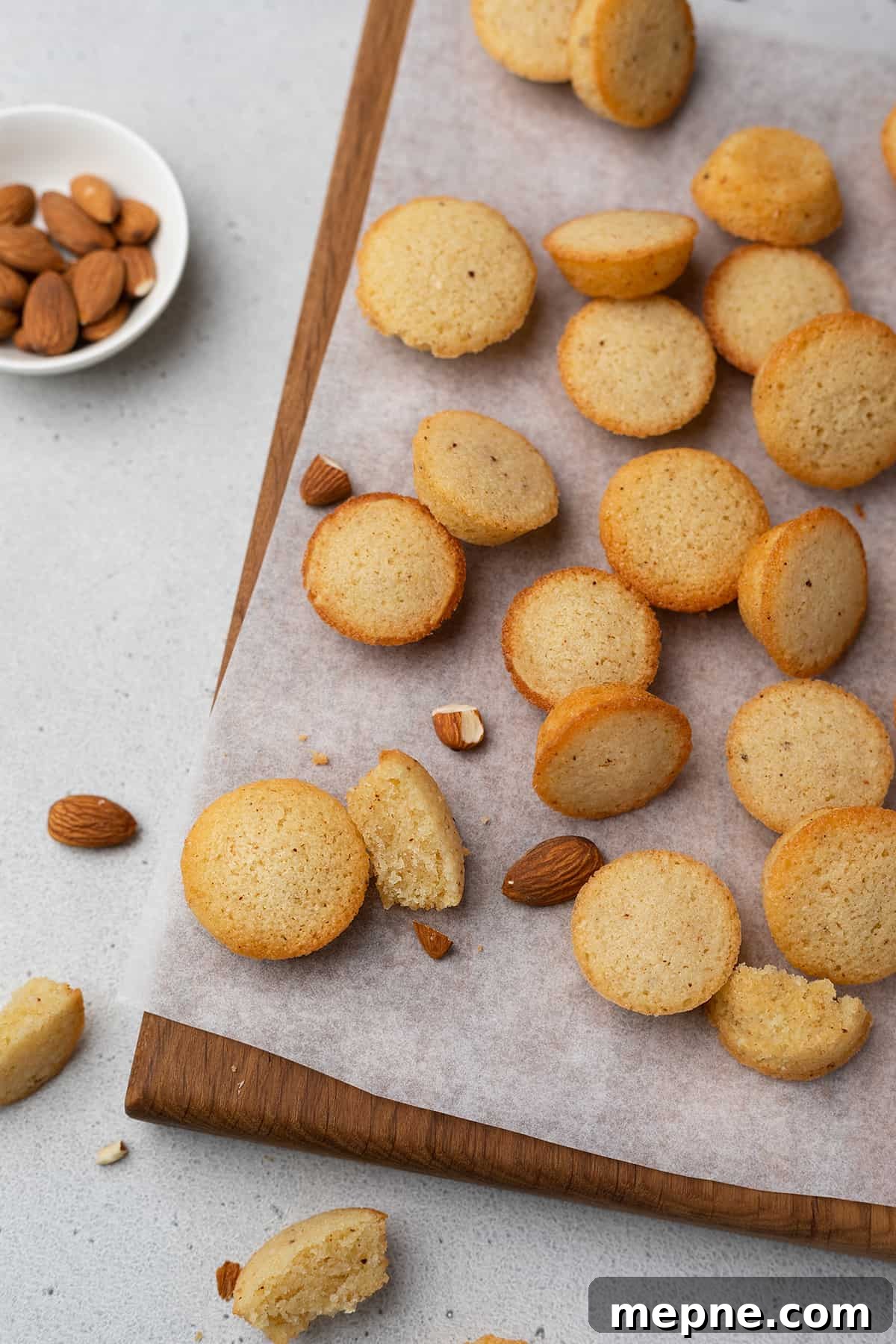
Step 7. Bake for 15–20 minutes, until the edges are golden and a toothpick inserted into the center comes out clean. Allow the cakes to cool for 2–3 minutes in the pan, then gently release them to a cooling rack. Serve warm or at room temperature.
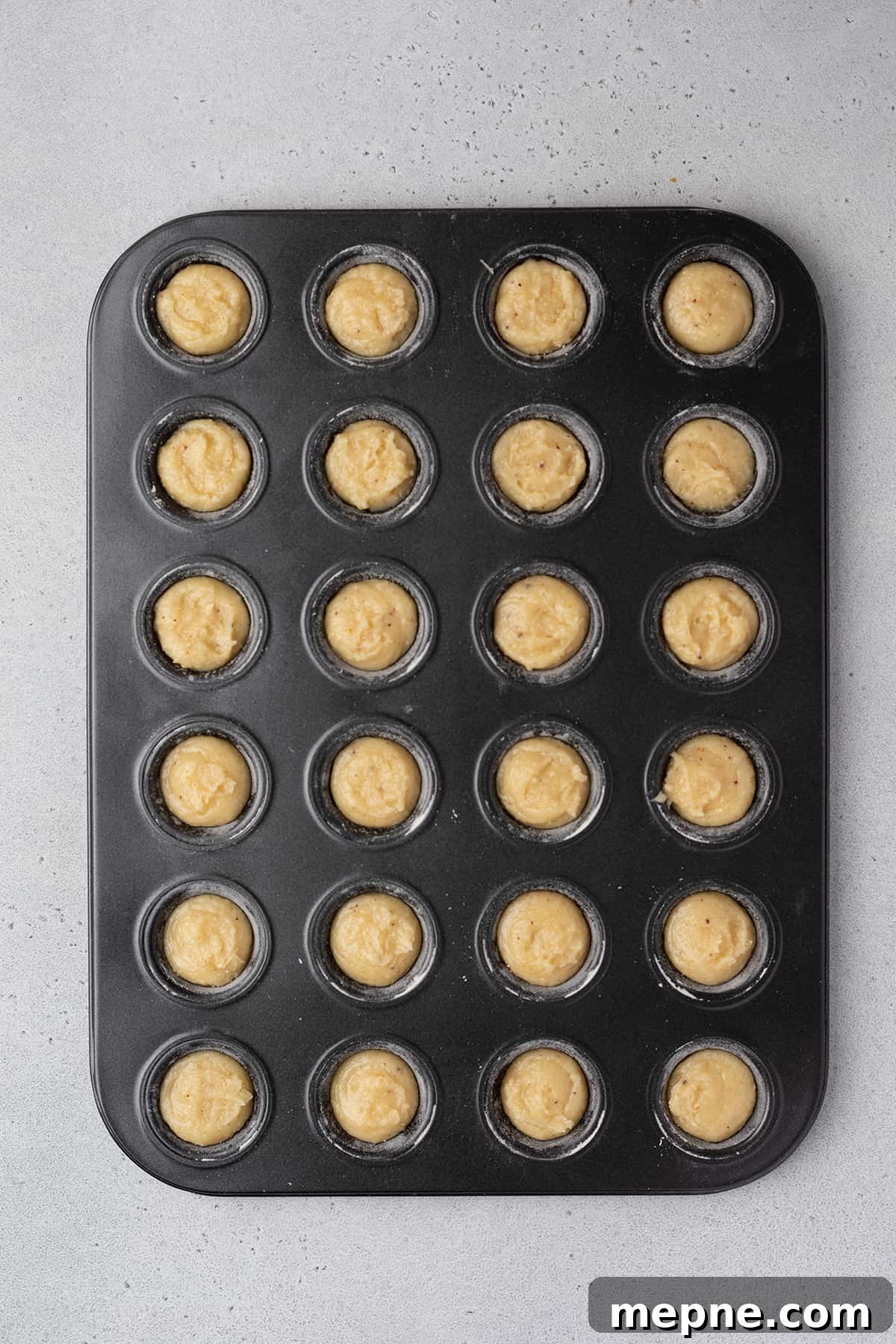
PHOTO 3
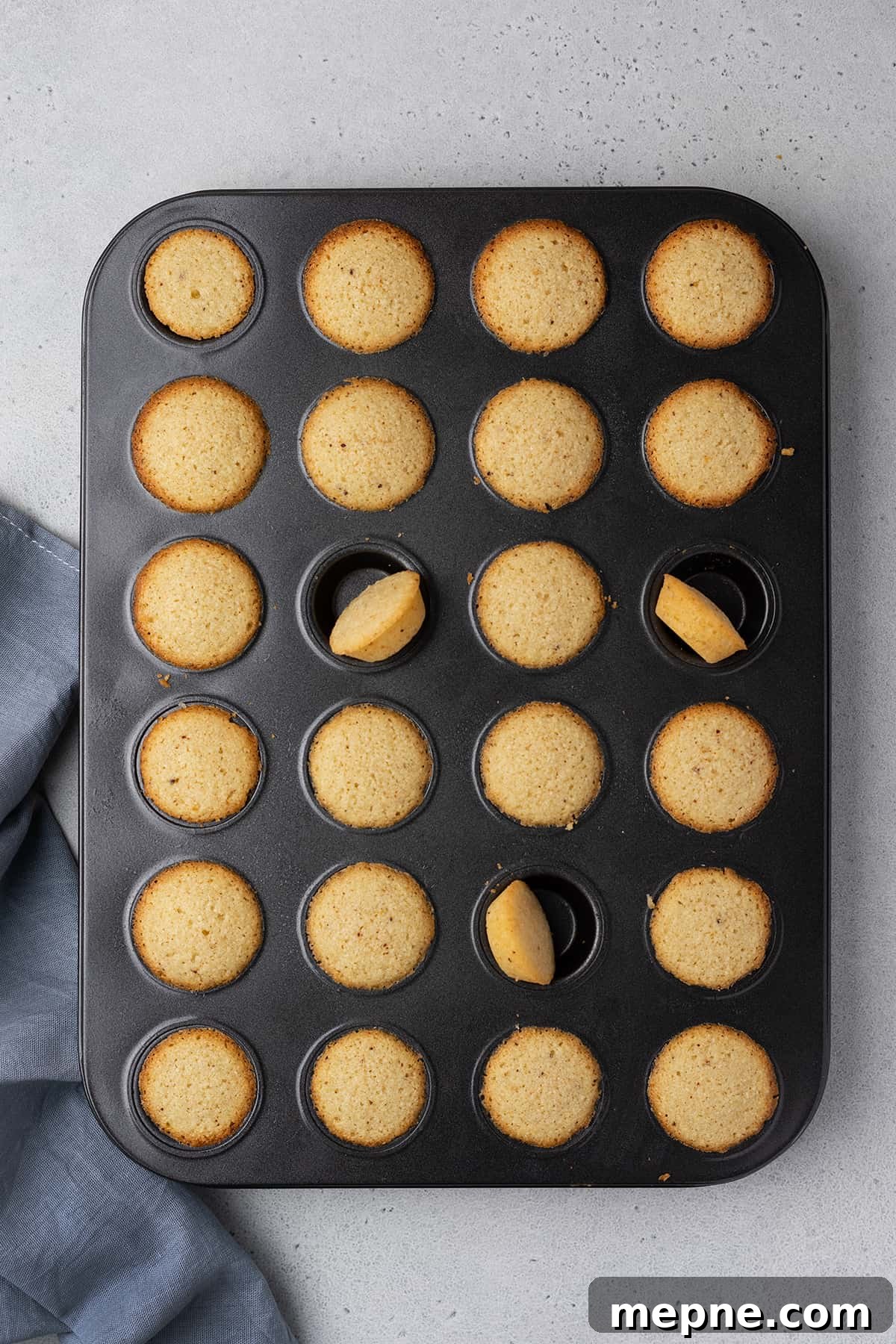
PHOTO 4
Expert Tips
- Brown the butter until you see fragrant, darkened milk solids and keep them in the butter—this is where much of the flavor comes from.
- A piping bag makes filling the molds neat and efficient, especially when using mini tins.
- Watch the oven closely—financiers can go from golden to overbaked quickly.
- Use a small blunt knife to loosen the edges if the cakes stick slightly before unmolding.
- Make-ahead option: cover the batter with plastic wrap (pressing it directly onto the surface) and refrigerate for up to a couple of days; bake from cold when ready.
Recipe variations
Financiers are versatile. Use different nut flours or add a single topping to each cake—one raspberry, a halved cherry, a few flaked almonds, or a slice of dried apricot all work well. You can also fold in a little citrus or almond extract, orange blossom water, or a touch of vanilla for subtle variation.
- Raspberry financiers topped with fresh raspberries.
- Chocolate-and-cherry financiers with a cherry or a few chocolate chips on top.
- Pistachio financiers made with pistachio flour for a vibrant flavor.
- Classic almond or hazelnut financiers that let the nut flavor shine.
Storing and freezing
Store financiers in an airtight container at room temperature for 2–3 days; some bakers report they remain good up to a week when well sealed. To freeze, place cooled financiers in a freezer-safe container or bag for up to two months. Thaw at room temperature before serving.
Recipe FAQ
They were popular in Paris’s financial district and were traditionally baked in a mold shaped like a gold bar, which led to the name “financier.”
Financiers use egg whites and nut flours and do not require a rising agent, while madeleines typically use whole eggs and baking powder and often benefit from chilling to develop their characteristic top.
Traditional financiers include all-purpose flour, so they are not gluten-free unless you replace the flour with a gluten-free alternative.
Love French tea cakes? Try these next!
If you enjoy financiers, explore other French small cakes and madeleines for more delicate, tea-time-worthy recipes.
- Lemon poppy seed madeleines
- Raspberry madeleines
- Gingerbread spiced madeleines
- Blackberry friands
- Kouglof (Alsatian brioche)
Want more recipes and baking tips? Subscribe to a newsletter or follow favorite baking blogs and social accounts for updates and seasonal ideas. If you try this recipe, leave feedback and share a photo—home-baked financiers are always worth celebrating.
Recipe card
Authentic French Financiers

Brown-butter French financiers are easy and quick. With a moist crumb and nutty depth, they pair beautifully with coffee or tea.
- Author: Irina Totterman
- Total Time: 45 minutes
- Yield: 24 financiers
- Category: Cakes
- Method: Baking
- Cuisine: French
Ingredients
- 1 2/3 cups + 2 tbsp (225 g) powdered sugar
- ½ cup + 1½ tbsp (75 g) all-purpose flour
- ⅔ cup + 13 tsp (90 g) almond flour
- 4 tbsp (30 g) hazelnut flour (optional)
- ½ cup + 2 tbsp (150 g) egg whites
- 7.4 oz (210 g) unsalted butter (for browning)
Instructions
- Preheat the oven to 350°F (175°C). Brush a mini muffin pan with melted butter and dust lightly with flour; chill the tin briefly.
- To make brown butter, melt butter over medium-low heat, swirling occasionally until it foams and then browns with golden specks. Remove from heat and cool.
- Whisk egg whites briefly until slightly foamy. In a bowl, combine powdered sugar, all-purpose flour, almond flour, and hazelnut flour. Add the egg whites and whisk until smooth, then fold in the cooled brown butter.
- Fill molds two-thirds full and bake 15–20 minutes until golden. Cool for a few minutes before removing. Serve warm or at room temperature.
Notes
- 150 g egg whites ≈ 4½ large egg whites.
- Keep the browned milk solids in the butter for maximum flavor.
- Use a piping bag for neat filling and a blunt knife to release edges if needed.
- Make-ahead: cover batter tightly and refrigerate for a day or two; bake when ready.
Nutrition
- Serving Size: 1 financier
- Calories: 143
- Sugar: 9.4 g
- Sodium: 57 mg
- Fat: 9.8 g
- Saturated Fat: 4.7 g
- Carbohydrates: 12.8 g
- Fiber: 0.6 g
- Protein: 2.1 g
- Cholesterol: 19 mg
Nutritional information is provided as a general guideline and may vary depending on exact ingredients and portion sizes.
This recipe was adapted from an original French source and has been revised for clarity and photography.
Note: An earlier version of this recipe recommended 375°F (190°C) for 15–17 minutes; the current instructions use 350°F (175°C) for a gentle, even bake.