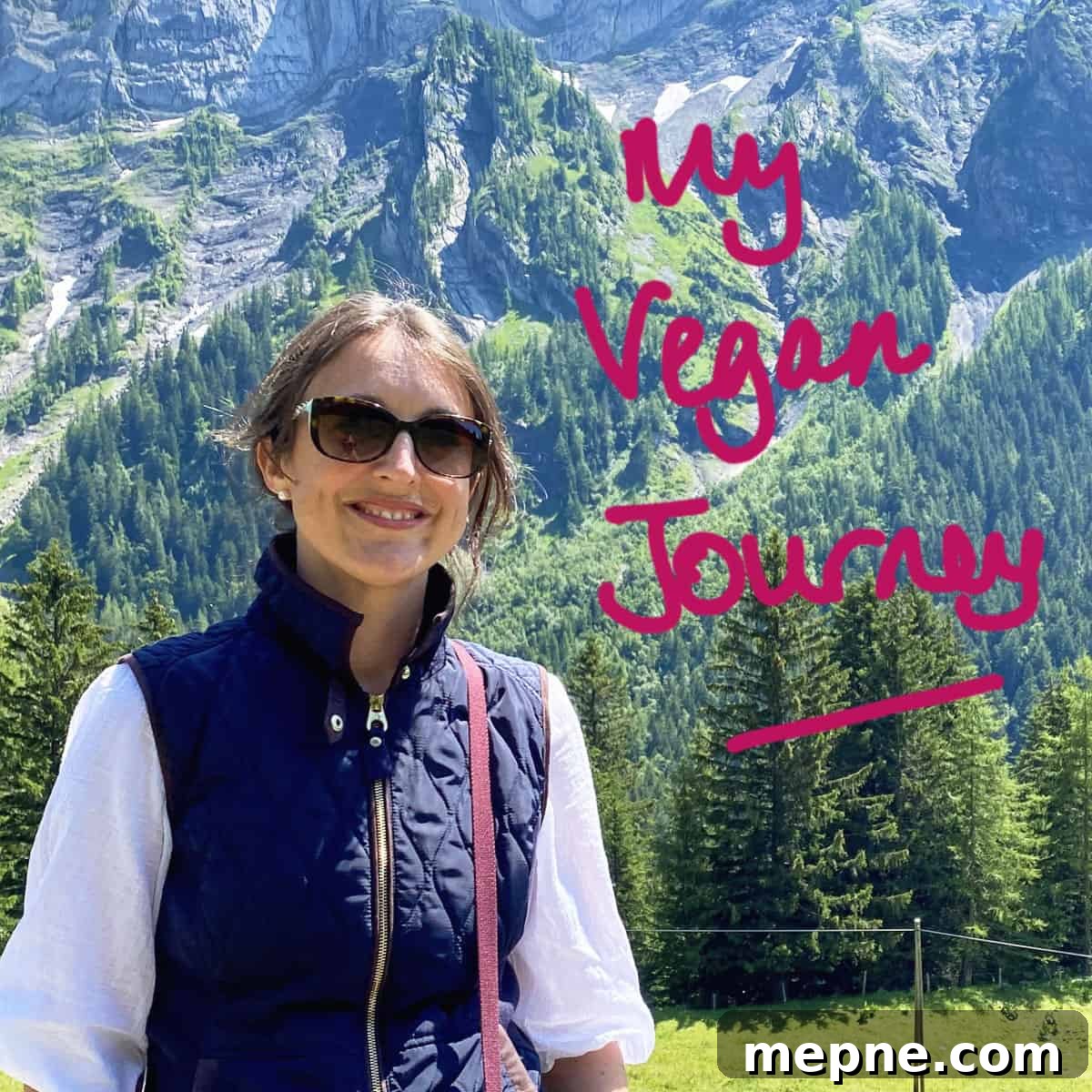
I’ll be honest: I never imagined that I would become vegan. As a trained chef and lifelong food lover, I used to think veganism was something other people did, not something that would ever fit into my own life. I enjoyed cooking with all kinds of ingredients, and I wrongly assumed that vegans and vegetarians were missing out on the best food. I also had a very unfair idea that vegans were angry, judgmental, and difficult to talk to.
So how did I go from feeling that way to choosing a vegan lifestyle? This is the story of my vegan journey, how my views changed, and how I learned that even the most unlikely person can make a meaningful shift.
Some people seem naturally drawn to veganism from a young age. They feel a deep compassion for animals early on and decide not to eat meat almost instinctively. Others, like me, grow up accepting the normal habits around them. We are taught, directly or indirectly, that producing and eating animal products is simply part of everyday life. We do not always stop to question where our food comes from, how it is produced, or what impact it has.
I wanted to share how I became vegan because my story proves that change is possible, even when it feels unlikely. You do not have to come from a vegan family, have vegan friends, or make the transition perfectly. Even if the people around you do not immediately understand your decision, it is still possible to find your way through and build a lifestyle that works for you.
Environment
For as long as I can remember, I have cared about doing the right thing for the environment. For many years, I thought that meant recycling, avoiding plastic bags, driving less, turning the thermostat down, switching off lights, and trying not to waste food. These actions are all useful, and I still believe they matter. However, over time, I began to realise that they were only part of the picture.
The more I learned, the more I understood that reducing or cutting out animal products could have a much bigger environmental impact than many of the smaller changes I had been focusing on. That was a difficult realisation for me, because food had always been such a central part of my life.
Some of the facts I came across while watching the documentary Cowspiracy really shocked me:
“Animal agriculture is responsible for 18 percent of greenhouse gas emissions, more than the combined exhaust from all transportation.” Transportation is listed as 13%.
“2,500 gallons of water are needed to produce 1 pound of beef. 1,000 gallons of water are required to produce 1 gallon of milk. 477 gallons of water are required to produce 1 pound of eggs.”
“A farm with 2,500 dairy cows produces the same amount of waste as a city of 411,000 people.”
“As many as 40% of fish caught globally every year are discarded.”
“82% of starving children live in countries where food is fed to animals, and the animals are eaten by western countries.”
“1.5 acres can produce 37,000 pounds of plant-based food or 375 pounds of beef.”
“Land required to feed 1 person for 1 year: Vegan: ⅙ acre, Vegetarian: 3 times as much as a vegan, Meat eater: 18 times as much as a vegan.”
Facts referenced from the Cowspiracy facts page, where citations are available.
Once I began looking more closely at the connection between animal agriculture and the environment, I found it hard to ignore. I watched more documentaries and read more about the impact of meat, dairy, and egg production. Eventually, I felt that I could not keep carrying on as before. I decided that I needed to cut out animal products and try a vegan lifestyle.
Health
My biggest concern about going vegan was my health. I understood the environmental reasons, but I worried about whether a vegan diet would give me everything I needed. Like many people, I had questions about protein, nutrients, energy levels, and whether cutting out animal products would leave me lacking something important.
To reassure myself, I started watching documentaries and learning more about plant-based eating. I watched What The Health?, Forks Over Knives, and The Game Changers. These films helped me see that a well-planned plant-based diet could be healthy and satisfying. Instead of feeling deprived, I started to feel excited about discovering new foods and new ways of cooking.
Once I realised that going vegan could be better for the planet and potentially beneficial for my health, the decision felt much clearer. I decided to take part in Veganuary because I wanted some structure, guidance, and support while I made the change.
Veganuary
I had been thinking about veganism for quite a while before I finally told my family. By the time I announced my decision, I felt committed, but to them it came as a complete shock. Looking back, I probably should have talked to them while I was still processing everything, rather than presenting it as a sudden decision.
Unsurprisingly, it did not go down smoothly at first. A lot of our family routines were built around food: Sunday roasts, barbecues, restaurant meals, and shared dinners at home. As the person who cooked most of the food for the family, my decision affected everyone, not just me. Their concerns were understandable.
My husband and children did not choose to become vegan with me, and they did not want changes forced on them. I had to remind myself that I had also lived in blissful ignorance for years. I could not expect them to instantly feel the way I now felt simply because I had learned something new.
At first, I said I would continue cooking meat dishes for them and make separate vegan meals for myself. However, within a few weeks, my mindset had shifted so much that I found it difficult to handle raw meat. Eventually, we agreed that if they wanted meat or fish, my husband would cook it.
It was a big adjustment for our family, and the first few months were stressful at times. However, there was an unexpected positive side: my husband learned to cook more, and we ended up spending more time together in the kitchen. Over time, it also became normal for the family to eat a lot more vegan food during the week.
Animal Welfare
Because I did not have vegan friends to talk to, I looked for support online. I joined vegan Facebook groups where people shared their struggles, advice, questions, and encouragement. This helped me feel less alone during the transition. It also opened my eyes to the wider issue of animal welfare.
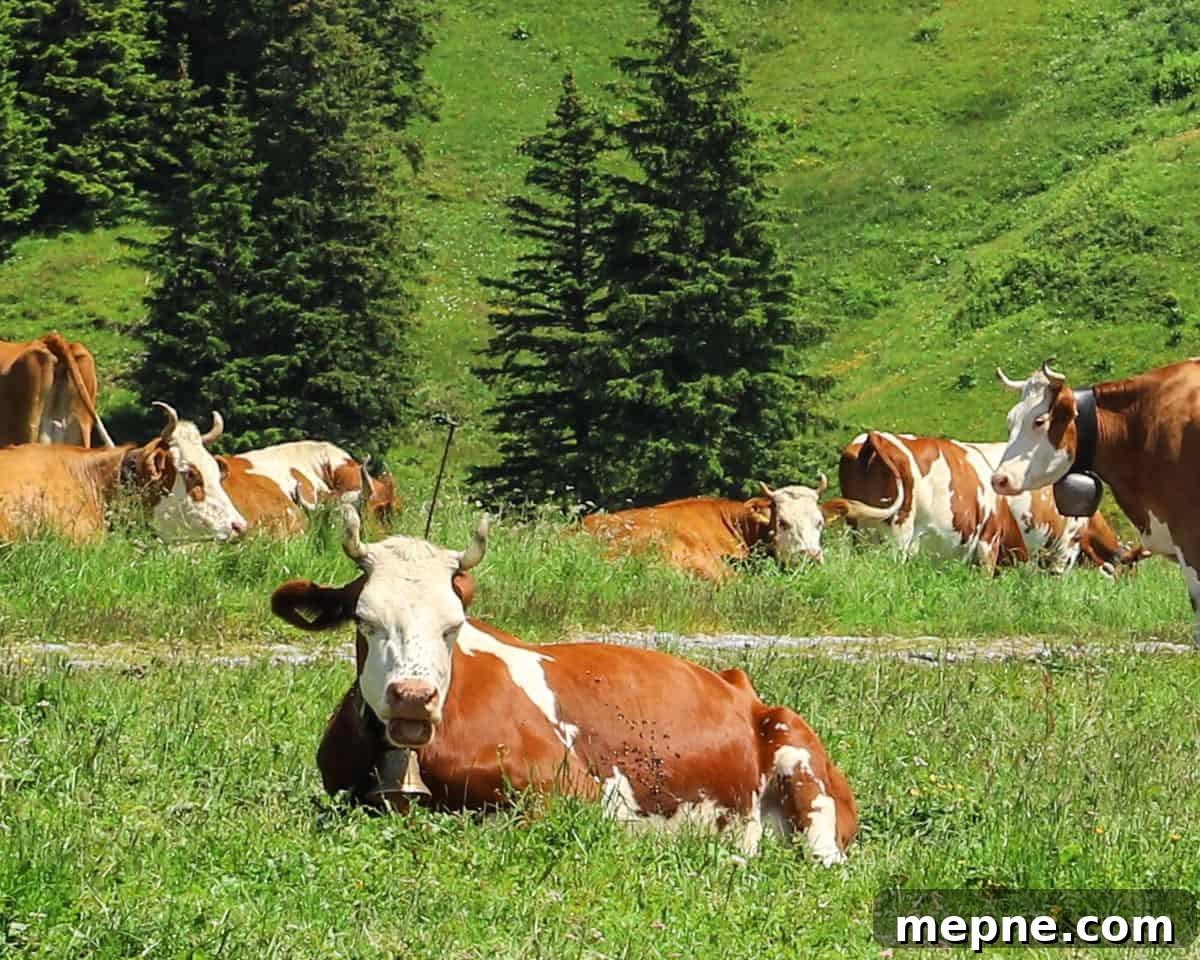
At the beginning, animal welfare had not been my main reason for going vegan. I would not have described myself as a particularly emotional animal lover, and I had not thought deeply about the lives of farmed animals. But after hearing other vegans talk about what they had seen and learned, I decided to watch the documentaries they mentioned.
I watched Cowspiracy, Seaspiracy, Land of Hope and Glory, Earthlings, and Dominion. Some of them were extremely difficult to watch. For me, it felt like opening Pandora’s box. I saw animals in frightening and upsetting conditions, and I realised how little I had allowed myself to think about their experience.
That was the moment when something truly changed inside me. Environmental concerns had pushed me toward veganism, but animal welfare made me feel that I could not turn back. Once I had seen what happens behind the scenes, I could no longer pretend I did not know.
That does not mean it is always easy. Sometimes I look around and see other people ordering whatever they like in restaurants or cooking familiar meals at home, and I understand why ignorance can feel more comfortable. But once you have seen certain things, you cannot unsee them. For me, that awareness is what keeps bringing me back to veganism whenever my motivation wavers.
Thankfully, veganism is becoming more common and more accepted every year. Vegan options are easier to find, and plant-based food is no longer seen as unusual in the way it once was. I have huge respect for people who became vegan decades ago, when it must have been much harder. Today, the path is becoming easier for people who want to reduce animal products or move fully toward a vegan lifestyle.
Managing Food At Home Nowadays
Although my family is not vegan with me, they eat mostly vegan food at home because I am still the main cook. Sometimes I make a vegan meal and add cheese to their portions if that makes it more appealing to them. My husband also cooks meat occasionally, such as a Sunday roast or turkey at Christmas, while I prepare the rest of the meal so that the sides and extras are vegan.

I am comfortable with this compromise because it means they are eating far fewer animal products than they did before. Their attitudes toward vegan food have also shifted gradually. In fact, when we go back to the UK for the summer and stay with family, my husband sometimes starts craving the vegan meals I usually cook at home.
Change Elsewhere In The Home
Being vegan is not only about food. It is a broader way of thinking about animals, the environment, and the products we use. Fortunately, I did not need to change many household products because I was already using mostly natural products, and many of them happened to be vegan.
The most difficult area for me has been my wardrobe. I owned cashmere jumpers, silk tops and dresses, pearl earrings, leather shoes, and leather handbags that I loved and still used. It did not feel right to throw away perfectly usable items and buy new vegan replacements simply because my beliefs had changed.
Part of my reason for going vegan was environmental, and replacing everything immediately felt wasteful and overly commercial. Some vegan alternative materials are also plastic-based, which made the decision more complicated. So, several years later, I still wear some of my older non-vegan items, but I do not buy new ones. Over time, as they wear out, I replace them with vegan alternatives where possible.
The Pursuit of Perfection…
Am I a perfect vegan? No.
Am I trying my best? Yes.
Since becoming vegan, my attitude toward vegans has completely changed. However, I also know there are some people who take a very strict, judgmental approach and make others feel as though they are failing if they are not perfect all the time.
At first, I was nervous about calling myself vegan in case I made a mistake or was criticised. Now, I do not believe that perfection is the most helpful goal. I think the wider good is better served by many imperfect vegans doing their best and helping to shift social norms, rather than a small number of perfect vegans making others feel unwelcome.
Three Years On…
Several years into my vegan journey, I still strongly believe in the choice I made. At the same time, veganism takes up less mental space than it did at the beginning. I no longer have to think so hard about what to buy, what to cook, or how to plan meals. In some areas, such as eating at home, it feels completely natural. In others, such as clothing and travel, it can still be challenging.
- Changing my diet at home has been the easiest part. I have loved discovering new ingredients, developing plant-based recipes, and creating food that is so delicious I do not feel I am missing out. I also enjoy cooking for non-vegans and showing them how satisfying vegan food can be.
- Holidays and eating out are still more difficult. Some restaurants offer excellent vegan options, while others are not yet very accommodating. It can be even harder when you are also gluten-free. Sometimes, when I am away, I relax my rules a little. I do not punish myself for that because I know I am doing the best I can.
Conclusion
The main reason I wanted to share this vegan journey is to show that everyone’s path is different. You do not have to become vegan in the same way as anyone else, and you do not need your entire household to make the change at the same time. It is certainly easier when everyone is on board, but if they are not, it can still work.
- It is okay if you still provide some non-vegan food for family members. You may still be positively influencing them and helping to reduce their overall intake of animal products.
- Do not worry if you are not a perfect vegan. Keep the bigger picture in mind. Every small change helps move things in a better direction.
If you are thinking about going vegan, remember that you do not need to have everything figured out from day one. Start where you are, learn as you go, and give yourself permission to grow into it. A vegan lifestyle can be challenging at times, but it can also be rewarding, empowering, and full of delicious food.