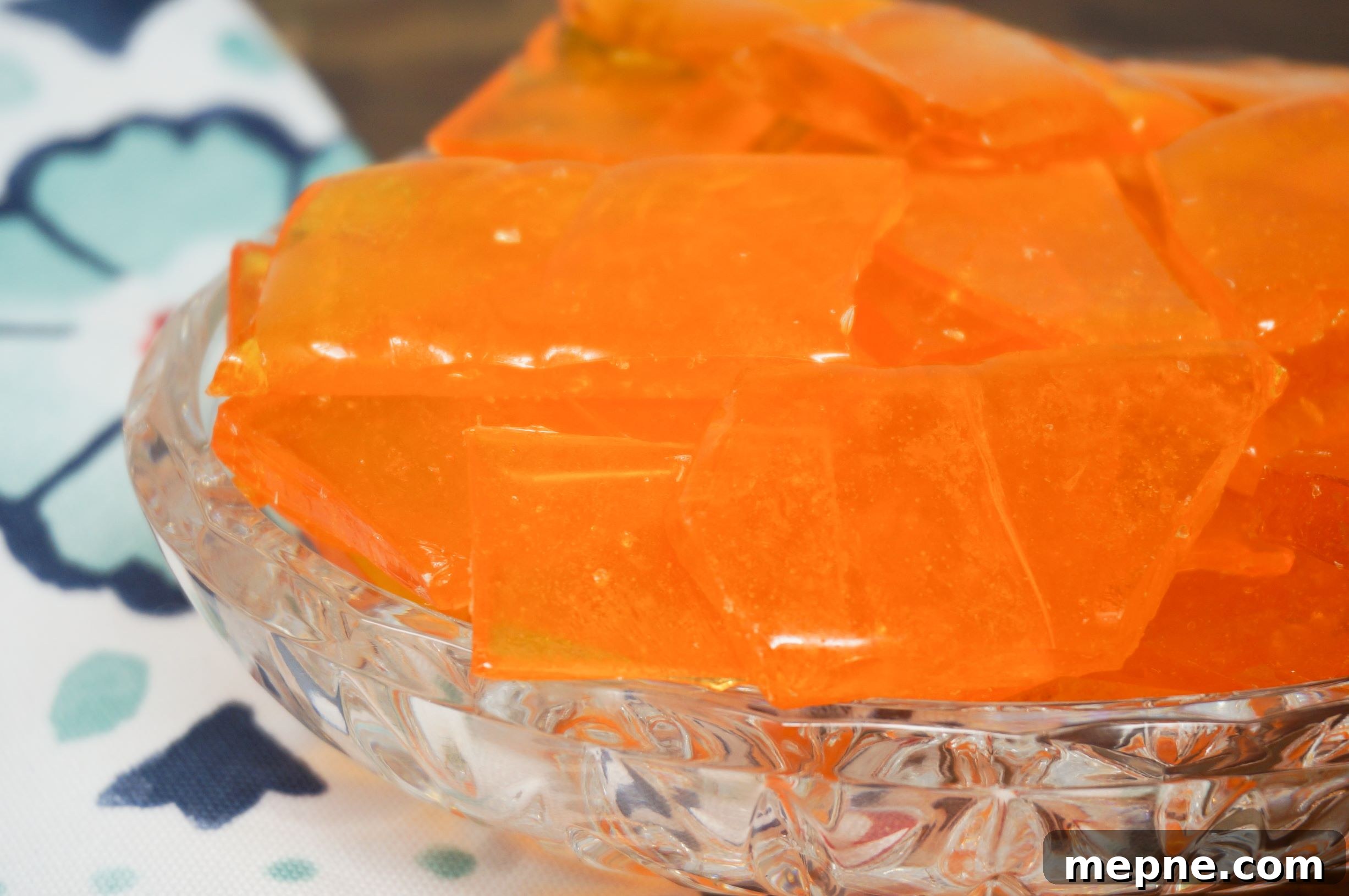
Old-Fashioned Butterscotch Hard Candy has the same rich, buttery flavor as the golden candies many of us remember from a grandmother’s candy dish. This homemade butterscotch hard candy recipe walks you through the full process, including the ingredients, temperature tips, troubleshooting advice, and simple keys to success so you can make crisp, flavorful candy at home.
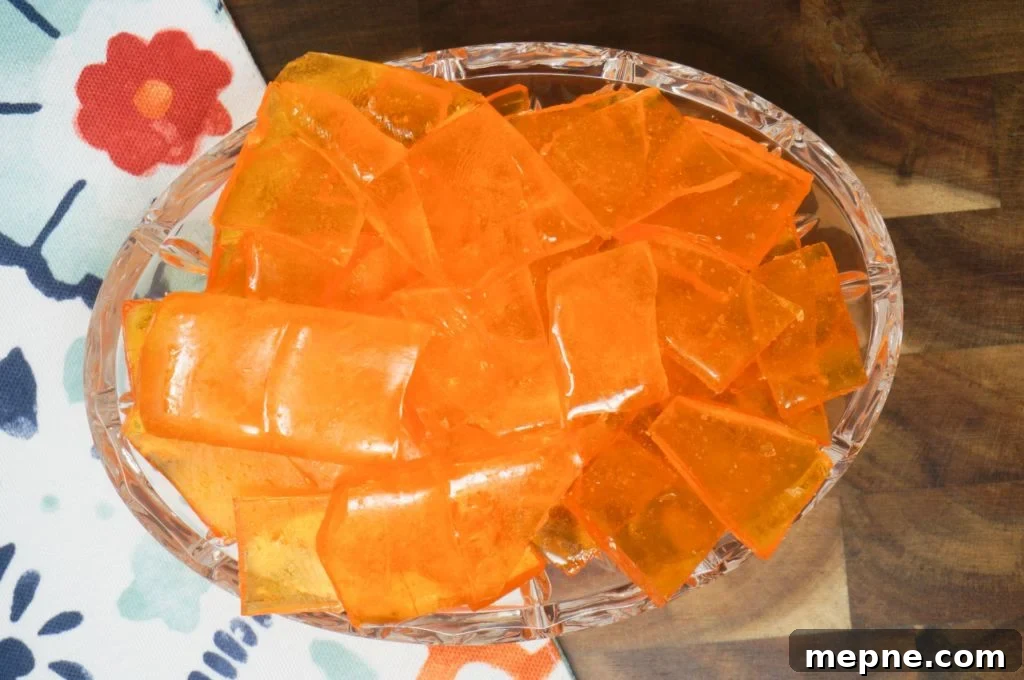
Butterscotch candy is wonderfully nostalgic. It is sweet, smooth, and deeply flavored, with a classic taste that feels comforting and old-fashioned in the best way. Homemade candy may seem intimidating at first, but this recipe uses a short ingredient list and a straightforward method.
The most important part of making hard candy is accuracy. Once the sugar mixture reaches the hard crack stage, it cools into firm, glassy pieces that snap cleanly. With the right thermometer, a prepared workspace, and a little patience, this easy butterscotch candy recipe becomes a fun and satisfying kitchen project.
These candies are lovely for holiday treat trays, homemade gifts, candy jars, or anytime you want a simple sweet with vintage charm.
Table of contents
- Why I Love This Recipe
- Ingredients & Substitutions
- How to Make Old-Fashioned Butterscotch Hard Candy
- Troubleshooting Common Candy-Making Issues
- Variations and Customizations
- Safety Tips
- Keys to Success
- 1. Use Concentrated Butterscotch Extract
- 2. Use a Good Candy Thermometer
- 3. Cut the Candy While It’s Hot
- Handpicked Recipe Favorites from My Kitchen, Just for You!
- Frequently Asked Questions
Why I Love This Recipe
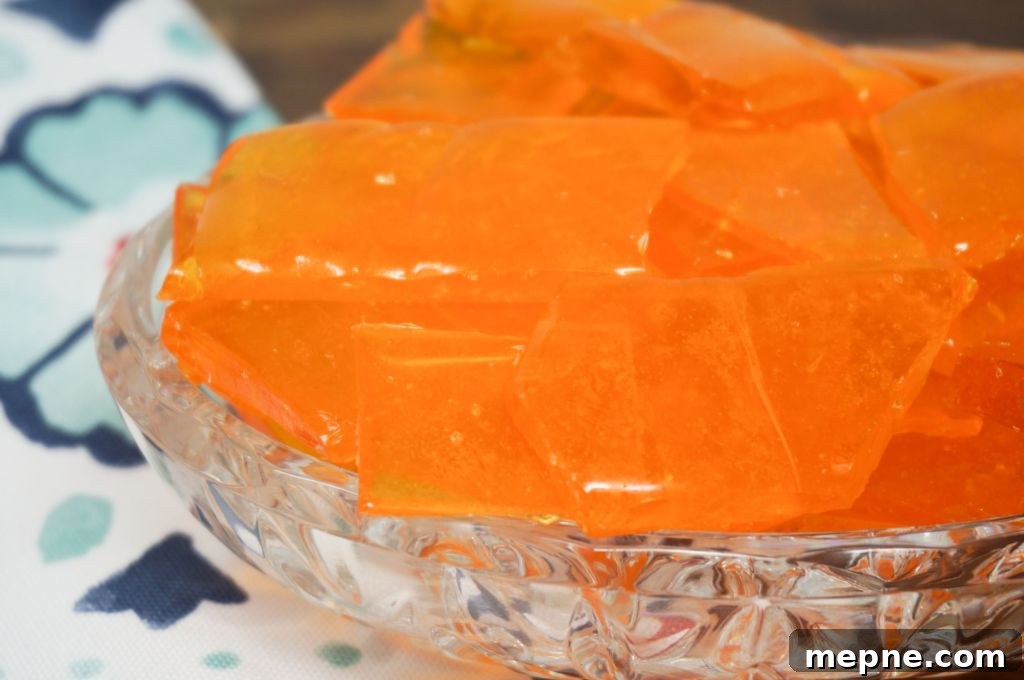
This Old-Fashioned Butterscotch Hard Candy recipe is simple, classic, and rewarding. There is something special about watching a few basic ingredients turn into golden pieces of homemade candy.
The flavor is the real reason this recipe stands out. The finished candy is sweet, buttery, and full of butterscotch flavor without being complicated. It has the familiar taste of old-fashioned hard candy, but making it from scratch gives it an extra sense of care.
This is also a great recipe for anyone who wants to learn more about candy making. It teaches the importance of temperature, timing, and preparation, while still being approachable for a home cook.
Ingredients & Substitutions
You only need a handful of ingredients to make homemade butterscotch hard candy. Each one plays an important role in the finished texture and flavor.
- Granulated Sugar: Sugar provides the structure and sweetness. It cooks down into a clear, firm candy once it reaches the correct temperature.
- Light Corn Syrup: Corn syrup helps keep the sugar mixture smooth and reduces the chance of crystallization. Golden syrup or homemade sugar syrup may be used as a substitute, although the flavor and texture can change slightly.
- Butterscotch Extract: This gives the candy its signature butterscotch flavor. A concentrated extract creates the strongest, most classic taste.
- Orange Food Coloring: This is optional, but it gives the candy the warm golden-orange color people often associate with butterscotch hard candy.
- Butter: Butter is used to grease the baking sheets so the hot candy does not stick as it cools.
How to Make Old-Fashioned Butterscotch Hard Candy
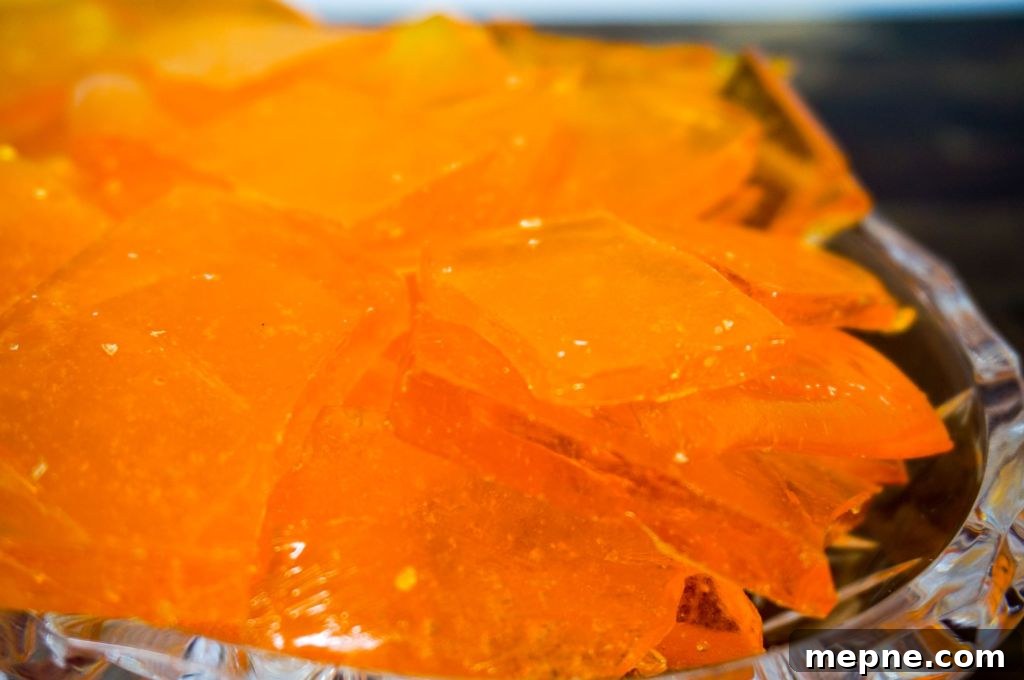
Before you begin, make sure your pans are ready and your ingredients are measured. Candy making moves quickly once the sugar reaches temperature.
- Prepare Your Pans: Generously butter two rimmed baking sheets and set them aside. The butter keeps the candy from sticking and makes it easier to remove once cooled.
- Cook the Sugar and Corn Syrup: Combine the granulated sugar and light corn syrup in a large pot. Heat the mixture on high until it comes to a boil, then cover the pot and let it boil for 3 minutes. This helps dissolve sugar crystals.
- Bring to Hard Crack Stage: Remove the lid and reduce the heat to medium-high. Continue cooking, stirring frequently, until the mixture reaches 300-310 degrees F on a candy thermometer.
- Add Food Coloring: When the thermometer reaches 310 degrees F, remove the pot from the heat. Stir in the food coloring until evenly blended.
- Mix in Butterscotch Extract: Let the mixture cool for a brief moment, then carefully add the butterscotch extract. The steam can be strong, so keep your face back from the pot and stir thoroughly.
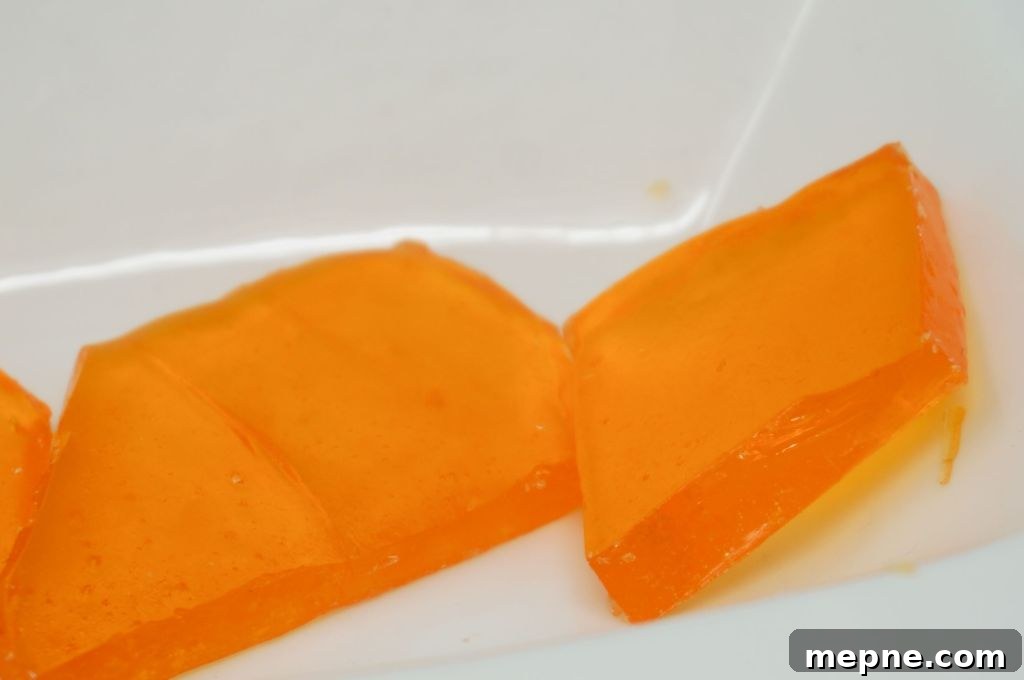
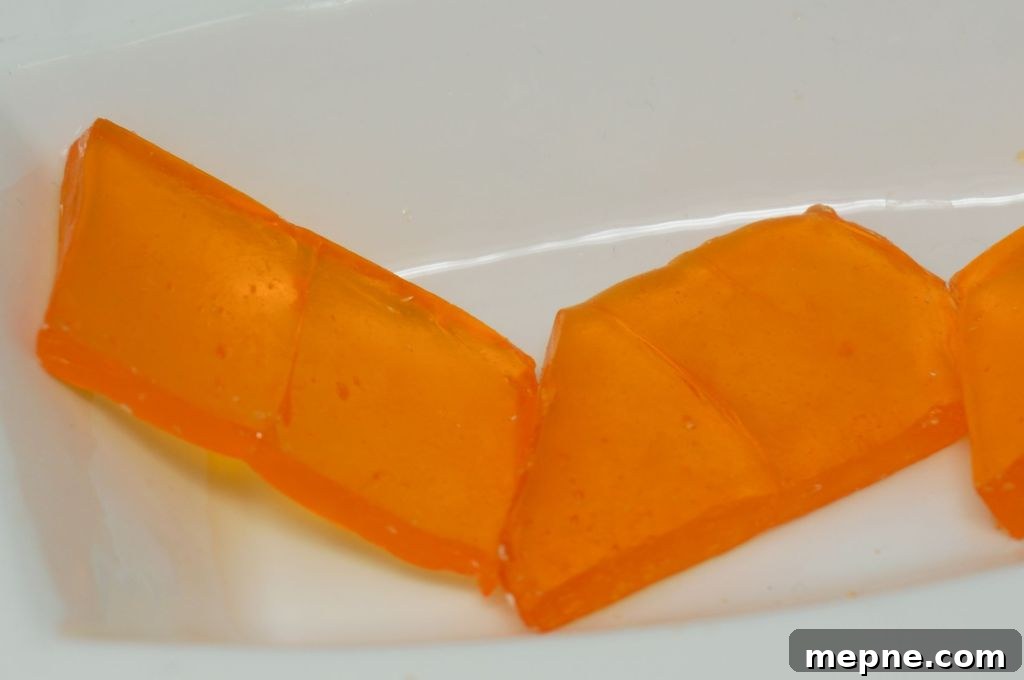
- Pour and Score: Pour the hot candy mixture into the prepared pans. Use a buttered pizza wheel to score lines in the candy while it is still hot. Let it cool for 30-60 minutes, then break it into pieces along the scored lines.
Troubleshooting Common Candy-Making Issues
Hard candy is not difficult, but temperature and moisture matter. If your candy does not turn out exactly as expected, these tips can help you find the cause.
- Candy Not Setting Properly: If the candy stays soft or chewy, the syrup likely did not reach the hard crack stage. Use a reliable candy thermometer and cook the mixture to 300-310 degrees F.
- Grainy Texture: Graininess is usually caused by sugar crystals. Make sure the sugar dissolves fully before the mixture boils hard. If crystals form on the sides of the pot, use a wet pastry brush to gently wash them down.
- Sticky Candy: Sticky candy can happen when the weather is humid or when the candy is not stored properly. Keep finished pieces in an airtight container in a cool, dry place.
Variations and Customizations
Once you understand the basic method, you can adjust the flavor and color to fit different occasions.
- Flavor Alternatives: Replace the butterscotch extract with another extract, such as vanilla, peppermint, almond, or maple. Use only food-safe flavorings made for candy or baking.
- Color Customizations: Orange gives this candy its traditional butterscotch look, but you can use another color or leave the candy plain.
- Add-Ins: Chopped nuts, crushed candy canes, or sprinkles can be added carefully as the candy cools, but work quickly because hard candy sets fast.
Safety Tips
Hot sugar syrup can cause serious burns, so take your time and work carefully.
- Use Protective Gear: Wear oven mitts or heat-resistant gloves when handling the pot or pouring the hot syrup.
- Keep a Safe Distance: Steam and splatters can be intense. Keep your face and bare skin away from the pot, especially when adding extract.
- Work on a Stable Surface: Clear your workspace before you start. Make sure the baking sheets are on a sturdy, heat-safe surface.
Keys to Success
1. Use Concentrated Butterscotch Extract
For the strongest butterscotch flavor, use a concentrated butterscotch extract. This recipe uses 5 teaspoons, which gives the candy a deep, rich flavor that tastes like traditional butterscotch hard candy.
2. Use a Good Candy Thermometer
A candy thermometer is one of the most important tools for this recipe. The sugar mixture needs to reach 310 degrees F so the candy cools into a firm, crisp texture.
A thermometer with a pot clip is helpful because it keeps the thermometer steady and prevents the bulb from resting on the bottom of the pot. For coloring, gel food coloring works well because it adds color without thinning the candy mixture. A few drops are usually enough.
3. Cut the Candy While It’s Hot
After the coloring and flavoring are mixed in, pour the hot candy onto the buttered baking sheets right away. Use a greased pizza wheel to score the candy into 1-inch squares while it is still hot.
If the score marks disappear at first, wait a few moments and go over the lines again. Once the candy cools completely, it will break more neatly along the scored lines.
Handpicked Recipe Favorites from My Kitchen, Just for You!
-

Paula Deen’s Butterscotch Pull-Apart Bread
-
Butterscotch Delight Recipe
-
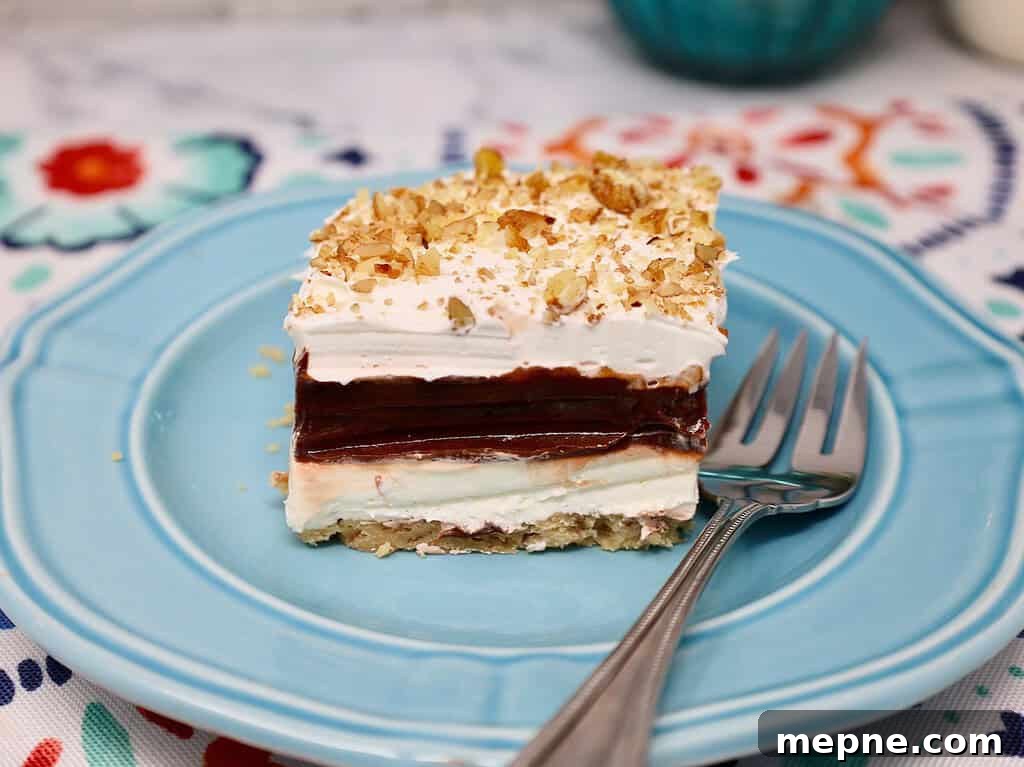
Old-Fashioned 4 Layer Delight Recipe
-
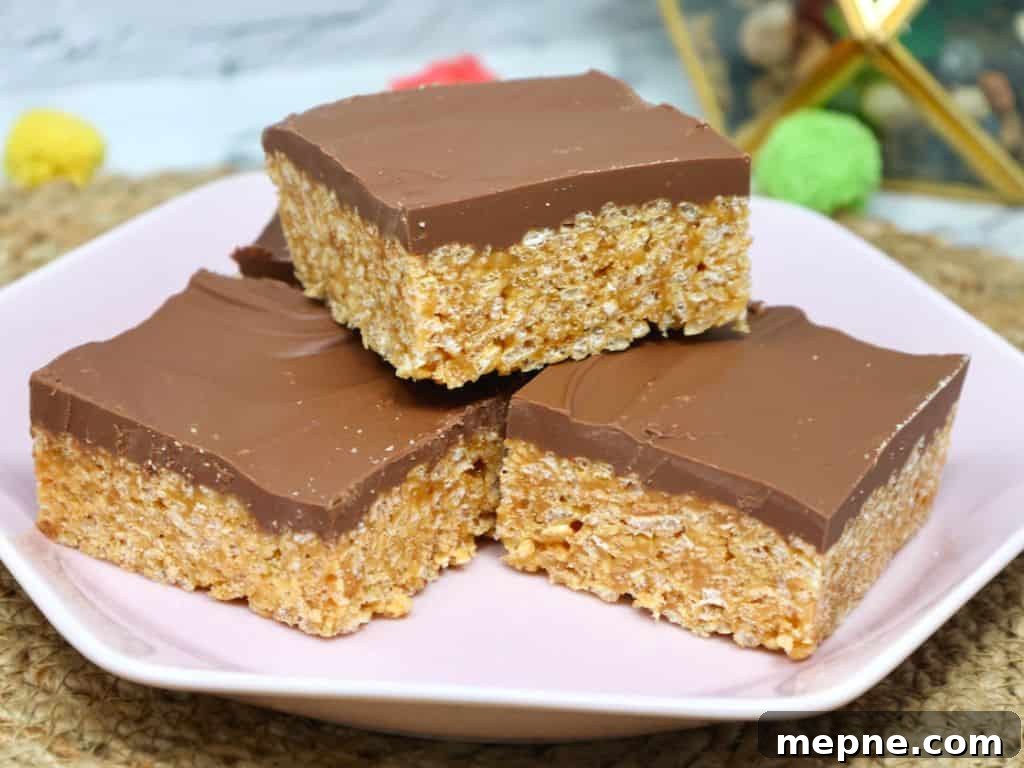
Scotcheroos
-
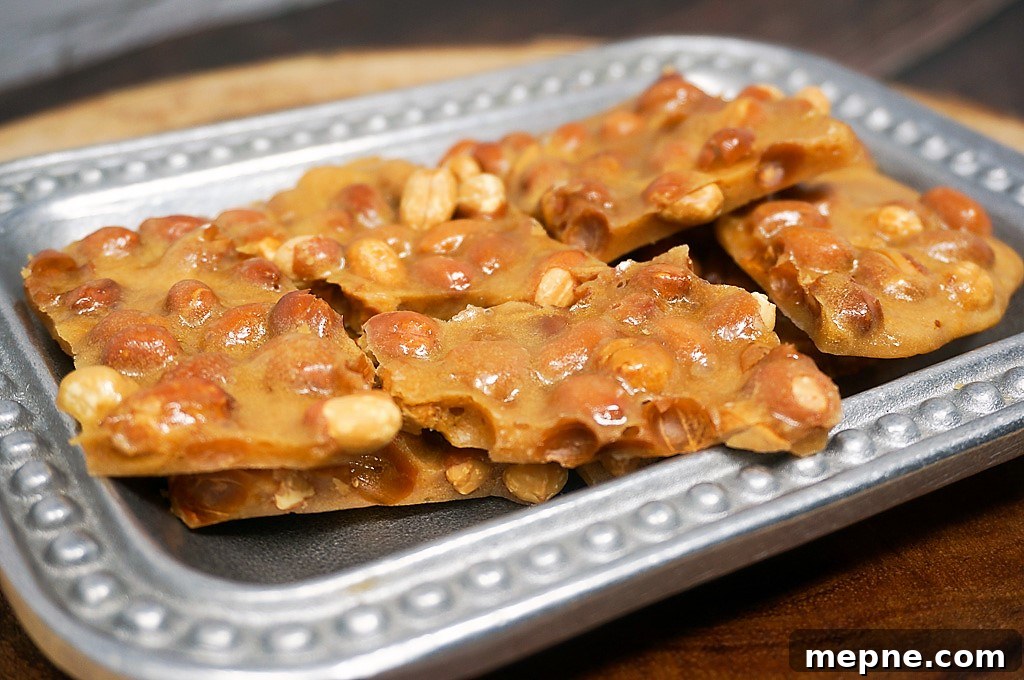
Microwave Peanut Brittle
-
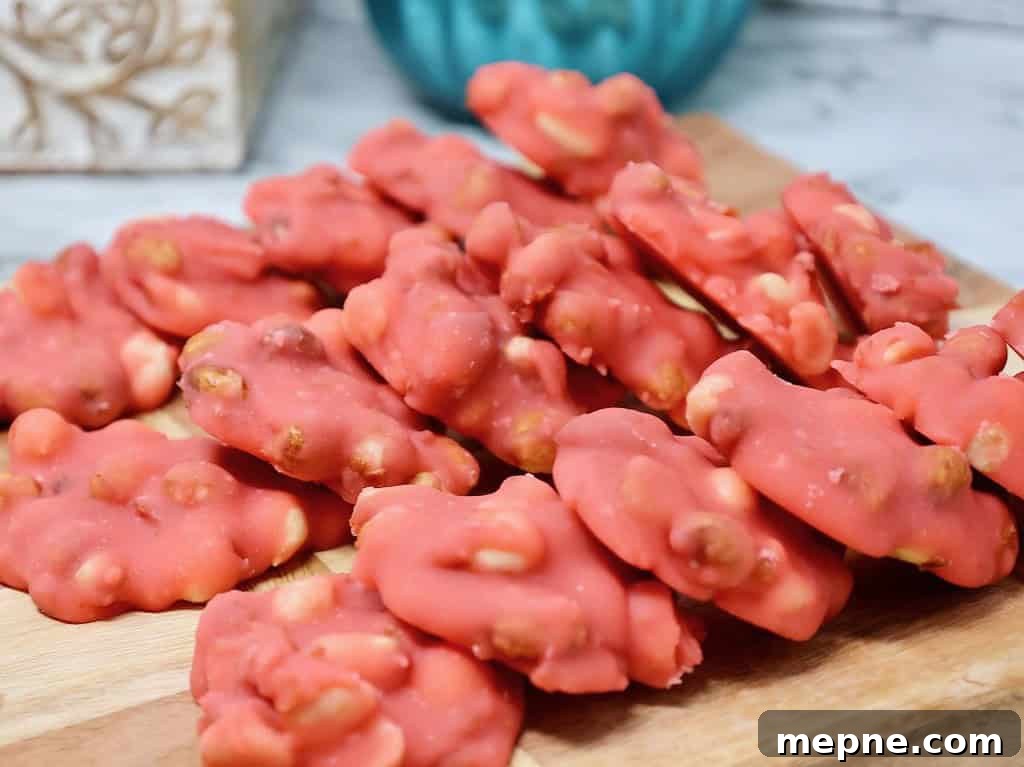
Homemade Red Peanut Patties
-
Peanut Butter Cup Cookies
-
No Bake Reese’s Peanut Butter Pie
-
Peanut Butter Fritos Candy
-
Peanut Butter Crunch Bars
-
Reese’s Peanut Butter Balls
-
The Best Peanut Butter Cookies
-
Chocolate Peanut Butter No-Bake Cookies
-
Hawaiian Cheesecake Bars
-
Gold Brick Candy

Frequently Asked Questions
Yes. You can use another extract, such as vanilla, maple, almond, or peppermint, to create a different hard candy flavor.
A candy thermometer is highly recommended because it gives the most accurate result. If you do not have one, you can use the cold water test. Drop a small amount of hot syrup into cold water. If it forms brittle threads that break easily, the candy has reached the hard crack stage.
No. The food coloring is optional. It gives the candy a traditional butterscotch color, but the recipe will still work without it.
Golden syrup or homemade sugar syrup may be used as a substitute, but the finished flavor and texture may be slightly different.
Store the candy in an airtight container at room temperature. Keep it in a cool, dry place so the pieces stay crisp.
Yes. Non-stick spray can be used to grease the pans, although butter also adds a little extra flavor.
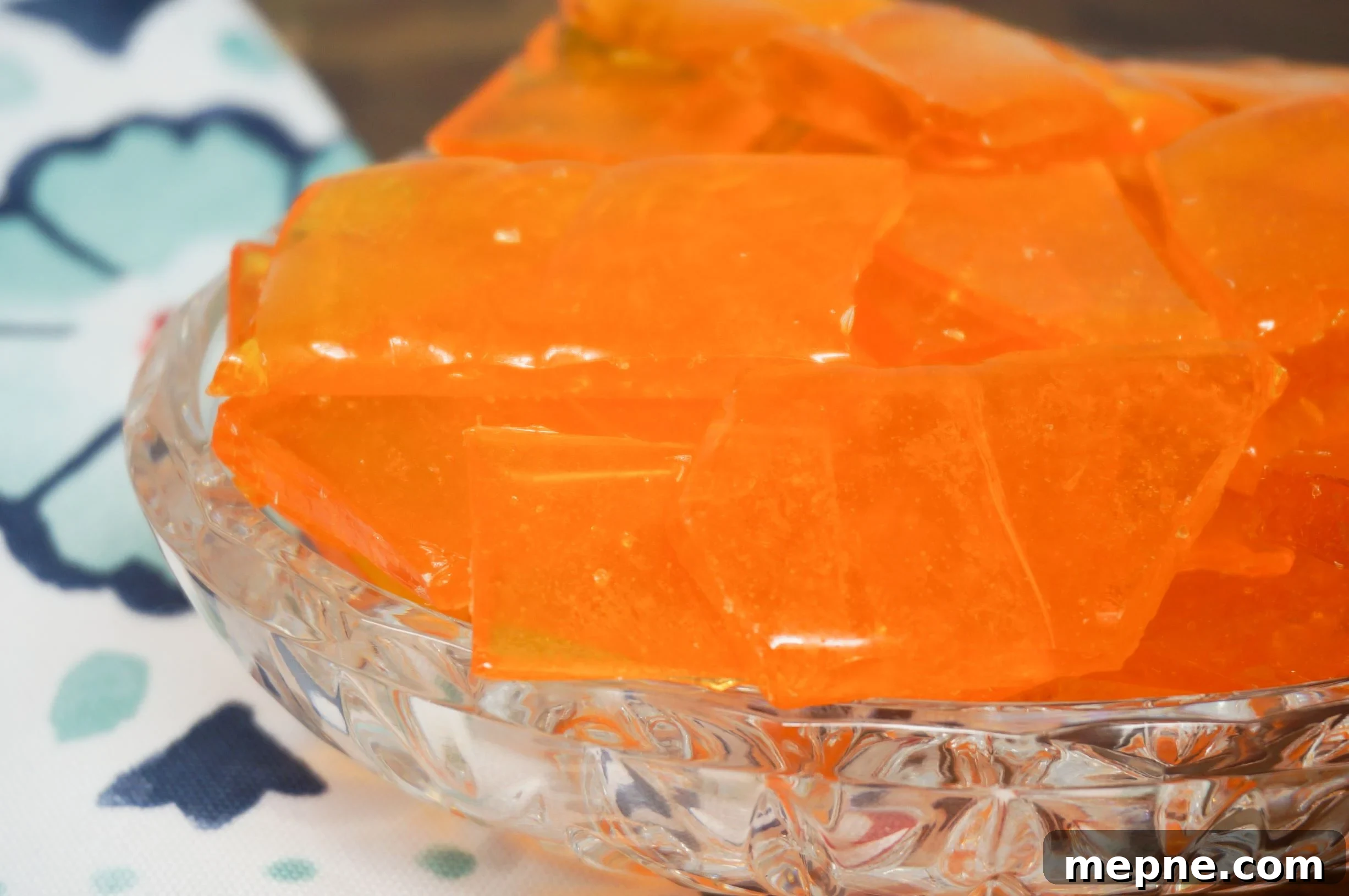
Butterscotch Hard Candy
Ingredients
- 2 ⅔ cups granulated sugar
- 4 cups light corn syrup
- 5 tsp butterscotch extract
- orange food coloring
- butter, to grease pans
Directions
-
Butter two rimmed baking sheets well and set them aside.
-
Combine the sugar and corn syrup in a large pot. Heat on high until the mixture comes to a boil, then cover and boil for 3 minutes.
-
Remove the lid and reduce the heat to medium-high. Continue cooking and stirring frequently until the mixture reaches the hard crack stage, 300-310 degrees F on a candy thermometer.
-
When the thermometer reaches 310 degrees F, remove the pot from the heat. Add the food coloring and stir well.
-
Let the sugar mixture cool for a moment, then carefully add the butterscotch extract. The steam can be strong, so use caution. Stir very well.
-
Pour the butterscotch candy mixture into the prepared pans while continuing to stir as needed. Use a buttered pizza wheel to score lines into the candy. Let cool for 30-60 minutes, then break into pieces along the score lines.
Equipment
-
Candy, jelly, or deep-fry thermometer with pot clip
-
Large stainless steel saucepan with lid
-
Concentrated butterscotch flavoring
-
Two rimmed baking sheets
-
Pizza wheel for scoring